
MEDELLÍN, ANTIOQUIA – July 4, 2026 – Colombia’s forthcoming Independence Day celebration on July 20, 2026, is set to be a momentous occasion, marked by a powerful convergence of national pride, regional ambition, and a significant political statement. Antioquia, one of Colombia’s most economically dynamic departments, will host its central commemorative act not in a traditional plaza, but deep within the colossal Tunnel of Toyo – a mega-infrastructure project poised to become the longest road tunnel in Latin America. The event will be further elevated by the confirmed attendance of President-elect Abelardo de la Espriella, accepting a personal invitation from Governor Andrés Julián Rendón, signaling a potentially new era of collaboration between the central government and regional administrations.
This strategic choice of venue and high-profile attendance transforms the annual national holiday into a potent symbol of progress, regional resilience, and a forward-looking vision for Colombia’s connectivity. Beyond the patriotic fervor, the celebration will feature a vibrant cultural program and a pointed political message underscoring Antioquia’s unwavering commitment to infrastructure development amidst past national-level disagreements.
A Symphony of Steel and Patriotism: Main Facts Unveiled
The core of the announcement, delivered from the heart of Antioquia, centers on several key facts that underscore the unique nature of this year’s Independence Day observance:

- Historic Venue: The Tunnel of Toyo, a monumental engineering feat still awaiting full operational status, will serve as the unprecedented backdrop for Antioquia’s official July 20th commemorations. This decision deliberately shifts the spotlight from conventional urban centers to a site representing future connectivity and economic transformation.
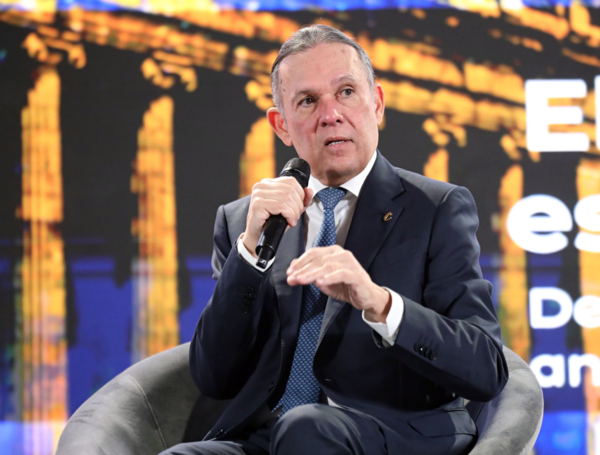
- President-elect’s Presence: Abelardo de la Espriella, slated to assume the highest office, has formally accepted Governor Rendón’s invitation to attend the ceremony. His participation is a strong indicator of his administration’s priorities and a nod to regional concerns, even before his official inauguration.
- Dual Focus: The event is meticulously planned to blend patriotic celebration with a clear emphasis on infrastructure. It aims to highlight the tangible advancements in departmental connectivity while reaffirming the civic spirit that has propelled such ambitious projects.
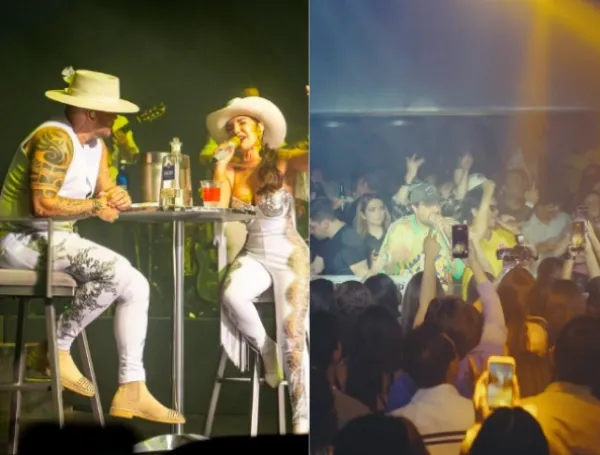
- Cultural Spectacle: The programming promises a unique cultural experience, featuring acclaimed popular music singer Paola Jara, an Antioquian native from the Urabá sub-region, alongside Jorge Villamizar of the renowned band Bacilos. Their performances are set to be enhanced by the majestic accompaniment of the Antioquia Symphony Orchestra, performing within the tunnel itself.
- Symbolic Significance: The choice of the Tunnel of Toyo is explicitly framed as a testament to Antioquia’s "local solidarity and the persistence of civil works" in the face of "economic and technical disagreements" with the preceding national government. This imbues the celebration with a layer of political advocacy for regional autonomy and development.
This convergence of political leadership, engineering marvel, and cultural expression sets the stage for a highly symbolic Independence Day, resonating far beyond the borders of Antioquia.
A Chronology of Invitation and Acceptance
The decision to host the Independence Day celebrations in such an unconventional and politically charged location, coupled with the President-elect’s participation, was not an impromptu one. It was the result of a deliberate and carefully orchestrated exchange between the departmental and national leadership.
The initiative gained significant traction during a recent visit by President-elect De la Espriella to the municipality of San Pedro de los Milagros, nestled in the picturesque highlands of Antioquia. It was during this visit that Governor Andrés Julián Rendón seized the opportunity to extend a formal invitation. Rather than a grand public pronouncement, the invitation was conveyed with a touch of personal, almost traditional, diplomacy. Governor Rendón entrusted an accompanying aide with a handwritten note, a tangible gesture that underscored the importance and sincerity of the proposal.
Upon receiving and reviewing the message, President-elect De la Espriella reportedly expressed his appreciation for the gesture and the profound symbolism inherent in the invitation. His response, relayed back to the departmental leader, articulated the deep value he placed on joining the people of Antioquia within a structure that so powerfully embodies the region’s relentless pursuit of development and progress. This discreet yet impactful exchange solidified the commitment for what is anticipated to be a landmark event.
The confirmation of De la Espriella’s attendance has been met with considerable anticipation across Antioquia and beyond. It signifies not just a presidential presence, but a symbolic alignment with a region that has often felt at odds with previous central administrations regarding its ambitious infrastructure agenda. The chronology of the invitation process, from a personal note to a confirmed commitment, adds a layer of human interest and strategic communication to the broader political narrative.
Supporting Data: The Magnitude of the Toyo Tunnel and its Cultural Echoes
The chosen location for the Independence Day festivities, the Tunnel of Toyo, is far more than just a passage through mountains; it is a monumental testament to engineering prowess and a linchpin for Antioquia’s economic future. Spanning an impressive 9.8 kilometers, the tunnel is poised to claim the title of the longest vehicular tunnel in Latin America once fully operational. Its strategic importance lies in its capacity to drastically cut travel times between Medellín, the department’s bustling capital, and the burgeoning port terminals of Urabá. What currently takes a grueling eight hours by road will be reduced by half, to a mere four-hour journey, fundamentally reshaping trade routes, logistics, and regional integration.
The project, officially known as "Guillermo Gaviria Correa," represents a critical component of Colombia’s Fourth Generation (4G) highway network, designed to enhance national competitiveness and connectivity. While the civil construction of the main tunnel is reported to be "practically concluded," the finalization hinges on the installation of complex electro-mechanical equipment, a responsibility currently resting with Invías (Colombia’s National Roads Institute) and the project contractor. This technical detail, as highlighted by Lina Cuartas, Private Secretary of the Governorship, underscores the very "battle" Antioquia has faced in advancing its infrastructure agenda.
The cultural component of the July 20th celebration is equally significant, carefully curated to reflect both regional identity and national artistic excellence. The program will feature Paola Jara, a celebrated figure in Colombian popular music, whose roots in the Urabá sub-region directly connect her to the very connectivity benefits the Tunnel of Toyo promises. Her performance will be a powerful fusion of popular artistry and classical grandeur, as she will be accompanied by the esteemed Antioquia Symphony Orchestra. This unique collaboration, performing within the vast expanse of the tunnel, is envisioned as a "milestone" – a hito – according to Secretary Cuartas. "We wanted to have an artist, a talented woman musician, who will be accompanied by the Antioquia Symphony Orchestra, and it will be a milestone to have them singing inside the tunnel," she articulated to El Colombiano newspaper.
Joining Jara will be Jorge Villamizar, a prominent member of the iconic Latin American band Bacilos. Villamizar’s involvement is not new to the Toyo Tunnel project; he previously participated in a musical initiative aimed at raising crucial funds for the completion of this vital connectivity project. His return signifies a continued commitment to the vision of regional development.
The event is expected to draw a diverse array of attendees, reflecting its broad significance. Members of the Antioquia Governorship’s cabinet, mayors from various localities across the department, and representatives from civil society sectors are all slated to participate. This broad representation underscores the collective regional ownership of the project and the celebration. The combination of a monumental infrastructure achievement, a compelling cultural program, and high-level political attendance creates a rich tapestry of meaning for this year’s Independence Day.
Official Responses and Political Undercurrents
The decision to commemorate Independence Day in the Tunnel of Toyo is steeped in intentional messaging from the Antioquian government, echoing official responses that articulate both regional pride and a clear stance on national development priorities. Governor Andrés Julián Rendón’s invitation to President-elect De la Espriella, and the subsequent confirmation, are central to this narrative. While specific quotes from De la Espriella directly addressing the invitation’s political nuance are not provided in the original text, his acceptance itself is a powerful "official response" that signals a willingness to engage with Antioquia’s agenda. His expressed sentiment of valuing the opportunity to "unite with the Antioquian population in a structure that symbolizes the development of the region" speaks volumes about his understanding of the event’s significance.
Lina Cuartas, Private Secretary of the Governorship, has been particularly vocal in outlining the motivations behind the unconventional venue choice. Her statements reveal a deliberate strategy of decentralization, mirroring a similar move the previous year when official acts were held in the municipality of Turbo. This year, however, the choice of the Tunnel of Toyo carries an added layer of political resonance. Cuartas explicitly linked the venue to the "battle with the national government to get the work done" and the "economic and technical disagreements with the government of President Gustavo Petro." This highlights a perceived struggle for regional projects to receive adequate support or overcome bureaucratic hurdles from the central administration.

"This year we decided to do it in the Tunnel of Toyo, with all that battle with the national government to get the work done has implied for us, and more so because the tunnel is almost finished, that is, the civil work is ready, and we are awaiting the installation of the electro-mechanical equipment which is in the hands of Invías and the contractor," Cuartas explained to El Colombiano. Her words underscore the department’s desire to use the event as a moment of recognition for "Antioquian civic spirit" and a demonstration of regional self-reliance and persistence.
The event, therefore, serves as a dual celebration: one of national independence and another of regional achievement, particularly in the face of perceived governmental obstacles. It is an "institutional reaffirmation" for the department, a public declaration of its commitment to its development agenda. The presence of President-elect De la Espriella, rather than being seen as an endorsement of past conflicts, is strategically positioned by the Antioquian government as an opportunity to "chart a joint roadmap" for the complete realization of fourth-generation road projects across northwestern Colombia. This frames his attendance as a hopeful sign for future collaboration, rather than a continuation of past tensions, effectively leveraging his imminent presidency to advocate for Antioquia’s long-term infrastructure goals.
Implications: A Blueprint for Regional-National Relations and Future Development
The upcoming Independence Day celebration in Antioquia, with President-elect Abelardo de la Espriella at its core, carries significant implications that extend beyond a single commemorative act. This event is poised to become a pivotal moment, shaping the dynamics of regional-national relations, influencing future infrastructure policy, and setting a precedent for how national holidays can be leveraged for strategic political messaging and development advocacy.

1. Redefining Regional-National Cooperation: De la Espriella’s acceptance of the invitation, even before his official inauguration, sends a powerful signal regarding his approach to regional autonomy and development. It suggests a potential shift from the more contentious relationship Antioquia experienced with the outgoing national administration. His presence could be interpreted as a gesture of goodwill and a commitment to direct engagement with departmental leadership on critical projects. This could pave the way for a more collaborative framework, where regional needs and initiatives are more readily integrated into the national development agenda. The "joint roadmap" mentioned by the Governorship portends a more harmonized effort in completing vital infrastructure like the 4G highways, which are crucial for Colombia’s overall economic competitiveness.
2. Elevating Infrastructure as a National Priority: By choosing the Tunnel of Toyo – a symbol of ambitious, and at times contested, regional development – as the backdrop for a national celebration, Antioquia effectively places infrastructure at the forefront of the national discourse. De la Espriella’s presence amplifies this message, suggesting that his administration may prioritize large-scale connectivity projects, potentially unlocking further investment and accelerating completion timelines for other pending works across the country. This could ignite renewed enthusiasm for infrastructure development as a key driver of economic growth and social integration.
3. The Power of Decentralization and Regional Identity: Antioquia’s consistent strategy of decentralizing national celebrations, first in Turbo and now in the Tunnel of Toyo, is a clear assertion of regional identity and a demonstration of local leadership. It underscores the belief that national pride can be celebrated and manifested in diverse, locally relevant contexts, rather than being confined to the capital. This approach could inspire other departments to adopt similar strategies, fostering a stronger sense of local ownership over national events and highlighting unique regional contributions to the country. The emphasis on "Antioquian civic spirit" during the celebration reinforces the idea that collective regional effort is a potent force for progress.

4. Bridging Political Divides through Shared Goals: While the event openly references past "battles" with the national government, De la Espriella’s attendance offers an opportunity to bridge these divides. By focusing on a tangible achievement like the Tunnel of Toyo, the event can serve as a common ground for political leaders from different ideological spectrums. It shifts the narrative from conflict to shared objectives – the prosperity and connectivity of the Colombian people. This could set a constructive tone for the incoming presidency, emphasizing unity around national development goals rather than perpetuating partisan strife.
5. Economic Impetus for Urabá: The Tunnel of Toyo’s operational impact, reducing travel time to Urabá’s port terminals by half, is an economic game-changer. De la Espriella’s presence at the site underscores the strategic importance of Urabá as a future logistics and export hub. This could draw national and international attention to the region, stimulating further investment in port infrastructure, agro-industrial development, and related services, thereby boosting local economies and creating jobs.
In conclusion, the Independence Day celebration in the Tunnel of Toyo is more than a patriotic ceremony; it is a carefully orchestrated declaration of intent. For Antioquia, it is a reaffirmation of its institutional strength and its vision for development. For President-elect De la Espriella, it is an early opportunity to define his administration’s stance on regional partnership and infrastructure investment. The implications suggest a potential recalibration of the relationship between Colombia’s central government and its powerful regions, charting a course towards a future where shared development goals transcend political differences and pave the way for collective national progress.

This article was developed with the support of AI and reviewed by a journalist.
KATHERINE BRAVO HERNÁNDEZ
DIGITAL SCOPE REDACTION
EL TIEMPO