By Edwin Caicedo, Environmental and Health Correspondent
Updated: October 9, 2026
In a move that underscores the importance of academic transparency in public office, the Pontifical Bolivarian University (UPB) has issued a formal rectification regarding the academic credentials of Paola Andrea Holguín Moreno, the current Minister of Cultures, Arts, and Knowledge of Colombia. The institution confirmed that, contrary to previous public claims, the Minister does not possess a Master’s degree in Political Studies from their university.
The correction, which has sparked a broader conversation regarding the verification of professional profiles of high-ranking government officials, follows a rigorous review of internal records. While the university confirmed that Holguín is indeed a graduate of their Social Communication and Journalism program, it clarified that her status regarding the Master’s program was that of an "egresada no graduada"—someone who completed the coursework but failed to fulfill the final requirements to obtain the degree.
The Genesis of the Controversy
The confusion began on July 18, 2026, when the official Instagram account of the Universidad Pontificia Bolivariana (@upbcolombia) published content highlighting Holguín’s academic background. In a post that was intended to showcase the accomplishments of the institution’s alumni, the university explicitly presented the Minister as an "alumna graduate of the Faculty of Social Communication – Journalism and the Master’s in Political Studies of the UPB."

For months, this information remained in the public domain, often cited in media profiles and official government bios. However, the discrepancy between the university’s public assertion and the actual degree status prompted questions from political observers and colleagues regarding the accuracy of the credentials attributed to the head of the Ministry of Cultures.
Chronology of the Verification Process
The timeline of this clarification is essential to understanding how the error came to light and how the institution eventually addressed it:
- July 18, 2026: The UPB publishes a post on social media identifying Minister Paola Holguín as a graduate of both her undergraduate program and a Master’s degree in Political Studies.
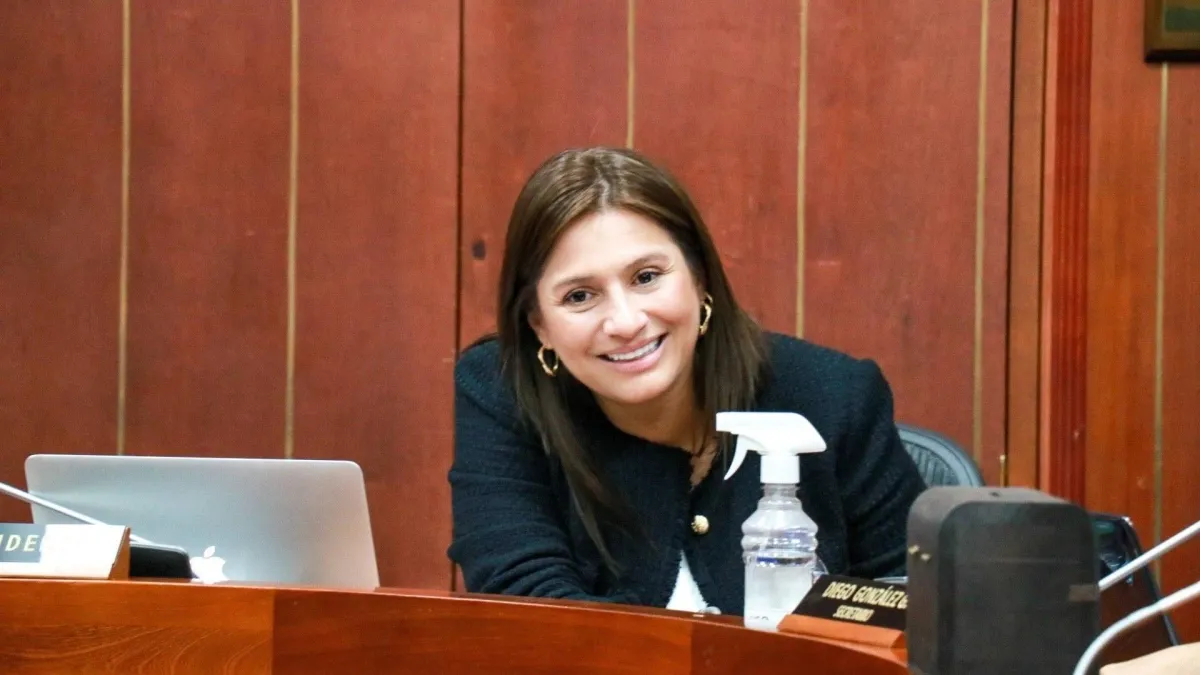
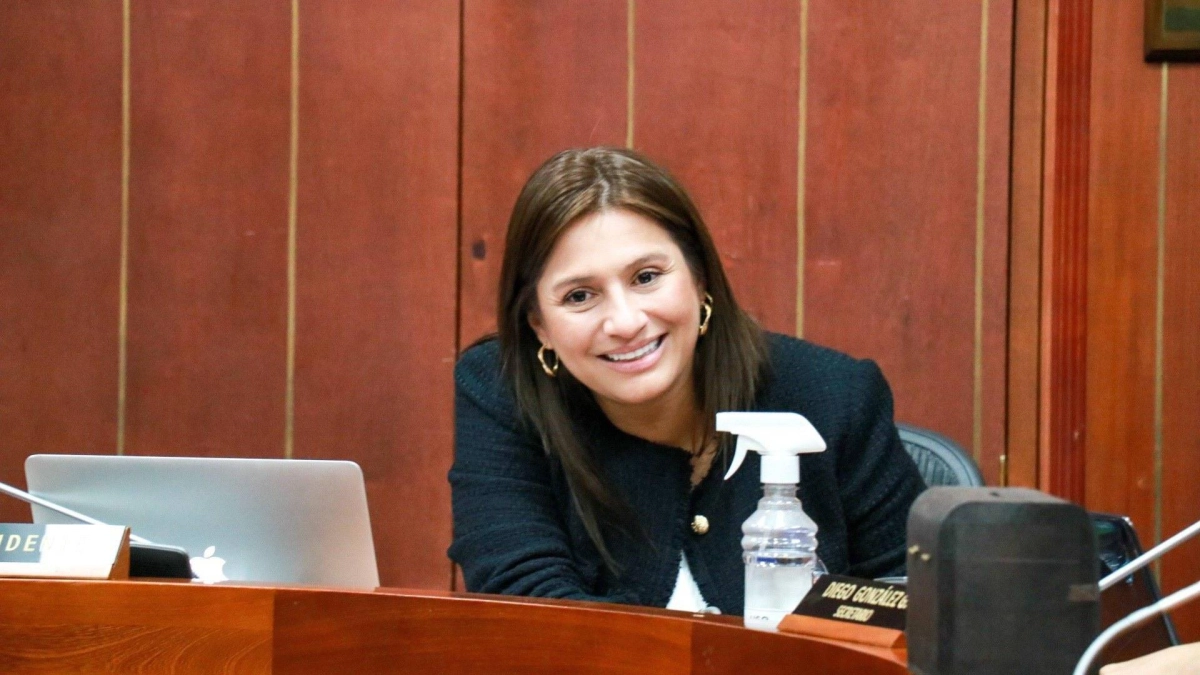
- September 30, 2026: Senator Jennifer Pedraza, acting on the need for transparency in public service, files a formal right of petition (derecho de petición) with the UPB. She requests a verification of the Minister’s academic trajectory, specifically asking if a Master’s title had been conferred.
- October 7, 2026: The university responds to the request. They confirm that while Holguín had successfully completed and approved every individual subject in the Master’s curriculum, she had not completed the requirements to receive the formal title.
- October 8, 2026: The university acknowledges the error in its July publication, issues a formal apology, and pledges to rectify the information across all institutional channels.
The Crucial Distinction: Coursework vs. Degree
In academia, there is a fundamental difference between "completing the curriculum" and "obtaining a degree." The case of Minister Holguín highlights this distinction. The UPB’s official statement noted that she "completed the plan of studies," meaning she attended and passed all necessary credits. However, in higher education, completion of coursework is merely one component of a graduate degree. The final degree is contingent upon additional academic milestones, such as a thesis, a capstone project, or comprehensive exams, which are verified and approved by the university’s board of examiners.
By failing to meet these final criteria, the student remains an "egresado" (a former student) but not a "graduado" (a degree holder). The university’s failure to differentiate between these two statuses in their July announcement created a misleading impression that suggested the Minister had attained the academic rank of a Magister (Master).

Institutional Response and Responsibility
The Universidad Pontificia Bolivariana has taken full responsibility for the confusion. In its formal response, the institution stated: "The University recognizes the error contained in the publication and assumes the responsibility that corresponds to the information released."
The university further expressed regret for the potential confusion caused by its communication, noting that the error was an institutional oversight. This transparency is viewed by experts as a necessary step to maintain the credibility of the institution’s records and to ensure that public trust in academic credentials remains intact.
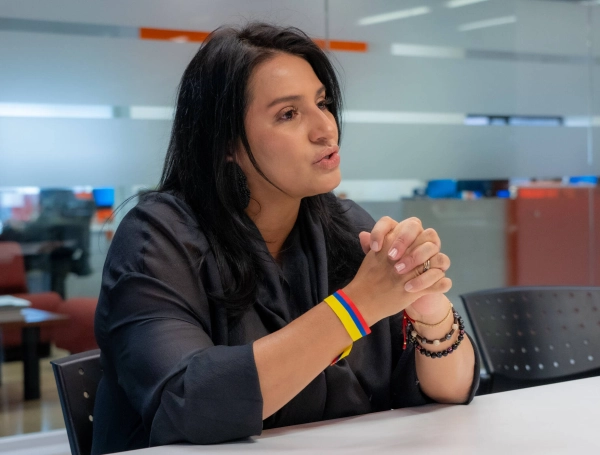
For the Minister’s part, the situation poses a challenge regarding the necessity for high-ranking officials to maintain updated and accurate resumes in the public eye. As a public servant, the scrutiny of one’s professional qualifications is a standard part of democratic accountability.
Implications for Public Office and Transparency
The ripple effects of this rectification extend beyond the personal career of Minister Holguín. It serves as a case study for several key issues in contemporary governance:
1. The Standard of Transparency for Ministers
Ministers are public figures whose credibility is tied to their professional preparation. When an official is presented with credentials they do not possess, it creates a "credibility gap." Even if the error originated with the university, the Minister bears the responsibility of ensuring that her public curriculum vitae is accurate.
2. The Role of Legislative Oversight
The intervention of Senator Jennifer Pedraza demonstrates the effectiveness of legislative oversight. By utilizing the derecho de petición, the Senator was able to compel the university to provide an official, verifiable answer, bypassing informal narratives or public relations messaging. This process illustrates the vital role of the opposition and oversight committees in holding government officials accountable for their claims.

3. Media and Institutional Integrity
The incident also serves as a warning to academic institutions regarding their social media communications. In the age of digital information, a single post can solidify a false narrative. The UPB’s subsequent rectification is a reminder that institutions, regardless of their prestige, must have rigorous internal review processes for any content that validates the professional qualifications of alumni, especially those in the public eye.
Evaluating the Minister’s Background
It is important to note that this clarification does not undermine the Minister’s professional experience or her legitimate degree in Social Communication and Journalism. She remains a qualified professional with a clear academic background in journalism. The issue is strictly confined to the academic degree of Master in Political Studies.

In the wake of this revelation, many are asking if this will lead to a re-evaluation of how other officials present their academic records. The incident has already sparked debates in the Senate regarding the need for a national database that verifies the academic titles of all ministers and high-ranking public servants, a move that could potentially mitigate similar future scandals.
Conclusion
The rectification provided by the Universidad Pontificia Bolivariana is a definitive conclusion to the confusion surrounding Minister Paola Holguín’s academic titles. It clarifies that she possesses the undergraduate training she claims, but not the postgraduate title of Master.

As the Ministry of Cultures moves forward, the focus will likely return to the Minister’s policies and management. However, this episode will remain a footnote in the current administration’s record, serving as a reminder that the path to public office is paved with expectations of complete honesty, particularly regarding the educational milestones that are often used to justify one’s appointment to high-ranking positions.
The UPB has closed the case by accepting its institutional error, and the record now stands corrected. For the public, the takeaway is clear: in an era of rapid information, the verification of credentials remains a cornerstone of institutional and political accountability.

For more information on this developing story and other updates on national politics and culture, stay tuned to our weekly newsletter and follow us on our social media channels.