INTERNATIONAL DESK
Updated: September 9, 2026 — 1:45 PM
Main Facts
The ongoing, volatile security crisis surrounding Ukrainian leadership experienced a perilous escalation when high-ranking European officials confirmed a major near-miss incident involving the personal transport of Ukrainian President Volodymir Zelenskyy. According to statements delivered by Norwegian Prime Minister Jonas Gahr Støre, the aircraft carrying the Ukrainian head of state narrowly avoided being struck by an unidentified drone during its takeoff procedure from an airport in Moldavia.
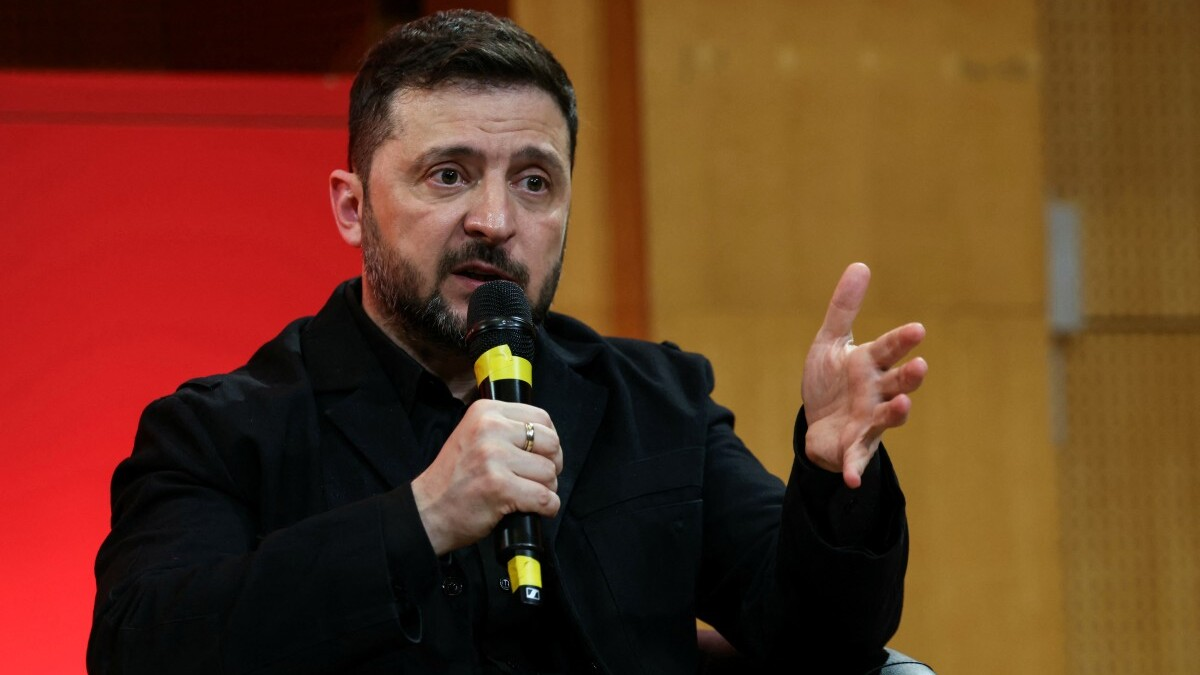
The startling revelation sheds light on the constant, multi-layered security threats that follow the Ukrainian president across international borders, even when traveling through nations ostensibly removed from the frontline theater of war. Støre revealed the harrowing details to the Norwegian public broadcaster NRK, noting bluntly: "His flight came very close to being hit by a drone as it was taking off from Moldavia. That is the reality in which he lives."
While neither Norwegian nor Moldavian authorities have released exhaustive technical details regarding the exact trajectory, origin, or model of the drone involved in the incident, the confirmation underscores the acute vulnerability of airspace in Eastern Europe. President Zelenskyy was en route to Oslo, Norway, to participate in high-level diplomatic engagements and to attend the state funeral of the late King Harald of Norway, who passed away on August 28 at the age of 89.

Despite the profound danger during departure, the flight ultimately landed safely in the Norwegian capital, allowing the Ukrainian leader to proceed with a rigorous diplomatic agenda before departing for North America to hold further consultations with Canadian leadership.
Chronology of Events
The unfolding of events surrounding President Zelenskyy’s diplomatic mission, security breach, and subsequent international itinerary reveals a tightly compressed timeline of high-stakes statecraft and persistent danger:

- Late August (August 28, 2026): King Harald of Norway passes away at the age of 89, triggering national mourning and prompting international invitations for a state funeral in Oslo, drawing numerous global dignitaries.
- Early September 2026: President Volodymir Zelenskyy schedules a diplomatic tour encompassing European allies and North America, with a necessary transit stop in Moldavia.
- September 8, 2026 (Evening): President Zelenskyy’s aircraft prepares for departure from a Moldavian airfield. During the critical takeoff phase, an unidentified drone breaches the vicinity, placing the presidential transport in immediate peril. Despite the acute risk, the pilot successfully navigates out of the danger zone, and the flight proceeds safely toward Northern Europe.
- September 8, 2026 (Late Night): President Zelenskyy arrives safely in Oslo, Norway. He is immediately incorporated into security protocols managed jointly by Ukrainian security details and Norwegian state protection services.
- September 9, 2026 (Morning and Afternoon):
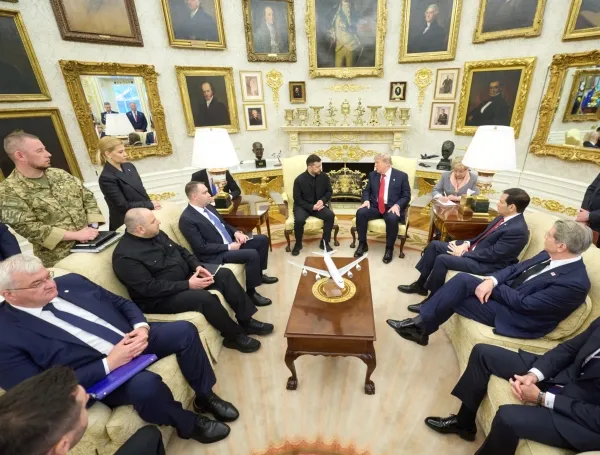
- Zelenskyy engages in critical bilateral discussions with Norwegian Prime Minister Jonas Gahr Støre, Minister of Finance Jens Stoltenberg, and Minister of Foreign Affairs Espen Barth Eide. The talks center heavily on military aid, robust anti-aircraft defense systems, and civilian infrastructure support.
- Alongside international heads of state and global dignitaries, Zelenskyy attends the solemn state funeral for the late King Harald.
- Norwegian Prime Minister Jonas Gahr Støre speaks with public broadcaster NRK, publicly confirming for the first time that the Ukrainian president’s aircraft was nearly struck by a drone upon departing Moldavia.
- Post-Funeral (September 9, 2026): Immediately following the memorial ceremonies, President Zelenskyy departs Norway, setting course for Canada to hold further strategic discussions with North American leadership regarding ongoing coalition support for Ukraine.
Supporting Data and Context: The Geopolitical Landscape of Eastern European Airspace
The near-miss incident involving President Zelenskyy’s aircraft does not occur in a vacuum; rather, it highlights the staggering proliferation of unmanned aerial vehicles (UAVs) across Eastern European skies and the severe disruptions they routinely cause to regional aviation.
The Proliferation of Drone Incidents in Eastern Europe
Since the full-scale escalation of the conflict in Ukraine, the airspace spanning from the Black Sea basin through Moldova, Romania, Poland, and the Baltic states has transformed into a heavily monitored and frequently compromised zone. Moldavia (the Republic of Moldova), situated directly on the southwestern border of Ukraine, has repeatedly found its sovereignty challenged by stray munitions, unidentified aerial objects, and suspected reconnaissance drones trespassing into its national airspace.

- Geographic Vulnerability: Moldova’s geographic proximity to major logistical hubs, Odesa, and active maritime corridors makes its airspace exceptionally sensitive. Even when commercial and state flights operate under stringent routing protocols, the sheer volume of drone traffic deployed in regional conflicts creates an unpredictable hazard for civil and diplomatic aviation.
- Air Defense Deficits: Unlike major NATO members possessing integrated, multi-layered air defense grids (such as Patriot systems, NASAMS, and advanced radar tracking), smaller nations like Moldova face distinct resource constraints in completely sealing their skies against low-altitude, small-cross-section UAVs.
- Precedents in the Region: Over the past several years, fragments of downed or stray drones have periodically landed in Moldavian agricultural fields and border towns, prompting frequent diplomatic protests and heightened security alerts from Chișinău. However, a near-miss incident directly targeting or intersecting with a foreign state aircraft carrying a sitting head of state marks a dramatic, dangerous escalation.
Norway’s Strategic Role in Supporting Ukraine
The destination of the threatened flight—Oslo—underscores Norway’s unwavering commitment to supporting Ukraine’s defense architecture despite geographic distance. Successive Norwegian governments, led by Prime Minister Jonas Gahr Støre, have committed multi-billion-dollar aid packages designed to sustain Ukraine’s military endurance.
- Air Defense Contributions: A primary pillar of Norwegian assistance has been the provision and financing of advanced air defense systems. Given Russia’s sustained missile and drone campaigns targeting Ukrainian cities and energy infrastructure, Norway’s collaboration with international partners to supply anti-aircraft batteries has been indispensable.
- Financial and Humanitarian Aid: Beyond lethal military equipment, Oslo has maintained substantial humanitarian and financial pipelines, ensuring that the Ukrainian state can maintain basic governance, healthcare, and economic stability amid wartime devastation.
Official Responses and Diplomatic Reactions
The confirmation by Prime Minister Jonas Gahr Støre sent immediate ripples through diplomatic circles across Europe and North America, illustrating the stark contrast between standard diplomatic travel and the high-threat reality endured by Ukrainian leadership.
Norwegian Government Statement
By choosing to make the incident public, Prime Minister Støre aimed to emphasize the unrelenting danger that accompanies any movement made by the Ukrainian president. By stating, "That is the reality in which he lives," Støre humanized the relentless security burden borne by Zelenskyy while sending a subtle yet firm message to international partners regarding the pervasive reach of modern asymmetric warfare.
Norwegian security officials have maintained a strict posture of operational discretion, declining to offer technical specifics about whether the drone was operating under remote guidance, pre-programmed coordinates, or if it represented an intentional intercept attempt versus a stray reconnaissance asset.

Ukrainian and Moldavian Posture
While President Zelenskyy’s office has consistently maintained robust operational security regarding travel logistics—frequently utilizing undisclosed land crossings to neighboring countries before boarding secure aircraft—the acknowledgment from Oslo forces a renewed examination of transit security protocols in third-party nations.
Moldavian authorities, who operate under delicate geopolitical balances and face hybrid pressures, have historically emphasized their commitment to maintaining secure transit corridors for international leaders visiting regional summits or facilitating humanitarian corridors. The revelation of the drone near-miss is expected to prompt rigorous joint security reviews between Ukrainian, Moldavian, and Western intelligence agencies to plug potential vulnerabilities in airfield perimeter security and immediate airspace control.

Implications: Security, Aviation Risks, and Global Diplomacy
The near-miss drone incident involving Volodymir Zelenskyy carries profound implications spanning international law, civil aviation safety, and the future mechanics of wartime diplomacy.
1. The Vulnerability of Diplomatic Transit in Wartime
Traditionally, international law and unwritten diplomatic norms have afforded heads of state a baseline of immunity and security when traveling through the airspace of sovereign, neutral, or allied nations. However, the proliferation of low-cost, long-range drones has fundamentally rewritten the rules of aerial safety.

- The Asymmetric Threat: Traditional anti-aircraft defenses are optimized for fast-moving military jets and ballistic missiles. Small, slow-moving commercial-grade or modified military drones present a notoriously difficult radar signature, making them ideal tools for asymmetric disruption or clandestine reconnaissance.
- Precedent for Future Threats: If state-level aircraft carrying foreign leaders can be menaced during takeoff in third-party nations, the logistical planning required for international summits and diplomatic visits must undergo a radical paradigm shift. Security perimeters around airfields utilized by Ukrainian leadership will likely need to be expanded significantly, incorporating mobile anti-drone jamming units and dedicated short-range air defense (SHORAD) coverage.
2. Impact on European Airspace Security
The incident serves as a wake-up call for European nations bordering the conflict zone. The porous nature of regional airspace highlights the urgent need for a unified, seamless anti-drone network across Eastern and Central Europe.
- Integrated Counter-UAV Systems: European defense planners are increasingly recognizing that stray or hostile drones do not respect national borders. Integrating radar data and counter-measure capabilities between NATO members and non-aligned partners like Moldova is essential to preventing catastrophic accidents involving not only state aircraft, but commercial airliners as well.
3. Unflinching Diplomatic Resolve
Despite the terrifying nature of the near-miss in Moldavia, the immediate operational response by President Zelenskyy demonstrated unwavering resolve. Rather than curtailing his international travels or yielding to security intimidation, Zelenskyy completed his mission in Oslo—securing vital commitments for anti-aircraft defense and civil assistance—before immediately embarking on a transatlantic flight to Canada for further strategic talks.

The message projected by this resilience is clear: while the physical dangers confronting Ukrainian leadership are unprecedented in modern European history, the diplomatic coalition supporting Ukraine remains deeply active, mobile, and committed to long-term strategic coordination. As the investigation into the Moldavian airspace breach continues behind closed doors, the international community is left to reckon with the stark reality articulated by Prime Minister Støre—a world where the skies themselves have become a frontline, and where the safety of leaders can never be taken for granted.