Executive Summary
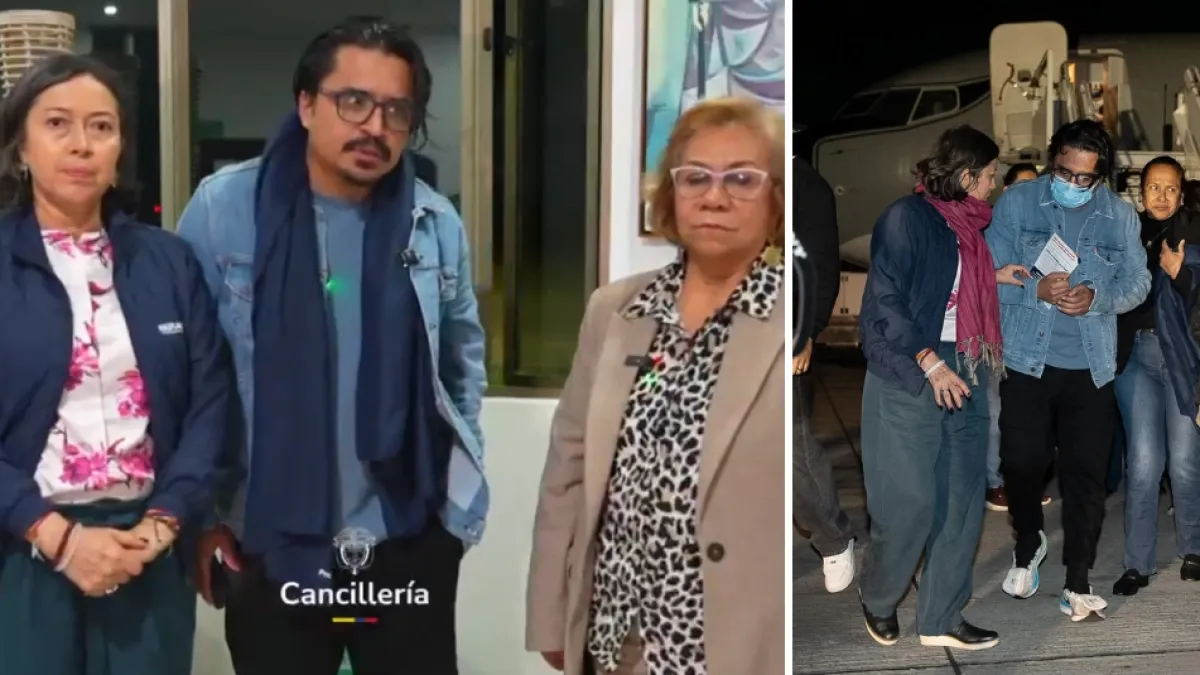
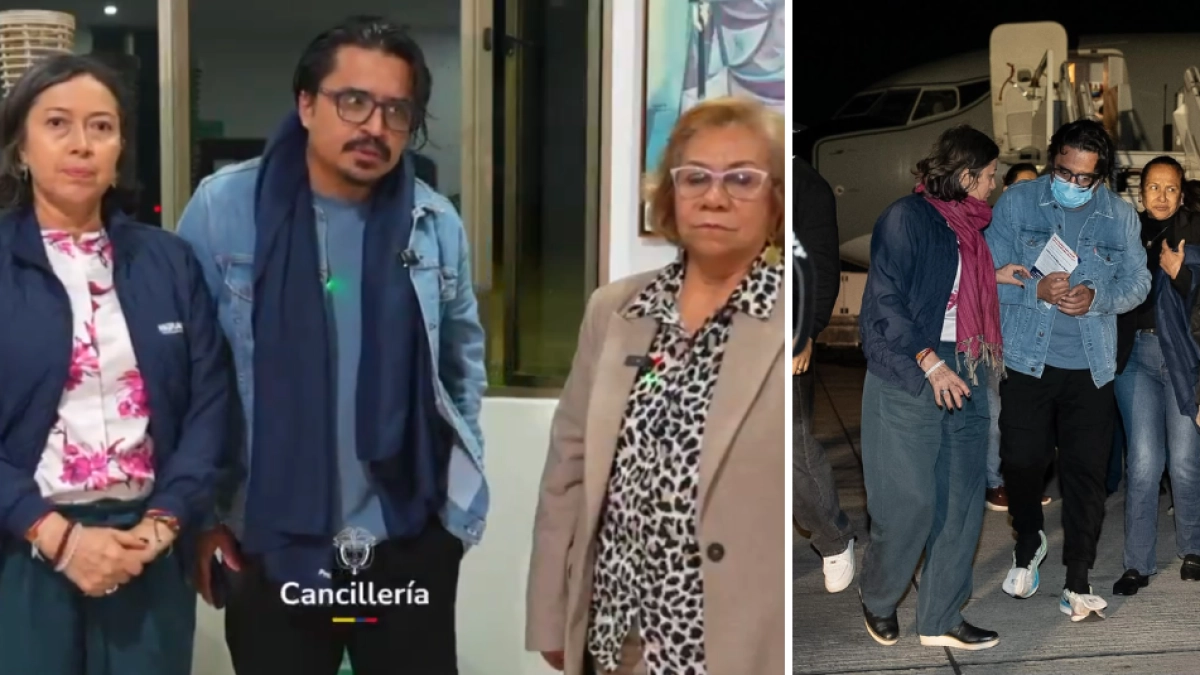
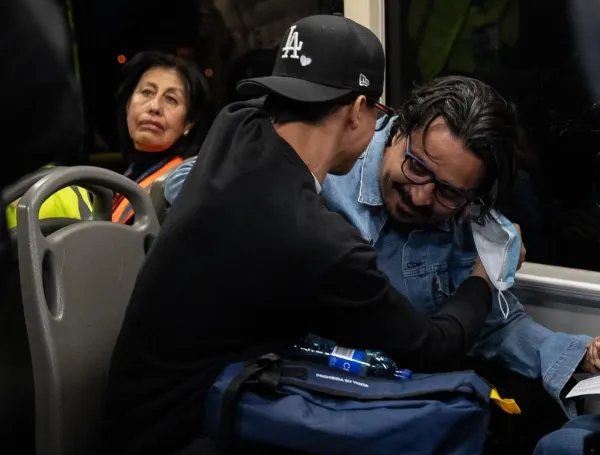
On the night of Thursday, July 16, 2026, the Colombian political activist and social media commentator Franklin Humberto "Beto" Coral arrived in Bogotá aboard a humanitarian flight operated by the Colombian Aerospace Force (FAC). His return marks the culmination of a high-profile detention case in the United States, which has sparked intense debate regarding the treatment of foreign nationals within the U.S. immigration system, the limits of political activism, and the reach of consular protection for Colombian citizens abroad. Coral, who was detained by U.S. Immigration and Customs Enforcement (ICE) roughly one month prior to his deportation, maintains that his detention was a direct result of bureaucratic inconsistencies rather than illegal activity.
A Chronology of the Detention and Expulsion
The circumstances surrounding Beto Coral’s detention represent a contentious intersection of U.S. immigration policy and international diplomatic relations.
The 2015 Arrival and Subsequent Legal Status
According to records and statements provided by both the activist and his legal team, Coral entered the United States legally in 2015. Since 2016, he has maintained a pending asylum application—a status that typically allows foreign nationals to remain in the country while their claim is adjudicated. During his time in the U.S., Coral became a prominent, albeit polarizing, voice on social media, often utilizing his platform to critique the Colombian political establishment and engage in advocacy work.
The ICE Operation
Approximately one month before his repatriation, agents from the U.S. Immigration and Customs Enforcement (ICE) conducted an operation that led to Coral’s arrest. The U.S. Department of Homeland Security (DHS) categorized the arrest as a standard enforcement action, asserting that Coral’s visa had expired and that he was residing in the country without valid authorization, thereby labeling him an "illegal alien."

Coral and his supporters have consistently contested this characterization, arguing that his status as an asylum seeker should have protected him from such summary detention. The sudden nature of the operation left little room for public discourse, quickly transforming the incident from a private migration issue into a matter of significant interest for the Colombian government.
Official Responses and Diplomatic Maneuvers
The Colombian government treated the case with a high degree of urgency, utilizing state resources to facilitate the activist’s return.

The Role of the Colombian Embassy
On the morning of July 16, 2026, the Colombian Embassy in the United States released a formal communique confirming that Franklin Humberto Coral Garrido was scheduled to return to Colombia on a government-chartered aircraft. The embassy emphasized that, upon learning of his detention, they had activated all available consular assistance protocols.
The statement noted: "In exercise of its good offices, the Embassy maintained constant communication with the relevant U.S. authorities to accompany the process and ensure the respect of his rights." This reflects a broader commitment by the Colombian Foreign Ministry to provide protection to its nationals in accordance with the Vienna Convention on Consular Relations, even when those individuals are embroiled in complex legal battles with foreign governments.
Chancellor Rosa Villavicencio’s Statement
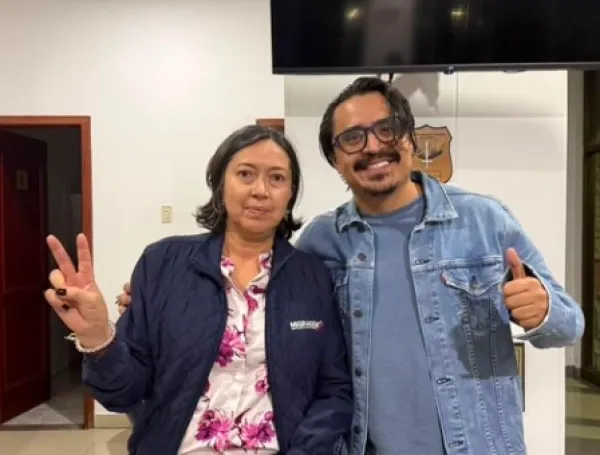
The arrival at the Catam (Military Air Transport Command) facility was highly publicized. Foreign Minister Rosa Villavicencio, who was present to receive the returnees, utilized her social media platform to voice strong concerns regarding the treatment of migrants.
"I have received Beto Coral this evening on flight 77 of the FAC, along with 76 other deported Colombians, including 11 children," the Chancellor wrote. "The stories of the mistreatment they receive in detention centers break my heart. We must work for a ‘Never Again’." Her statement underscored the systemic challenges faced by undocumented migrants, effectively framing the flight not just as a repatriation of a single individual, but as a humanitarian mission.

Implications for Migration Policy and Human Rights
The return of Beto Coral serves as a case study for the friction between national sovereignty and international human rights standards.
The "Never Again" Narrative
The Chancellor’s call for a "Never Again" policy suggests a shift in how Colombia intends to approach its citizens’ interactions with the U.S. immigration system. Critics of the current U.S. detention model often cite the lack of transparency, inadequate medical and psychological care, and the trauma inflicted upon families during the deportation process. By highlighting the presence of children on the flight, the Colombian government is positioning itself as a moral counterweight to the rigid enforcement policies currently employed by the U.S. Department of Homeland Security.
The Vulnerability of Political Activists Abroad
Coral’s case raises important questions about the safety of political activists who seek refuge in the United States. While the U.S. government maintains that its immigration laws are applied neutrally, critics argue that the detention of outspoken individuals—even under the guise of visa expiration—can be perceived as a tool to silence dissent or a failure to distinguish between administrative migration errors and genuine security threats.
Coral himself has remained notably reserved about the specific details of his time in custody. Upon his arrival in Bogotá, he informed the press that he would not be sharing the full details of his detention or the circumstances leading up to it, citing fears of potential retaliation against his family members who remain in the United States. This silence highlights the precarious position of immigrants who, even after being deported, feel the long shadow of the U.S. legal and security apparatus.
Supporting Data and Broader Context
To understand the significance of this event, one must view it within the broader landscape of the 2026 U.S.-Colombia relationship.
- Humanitarian Flights: The use of a Boeing 737 of the Colombian Aerospace Force (FAC) indicates the scale of the repatriation effort. Transporting 77 individuals in one operation suggests that the Colombian government is increasingly taking direct ownership of its citizens’ return, rather than relying solely on commercial carriers or U.S.-managed charter flights.
- Consular Burden: The Embassy’s mention of the "Vienna Convention" and "international law" serves as a reminder that the Colombian government is under immense pressure to prove its utility to its diaspora. With millions of Colombians residing abroad, the ability to protect them from arbitrary detention is a key metric of the current administration’s success.
- The Political Climate: The U.S. political landscape remains volatile, with debates over the integrity of electoral systems and immigration enforcement dominating the discourse. The fact that this incident occurred against a backdrop of wider geopolitical tensions—such as the reported concerns over foreign influence in U.S. elections—adds a layer of complexity to how the administration of justice is perceived internationally.
Future Outlook
As Beto Coral settles back into life in Colombia, the focus will likely shift to the long-term impact of his detention. Will this incident prompt a formal review of the consular cooperation between Bogotá and Washington? Will the U.S. government face increased pressure to provide more transparency regarding the detention of foreign nationals with pending asylum claims?

For now, the case remains a sobering reminder of the volatility of the migrant experience. While the Colombian government has secured the return of one of its most prominent activists, the broader issue of how international actors navigate the restrictive immigration policies of the United States remains unresolved. The "Never Again" sentiment expressed by Chancellor Villavicencio may well become a rallying cry for future diplomatic negotiations, as Colombia seeks to ensure that its citizens are treated with dignity, regardless of their legal standing in a foreign land.
The silence of Beto Coral, while strategic, also serves as a poignant closing note to this chapter. It highlights the fear that often accompanies the intersection of immigration enforcement and political life, suggesting that for many, the journey does not truly end when the plane lands; it merely transitions into a different, more complicated struggle for normalcy.