By International News Desk
Updated July 21, 2026
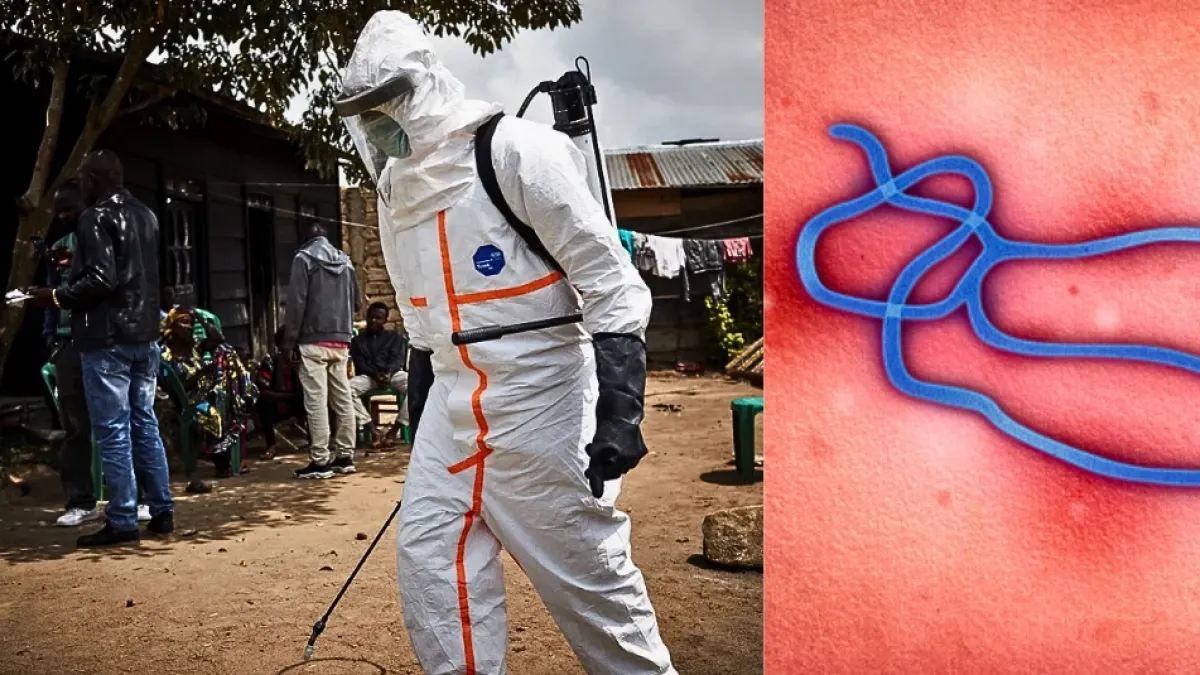
The Democratic Republic of the Congo (DRC) is currently grappling with one of the most challenging public health crises of the decade. On Tuesday, July 21, the Ministry of Communication and Media released a sobering update confirming that the death toll from the ongoing Ebola outbreak, which began on May 15, has climbed to 967. With 2,423 confirmed cases now recorded across five provinces, the situation has prompted urgent calls for international intervention and reinforced containment strategies.
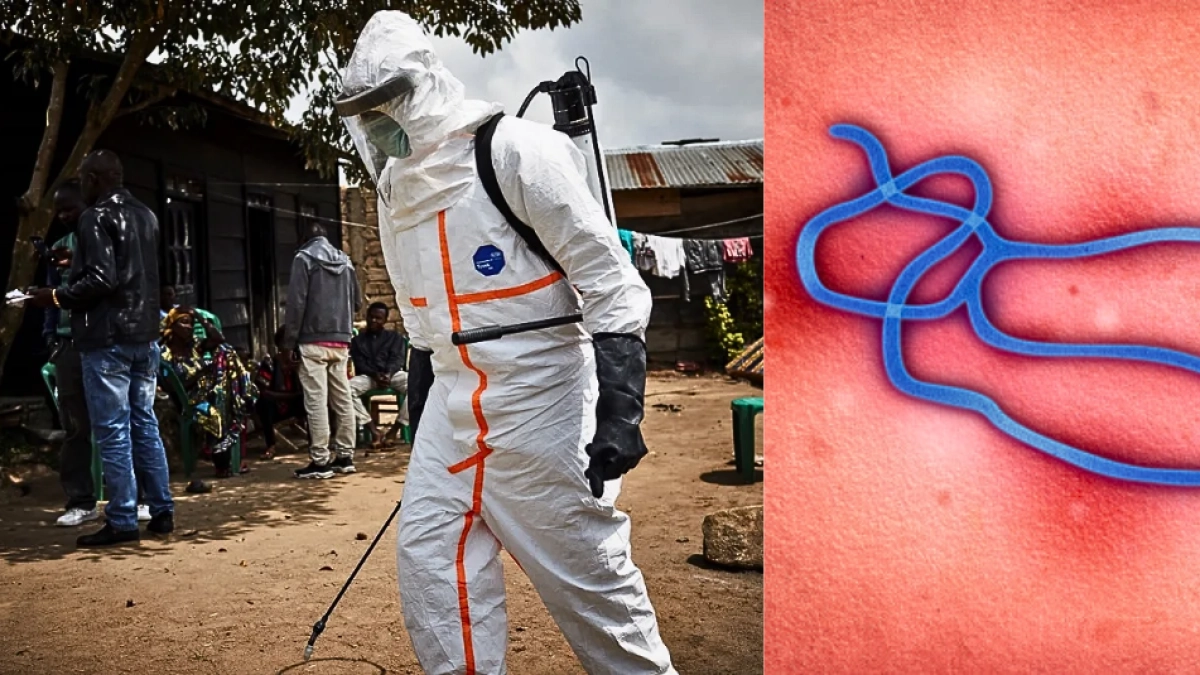
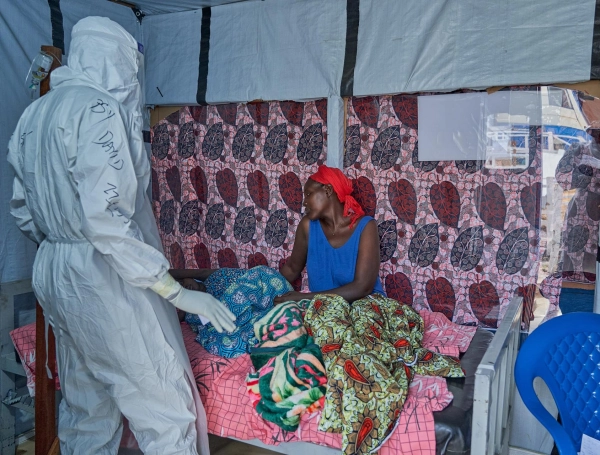
The latest data, compiled through July 19, paints a precarious picture for the Central African nation. The disease, characterized by its high mortality rate and rapid transmission, currently holds a lethality rate of 39.9 percent. While 469 individuals have successfully recovered, the burden on the healthcare system remains immense, with 734 patients still languishing in isolation wards and specialized treatment centers.
A Chronology of the Crisis
The current outbreak, which emerged in the eastern province of Ituri—a region already fraught with logistical challenges and regional instability—has spread with alarming speed. Since its official declaration on May 15, 2026, the virus has moved beyond its initial epicenter.

- May 15, 2026: The DRC Ministry of Health officially declares an Ebola outbreak in Ituri, neighboring both South Sudan and Uganda.
- Late May – June 2026: The virus gains a foothold in adjacent provinces, including Kivu del Norte, Kivu del Sur, Haut-Uele, and Tshopo.
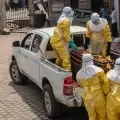
- June 20, 2026: Intensified medical operations are reported in Rwampara, Ituri, as frontline workers struggle to manage the surge in admissions.
- July 2, 2026: The scientific community begins urgent trials for experimental drugs targeting the Bundibugyo strain of the virus, acknowledging that results may take months to manifest.
- July 16, 2026: A glimmer of hope emerges from neighboring Uganda, which discharges its final patient after managing a spillover of 20 cases, 15 of which were imported from the DRC.
- July 21, 2026: Official death toll hits 967, sparking renewed concern regarding the efficacy of current surveillance measures.
Supporting Data and Epidemiological Challenges
The complexity of this outbreak lies in the specific strain of the virus involved: the Bundibugyo ebolavirus. According to the World Health Organization (WHO), this strain carries a lethality rate ranging between 30 and 50 percent. Unlike some previous outbreaks where established vaccines were available, this particular strain presents a clinical hurdle because there is currently no globally authorized vaccine or specific, widely available treatment protocol.
The government’s latest report highlights a significant gap in the “contact tracing” infrastructure. While the Ministry claims a success rate of 81.1 percent in tracking individuals who have been exposed to infected persons, the National Institute of Public Health (INSP) has publicly criticized this figure as "insufficient."

“The persistence of community transmission remains our primary obstacle,” an INSP spokesperson stated. “Unless we achieve near-total coverage in tracing and monitoring, the virus will continue to find pockets of the population to exploit.”
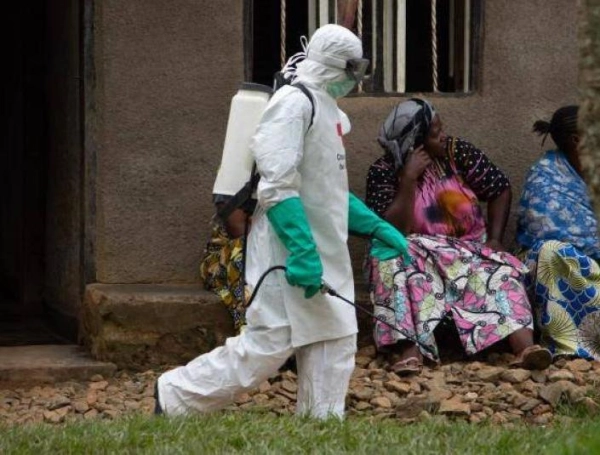
The geographical expansion of the virus into five separate provinces has stretched the country’s already fragile medical supply lines to their breaking point. Surveillance teams are now operating under high-pressure conditions to maintain oversight in remote areas, where lack of infrastructure often hinders the rapid transport of samples and the timely isolation of patients.
Official Responses and Strategic Failures
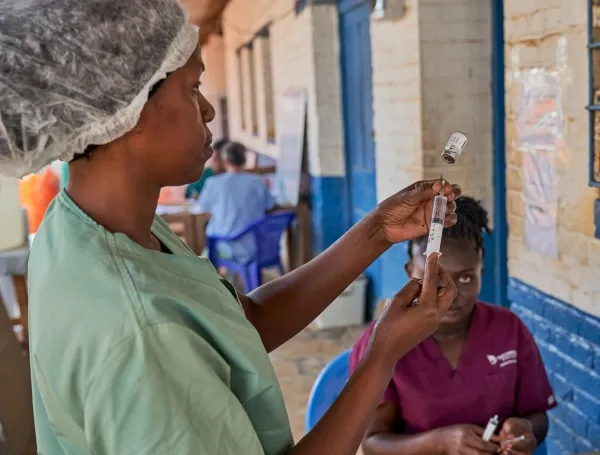
The government’s response, supported by international NGOs and the WHO, has focused on a three-pronged approach: clinical care, community surveillance, and public education. However, the transmission patterns suggest that the disease is outpacing these efforts.
Authorities have emphasized that the recent geographic spread necessitates a more aggressive intervention strategy. This includes establishing more mobile laboratories to expedite testing and increasing the number of community-based health workers who can conduct contact tracing in rural, hard-to-reach villages.
The WHO has maintained a "high risk" warning for the sub-Saharan region. While the global risk is currently categorized as low, the potential for cross-border movement remains a concern for health ministers across the African continent. The failure to curb the spread more effectively in the early stages has led to a re-evaluation of how international resources are allocated during the initial phase of an outbreak.
Comparative Context: A Historic Burden
To understand the severity of the current situation, it is necessary to place it within the historical context of the DRC’s battle with the virus. This outbreak marks the 17th time the DRC has faced Ebola.
- The West African Crisis (2014–2016): This remains the deadliest in history, claiming 11,000 lives from 28,000 cases. Its scale changed the global approach to pandemic preparedness.
- The Eastern DRC Outbreak (2018–2020): A devastating period that left 2,299 dead out of 3,481 cases.
- The 2026 Outbreak: While the total numbers are currently lower than the 2018–2020 crisis, experts warn that the rapid acceleration of the Bundibugyo strain makes it uniquely dangerous.
The current situation is now ranked as the third-worst in recorded history. The virus, which is transmitted through direct contact with the bodily fluids of infected individuals or animals, continues to cause severe hemorrhagic fever, vomiting, and internal bleeding. The speed at which it has moved across the eastern provinces has overwhelmed local clinics that were not designed to handle high-volume isolation protocols.
Implications for the Future
The trajectory of this outbreak carries profound implications for global health policy. First, the lack of a specialized treatment for the Bundibugyo strain highlights the need for accelerated R&D (Research and Development) funding for neglected tropical diseases. The fact that the medical community is still awaiting results from initial drug trials months into an outbreak underscores a systemic delay in responding to regional threats before they become uncontrollable.
Second, the success of Uganda in containing its spillover—effectively reaching the point where they are counting down the 42 days required to declare an end to the outbreak—demonstrates that strict border control and rapid contact tracing can work. However, this success is often contingent upon the stability of the healthcare system and the level of public trust in government health initiatives. In the DRC, where the outbreak is centered in a more volatile region, this level of coordination is harder to achieve.
As the death toll approaches the 1,000-mark, the international community is under pressure to increase its financial and logistical support. The WHO, alongside local health authorities, continues to urge for more transparency and community engagement to combat misinformation, which has historically hindered vaccination and containment efforts in the region.
The coming weeks will be critical. If the rate of transmission is not curbed through rigorous surveillance and localized lockdowns, the potential for the virus to migrate further into more densely populated urban centers remains a terrifying prospect for the region. For now, the people of the DRC remain on the frontlines of a battle against an invisible, relentless enemy, waiting for the scientific and medical interventions that could bring an end to this cycle of suffering.