By Pedro A. Sánchez
Reporting from the 2026 FIFA World Cup
As the 2026 FIFA World Cup reaches its exhilarating conclusion, the eyes of the global footballing community are fixed firmly on the United States. This Sunday, July 19, the iconic New York New Jersey Stadium in East Rutherford will play host to one of the most anticipated finals in sporting history: a clash of titans between Argentina and Spain. This fixture is more than just a battle for the most prestigious trophy in international football; it is a collision of two financial powerhouses, with a combined market valuation exceeding $2.32 billion.
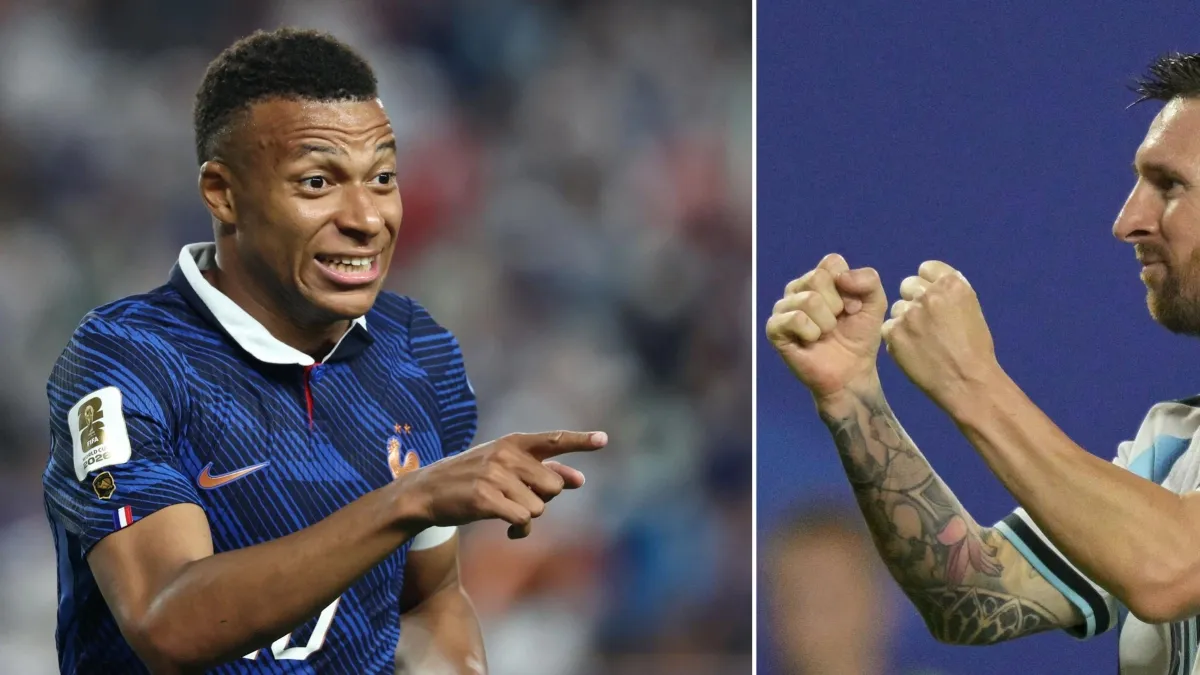
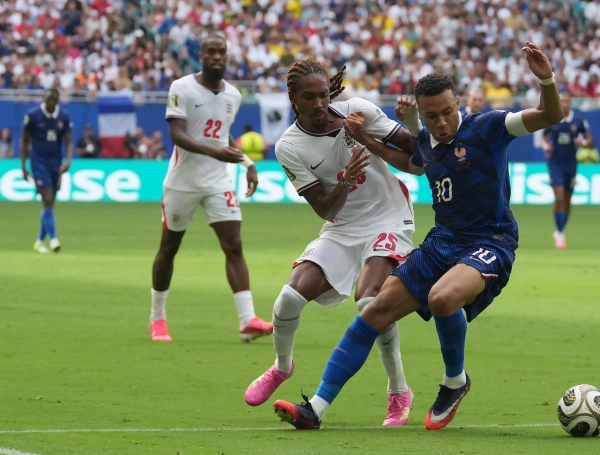
While the world waits for the grand finale, the tournament’s penultimate chapter will unfold this Saturday, July 18, in Miami, where France and England will compete for the third-place spot. Though both nations arrive at this fixture with heavy hearts following their semifinal exits, the match remains a stage for individual brilliance, particularly as the race for the Golden Boot reaches a fever pitch.
The Golden Boot Deadlock: A Statistical Tightrope
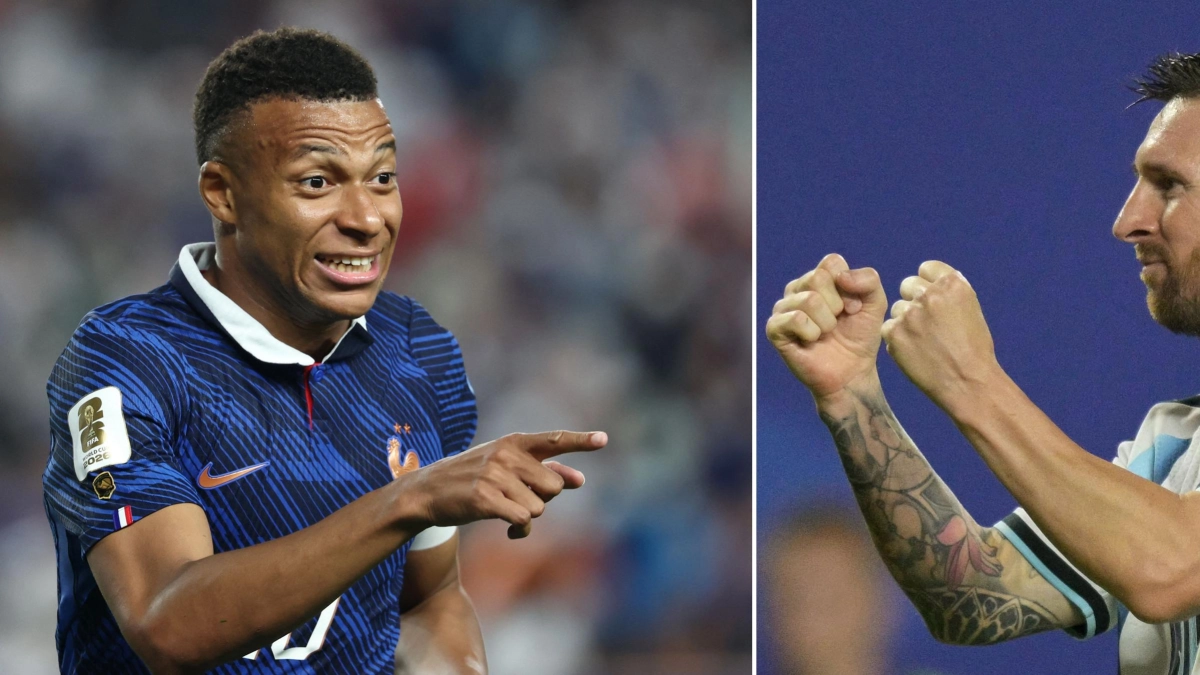
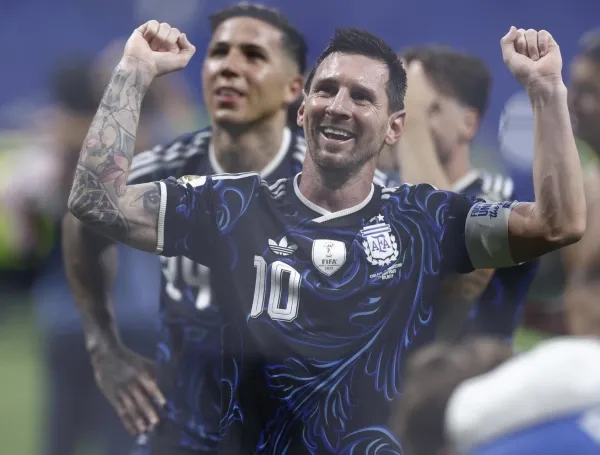
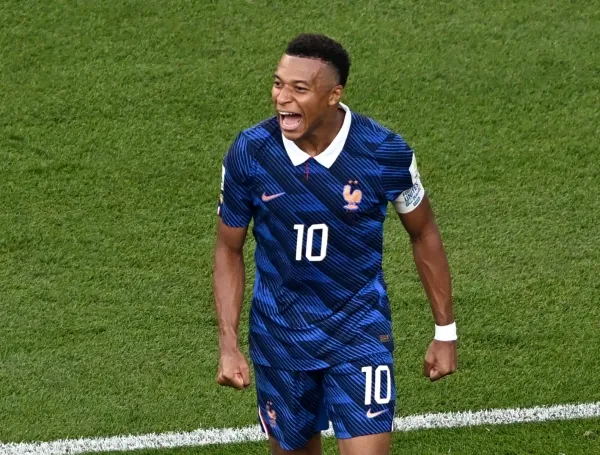
The race for the tournament’s top scorer has narrowed down to a captivating duel between two of the greatest players of the modern era: Argentina’s Lionel Messi and France’s Kylian Mbappé. Both superstars enter the final weekend of the tournament level on eight goals each, setting the stage for a dramatic tie-breaker scenario.

How FIFA Determines the Winner in Case of a Tie
Should both players finish the tournament with the same number of goals, FIFA has established a strict hierarchy of criteria to determine the recipient of the Golden Boot:
- Assists: This is the primary tie-breaker. The player with the highest number of assists throughout the tournament will be awarded the prize. Currently, Lionel Messi holds a distinct advantage, having provided four assists compared to Mbappé’s three.
- Minutes Played: If the number of assists remains identical after the final whistle of their respective matches, the second criterion comes into play: total minutes played. The award will go to the player who has logged the fewest minutes on the pitch, rewarding efficiency. As it stands, Kylian Mbappé has played ten minutes fewer than the Argentine captain.
This leaves the scenario wide open. If Messi remains at four assists and neither player adds to their goal tally, the Argentine would secure the trophy. However, a single decisive pass from Mbappé in the third-place match could shift the balance entirely, turning the race into a high-stakes calculation of time spent on the field.
A Historical Perspective: The "Bronze" Final as a Decider
Critics often dismiss the third-place playoff as a "consolation match," yet history tells a different story. Four times in the history of the FIFA World Cup, the battle for the bronze medal has been the decisive factor in crowning the tournament’s top scorer.
- 1938: Brazil’s Leônidas da Silva broke a deadlock for the top scorer award by netting two goals in the third-place match.
- 1990: Salvatore Schillaci cemented his legendary status for Italy by scoring in the bronze final to secure the top scorer honors.
- 1998: Davor Šuker proved the importance of the match for Croatia, using the fixture to distance himself from his rivals.
- 2010: Thomas Müller of Germany scored in the 3-2 victory over Uruguay, securing the Golden Boot through the assist tie-breaker, much like the scenario currently facing Messi and Mbappé.
The third-place match has historically been a high-scoring affair. The record remains the 1958 clash between France and Germany, where France’s Just Fontaine netted four goals to reach a staggering 13-goal tournament total. Furthermore, the match provided the fastest goal in World Cup history, when Turkey’s Hakan Şükür scored just eleven seconds into the 2002 bronze final against South Korea.
The Psychology of the Consolation Match
Beyond the pursuit of individual awards, the third-place match presents a unique psychological challenge. Coaches and players alike often struggle to find the motivation to compete mere days after the crushing disappointment of a semifinal exit.
"None of our players, nor the French players, want to play this consolation match," admitted England manager Thomas Tuchel following his team’s semifinal defeat to Argentina. This sentiment is echoed across the footballing world. For elite squads, this match can occasionally lead to a compounding of misery. A prime example occurred in 2014, when a shell-shocked Brazil, having suffered a historic 7-1 defeat to Germany, failed to recover emotionally and lost 3-0 to the Netherlands in the third-place playoff.
Conversely, for nations that reach the semifinals unexpectedly, such as Sweden in 1994 or Croatia in 1998, the bronze medal is often celebrated as a monumental achievement, fueling the players to perform with intensity despite the lack of a path to the final.
To incentivize high-level play, FIFA has increased the financial stakes. The third-place finisher will earn $29 million, a $2 million premium over the fourth-place prize. While professional pride remains the primary driver, the financial reward serves as a significant marker of the tournament’s overall investment.
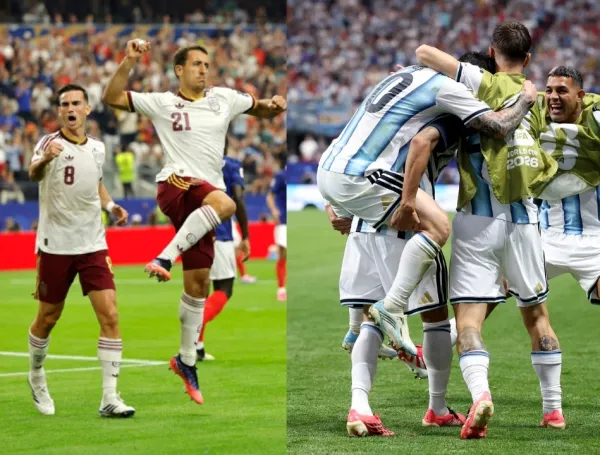
The Final Countdown: Argentina vs. Spain
The eyes of the world, however, will be on the New York New Jersey Stadium this Sunday. Argentina, led by the enduring brilliance of Lionel Messi, faces a rejuvenated Spanish side that has dominated through tactical discipline and possession-based football.
The Financial Scale of the Final
The market valuation of the two squads—surpassing $2.32 billion—highlights the immense depth of talent on display. This is a battle of philosophies: the fluid, technical precision of Spain against the clinical, veteran-led intensity of the Argentine squad.
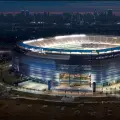
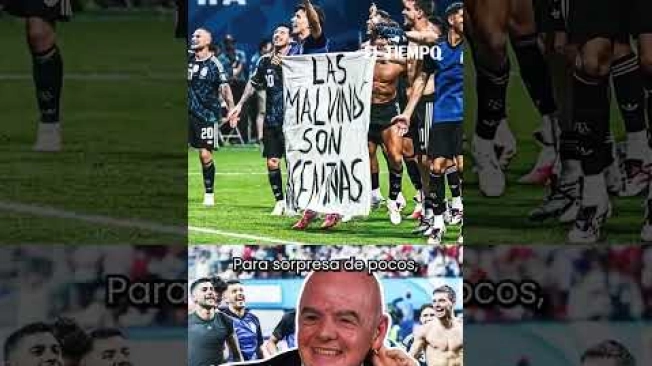
The stadium, located in East Rutherford, is prepared to accommodate a massive global audience. The event has already been marked by controversy, following the semifinal between Argentina and England, where a post-match display regarding the Malvinas (Falklands) Islands sparked intense debate. While the focus must remain on the pitch, FIFA’s disciplinary committee remains an omnipresent shadow, as they continue to review regulations regarding political displays in the wake of the incident.
Official Responses and Tournament Implications
FIFA President Gianni Infantino has signaled that this final will be one for the history books, with reports confirming that a unique, specially commissioned "Unique Ring" will be presented to the winning squad. This addition of a high-value ceremonial prize reflects FIFA’s commitment to making the 2026 tournament a landmark event in the sport’s history.
For the losing semifinalists, the tournament offers one last chance to salvage a sense of pride. For the finalists, it is the opportunity to etch their names into the bedrock of footballing history.
As the sun sets on the 2026 World Cup, the narrative remains fluid. Will Messi add the Golden Boot to a potential World Cup title, or will Mbappé’s speed and efficiency in the final stages allow him to snatch the individual honor? Will the final be a tactical masterclass or an explosive goal-fest?
The answers will arrive this weekend. From the high-pressure atmosphere of the third-place match in Miami to the global spectacle at the New York New Jersey Stadium, the 2026 World Cup promises to close its curtains with the same intensity that defined its opening weeks. As the world watches, one thing is certain: the legacy of these athletes is currently being written in real-time, and the history books are waiting for the final result to be etched into their pages.
Key Tournament Facts at a Glance:
- Third-Place Match: France vs. England | July 18, Miami.
- Final: Argentina vs. Spain | July 19, New York New Jersey Stadium.
- Golden Boot Status: Messi (8 goals, 4 assists) vs. Mbappé (8 goals, 3 assists).
- Third-Place Prize: $29 million for the winner; $27 million for the runner-up.
- Venue Capacity: The MetLife Stadium is expected to reach record-breaking attendance numbers for a football match in the United States.
This report was compiled with contributions from the EFE agency and the latest updates from FIFA’s tournament technical committee.