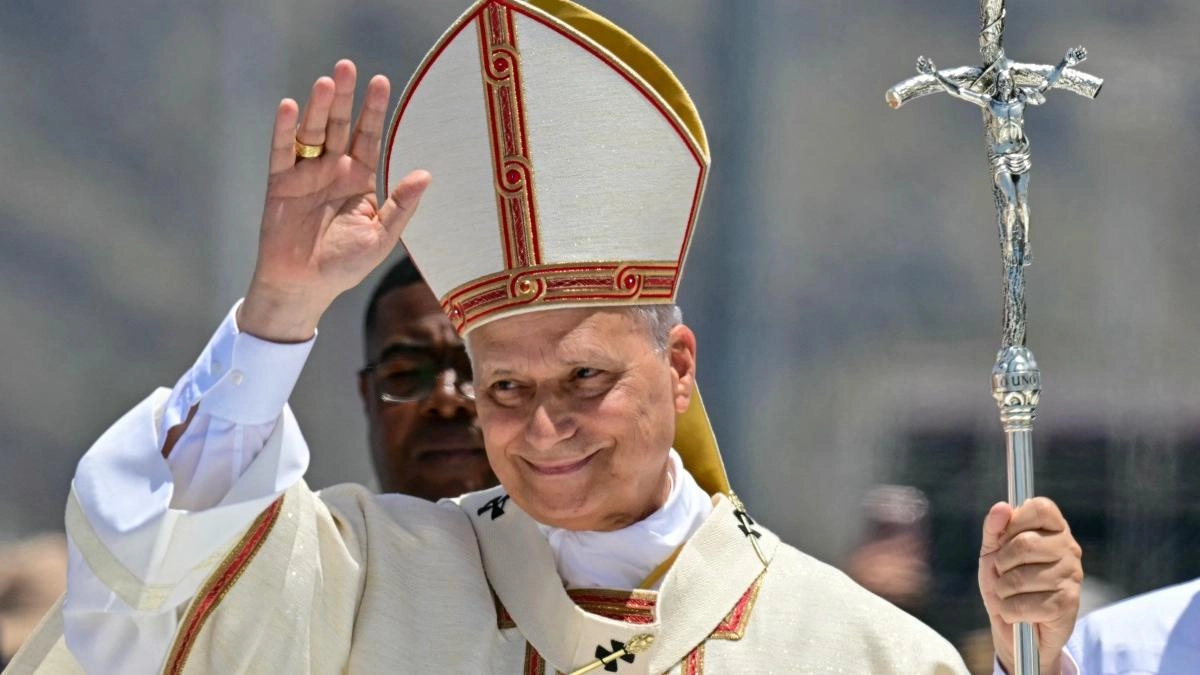
VATICAN CITY — In a comprehensive and deeply reflective apostolic letter published on Saturday, September 19, 2026, Pope León XIV called upon the episcopate of Latin America to strengthen their bonds with local communities, actively listen to their flocks, and safeguard the unity of the Church.
The missive was issued in commemoration of the third centennial of the canonization of Saint Toribio de Mogrovejo, the revered patron saint of bishops in Latin America. Against the backdrop of global preparations for his upcoming apostolic journey to France, the pontiff used the milestone to reflect on the nature of episcopal service, drawing extensively from his own more than two decades of missionary and episcopal experience in Peru.
The publication of the letter marks a significant moment in León XIV’s papacy, reinforcing his vision of a decentralized, compassionate Church that remains deeply connected to the realities of marginalized populations while maintaining doctrinal and structural cohesion.
Main Facts
The apostolic letter, released by the Holy See on September 19, 2026, centers on several core directives for Latin American bishops:
Commemoration of Saint Toribio: The document honors the 300th anniversary of the canonization of Saint Toribio de Mogrovejo, a Spanish-born prelate who served as the Archbishop of Lima and became a foundational figure for the Church in the Americas.
A Call to Proximity: Pope León XIV urged bishops to leave behind bureaucratic comforts and actively engage with their communities, emphasizing that the ministry of a successor to the apostles requires "living with the heart in heaven and the feet on the road."
Defense of Church Unity: The pontiff warned against ideological divisions and external pressures attempting to shape the consciences of the faithful, asserting that bishops must provide clear, patient, and unifying teaching.
Clerical and Seminarian Care: The pope instructed bishops to foster open, trusting relationships with their priests—ensuring that presbyters do not only approach their superiors when problems arise—and to place special emphasis on the formation of seminarians.
The Example of Regional Saints: The document highlights a lineage of Latin American and Hispanic holy figures—including Óscar Romero, Antonio María Claret, and Eduardo Pironio—as a vital "school of pastors" born from the continent’s distinct ecclesial history.
Chronology: From Missionary Roots to Papal Guidance
The trajectory leading to the publication of this letter spans centuries of ecclesiastical history, intertwined with the personal biography of the current pontiff:
16th to 17th Centuries (The Era of Saint Toribio): Saint Toribio de Mogrovejo travels from Spain to the Viceroyalty of Peru. As Archbishop of Lima, he traverses vast, difficult terrains on foot to visit his flock, catechize indigenous populations, and organize provincial councils, cementing his legacy as a model of pastoral charity.
1726 (Canonization): Pope Benedict XIII formally canonizes Toribio de Mogrovejo, elevating him to sainthood and establishing his enduring patronage over the Latin American episcopate.
Late 20th to Early 21st Centuries: The future Pope León XIV spends over 20 years living and working in Peru as both a missionary priest and a bishop. During this tenure, he forms a profound spiritual connection with the legacy of Saint Toribio and the daily struggles of the Andean faithful.
September 19, 2026: Pope León XIV officially promulgates his apostolic letter dedicated to the Latin American episcopate, blending historical reflections on Saint Toribio with urgent contemporary directives for Church governance.
Late September 2026: Following the release of the document, Vatican officials confirm that the pontiff is finalizing preparations for his upcoming pastoral visit to France, signaling an active autumn schedule focused on European and global Catholic affairs.
Supporting Data and Contextual Insights
The papal letter is underpinned by a rich framework of regional ecclesiastical history and contemporary pastoral strategy. By invoking specific historical figures, Pope León XIV established a continuous line of spiritual lineage tailored to the Latin American context.
The Pantheon of Latin American Holiness
In his text, the pontiff explicitly instructed bishops to familiarize their flocks with the lives of regional saints and blesseds. This list serves as a theological and cultural map of the Church’s evolution in the Americas:
Saint Óscar Romero (El Salvador): Symbolizes the defense of human rights and the voice of the voiceless amidst political oppression.
Saint Antonio María Claret (Cuba/Spain): Represents tireless missionary zeal and social reform.
Saint Ezequiel Moreno (Colombia/Spain) and Saint Rafael Guízar (Mexico): Exemplify pastoral resilience during times of persecution and revolution.
The Beatified Figures: Including Juan de Palafox, Jacinto Vera (Uruguay), Mamerto Esquiú and Enrique Angelelli (Argentina), Jesús Jaramillo (Colombia), and Eduardo Pironio (Argentina).
According to the pope, these figures form an indigenous "school of pastors" demonstrating that holiness adapts creatively to the changing historical circumstances of the continent.
Official Responses and Excerpts from the Papal Missive
The release of the letter has generated widespread commentary among theologians, regional bishops, and Vatican analysts. The emotional core of the document relies heavily on the pontiff’s personal reminiscences of his time in South America.
"There I came to know closely the faith of a people from whom I received much and better understood what it means to be a shepherd," Pope León XIV wrote, reflecting on his decades in Peru. "That experience brought me in a particular way close to Saint Toribio, who also arrived from afar to a land that he ended up making his own through pastoral charity."
Addressing the structural temptations faced by high-ranking clergy, the pope issued a stark warning regarding administrative isolation:
"The abandonment of the flock can begin long before a visible flight, when comfort, fear, or one’s own interests weigh more than the good of the faithful."
On the matter of doctrinal coherence and authority within local churches, the pontiff emphasized the unique burden borne by bishops:
"In a time when so many voices claim authority over the conscience of the faithful, it is up to the bishop to offer clear, patient teaching rooted in that communion, to help his people recognize the voice of the único Pastor."
Furthermore, León XIV did not neglect the internal well-being of the presbyterate. He urged prelates to break down barriers between the chancery and the parish:
"May no priest feel that he can only approach his bishop when there is a problem to resolve… Reserve always the necessary time to listen to the Word and carefully prepare the way to offer it to our people."
Implications for the Global Church
The apostolic letter carries profound implications not only for Latin America but for the universal Church under the pontificate of León XIV.
1. Reaffirming Decentralization and Inculturation
By grounding contemporary episcopal duties in the specific historical example of Saint Toribio and modern Latin American blesseds, the pope reinforces the principle of inculturation—the idea that the Gospel must take root within the distinct cultural and social matrices of local regions rather than being imposed through a monolithic European lens.
2. Combating Clerical Isolation
The explicit instructions regarding the relationship between bishops and priests address a persistent structural challenge within Catholicism: the growing distance between diocesan leadership and working clergy. By demanding that bishops remain accessible outside of crisis management, the pope advocates for a more fraternal, less bureaucratic model of governance.
3. Navigating Ideological Polarization
In addressing the "many voices" that claim authority over the conscience of believers, the letter touches upon the intense ideological fragmentations currently affecting Catholic communities worldwide—both in the Global South and the West. The remedy proposed by León XIV is not reactionary enforcement, but patient, dialogic teaching rooted in ecclesial communion.
As Pope León XIV turns his immediate attention toward his upcoming voyage to France, this letter stands as a foundational text of his governance style: pastoral, deeply informed by grassroots missionary experience, and relentlessly focused on the spiritual integrity of the shepherd’s office.
By Pedro A. Sánchez | Updated: July 4, 2026 The tranquil waters of the Pacific were interrupted by a wave of illness this week as the Ruby Princess, a cruise ship operated by Princess Cruises,…
BOGOTÁ, COLOMBIA — In celebration of the upcoming World Animal Day on October 4, media outlets around the globe are preparing special programming, features, and tributes to highlight the vital role that animals play in…
By VIDA Sub-Desk Published: September 13, 2026 For centuries, cats have maintained a reputation as enigmatic, emotionally distant creatures. Unlike dogs, whose loyalty and comprehension are constantly on display through tail wags, eager greetings, and…