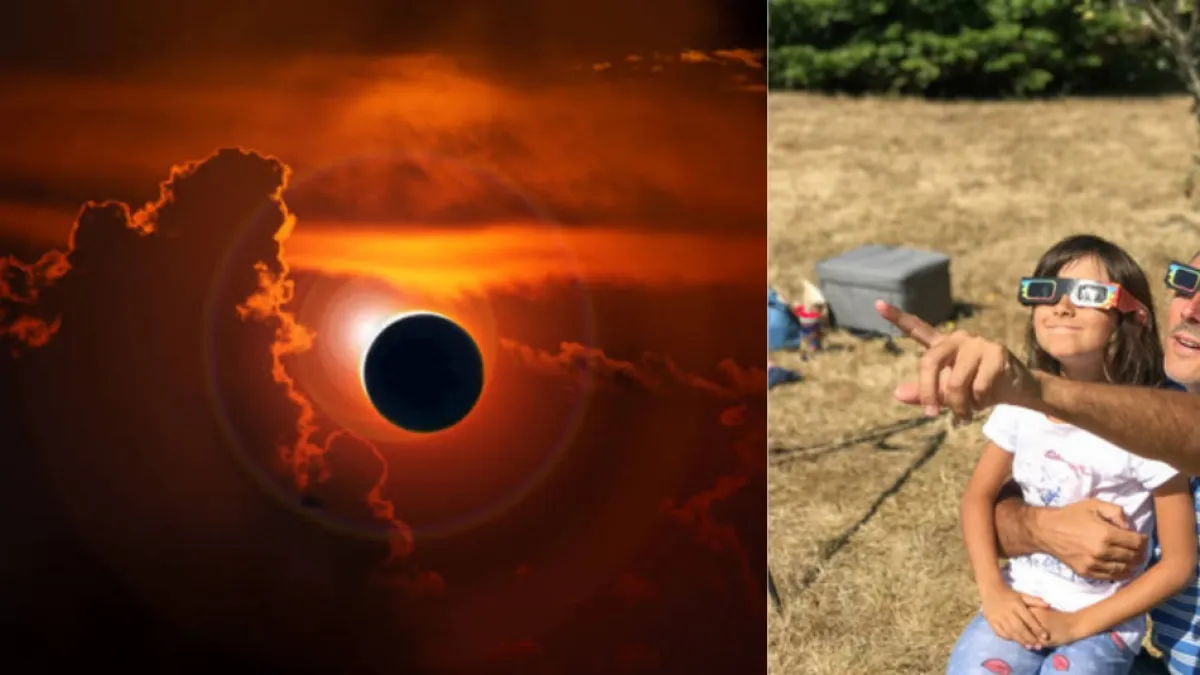
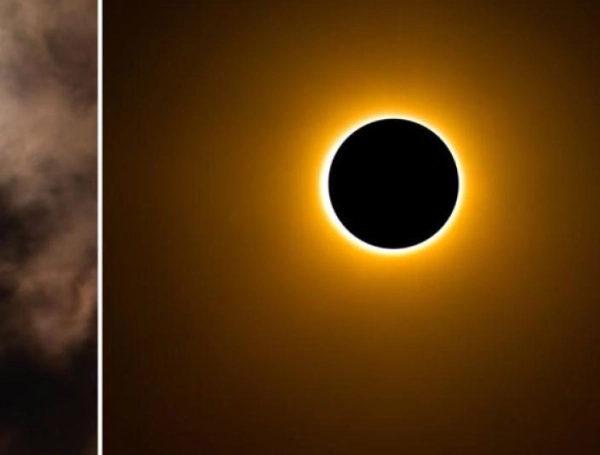
The cosmos is preparing to stage one of its most awe-inspiring displays. On August 12, 2026, the Moon will align perfectly between the Earth and the Sun, casting a deep, celestial shadow across a significant portion of the Northern Hemisphere. This total solar eclipse—a rare astronomical phenomenon where the Sun is completely obscured for a brief period—is already generating intense anticipation among scientists, travel enthusiasts, and amateur stargazers alike.
While the spectacle will provide a profound sense of wonder for those in its path, the event serves as a stark reminder of the precision and clockwork nature of our solar system. According to data provided by NASA and global astronomical observatories, this event will be particularly notable for its trajectory across high-latitude regions and parts of Europe, marking a significant moment in the calendar of 2026.
The Path of Totality: Where Day Will Turn to Night
The "path of totality" is the narrow corridor on Earth where the Moon completely blocks the Sun’s disk. On August 12, 2026, this path will traverse remote and scenic locations, including parts of Greenland, Iceland, the northern reaches of Russia, and the vast expanse of the North Atlantic. Furthermore, the shadow will sweep across Spain and the extreme northwestern tip of Portugal, providing a rare opportunity for millions in these regions to experience a total eclipse.
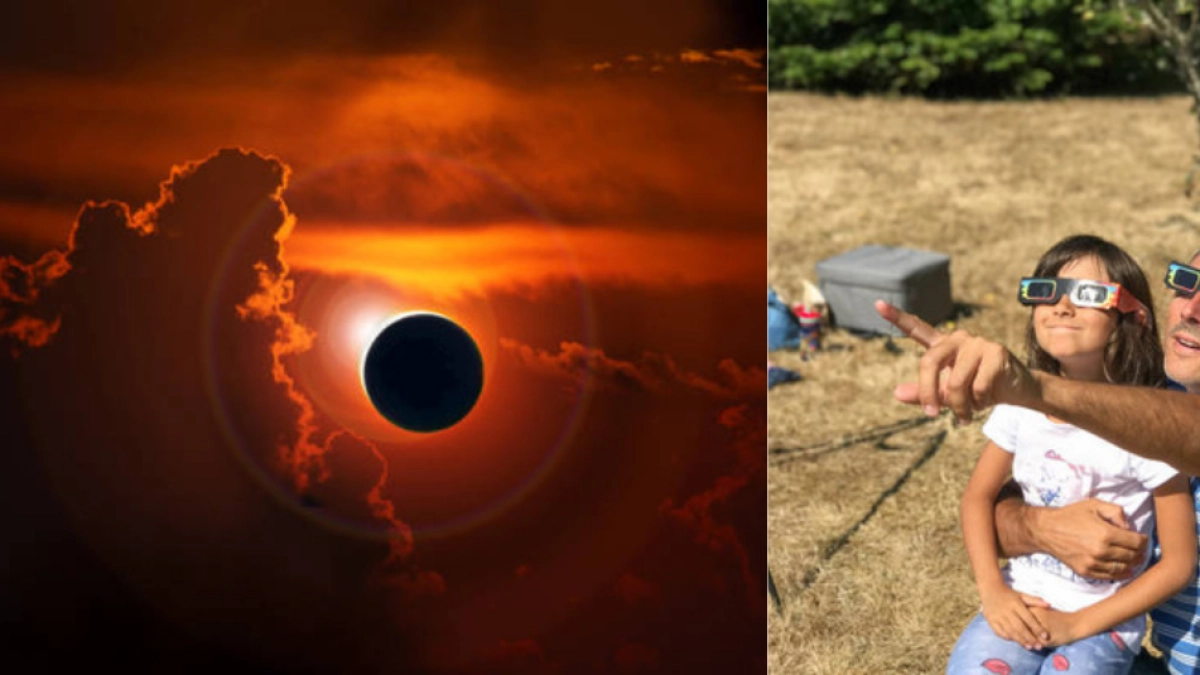
For those situated within this path, the experience will be transformative. As the Moon moves to cover the Sun, the sky will darken as if it were dusk or dawn, temperatures will drop, and the solar corona—the Sun’s outer atmosphere, usually invisible to the naked eye—will shimmer into view as a ethereal, pearly halo.
A Global Experience: Beyond the Totality
While only a specific band of the globe will witness the "total" eclipse, a vast region encompassing most of the Northern Hemisphere will be treated to a partial solar eclipse. This includes parts of the United States (from Alaska to North Carolina), the majority of Canada, large swaths of Europe, and the northwestern corner of Africa.
In these areas, the Moon will appear to take a "bite" out of the Sun. While the sky may not darken completely as it does during a total eclipse, the crescent-shaped Sun will provide a unique observational opportunity for those equipped with the proper solar filters.

Chronology of the Event: A Precise Timeline
The duration of the totality is exceptionally brief. For most observers, the Sun will be completely obscured for less than two minutes. However, for those positioned near the center of the path—specifically in Greenland, the North Atlantic, or northern Russia—the darkness will persist for slightly longer, though still shy of the two-and-a-half-minute mark.
Key Local Times for Major Cities
The eclipse will unfold according to local time zones, creating a cascading sequence of events across time zones.
In Spain:
- León: The partial phase begins at 7:32 p.m., with the much-anticipated totality reaching its peak between 8:28 p.m. and 8:30 p.m.
- Valencia: The event commences at 7:38 p.m., with totality occurring between 8:32 p.m. and 8:33 p.m.
- Zaragoza: Residents can expect the partial phase to start at 7:34 p.m., with the total obscuration taking place from 8:29 p.m. to 8:30 p.m.
In Iceland:
- Reykjavik: The partial phase is slated to begin at 4:47 p.m., with the total eclipse reaching its maximum between 5:48 p.m. and 5:49 p.m.
Partial Coverage Highlights:
- Madrid: The eclipse will reach a 99% obscuration at 8:32 p.m., ending at 9:16 p.m.
- Barcelona: A 99% coverage is expected at 8:29 p.m., with the event concluding at 8:54 p.m.
- London: The peak of the partial eclipse (91%) will occur at 7:13 p.m.
- Paris: Observers will see 92% coverage at 8:17 p.m.
- Lisbon: The city will experience 95% coverage at 7:36 p.m.
Across North America, the eclipse will occur much earlier in the day, with cities like New York (1:07 p.m. start), Boston (1:01 p.m.), and Toronto (12:55 p.m.) experiencing partial coverage ranging from 8% to 31%.
The Science of Observation: Safety Protocols
NASA and the global scientific community emphasize that safety is paramount when viewing an eclipse. Looking directly at the Sun—even during a partial eclipse—can cause permanent retinal damage.
The Non-Negotiable Rule of Solar Filters
The only safe way to view the Sun is through specialized solar eclipse glasses or handheld solar viewers that comply with the ISO 12312-2 international standard. It is critical to note that standard sunglasses, regardless of their darkness or UV protection rating, are entirely insufficient to protect the human eye from the concentrated intensity of solar radiation.
Optics and Equipment
The danger is amplified when using optical aids. One must never look at the Sun through cameras, telescopes, or binoculars while wearing eclipse glasses. The concentrated light can melt the filter and cause immediate, severe eye injury. For those wishing to photograph or magnify the event, a professionally certified solar filter must be securely attached to the front of the lens or aperture of the device.

Indirect Observation Methods
If you do not have access to certified glasses, you can still participate in the event through indirect observation:
- The Pinhole Projector: Create a small hole in a piece of stiff cardboard and project the Sun’s image onto a secondary surface, such as a piece of white paper, while standing with your back to the Sun.
- Natural Projection: Observe the ground beneath leafy trees. The small gaps between leaves act as natural pinhole projectors, casting hundreds of small crescent-shaped shadows of the eclipsing Sun on the ground.
Official Perspectives and Scientific Significance
Astronomers view total solar eclipses as more than just a public spectacle; they are vital opportunities for research. During the brief moments of totality, the Sun’s corona becomes visible. Because the corona is millions of degrees hotter than the Sun’s surface, yet significantly dimmer, it is impossible to study in detail without the natural occultation provided by an eclipse.
NASA continues to use these events to model the Sun’s magnetic field and solar wind patterns, which have profound implications for our understanding of "space weather." Intense solar activity can affect satellite communications, GPS navigation, and power grids on Earth. By studying the corona during these rare moments, scientists refine the predictive models that protect our modern technological infrastructure.

Implications for Global Travel and Culture
The 2026 eclipse is expected to draw thousands of travelers to the "path of totality." Cities in Northern Spain and regions of Iceland are already preparing for an influx of tourists, astronomers, and photographers. The cultural impact of such an event is profound; it serves as a unifying experience that reminds humanity of our place in the cosmos.
However, observers in regions like Colombia have been advised by space agencies that the eclipse will not be visible from their territory. This highlights the geographic specificity of celestial mechanics—a stark contrast to the interconnectedness of our digital world, where the event will be livestreamed, allowing the entire planet to share in the experience simultaneously.
Conclusion
The solar eclipse of August 12, 2026, is a testament to the clockwork elegance of our universe. Whether you are in the path of total darkness or a region experiencing a partial eclipse, the event offers a chance to pause and look upward. By adhering to strict safety guidelines and utilizing the proper equipment, observers can ensure that this astronomical milestone is a memory that lasts a lifetime, rather than a health risk. As the date approaches, the world remains in anticipation, waiting for the moment when the Moon finally claims the Sun’s light, casting a fleeting, silent shadow over the Earth.