Analysis by Edwin Caicedo, Environmental & Health Correspondent
The uncertainty that once shrouded the arrival of the El Niño phenomenon has dissipated. It is no longer a question of if it will arrive, but rather how devastating its impacts will be. As climatologists monitor the Pacific, a chilling consensus has emerged: Colombia is bracing for an episode of such intensity that it threatens to push the nation’s infrastructure, economy, and social stability to their breaking points. With forecasts suggesting the event could persist until early 2027, the country finds itself at a precarious intersection of improved monitoring and persistent, deep-seated systemic weaknesses.
The Impending "Super El Niño": A Climate Crisis Unleashed
The National Oceanic and Atmospheric Administration (NOAA) confirmed on July 13, 2026, that the conditions for El Niño are fully established. Surface temperatures in the central and eastern equatorial Pacific are significantly above historical averages, and atmospheric patterns have aligned in a way that suggests a rapid and violent intensification.
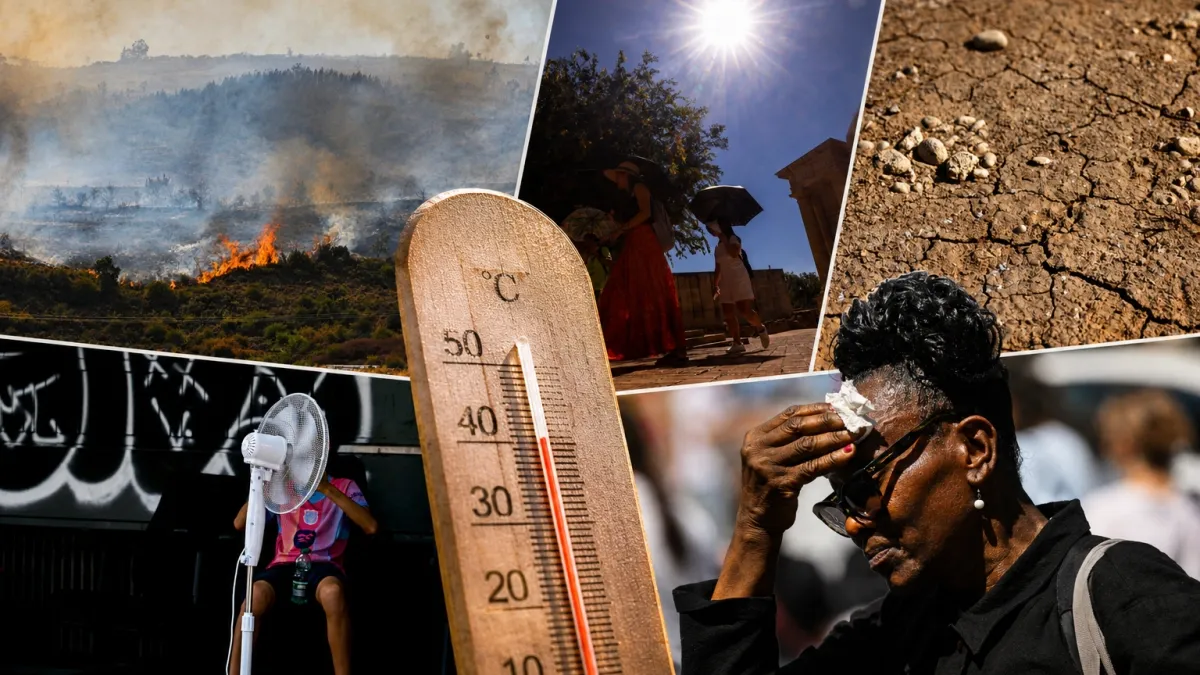
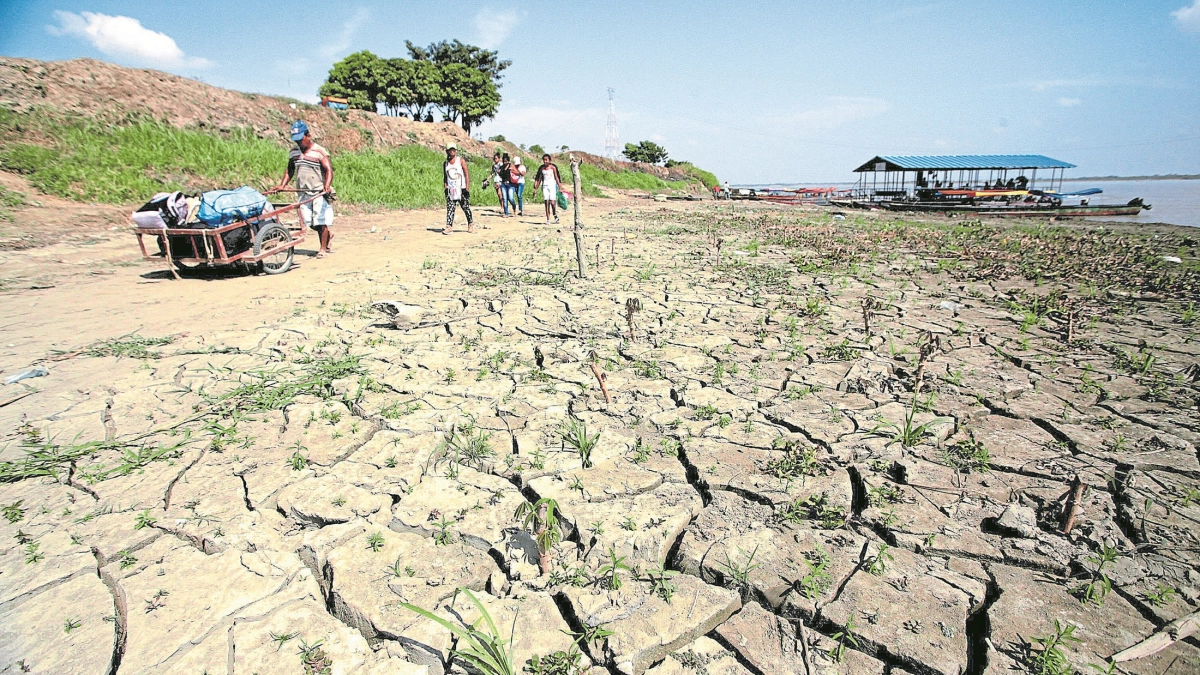
Most alarming is the speed of this shift. Benjamín Quesada, director of the Earth Sciences Program at the University of the Rosario, notes that the rate at which the Pacific has warmed is unprecedented in the last 75 years. "We are facing a phenomenon that is startling even to those who study it," Quesada explains. In a global context where five degrees of temperature change typically occur over thousands of years, the current decadal warming represents a terrifying acceleration. For Colombia, this means the distribution of rainfall will be severely disrupted, leaving the country susceptible to extreme droughts, forest fires, and a potential collapse of critical resource management systems.

Chronology of a Developing Threat
The trajectory of this phenomenon is not a sudden surprise, but a culmination of sustained environmental changes:
- Early 2026: NOAA records show a steady increase in Pacific sea surface temperatures.
- April 2026: Positive anomalies strengthen in the central and eastern Pacific, signaling that the "energy engine" of the climate system is gathering power.
- July 2026: Official confirmation of the phenomenon. Experts warn of a 97% probability that El Niño will last through the spring of 2027.
- Q4 2026 (Forecast): An 81% probability exists that the event will escalate into a "Super El Niño," reaching peak intensity between October and December.
- 2027 Projection: The phenomenon is expected to remain active well into the first quarter of 2027, compounding the strain on national water and energy reserves.
Supporting Data: The Anatomy of Risk
The potential for disaster is quantified by several key indicators that keep risk management experts awake at night.

1. Energy Dependency and the Hydrological Trap
Colombia’s energy matrix remains dangerously tethered to water. Approximately 65% of the nation’s electricity is generated by hydroelectric plants. During severe droughts, reservoir levels plummet, forcing the system to pivot toward thermal power plants fueled by natural gas and coal. In past crises, thermal generation spiked to cover 60% of demand. Today, however, the country faces a tighter market for gas, raising questions about whether supply can keep pace with demand without triggering catastrophic price hikes or energy rationing.
2. The Fire Threshold
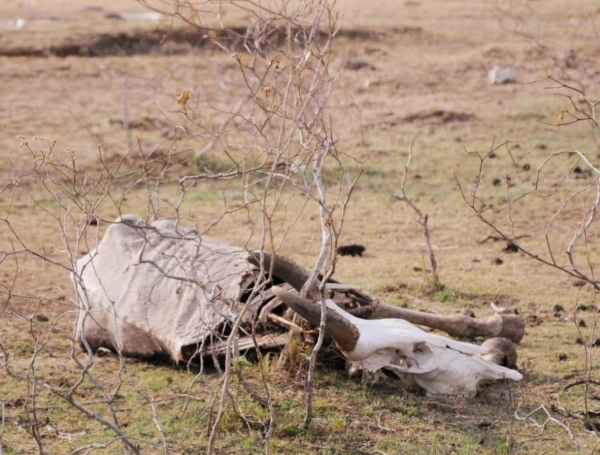
The increase in temperature is a global trend, but its local manifestation in Colombia creates a perfect storm for forest fires. Data from late 2025 indicated over 4,100 forest fires, a threefold increase from previous years. As the current "Super El Niño" sets in, the lack of precipitation combined with high ambient heat turns forests into tinderboxes. The risk is not limited to drought-prone regions but extends across the entire national territory.
3. Food Insecurity
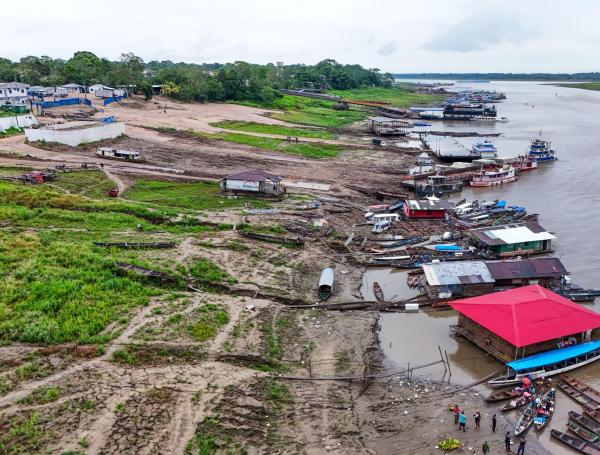
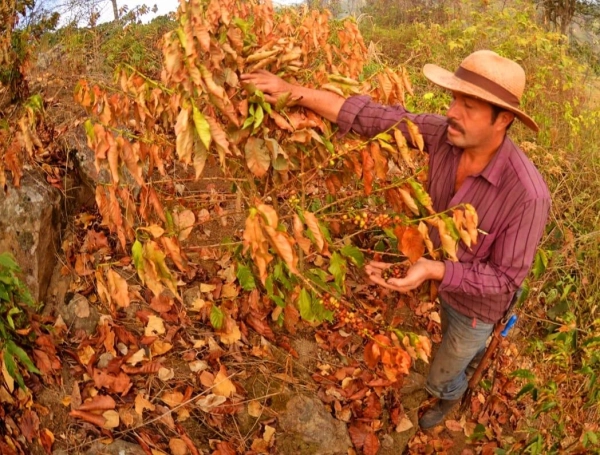
The agricultural sector, already grappling with the volatility of climate patterns, faces a severe threat. Current reports suggest that 12 million people in Colombia are experiencing moderate to severe food insecurity. A prolonged drought will inevitably exacerbate this, particularly in regions like La Guajira, Chocó, and the Caribbean coast, where poverty and climate vulnerability intersect.
Institutional Fragility: The Challenge of Governance
A significant layer of complexity is the current state of the National Unit for Disaster Risk Management (UNGRD). Following high-profile corruption scandals, the incoming administration of President-elect Abelardo de la Espriella has proposed a total reorganization of the agency.
Juan Carlos Orrego, former subdirector of the UNGRD and current head of the "Colombia sin Desastres" Corporation, warns that while institutional reform is necessary, it must not come at the expense of operational continuity. "We cannot allow political agendas to derail technical preparedness," Orrego states. The agency is currently tasked with a dual burden: managing the lingering recovery from the recent cold front while simultaneously preparing for the massive logistical challenges of an impending drought. The risk is that the transition period will leave the country with a "hollowed-out" disaster response apparatus exactly when it is needed most.
Implications: Can Colombia Withstand the Pressure?
The overarching question is whether the lessons of 2023-2024 will be enough to prevent a recurrence of the water rationing that plagued Bogotá and other major cities.
The Learning Curve
David Celeita, a professor of engineering at the University of La Sabana, acknowledges that monitoring systems have improved. "What can be measured can be improved," he notes, emphasizing that better data coordination between regional authorities and the national government is the country’s strongest asset. Citizens are also more aware of the necessity of conservation, which could help buffer the impact on municipal water supplies.
The Structural Deficit
However, experts agree that improved awareness is not a substitute for infrastructure. Colombia suffers from:

- Transmission Bottlenecks: Even if energy is produced, the grid struggles to distribute it efficiently across mountainous terrain.
- Lack of Diversification: The reliance on large-scale hydro must be balanced with more decentralized, resilient renewable energy sources.
- Infrastructure Obsolescence: Many of the country’s water storage facilities and distribution pipes are aging and cannot handle the strain of extreme climate cycles.
Conclusion: A Call for Anticipation, Not Reaction
The defining lesson of the last few years is that waiting for a crisis to arrive before acting is a luxury Colombia can no longer afford. The "Super El Niño" is not merely a meteorological event; it is a stress test for the nation’s entire socio-economic structure.
To mitigate the worst impacts, the government must move beyond reactive policies. This requires a three-pronged strategy:
- Immediate Infrastructure Strengthening: Fast-tracking repairs to water storage and grid stability.
- Decentralized Energy: Incentivizing smaller, localized renewable projects to reduce reliance on the main hydro-dependent grid.
- Unified Crisis Management: Ensuring that the transition of the UNGRD is seamless, prioritized, and insulated from political friction.
The clock is ticking. As the Pacific warms, Colombia stands at a crossroads. The country possesses the knowledge and the experience to navigate this crisis, but it remains to be seen if it has the political will and the structural resilience to turn that knowledge into effective, life-saving action. For the millions who will face the brunt of this climate phenomenon, the message from the scientific community is clear: The time to act is not tomorrow; it must be now.