By International Desk
July 22, 2026
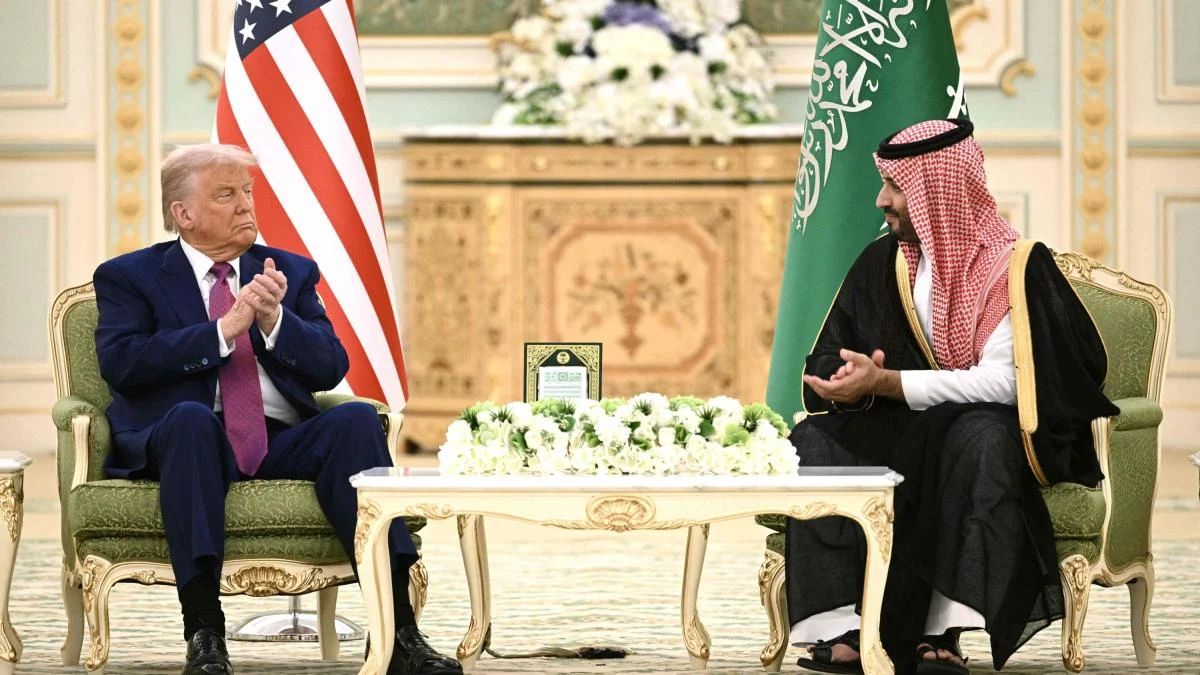
In a move that signals a profound transformation in Middle Eastern geopolitical dynamics, the United States government officially confirmed this Wednesday the signing of a comprehensive civil nuclear cooperation agreement with the Kingdom of Saudi Arabia. The pact, formalized by U.S. Secretary of Energy Chris Wright and Saudi Energy Minister Prince Abdulaziz bin Salman, marks the beginning of a multi-decade, multibillion-dollar partnership intended to revolutionize the Kingdom’s energy infrastructure while solidifying Washington’s influence in the region.
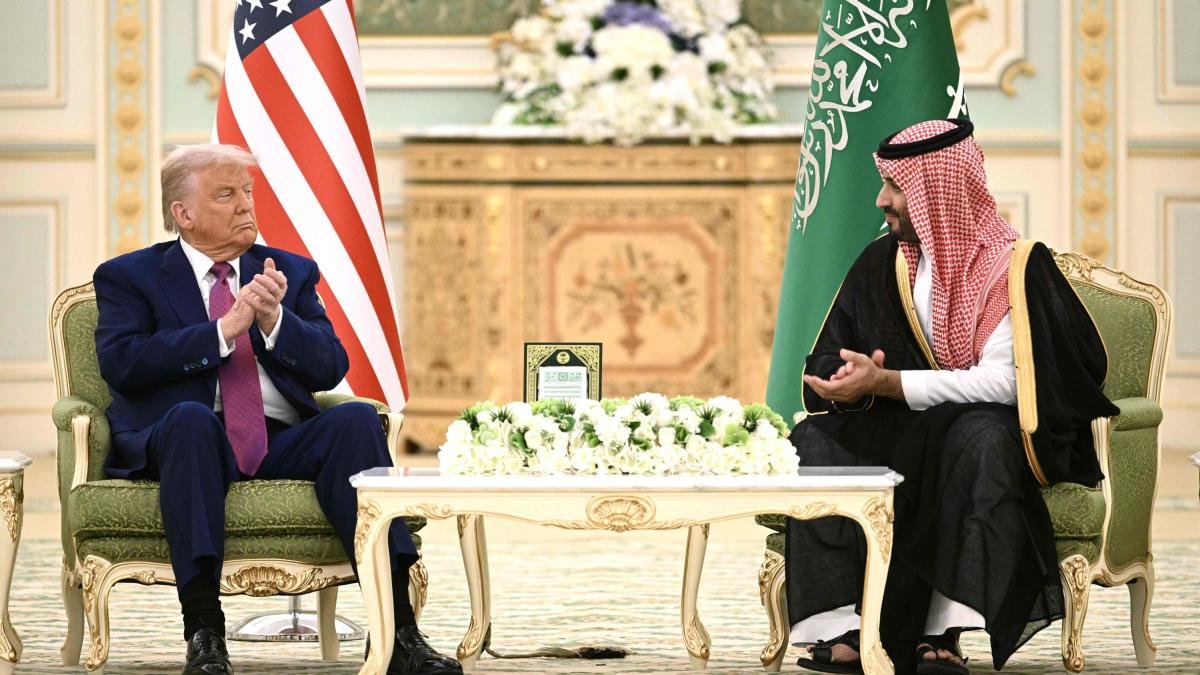
The agreement, colloquially referred to as a "123 Agreement"—a standard requirement under the U.S. Atomic Energy Act for peaceful nuclear cooperation—was finalized alongside a bilateral convention on safeguards. This development arrives at a critical juncture, characterized by heightened regional tensions surrounding the ongoing conflict with Iran and a renewed push by the Trump administration to reassert American industrial dominance in the global energy market.
The Scope of the Partnership: A Multi-Decade Commitment
At its core, the agreement provides the necessary legal and regulatory framework for deep, long-term collaboration. According to the U.S. Department of Energy, the deal is designed to foster a partnership spanning several decades, involving investments that promise to inject billions of dollars into the American nuclear industry.

For the United States, the primary incentive is the revitalization of its domestic nuclear sector. By securing this contract, the administration aims to bolster the entire U.S. nuclear supply chain, creating jobs and ensuring that American technology remains the global gold standard. The agreement is not merely a diplomatic gesture; it is an economic strategy aimed at export-led growth, ensuring that when Saudi Arabia develops its nuclear power capacity, it does so using U.S. proprietary technology, oversight, and expertise.
Chronology: From Negotiation to Formalization
The path to this signing has been paved with years of complex diplomatic maneuvering. For over a decade, Saudi Arabia has articulated its ambition to diversify its energy mix, moving away from a total reliance on oil and gas.

- Early Discussions (2023-2024): Preliminary talks between Riyadh and Washington began under the umbrella of broader regional security discussions. These initial phases were often linked to complex negotiations involving the potential normalization of relations between Saudi Arabia and Israel.
- The Trump Era Acceleration (2025): Upon the return of the Trump administration, the focus shifted toward aggressive economic diplomacy. The administration signaled a departure from previous, more cautious approaches, prioritizing the "American First" energy doctrine.
- Final Negotiations (Early 2026): Throughout the first half of 2026, technical teams from both the U.S. Department of Energy and the Saudi Ministry of Energy worked to finalize the strict safety and non-proliferation protocols that would satisfy the stringent requirements of the U.S. Congress.
- The July 22 Formalization: The signing ceremony on Wednesday represents the culmination of these efforts, with both parties publicly committing to the highest international standards of safety.
Technical Implications: The Uranium Enrichment Debate
Perhaps the most scrutinized aspect of the agreement, as noted in reports by The Wall Street Journal, is the 30-year duration of the pact and the potential for a localized uranium enrichment facility. The inclusion of a clause that would permit U.S. firms to assist in building such an installation—provided that a rigorous, joint technical study proves it is necessary—has become a lightning rod for debate.
Critics, including a bipartisan group of U.S. lawmakers and security analysts, have expressed deep-seated concerns that any infrastructure capable of enriching uranium could eventually be repurposed for military objectives. The "dual-use" nature of nuclear technology remains the primary anxiety for non-proliferation experts who argue that once a country gains the technical knowledge to enrich uranium for civil fuel, the barrier to weaponization is significantly lowered.
However, the administration has been steadfast in its rejection of these fears. Secretary of State Marco Rubio, speaking during a diplomatic visit to Manila, emphasized that the United States would never enter into an agreement that carries an unacceptable risk of nuclear proliferation. "Basta decir que Estados Unidos no va a llegar a ningún acuerdo con ningún país del mundo que implique un riesgo de proliferación," Rubio stated, redirecting technical inquiries to the White House to maintain a unified executive front.
Official Responses and Strategic Rationale
The rhetoric from the White House has been one of triumph. By branding the deal as part of a "nuclear renaissance," the administration is framing the agreement as a victory for both the domestic economy and international security.

"These agreements reflect the commitment of our two nations to strengthen commercial ties, generating prosperity at home and security for our allies abroad," stated Secretary Chris Wright. The administration asserts that by providing the technology, the U.S. retains a "seat at the table," allowing for continuous monitoring and oversight that would be absent if the Kingdom were to turn to rival providers, such as Russia or China.
This move also mirrors recent military-strategic decisions, including the approval of a $2 billion sale of precision-guided rockets to Saudi Arabia. Analysts suggest that these actions are part of a unified strategy to bolster regional allies against the backdrop of an assertive and increasingly bellicose Iranian posture. By deepening the technological and security dependency of Riyadh on Washington, the U.S. seeks to cement its role as the primary security guarantor in the Middle East.
The Geopolitical Chessboard
The timing of this announcement cannot be disentangled from the wider regional volatility. With the conflict involving Iran creating a vacuum of stability, the U.S. is signaling that its commitment to the Gulf region remains ironclad.
For Saudi Arabia, the deal is a crown jewel in Crown Prince Mohammed bin Salman’s "Vision 2030." The Kingdom is currently undergoing a massive economic transformation, and energy independence—or at least energy diversification—is a pillar of that plan. By utilizing nuclear power, the Kingdom aims to free up its massive oil reserves for export or petrochemical processing, thereby maximizing its sovereign wealth.

Legislative Hurdles and Future Outlook
While the executive branch has signed the agreement, the process is far from complete. The document is now set to be transmitted to the U.S. Congress for a mandatory review period. This phase is expected to be contentious.
Legislators on both sides of the aisle are likely to demand classified briefings regarding the specific safeguards and the conditions under which uranium enrichment might be permitted. The debate will center on the balance between national security interests—specifically preventing nuclear proliferation—and the economic benefits of dominating the nuclear export market.

Furthermore, the regional impact remains a major unknown. Israel’s reaction will be critical. While the current U.S. administration has managed to maintain strong ties with both Riyadh and Tel Aviv, the prospect of a nuclear-capable Saudi Arabia—even under the guise of civil energy—could shift the strategic calculations of the Israeli defense establishment.
Conclusion: A High-Stakes Bet
The signing of the U.S.-Saudi civil nuclear agreement is a watershed moment in the 21st-century energy landscape. It represents a high-stakes bet by the Trump administration that it can manage the proliferation risks of nuclear technology while simultaneously reaping the economic and strategic rewards of a deeper alliance with the Kingdom.

As the agreement heads to Capitol Hill, the global community will be watching closely. Whether this deal becomes the catalyst for a new era of stability in the Middle East or a source of future friction will depend on the transparency of the oversight mechanisms and the ability of both nations to navigate the volatile currents of regional politics. For now, the "nuclear renaissance" has a new partner, and the geopolitical map of the Middle East has been subtly, but permanently, redrawn.