By Global News Desk
Updated: July 18, 2026
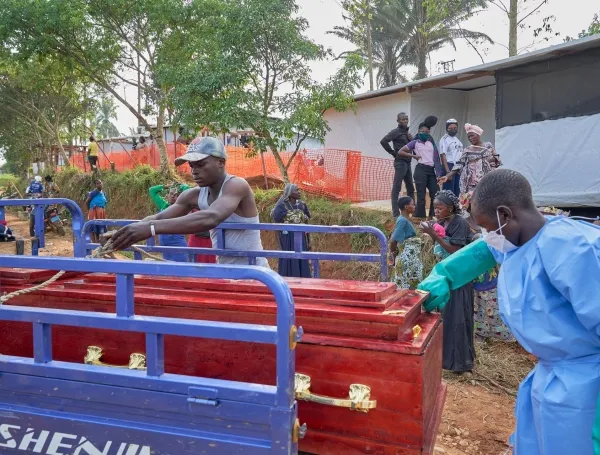
The Democratic Republic of the Congo (DRC) is facing one of its most challenging public health crises in recent history. As of July 15, 2026, the Ministry of Communication and Media has confirmed a staggering death toll of 828 individuals, with total confirmed cases reaching 2,124 since the outbreak was first declared on May 15. The situation, characterized by high transmission rates and complex regional logistics, has prompted international concern and triggered strict, controversial containment protocols involving foreign humanitarian workers.
The Current Epidemiological Landscape
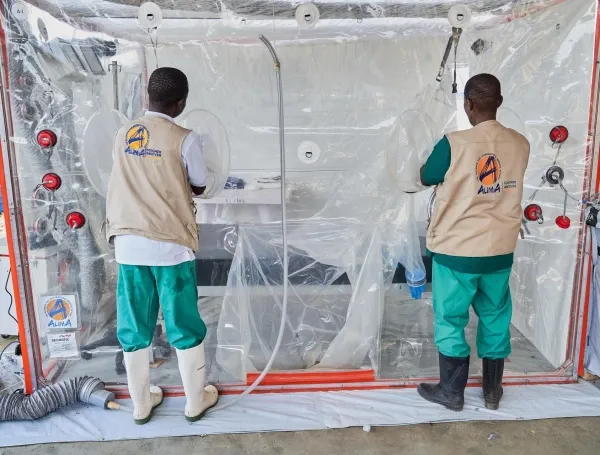
The latest government bulletin underscores the severity of the crisis, revealing a case fatality rate (CFR) of 39%. While 390 individuals have successfully recovered from the virus, the burden on the healthcare system remains immense, with 725 patients currently held in isolation or hospital settings.
The geographic footprint of the outbreak is expansive. The epidemic has hit the eastern provinces of the DRC with particular ferocity, designating Ituri as the primary epicenter. Significant outbreaks have also been documented in North Kivu, South Kivu, and Haut-Uele, with the virus further penetrating the central-northern province of Tshopo.

The Institute of National Public Health (INSP) of the DRC has issued a stark warning, noting that the epidemic remains in a phase of "sustained transmission" with high levels of viral circulation. However, officials urge cautious interpretation of the data, citing delays in reporting and the ongoing process of consolidating figures from remote areas. Despite these obstacles, the government has intensified epidemiological surveillance, patient care, and preventive outreach to break the chains of transmission.
Chronology of the 2026 Outbreak
The trajectory of this outbreak has been rapid and unforgiving.

- May 15, 2026: The DRC officially declares the start of the Ebola outbreak in its eastern territories.
- June 19, 2026: The World Health Organization (WHO) formally recognizes the gravity of the situation, initiating global resource mobilization.
- Early July 2026: The virus crosses borders, with Uganda reporting a total of 20 confirmed cases, including 15 imported cases from the DRC and two fatalities.
- July 16, 2026: Uganda discharges its final patient from treatment, entering a critical 42-day countdown toward being declared Ebola-free.
- July 17, 2026: U.S. humanitarian workers from Samaritan’s Purse are relocated to Kenya to begin a mandatory 21-day quarantine under strict U.S. travel policy.
Regional Implications and Cross-Border Spread
The spread of Ebola into neighboring Uganda served as a wake-up call for the international community regarding the potential for regional destabilization. The successful discharge of the final patient in Uganda on July 16 marks a pivotal moment, yet the 42-day observation period is essential to prevent a resurgence.
This cross-border transmission highlights the porous nature of the borders in the Great Lakes region, where commerce and population movement are constant. The DRC’s success in maintaining an 80.3% contact tracing rate is considered a vital defense against further regional proliferation, yet the strain on resources in such a volatile area remains a point of deep concern for neighboring nations.

The Human Cost: Humanitarian Workers in Limbo
The global response to the Ebola crisis has become inextricably linked with diplomatic and logistical challenges. A group of seven American humanitarian workers from the organization Samaritan’s Purse has been placed under quarantine in Kenya. This move follows a directive from Washington, which requires all U.S. citizens returning from Ebola-affected regions to undergo a 21-day isolation period in a third country before being permitted to re-enter the United States.
Franklin Graham, president of Samaritan’s Purse, confirmed that his team, which had been operating on the front lines of the response, volunteered for the transfer. The workers are currently housed in military-style tents at a facility in Nanyuki, Kenya, provided by the Kenyan government with U.S. financial and logistical support.
The Controversy of the Nanyuki Facility
The establishment of this quarantine site has been met with significant local resistance. Residents near the Nanyuki airbase and local health unions have staged protests, fearing that the presence of the facility poses a biological risk to their communities. The situation has escalated to a legal battle, with a local court briefly ordering a suspension of construction works, reflecting the underlying tension between global emergency protocols and local community safety concerns.
The U.S. State Department has defended the policy, stating that "for the Trump Administration, the safety of Americans is paramount." Washington has committed $13.5 million to the development of this site, emphasizing that all current residents are asymptomatic and have tested negative for the virus. Despite these assurances, the controversy illustrates the difficulty of balancing international health security mandates with the sovereignty and anxiety of local populations.

Addressing the Virus: A Scientific and Social Struggle
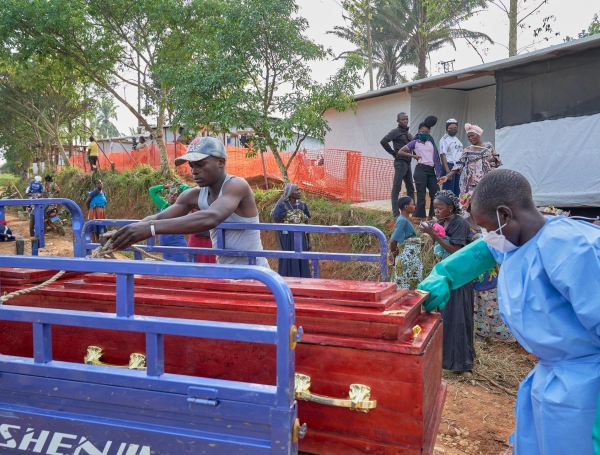
The fight against Ebola in the DRC is not merely medical; it is a battle of logistics and public trust. The transmission of the virus is often exacerbated by cultural burial practices, resistance to clinical intervention, and the instability caused by armed groups in eastern DRC.
Health authorities are working to balance:

- Surveillance: Increasing the speed of diagnostic testing to reduce the "lag time" identified by the INSP.
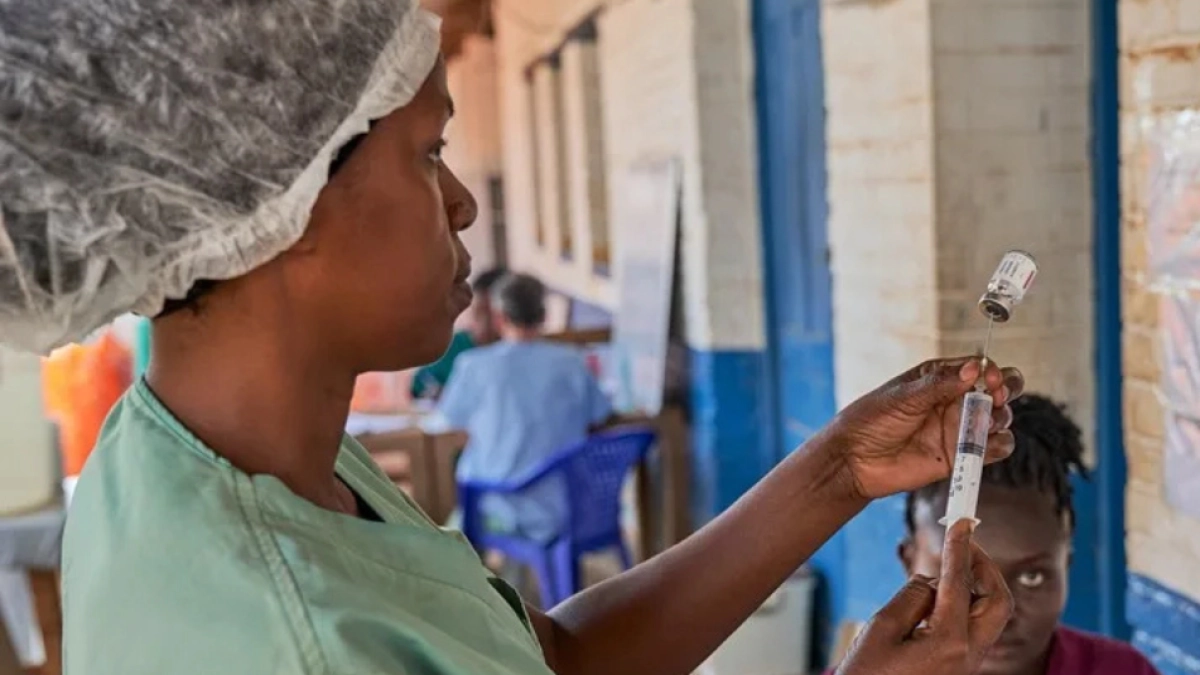
- Vaccination: Deploying ring vaccination strategies to protect the contacts of those who have tested positive.
- Community Engagement: Partnering with local leaders to educate communities on the symptoms and the necessity of isolation for those affected.
The 39% mortality rate, while lower than some historical Ebola outbreaks, remains unacceptably high. The survival of 390 individuals is a testament to the improvements in supportive care, such as early hydration, electrolyte replacement, and advanced therapeutic monitoring. However, the sheer number of active cases—725 in isolation—stretches the available medical infrastructure to its breaking point.
Looking Ahead: The Path to Eradication
As the world watches the 42-day countdown in Uganda, the focus remains firmly on the DRC. The international community, led by the WHO and various NGOs, is providing essential funding and expertise. Yet, the success of these programs relies heavily on the political stability of the eastern provinces and the continued cooperation of the local population.
The mandatory 21-day quarantine policy adopted by the United States serves as a reminder of the "fear factor" that follows Ebola outbreaks. While designed to protect the American public, these policies often complicate the recruitment of highly skilled medical volunteers, as the prospect of long-term isolation in a foreign facility acts as a significant deterrent.
Moving forward, the primary objective is to drive the number of new daily cases toward zero. The INSP has emphasized that the current "fluctuations" in data must be met with increased vigilance. The next several weeks will be decisive. If the current trend of sustained transmission is not broken, the humanitarian, economic, and social consequences for the region could deepen, potentially necessitating a broader international military and medical intervention.

For now, the focus remains on the ground in the DRC: in the hospitals of Ituri, in the isolation wards of the provinces, and in the tented camps of Nanyuki, where a small group of volunteers waits, serving as a symbol of both the dedication and the profound isolation that defines the current struggle against this lethal virus.
For continuous coverage of the situation in the DRC, follow updates from the World Health Organization and the Ministry of Communication and Media of the Democratic Republic of the Congo.