International Desk – EL TIEMPO
With information from EFE
Main Facts
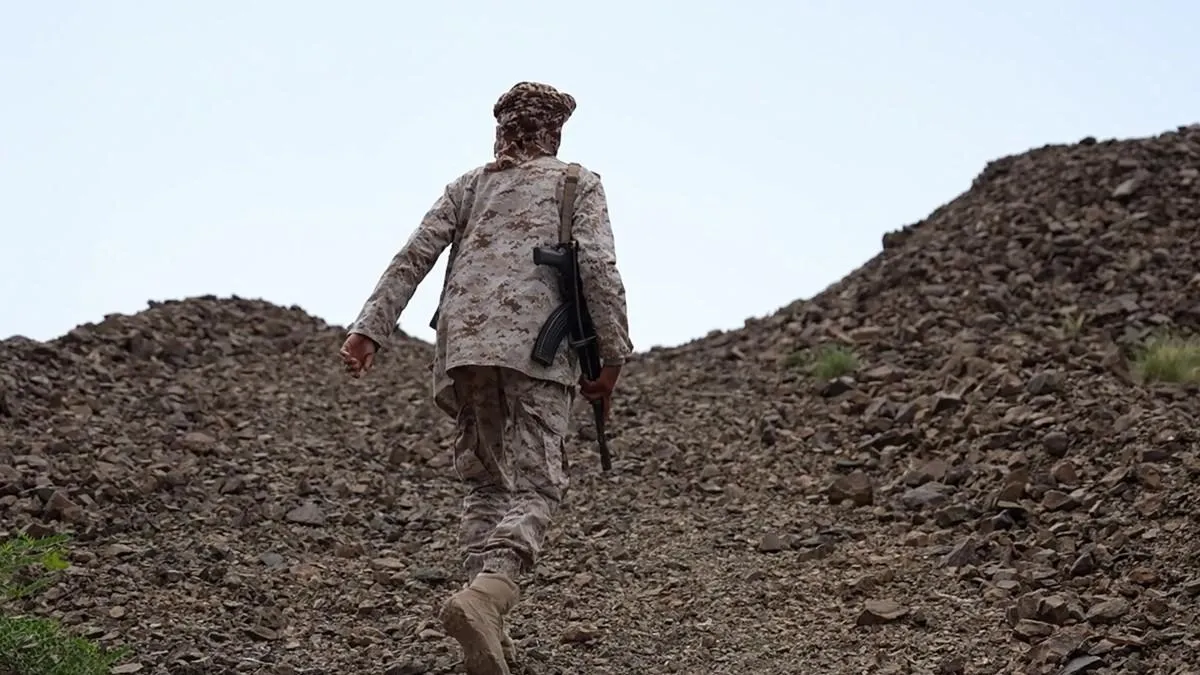
The ongoing conflict in the Middle East has taken a dramatic and dangerous turn. Yemen’s Houthi movement claimed responsibility for a sweeping barrage of ballistic missiles, cruise missiles, and suicide drones targeting strategic locations within Saudi Arabia. The strikes, which occurred over the weekend, targeted high-profile infrastructure, including sensitive sites in the capital city of Riyadh and the vital Red Sea port city of Yanbu, home to critical facilities belonging to the state-owned oil giant Saudi Aramco.
According to Yahya Sarea, the military spokesperson for the Houthi movement, the operation involved a "large number" of advanced projectiles designed to bypass standard interception protocols. The attacks resulted in massive fires near the Red Sea coastline, though details regarding specific material damage or casualties remained scarce at the time of reporting.
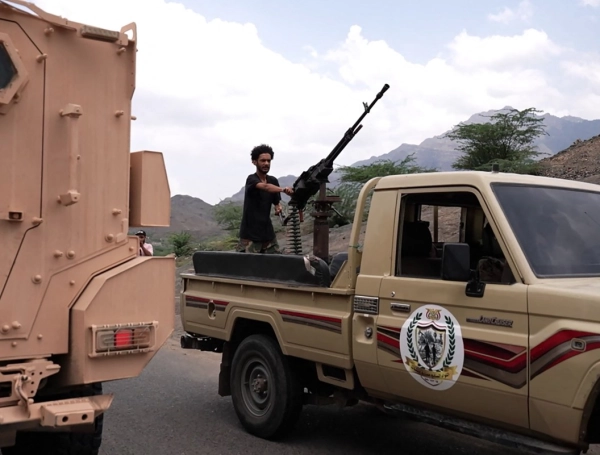
This latest escalation directly correlates with an intensifying ground and air campaign in Yemen. The Houthis stated that their coordinated assaults are a direct retaliation against an ongoing Saudi-led air campaign. Sarea asserted that the Royal Saudi Air Force has conducted over 700 airstrikes in Yemen within a single week, resulting in civilian casualties and widespread infrastructure damage.

The repercussions of these strikes extend far beyond the immediate battlegrounds of the Arabian Peninsula. The geopolitical shockwaves prompted high-ranking officials in Pakistan to publicly deliberate activating a newly minted trilateral defense pact with Saudi Arabia and Turkey—a move that could transform a localized regional conflict into a multi-national military confrontation.
Chronology of Events
To understand the rapid deterioration of security along the Red Sea corridor and the Arabian Peninsula, it is necessary to examine the timeline of events leading up to this weekend’s crisis:

- Early August 2026: A landmark security framework is established when Pakistan, Turkey, and Saudi Arabia formally sign a mutual defense agreement in Mecca. The treaty stipulates that an act of aggression against any of the three signatory nations will be treated as an assault on all members, triggering collective defense mechanisms.
- Mid-September 2026: Tensions spike dramatically after Houthi insurgents launch a surprise offensive along Yemen’s western coast. The successful advance grants the rebel forces control over several strategic towns and, crucially, the Bab al-Mandeb Strait—one of the world’s most critical maritime chokepoints for global commerce and hydrocarbon transit.
- September 15–16, 2026: Security alerts reach maximum levels in Riyadh. Saudi authorities publicly accuse the Houthis of launching a drone attack in the vicinity of Mecca, Islam’s holiest city. The Houthi leadership vehemently denies targeting religious sites, blaming interceptor missile failures by Saudi air defenses for civilian collateral damage in nearby regions such as Taif.
- September 17, 2026: The Pakistani Ministry of Foreign Affairs initially attempts to de-escalate regional tensions, stating that Islamabad is not actively considering a direct military intervention against the Yemeni rebels.
- September 19, 2026: Houthi forces execute their multi-pronged missile and drone assault against Riyadh and Yanbu. Yahya Sarea officially declares a policy of "blockade for blockade, escalation for escalation."
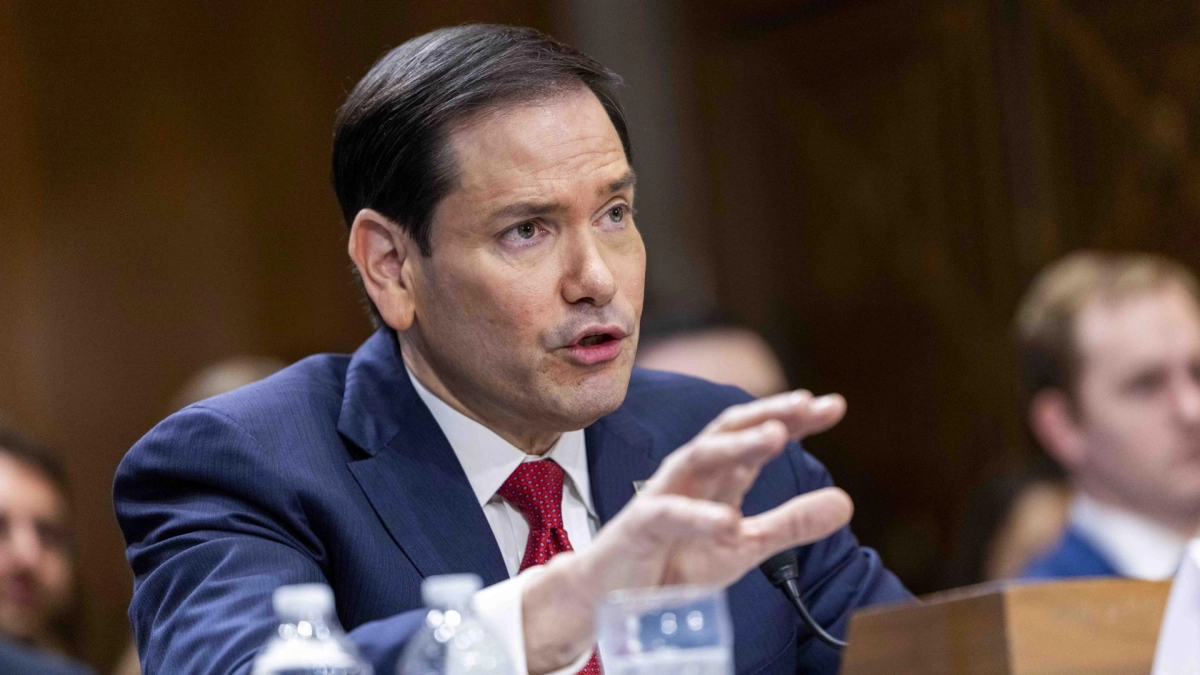
- September 19 (Later that day): Pakistani Defense Minister Khawaja Asif shifts Islamabad’s stance entirely. In an interview with local media, Asif declares that the conditions for activating the August defense pact have arrived, asserting that Pakistan is fully prepared to support Saudi Arabia militarily and diplomatically if the aggression persists.
Supporting Data and Strategic Context
The theater of operations involves a complex interplay of geography, military logistics, and energy economics. The strategic value of the targets struck by the Houthis cannot be overstated. Yanbu is a linchpin of the global energy supply chain, serving as a major terminal for oil pipelines crossing the Arabian Peninsula from east to west, allowing crude to bypass the Persian Gulf and the Strait of Hormuz.
Key data points defining the current crisis include:
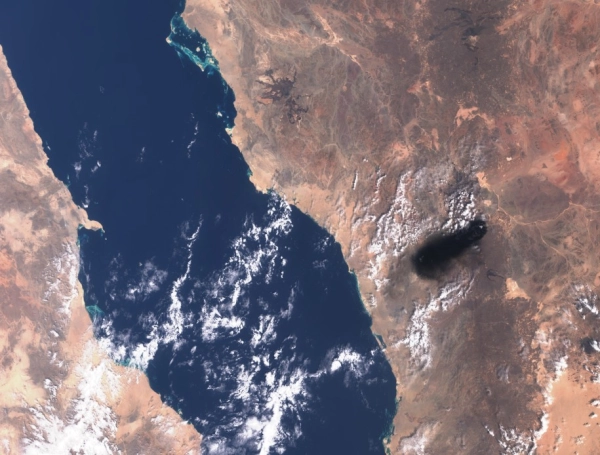
- Maritime Vulnerability: Control of the Bab al-Mandeb Strait by Iranian-backed Houthi forces places roughly 10% of global seaborne petroleum trade and a significant percentage of international container shipping at immediate risk.
- Air Campaign Intensity: According to Houthi figures, the Saudi-led coalition conducted approximately 732 airstrikes across Yemen in the week leading up to the Riyadh and Yanbu attacks.
- Collateral Incidents: The friction between intersecting missile defense systems and incoming projectiles was highlighted by a recent incident in the Taif region, which left one person dead and several injured—a casualty event that both sides attribute to differing causes, with the Houthis blaming faulty Patriot-style interception sequences.
- The Trilateral Defense Treaty: Signed by Islamabad, Ankara, and Riyadh in August 2026, the pact mandates that if the territorial integrity or security of any member state is compromised, the remaining two nations are legally and strategically bound to respond.
Official Responses and Diplomatic Positions
The rhetoric emanating from the capitals involved highlights a profound hardening of positions, signaling that a diplomatic off-ramp remains distant.
The Houthi Perspective
Yahya Sarea framed the assault not as an unprovoked act of aggression, but as a defensive and retaliatory necessity. Emphasizing the suffering inflicted by the ongoing aerial bombardment of Yemen, Sarea defended the precision and scale of the drone and missile strikes. He rejected outright any claims that insurgent forces are intentionally aiming at civilian populations, pointing instead to what he termed "defensive failures" by Saudi anti-air batteries for incidents near holy sites. His closing remarks were unequivocal: "Bloody blockades will be met with blockades, and escalation will be met with escalation."

The Pakistani Pivot
The response from Islamabad represents a critical pivot in international alignment. Defense Minister Khawaja Asif’s interview with Geo News shattered previous diplomatic ambiguities. By stating that the threshold for activating the August defense pact had been crossed, Asif elevated the conflict from a localized civil war and regional proxy clash to a matter of collective security involving South Asian and Eurasian military powers.
"If the conflict continues to aggravate, we will stand shoulder-to-shoulder with Saudi Arabia, both practically and diplomatically," Asif stated. He further emphasized that for Pakistan, defending the sacred sites of Mecca and Medina transcends geopolitical strategy, framing it as an unyielding religious obligation.
Global Implications and Economic Fallout
The convergence of Houthi maritime dominance in the Bab al-Mandeb Strait, direct kinetic strikes against Saudi oil infrastructure, and the potential activation of international defense treaties carries severe global repercussions:
- Energy Market Instability: Global markets remain highly sensitive to disruptions in the Middle East. Threats to Saudi Aramco facilities in Yanbu and the insecurity of Red Sea shipping lanes instantly inject risk premiums into crude oil futures, threatening global economic recovery and stoking inflation.
- Risk of Regional Expansion: The involvement of external powers like Pakistan—and by extension, the geopolitical alignment with Turkey—introduces great power dynamics into a localized conflict. Should Pakistani military assets or personnel become directly engaged in defending Saudi territory or airspace, the proxy war risks mutating into an open, multi-state war.
- Humanitarian Crisis in Yemen: As military operations intensify on both land and air, the civilian population in Yemen continues to bear the brunt of the humanitarian fallout, caught between ongoing ground offensives, blockades, and retaliatory airstrikes.
As international monitors and energy analysts watch the situation unfold, the immediate future hinges on whether diplomatic channels can be forced open before the newly activated defense agreements are put to a live combat test.