By Daniela Gutiérrez Munar
Investigations Desk, EL TIEMPO
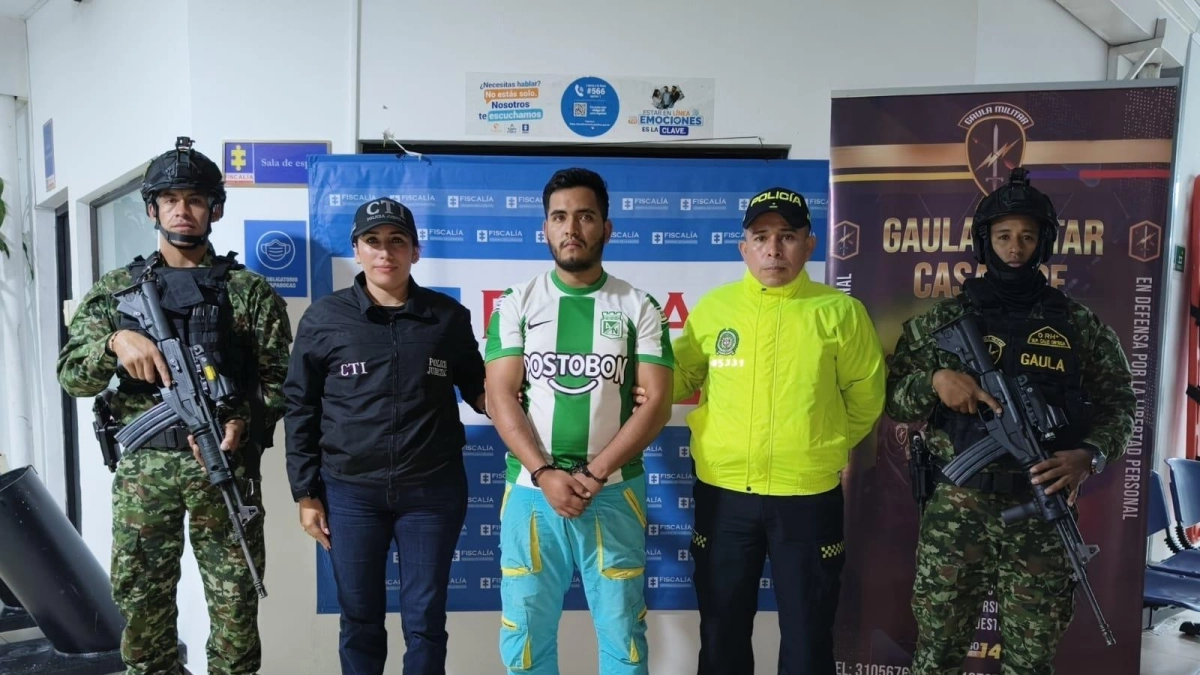
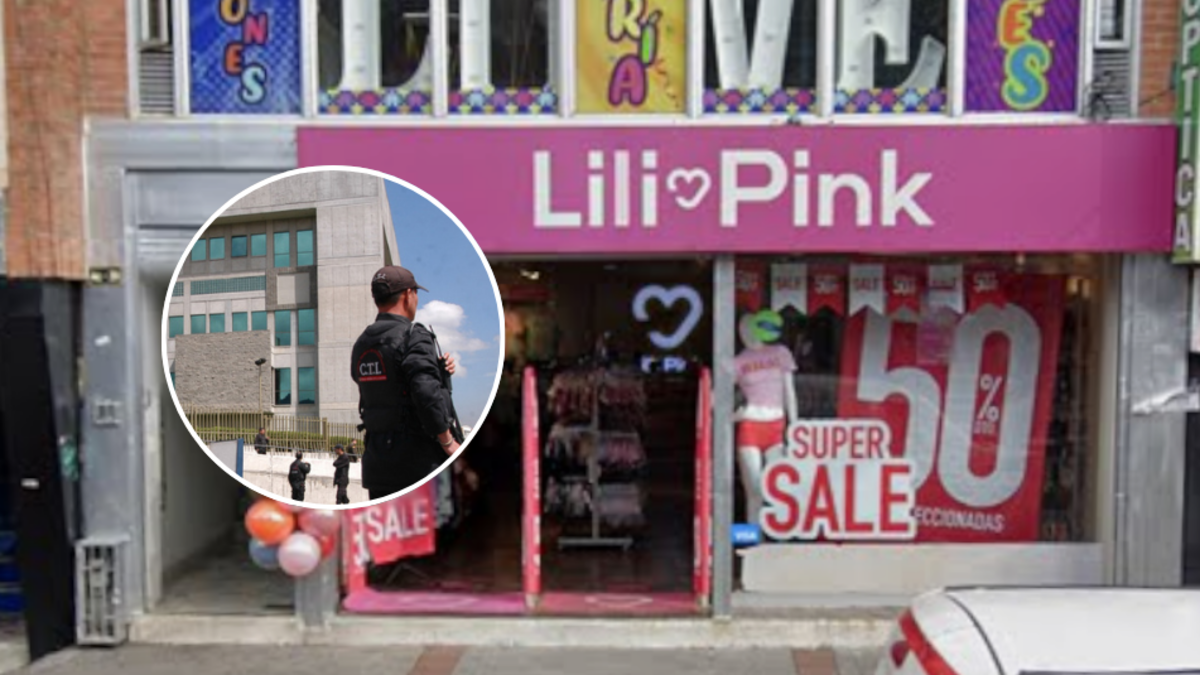
The Colombian justice system has entered a critical phase in what is being described as one of the most complex corporate fraud and customs evasion cases in recent years. On July 16, 2026, the Office of the Attorney General of the Nation (Fiscalía General de la Nación) formally presented its case against several individuals linked to the retail brands Lili Pink and Yoi. According to prosecutors, the evidence points to a sophisticated, multi-year, transnational criminal structure designed to mask the illegal importation and commercialization of goods across Colombian territory.
The ongoing judicial proceedings have exposed a labyrinthine corporate strategy that, for over a decade, allegedly leveraged shell companies and international subsidiaries to bypass customs regulations, fueling a massive smuggling operation that has now prompted a comprehensive crackdown by state authorities.
Main Facts: A Decade of Alleged Illicit Operations
During the indictment hearing, the prosecution unveiled a disturbing picture of how a legitimate-looking retail operation allegedly functioned as a front for large-scale customs fraud. Central to the accusations is the company FAST MODA, alongside a series of smaller entities—many of which have since been liquidated—including Innova Quality S.A.S. and Bing Light S.A.S.

Prosecutors allege that these entities formed the backbone of a network that began its operations as early as 2013. The modus operandi, as described by the Fiscalia, involved the systematic exploitation of international trade loopholes. Goods—ranging from apparel and children’s toys to high-volume cosmetic products—were funneled into Colombia through a series of "paper importers." These entities existed on paper to facilitate the arrival of merchandise, but their actual operations were designed to obscure the true nature of the transactions and evade the tax and customs duties required by law.
"We have identified a transnational criminal organization that, from 2013 to the present, has dedicated itself to international trade operations while giving them an appearance of legality to facilitate the entry of goods into national customs territory," the lead prosecutor stated during the hearing.

Chronology of the Investigation
The investigation into the Lili Pink and Yoi operations did not happen overnight. It was the result of long-term intelligence gathering by the Police Fiscal and Customs Unit (Polfa).
- 2013: Prosecutors identify this as the initiation of the alleged transnational criminal scheme.
- Late 2025/Early 2026: Increased scrutiny by the Polfa leads to the discovery of irregularities in the supply chains of FAST MODA and associated companies.
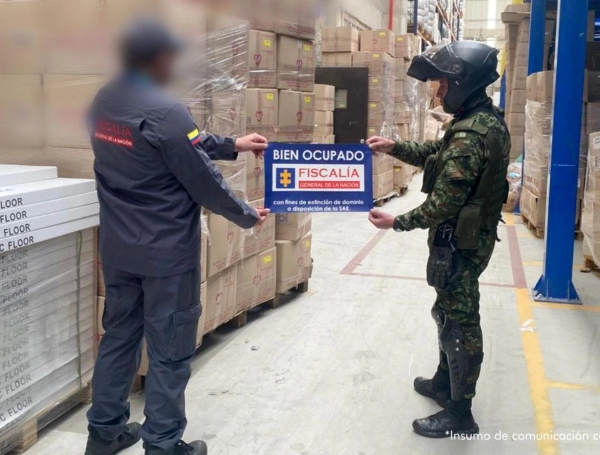
- April 2026: Authorities carry out widespread raids on retail locations across the country, marking the beginning of the public phase of the "Operation Magenta."
- May 2026: The Special Assets Society (SAE) raises alarms regarding the mass closure of retail stores, noting the potential risk to over 260 jobs and the instability of the brand’s footprint.
- June 2, 2026: The Prosecutor’s Office officially calls for the indictment of eight key figures linked to the corporate leadership, including the owners of the brand.
- July 16, 2026: Formal indictment hearing takes place, with the prosecution presenting its theory of the case to a judge.
The Corporate Shell Game: Panama and Colombia
A cornerstone of the prosecution’s argument is the use of international jurisdictional arbitrage. According to investigators, the organization established a mirror-image corporate structure in both Colombia and Panama. This binational setup allowed the group to exercise total control over the supply chain.

The Panama-based entities functioned as the financial "brains" of the operation. Once the goods were sold in Colombian storefronts, the revenue was allegedly repatriated to these Panamanian companies. By keeping the financial control offshore, the organizers purportedly sought to insulate themselves from the scrutiny of Colombian tax authorities.
"They controlled the entire operation, from the initial entry into the country through phantom importers to the final illegal sale at the retail level," the prosecutor explained.

Perhaps the most damning evidence presented concerns the use of "straw men" or human facades. The investigators found that the individuals listed in public records as the legal representatives of these liquidated shell companies were not the true decision-makers. Instead, they were employees with strictly operational roles: drivers, low-level office staff, treasury clerks, and even personal lawyers. This strategy was specifically designed to "blur the responsibility" of the actual financial backers, creating a legal wall between the criminal enterprise and the individuals pulling the strings.
Supporting Data and the Mechanism of Deception
The prosecution’s case relies heavily on a pattern of "create-and-liquidate." By repeatedly establishing and then dissolving legal entities, the group managed to keep their operations under the radar of the Chamber of Commerce and the National Tax and Customs Directorate (DIAN).

Each time an entity faced an audit or grew too large to remain unnoticed, it was liquidated, and its operations were transferred to a new, clean corporate vessel. This cycle, according to the Fiscalía, was not a result of bad business luck, but a calculated strategy to "discredit the legal responsibility" of the leadership.
The sheer scale of the operation is evidenced by the hundreds of stores that have been subject to inspection. The evidence collected includes internal correspondence, customs declaration forms, and financial ledgers that the prosecution claims demonstrate a clear intent to defraud the state of tax revenue and circumvent trade safety standards.
Official Responses and Judicial Implications
The legal team representing the accused has maintained that their clients operated within the boundaries of the law and that the characterization of their business as a "criminal enterprise" is an overreach by the prosecution. However, the intensity of the evidence presented during the indictment hearing suggests that the court is taking the allegations of money laundering and smuggling very seriously.
For the retail industry in Colombia, this case serves as a landmark warning. The involvement of the Special Assets Society (SAE) highlights the broader economic implications: when a major retailer faces criminal charges of this magnitude, the collateral damage—in terms of jobs, supply chain stability, and consumer trust—is immense.

The judge overseeing the case has scheduled subsequent hearings to continue the presentation of evidence. The prosecution has signaled that they possess further testimony and documentation that will further elucidate how the alleged illicit network functioned on an international scale.
Broader Implications for Market Regulation
The Lili Pink case has opened a national debate regarding the oversight of retail chains that rely on massive imports. Observers in the legal and economic sectors note that this case exposes a vulnerability in how the Colombian state monitors foreign-backed retail expansions.

Key Takeaways:
- Transparency in Ownership: The use of employees as "fronts" for legal representation is a recurring theme that the government is now looking to address through stricter KYC (Know Your Customer) and KYB (Know Your Business) regulations.
- Transnational Cooperation: The reliance on Panamanian shell companies underscores the necessity for greater judicial cooperation between Colombia and regional tax havens to track illicit capital flows.
- The "Liquidation" Loophole: Regulators are likely to push for legislative changes that would prevent the rapid liquidation of companies currently under administrative investigation, ensuring that liabilities remain attached to the beneficial owners regardless of the corporate status.
As the judicial process continues, the focus will remain on the eight individuals currently facing the court. Their defense will need to address the structural evidence of the "front companies" and the movement of funds to Panama. Meanwhile, the Colombian retail sector watches closely, aware that the verdict in this case will likely redefine how multinational retail chains are audited and held accountable in the years to come.
The indictment of the Lili Pink leadership is not merely a criminal proceeding; it is a profound examination of the mechanics of modern corporate crime. Whether the state can successfully penetrate the layers of legal fiction constructed by the defendants will determine the precedent for future anti-smuggling efforts in the region.

The proceedings are ongoing, and EL TIEMPO will continue to provide updates as new evidence emerges from the courtroom.