By Justice Desk Reporting
Updated: September 17, 2026
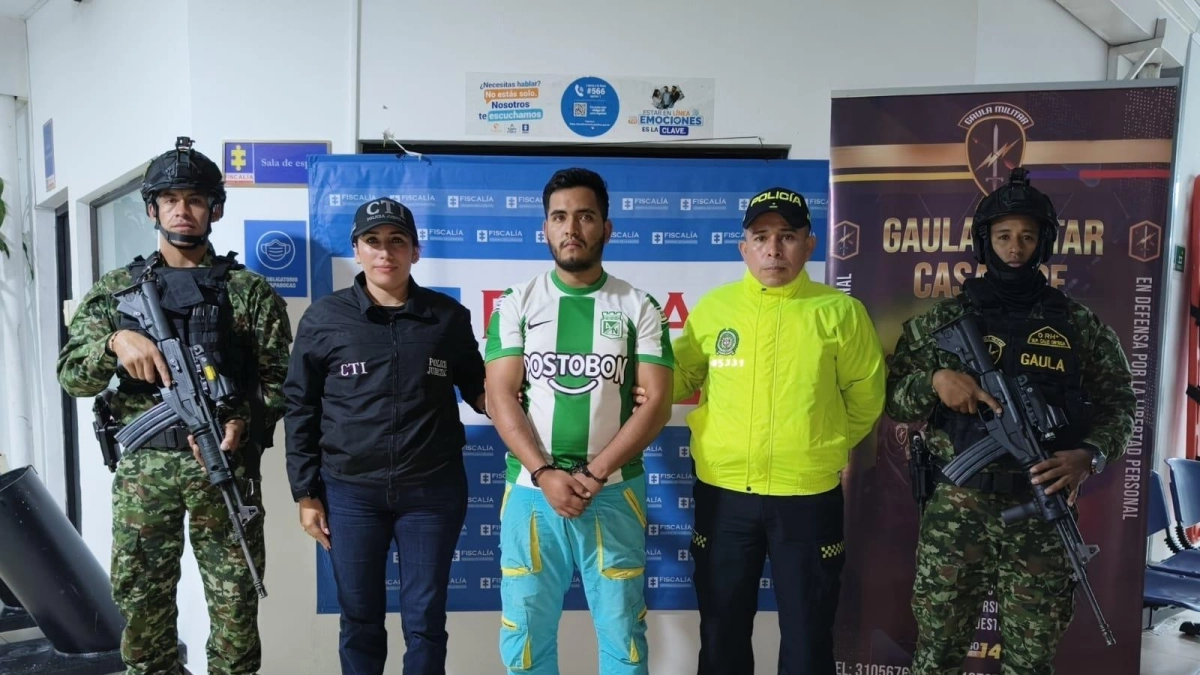
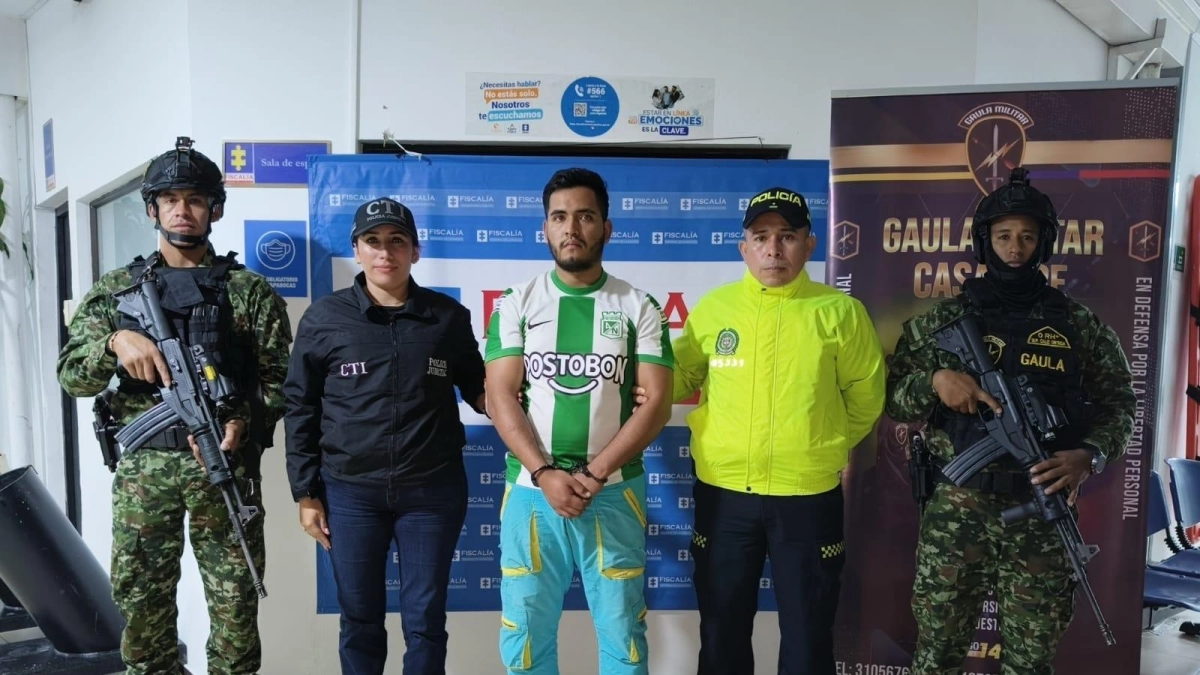
In a high-stakes operation that spanned three months of clandestine surveillance and intelligence gathering, Colombian security forces have dealt a significant blow to the logistical infrastructure of the National Liberation Army (ELN). Yeison Andrey Barrera Gallo, known in criminal circles by the aliases "Barrera" or "Gallo," was apprehended in Bogotá on Wednesday evening. The arrest marks the culmination of a meticulous investigation into the inner workings of the Adonay Ardilla Pinilla Front, a regional cell of the ELN responsible for terrorizing communities across the departments of Arauca and Casanare.
The Anatomy of an Investigation
The capture of Barrera Gallo was not the result of a chance encounter, but rather the endgame of a persistent, multi-agency investigation. According to official sources from the Casanare Criminal Investigation Section (Sijín), working in tandem with the Technical Investigation Corps (CTI) and under the judicial oversight of the 8th Sectional Prosecutor’s Office, the trail began in the rugged, conflict-ridden terrain of the eastern plains.
For nearly 90 days, specialized intelligence units tracked Barrera’s movements. Investigators observed a pattern of high-risk travel between the rural enclaves of Casanare—specifically the municipality of Sácama—and the urban density of Bogotá. By monitoring his digital footprint and human intelligence networks, authorities pieced together a strategy that the suspect had hoped would keep him invisible: blending into the chaotic, high-traffic environment of Bogotá’s Corabastos wholesale market.

The "Abastos" district, a sprawling commercial hub, provided the perfect cover for a man attempting to evade a national warrant. By assuming the persona of a laborer or merchant, Barrera Gallo sought to disappear into the anonymity of the capital’s informal economy. However, the coordinated efforts of the Sijín and CTI eventually pinpointed his exact location, leading to the tactical operation on Wednesday night that successfully neutralized his freedom without incident.
Chronology of a Criminal Trajectory
The investigation into Barrera Gallo has shed light on a criminal career spanning more than three years, characterized by a transition from local muscle to a vital logistical operative for the ELN.
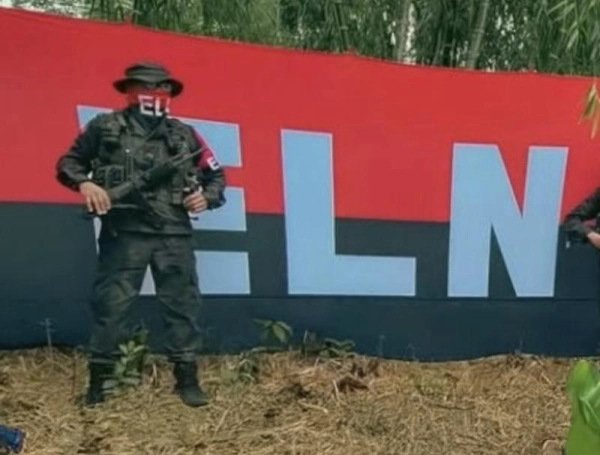
- Initial Involvement (2023): Intelligence reports indicate that Barrera began his ascent within the Adonay Ardilla Pinilla Front, initially performing low-level tasks in the vicinity of Sácama, Casanare.
- Expansion of Roles (2024): Within a year, his duties expanded significantly. He was identified as a key player in the "Redes de Apoyo al Terrorismo" (RAT), or Terrorist Support Networks. These networks are the lifeblood of the ELN, tasked with moving supplies, managing communication channels, and facilitating the movement of armed units through difficult geography.
- Intelligence Gathering & Enforcement (2025): Beyond logistics, Barrera evolved into an operative tasked with "criminal observation"—essentially acting as a scout to track military movements and identify potential targets for the guerrilla group.
- The Bogotá Phase (2026): Fleeing the increasing pressure of military operations in the Arauca-Casanare corridor, Barrera moved to Bogotá, utilizing the city as a logistical base to coordinate activities remotely while maintaining a low profile.
Supporting Data and Judicial Context
The legal net closing in on Barrera Gallo is substantial. According to the Prosecutor’s Office, he was the subject of an active judicial order for homicide, a charge that reflects the gravity of his actions within the guerrilla structure.
His profile in the Sistema Penal Oral Acusatorio (SPOA)—the repository for Colombia’s criminal records—includes two major annotations. One pertains to the current homicide investigation, while the second relates to a history of domestic violence. These records paint a picture of a man whose history of violent conduct predates, and perhaps facilitated, his eventual integration into the ranks of the ELN.
The Adonay Ardilla Pinilla Front, to which Barrera is linked, has long been a source of instability in the northern region of Casanare. By targeting individuals like Barrera, authorities are effectively "starving" the front of its logistical capabilities. Without individuals to manage the supply chain and scout for movements, the tactical units of the ELN find themselves isolated and less effective, creating a domino effect that hinders their ability to carry out select executions and extortion schemes.
Official Responses and the Security Apparatus
The success of this operation underscores a shift in how Colombian security forces are addressing the "urbanization" of conflict. As insurgent groups like the ELN lose control over rural territories due to military pressure, they increasingly look to major cities like Bogotá to hide their leadership and logistical support staff.

"The capture of Alias ‘Gallo’ is a testament to the inter-institutional synergy between the Sijín and the CTI," a spokesperson for the investigation noted. "We have demonstrated that there is no ‘safe haven’ for those who facilitate terror, not even in the busiest markets of the capital."
The legal process moving forward will be handled by the 8th Sectional Prosecutor’s Office. Barrera Gallo now faces the prospect of a lengthy trial, where prosecutors are expected to present evidence not only of his direct involvement in the charged homicide but also his strategic role in maintaining the logistical operations of the ELN in the eastern plains.

Implications for the Conflict in Casanare
The removal of Barrera Gallo from the criminal ecosystem carries significant implications for regional security. His role as a "logistical node" means that he held sensitive information regarding the transit routes, safe houses, and funding mechanisms of the Adonay Ardilla Pinilla Front.
- Degradation of Logistics: The arrest forces the local ELN leadership to reorganize its supply lines. In the short term, this leads to a "logistical blackout" where the group struggles to move weapons, food, and communication equipment.
- Increased Paranoia: Such high-profile arrests in urban centers often trigger a period of internal suspicion within the guerrilla ranks. As they scramble to identify how the intelligence was leaked, their operational efficiency tends to decrease.
- Strengthening Community Safety: For the residents of northern Casanare and rural Arauca, the capture represents a step toward reclaiming territory from armed actors. By dismantling the support networks, the state is effectively reclaiming the space necessary for civilian governance and development.
The Ongoing Battle Against Insurgency
As the dust settles on the Wednesday night operation, the broader conflict in Colombia continues to evolve. While the national government pursues various paths toward "Total Peace," the reality on the ground remains one of active combat and intelligence-led law enforcement.

The case of Yeison Andrey Barrera Gallo serves as a stark reminder of the tenacity required to combat illegal armed groups. It highlights that the struggle against groups like the ELN is not confined to the jungles or the mountain ranges; it is a battle that plays out in every neighborhood, market, and city in the country.
For now, the man who called himself "Gallo" sits behind bars, awaiting the verdict of a justice system that, for three months, was watching his every move. The message from the authorities is clear: regardless of the façade, the alias, or the distance from the front lines, the reach of the law is tightening around those who persist in the cycle of violence and terror.

This report was produced by the Justice Desk of El Tiempo. For further updates on this case and other developments in national conflict and security, follow our coverage on social media or subscribe to our weekly newsletter.