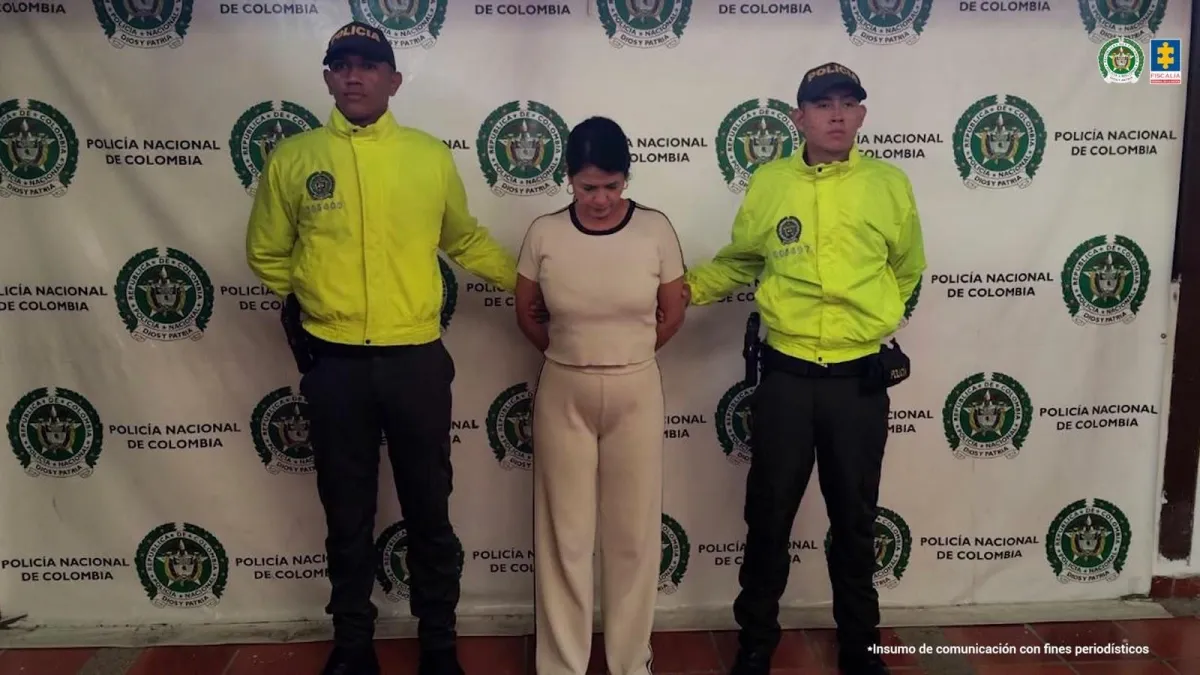
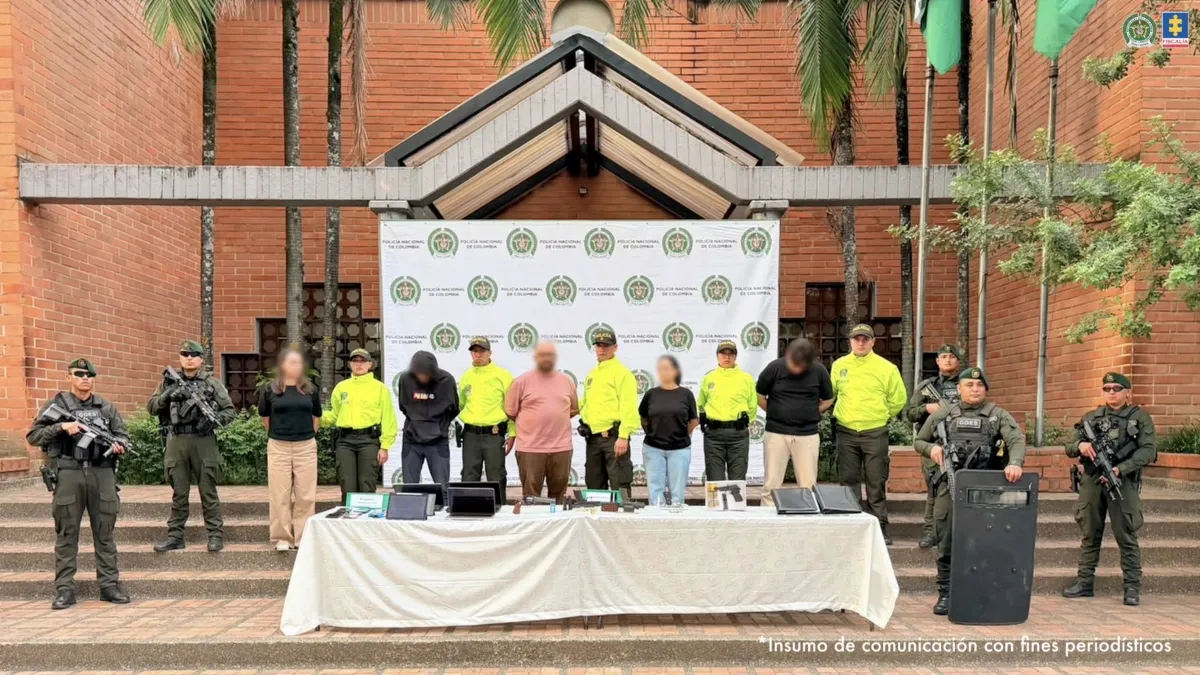
In a coordinated operation, the Colombian Prosecutor’s Office has dismantled a sophisticated money-laundering network that utilized cryptocurrency and shell companies to process 2.3 trillion Colombian pesos linked to drug trafficking. Five individuals are in custody as investigators reveal deep ties to international criminal syndicates.
The Anatomy of a Massive Financial Fraud
The Colombian Prosecutor’s Office (Fiscalía General de la Nación) has unveiled what is being described as one of the most significant money-laundering operations in the country’s recent history. By leveraging the relative anonymity of the cryptocurrency ecosystem, an organized criminal structure managed to inject an staggering 2.3 trillion pesos (COP) of illicit drug-trafficking proceeds into the legal financial system over the past eight years.
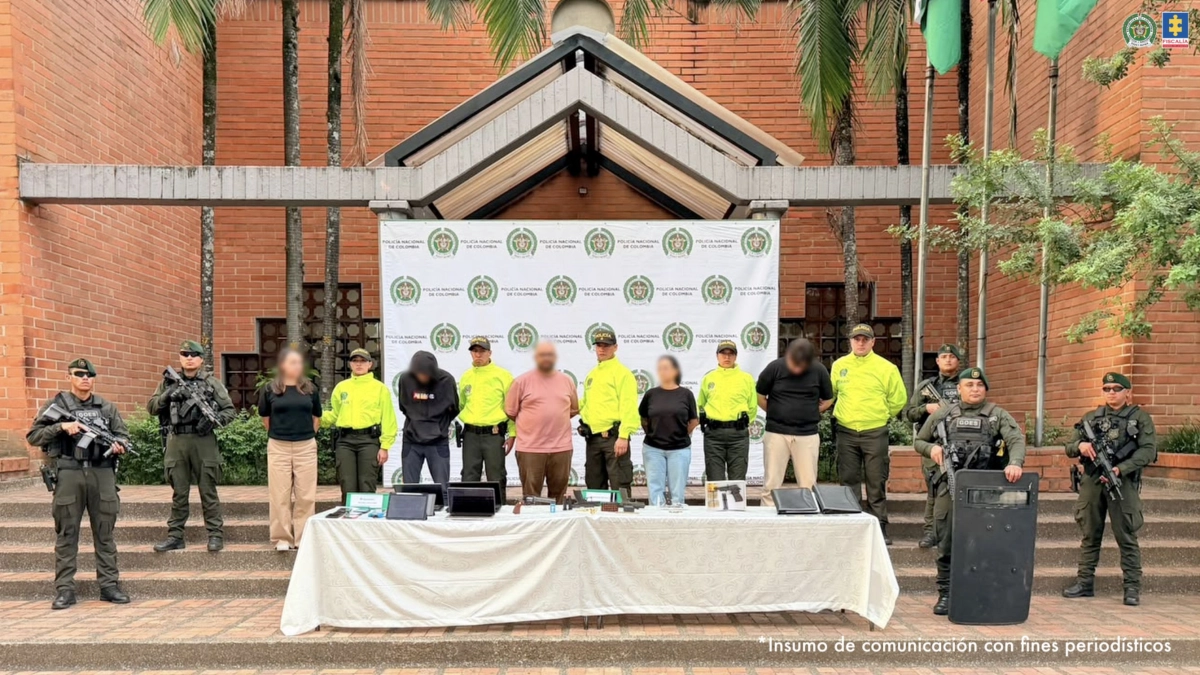
The investigation, spearheaded by the Directorate for Asset Forfeiture and the Directorate against Money Laundering, has exposed a labyrinthine corporate structure designed to camouflage the origin of illegal capital. According to official reports, the network operated through a facade of nine commercial companies and four business establishments, all of which served as conduits for high-volume banking operations, international transfers, and the conversion of dirty cash into digital assets.
Chronology: Eight Years of Systemic Evasion
The operation did not materialize overnight. Authorities tracking the movement of funds discovered a pattern of activity dating back nearly a decade.

- 2018–2020: The Formative Years. The network began by establishing "paper companies"—entities that existed legally on registry documents but lacked any real-world commercial activity, employees, or legitimate income streams.
- 2021–2023: The Shift to Digital Assets. As international financial scrutiny tightened, the group pivoted toward cryptocurrency exchanges. By converting pesos into various crypto-assets, they bypassed traditional banking filters, moving funds across borders with unprecedented speed.
- Early 2024: Detection. Financial intelligence units flagged suspicious transaction volumes in accounts associated with the nine shell companies. Discrepancies between the companies’ reported balance sheets and their actual bank activity caught the attention of investigators.
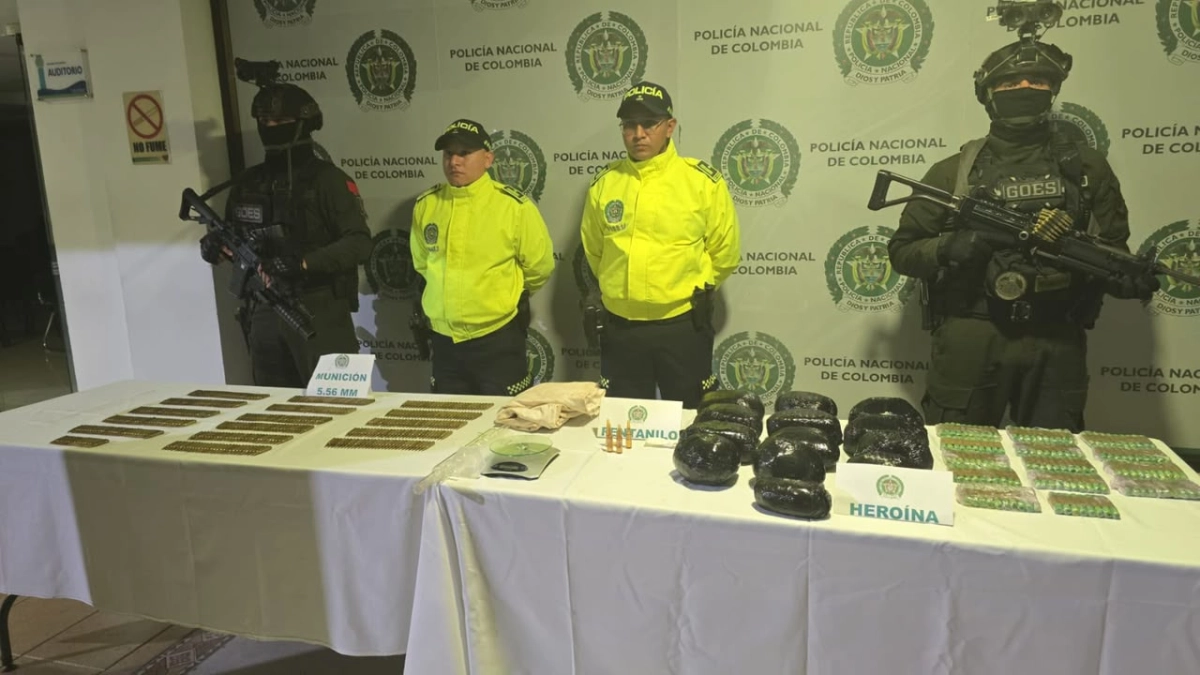
- September 2026: The Strike. After months of surveillance and data analysis, the Fiscalía executed a nationwide operation in Medellín and across the Antioquia region, resulting in five arrests and the seizure of dozens of high-value assets.
The Role of OFAC and International Links
One of the most alarming aspects of this case, as highlighted by investigators, is the connection to international entities already on the radar of the United States. The investigation confirmed that the network facilitated financial transfers with groups and individuals sanctioned by the Office of Foreign Assets Control (OFAC) of the U.S. Department of the Treasury.
By interacting with OFAC-sanctioned actors, the Colombian network essentially acted as a financial bridge, helping global criminal organizations legitimize their holdings. This cross-border connection underscores the evolving nature of the drug trade, which is no longer limited to physical shipments but is deeply integrated into the global digital financial architecture.
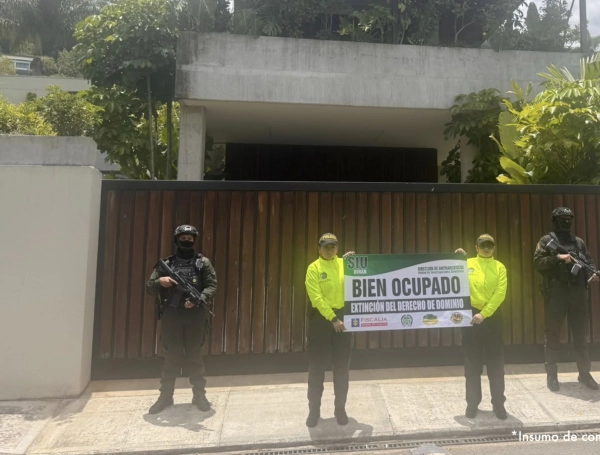
Sandra Liliana Mesa, the Director against Money Laundering, explained that the group’s modus operandi relied on "rapid monetization." Once the digital assets were transferred, they were quickly converted back into fiat currency and reinvested into high-end real estate and luxury vehicles. This final step provided the "veneer of legality" that allowed the illicit funds to be integrated into the mainstream economy.
Supporting Data: Asset Seizure and Valuation
The scale of the seizure is substantial, representing a significant blow to the financial infrastructure of the criminal organization. Juan Felipe Cárdenas, the Director of Asset Forfeiture, confirmed that precautionary measures have been placed on 36 specific assets located in the department of Antioquia.
The breakdown of the seized assets includes:
- 4 Luxury Real Estate Properties: High-value residential units in Medellín.
- 19 Vehicles: Including high-end luxury models used to transport assets and maintain the appearance of wealth.
- 9 Business Entities: The shell companies used to facilitate the laundering process.
- 4 Commercial Establishments: Front businesses used to justify daily cash flows.
The total estimated value of the confiscated assets is approximately 10.2 million U.S. dollars. These assets are now under the custody of the Colombian state, awaiting the conclusion of legal proceedings to finalize their permanent extinction of domain (confiscation).

Official Responses and Political Implications
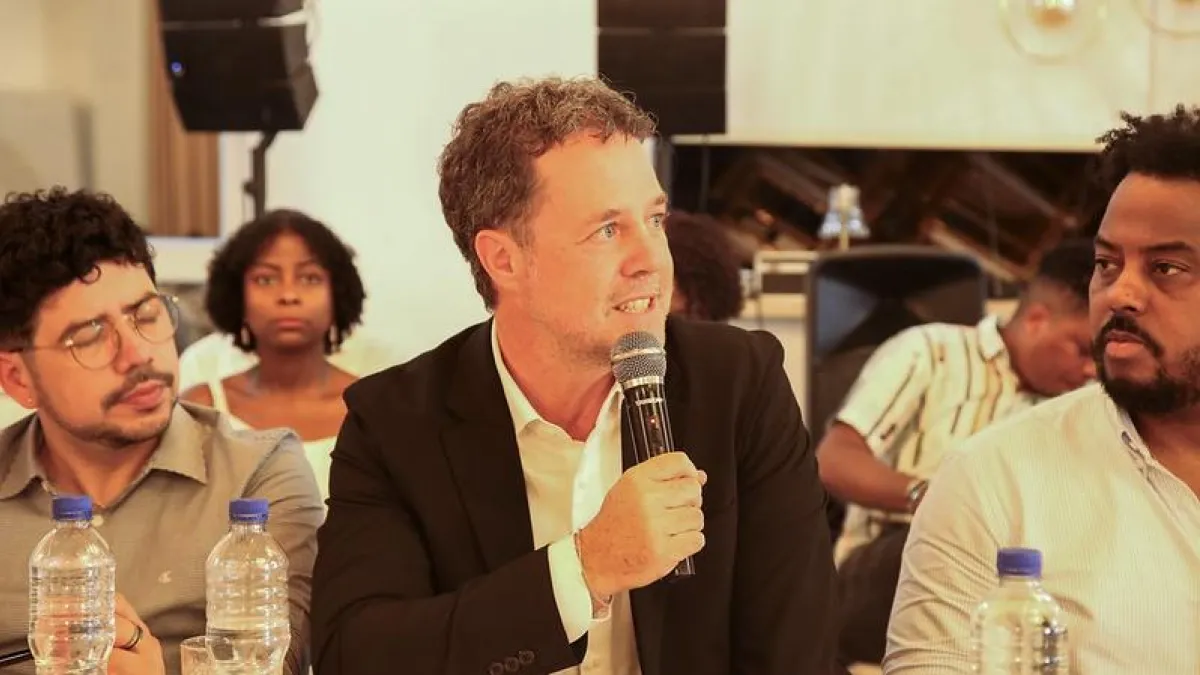
The operation has been hailed as a triumph for Colombian law enforcement and a clear signal that the state is modernizing its approach to cyber-financial crime. Medellín Mayor Federico Gutiérrez publicly acknowledged the success of the operation, emphasizing the importance of disrupting the financial engines that power violence and instability in the region.
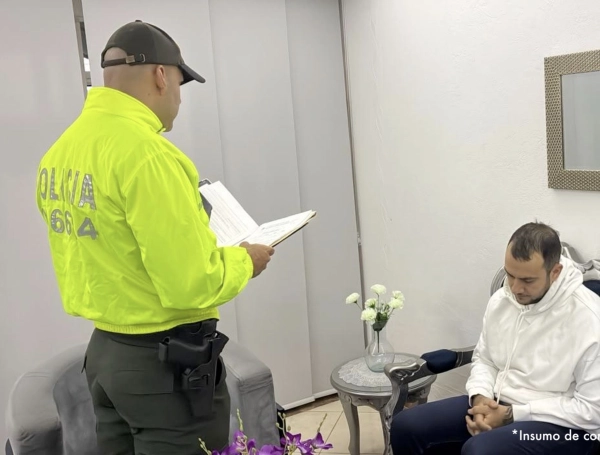
"This is not just about seizing cars or buildings; it is about dismantling the financial foundation that allows criminal structures to operate with impunity," an official source stated. The Fiscalía has confirmed that while five individuals are currently in custody, the investigation remains active. Prosecutors are preparing to present the detainees before a judge to face formal charges, which are expected to include money laundering, illicit enrichment, and conspiracy.

The Implications of Crypto-Laundering
The case represents a growing trend in global criminality: the "crypto-laundering" phenomenon. Because cryptocurrency transactions can be obfuscated through "mixers," decentralized exchanges, and multiple wallet hops, law enforcement agencies are forced to invest heavily in blockchain forensic tools to trace the flow of funds.
This case serves as a warning to the financial sector regarding the necessity of rigorous "Know Your Customer" (KYC) and Anti-Money Laundering (AML) protocols. The fact that these companies operated with zero commercial output yet handled massive volumes of money indicates a failure in internal reporting systems that the Prosecutor’s Office is now scrutinizing.

As the legal proceedings move forward, the case will likely serve as a blueprint for future prosecutions involving digital assets. It highlights that while blockchain technology is often touted for its security, it is not an impenetrable shield against a determined and technically proficient state investigation.
Conclusion
The dismantling of this network is a milestone for Colombian judicial authorities. By effectively linking drug trafficking, international sanctions, and modern cryptocurrency exploitation, the Prosecutor’s Office has demonstrated that it is capable of evolving alongside the criminals it pursues. As the judicial process continues, the focus will remain on the five detainees and the potential for uncovering higher-level operators who may still be managing the remains of this vast, 2.3-trillion-peso laundering empire.

For now, the seizure of 10.2 million dollars in assets serves as a tangible reminder that in the world of illicit finance, the digital trail is eventually forced to meet the physical world—and when it does, the law is ready to intervene.