By Edwin Caicedo
Environment and Health Journalist
Updated: September 22, 2026
Main Facts
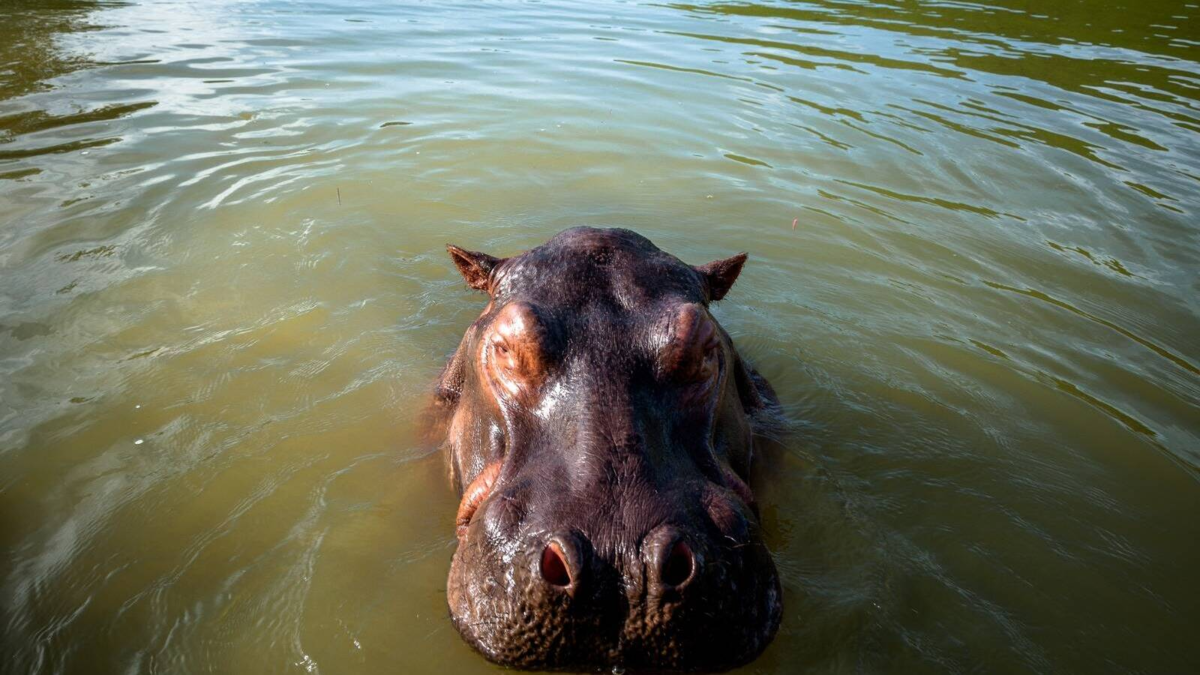
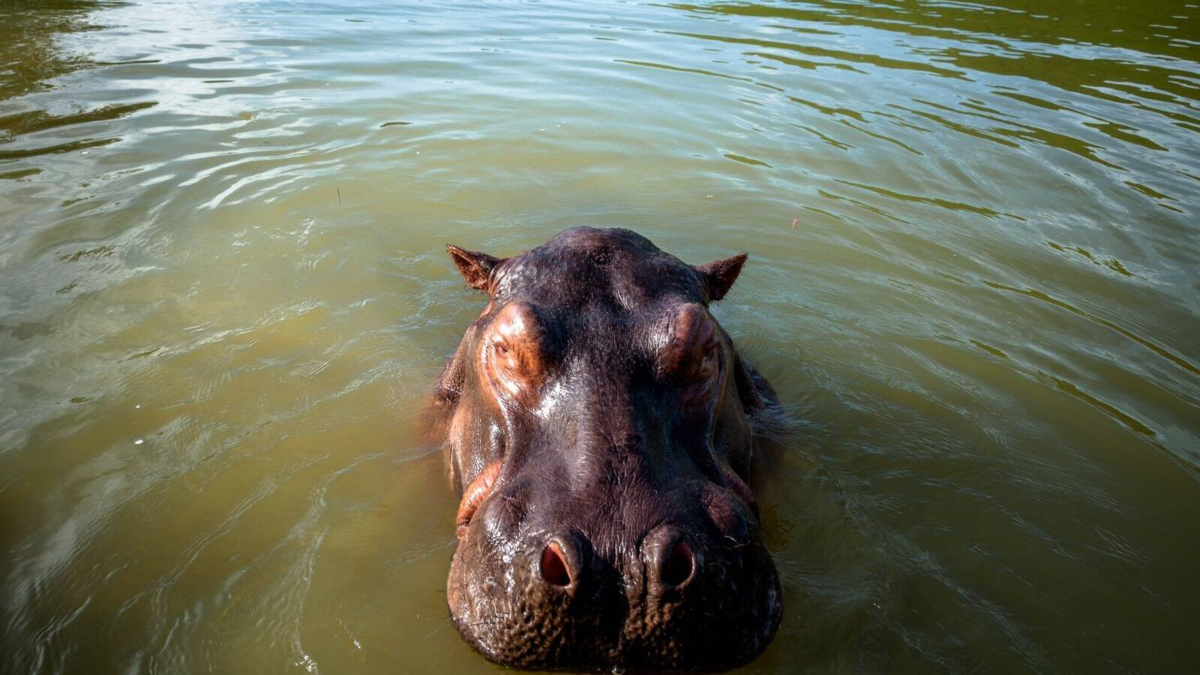
The Colombian Ministry of Environment has officially launched a renewed strategic action plan to combat the relentless expansion of African hippopotamuses (Hippopotamus amphibius)—a species classified as exotic and highly invasive—across the national territory. The primary epicenter of this biological crisis remains the Magdalena River basin and the complex wetland ecosystems of the Mompós Depression.
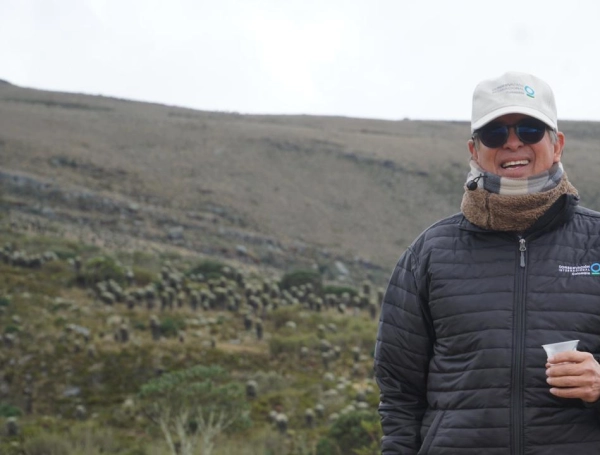
The announcement followed a high-level summit held in Rionegro, Antioquia, which brought together key stakeholders from the National Environmental System (SINA). Attendees included representatives from the Ministry of Environment, the Alexander von Humboldt Biological Resources Research Institute, and three regional autonomous corporations with jurisdiction over the affected areas: Cornare, Corantioquia, and CAS.
The core objective of the newly structured directive is to tightly coordinate the institutional capacities of SINA agencies, reinforce regulatory and containment measures, and drastically accelerate implementation timelines across the regions.

Crucially, the rollout of this revamped framework sparked intense public speculation over the fate of a controversial policy first introduced by the previous administration under former Minister Irene Vélez: the controlled euthanasia of a subset of the hippo population. Addressing these concerns directly, current Minister of Environment Fabio Arjona clarified in an interview that the updated strategy does not cancel, discard, or invalidate the euthanasia protocol.
“The Plan for the Prevention, Control, and Management of the Invasive Exotic Species Hippopotamus remains the active framework, and we are not announcing its cancellation,” the Ministry asserted. Instead, the administration is integrating rigorous academic and scientific dialogue into the existing policy to evaluate whether new, supplemental measures are necessary while simultaneously breaking down historical bureaucratic bottlenecks that have long hampered local execution.

Chronology of an Ecological Crisis
To understand the magnitude of Colombia’s current hippo dilemma, one must look back nearly half a century to the origins of the population:
- The 1980s (The Illicit Importation): During the height of his cartel empire, drug lord Pablo Escobar illegally imported a private collection of exotic animals, including four hippos (one male and three females), to populate his lavish estate, Hacienda Nápoles, located in the middle Magdalena Valley.
- Post-1993 (Abandonment and Feral Expansion): Following Escobar’s death in 1993, authorities seized most of the estate’s exotic fauna. However, the heavy, semi-aquatic hippopotamuses proved logistically impossible to relocate and manage. They were left behind in the abandoned artificial lakes of the estate.
- The 2000s–2010s (Unchecked Growth): Benefiting from a warm climate, abundant year-round food sources, expansive wetlands, and a complete absence of natural predators or competitors, the small pod began to multiply exponentially. Local sightings shifted from rare anomalies to frequent occurrences.
- December 2009 (The Death of Pepe): The wild management debate ignited globally when a rogue hippo named Pepe escaped Hacienda Nápoles and was subsequently hunted and killed by members of the Colombian military and environmental authorities. The incident triggered widespread public outrage and catalyzed years of legal and ethical gridlock.
- 2023 (Official Declaration and Euthanasia Approval): Under the Ministry of Environment led by Irene Vélez, the Colombian government officially declared the hippopotamus an exotic invasive species. The administration unveiled a formal management plan that explicitly incorporated targeted euthanasia alongside sterilization and potential international rehoming.
- Late 2025 – Early 2026 (Institutional Friction): Upon taking office under the administration of Abelardo de La Espriella, new Environment Minister Fabio Arjona discovered significant operational friction and poor inter-institutional communication among regional SINA entities, which stalled the practical rollout of the containment strategies.
- September 2026 (The Rionegro Summit): The Ministry convenes regional corporations and the Humboldt Institute in Rionegro, Antioquia, to overhaul the operational alignment of the active plan, reaffirming that science—and potentially euthanasia—will dictate the next waves of intervention.
Supporting Data and Demographic Projections
The ecological math behind Colombia’s hippopotamus crisis presents a chilling trajectory for conservationists and public policy planners alike.
According to demographic models compiled jointly by the Ministry of Environment and the Alexander von Humboldt Institute, the current population sits at approximately 200 individuals. If left to reproduce unchecked under current environmental conditions, biological projections indicate that the population will swell to 1,000 individuals by the year 2035.
Key Ecological Risk Factors:
- Habitat Degradation: Hippos are massive ecosystem engineers—albeit destructive ones in non-native landscapes. Their sheer weight alters soil compaction, destroys riparian vegetation, and drastically reshapes the banks of rivers and wetlands.
- Water Chemistry Alterations: Massive amounts of dung deposited daily by pods of hippos into localized water bodies introduce high levels of organic matter. This leads to severe eutrophication, oxygen depletion, and massive fish kills, altering the natural hydrology of the Magdalena basin.
- Competition with Native Fauna: The invasive giants directly compete for food and space with vulnerable and endangered native Colombian wildlife, including the West Indian manatee (Trichechus manatus), the capybara (Hydrochoerus hydrochaeris), and Neotropical otters.
- Human-Wildlife Conflict: Unlike their African counterparts, which share an evolutionary history with humans, Colombian hippos roam freely through populated rural areas, unfenced farmlands, and fishing villages. Their aggressive and unpredictable territorial nature poses a severe, ongoing threat to human life and local livelihoods.
Official Responses and Strategic Adjustments
The core motivation behind the recent Rionegro summit was not to scrap existing environmental decrees, but rather to fix a fractured execution pipeline. The Ministry candidly admitted that when the current administration assumed office, the various regional bodies tasked with enforcement lacked the necessary synchronization, funding coordination, and unified directives to carry out complex field operations.

“When we arrived, we found that the entities of SINA were not sufficiently coordinated for its implementation,” the Ministry stated.
By putting the existing management plan “into dialogue with the academy and the scientific community,” the government aims to validate, refine, and operationalize the methodologies required to curb the population surge.

Addressing persistent rumors regarding the complete abandonment of lethal population control, Minister Fabio Arjona and his team were unequivocal. The Ministry emphasized that framing the new operational strategy as a cancellation of euthanasia is fundamentally inaccurate.
“It is not correct to state that euthanasia has been canceled,” the Ministry reiterated.
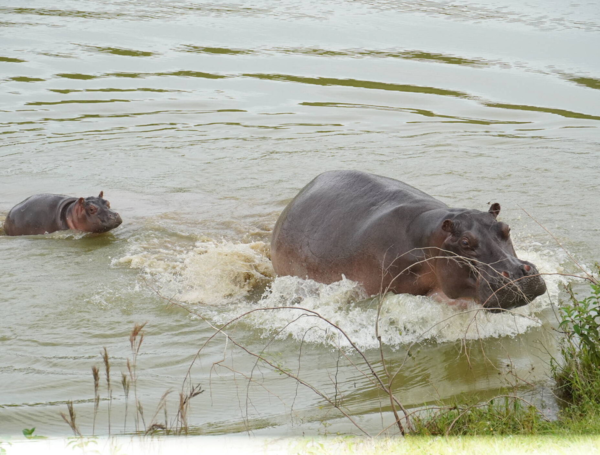
Instead, the government intends to lean heavily on empirical data. Future interventions—whether chemical sterilization, surgical castration, translocations (should legal and international logistics ever permit), or targeted lethal removal—will be dictated strictly by technical evaluations and expert scientific recommendations.
“From this process will emerge a plan backed by all available science to reach mechanisms that allow us to decrease the impact this invasive species is having on native fauna populations, in addition to reducing the level of danger it represents for communities,” Minister Arjona affirmed.

Implications of the Updated Strategy
The continuation of Colombia’s aggressive management framework carries profound implications across multiple fronts—ecological, political, diplomatic, and ethical.
1. Ecological Restoration vs. Animal Welfare Debates
The hippo debate sits at an agonizing intersection between modern conservation biology and animal rights activism. Animal welfare groups and international celebrities have repeatedly intervened to stop lethal measures, sometimes offering alternative solutions such as mass sterilization or costly international rehoming.

For instance, proposals floated by private international entities—such as a prominent offer from Indian billionaire Anant Ambani to absorb 80 of Pablo Escobar’s hippos into a private sanctuary—faced insurmountable bureaucratic, regulatory, and financial hurdles. Shipping dozens of multi-ton, highly dangerous wild animals across oceans requires complex CITES permits, massive quarantine protocols, and millions of dollars in logistics that neither local governments nor foreign donors can easily streamline.
Without viable, large-scale international sanctuaries capable of absorbing hundreds of hyper-fertile animals, Colombian authorities face a grim mathematical reality: sterilization alone cannot keep pace with the species’ natural reproductive rate. Left unchecked, inaction guarantees the displacement and potential extinction of fragile native biodiversity.

2. Legal and Institutional Accountability
By forcing regional autonomous corporations (such as Cornare and Corantioquia) into closer alignment with national scientific bodies, the Ministry is attempting to bypass historical buck-passing. Local environmental agencies often faced intense social pressure, community pushback, and local protests when attempting to execute controversial interventions. A unified national front backed by SINA provides local authorities with the legal backing, institutional resources, and political cover needed to execute difficult field orders.
3. A Global Precedent in Invasive Species Management
Colombia’s battle with Pablo Escobar’s legacy hippos is entirely unprecedented in modern conservation history. It represents the only established, free-roaming mega-herbivore invasion outside of its native continent. How Colombia ultimately manages this crisis—balancing public safety, ecological preservation, scientific rigor, and intense ethical scrutiny—will serve as a defining global case study for how modern nations confront the cascading consequences of historical wildlife introductions in the Anthropocene.

For now, the message from Bogotá is clear: the plan remains active, the science will guide the scalpel and the syringe, and the hard work of reining in a ticking ecological time bomb is only just beginning.