By María Paula Lozano
Digital Reach Newsroom
Published: September 21, 2026 – 3:07 PM
Updated: September 21, 2026 – 5:22 PM
Main Facts
A violent meteorological system swept across the central region of Argentina on Sunday, September 20, 2026, unleashing torrential downpours, ferocious wind gusts, and catastrophic hailstorms. The extreme weather phenomenon—driven by rapidly developing supercell thunderstorms—left a trail of destruction marked by severe material damage, agricultural devastation, widespread power outages, and multiple injuries.
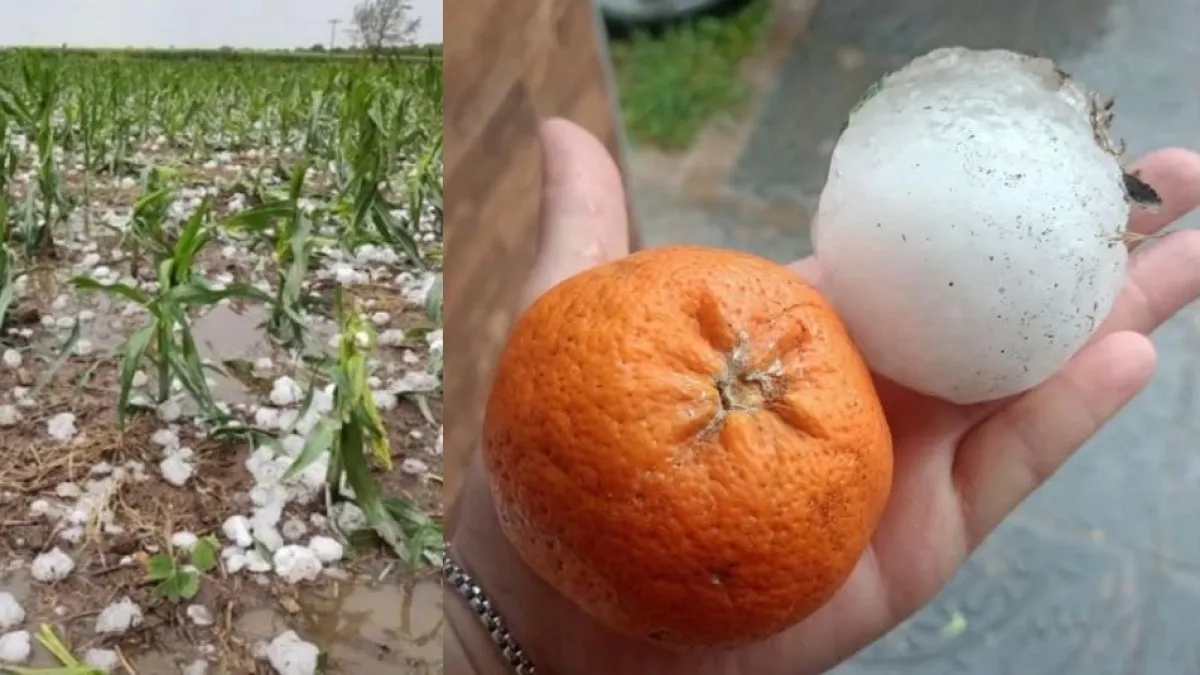
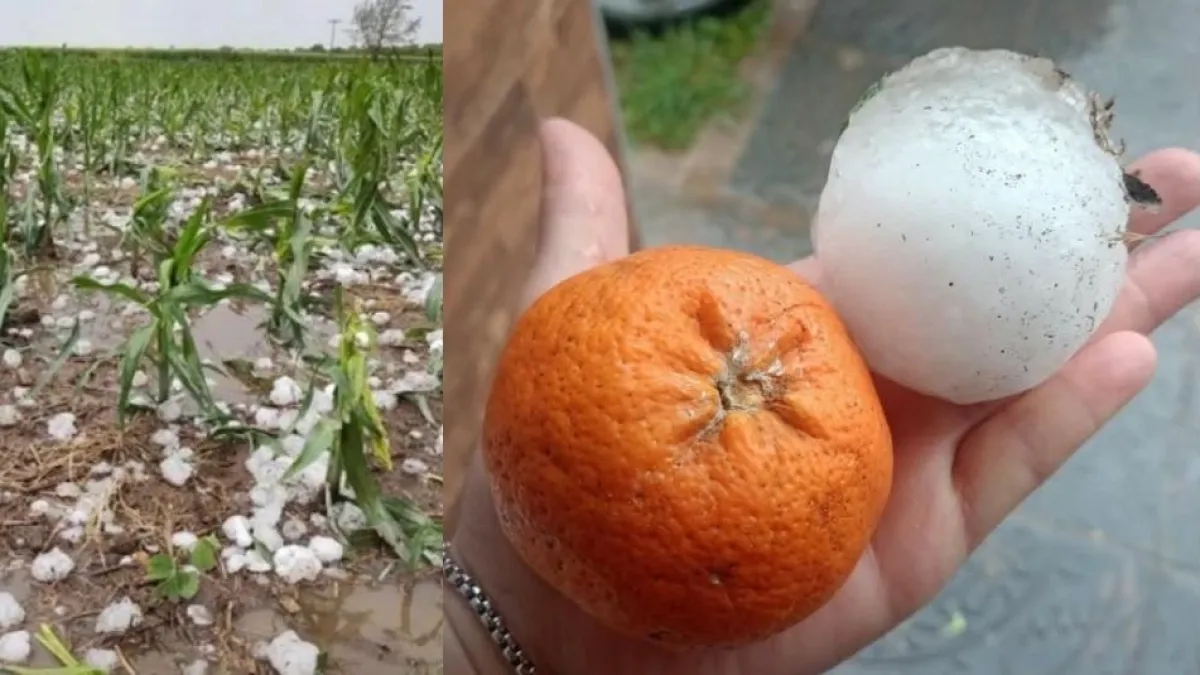
The hardest-hit locality was La Francia, situated in the province of Córdoba, where an intense, 15-minute bombardment of colossal ice blocks abruptly interrupted a major rural exhibition hosted at the Club Deportivo and Cultural. Eyewitness accounts and dramatic social media footage revealed hailstones the size of mandarins hammering vehicles, shattering windshields, denting car bodies, and punching holes through roofs.
Beyond La Francia, the storm system wreaked havoc across multiple other departments and neighboring provinces, including Santa Fe and Entre Ríos. Emergency services mobilized swiftly to cope with structural collapses, flooded roadways, compromised crops, and the sudden influx of injured citizens seeking medical attention. While no fatalities were reported, local health authorities treated several individuals for trauma-related injuries caused by falling debris and ice.

Chronology of the Event: How the Storm Unfolded
The severe weather outbreak began developing during the afternoon hours of Sunday, September 20, as atmospheric instability combined with high humidity and shifting wind patterns over central Argentina. Meteorologists had issued preliminary advisories warning of potential atmospheric disturbances, but the sheer velocity and destructive capacity of the resulting supercells caught many residents off guard.
The Attack on La Francia (3:00 PM – 3:30 PM)
At approximately 3:00 PM, the storm front directly intercepted the town of La Francia. At the time, hundreds of residents, farmers, and regional visitors were gathered at the Club Deportivo and Cultural grounds for a traditional rural exposition—an event celebrating local agriculture and community commerce.

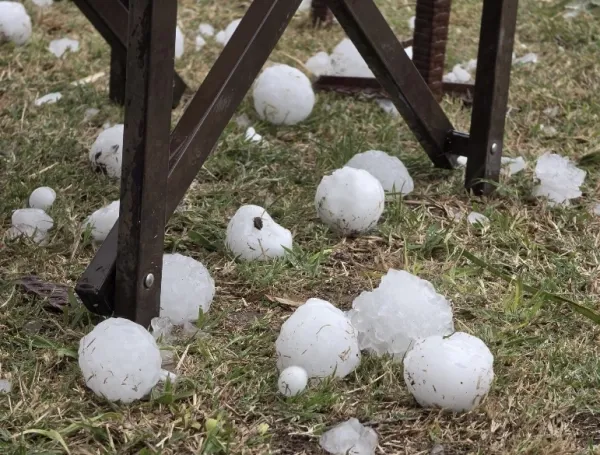
Within minutes, clear skies gave way to an ominous, churning dark cloud canopy characteristic of a classic supercell formation. Without warning, the sky opened up, initially releasing heavy rain before rapidly escalating into a furious barrage of solid ice. For roughly fifteen agonizing minutes, hailstones measuring up to several inches in diameter—comparable in size to citrus fruit—pounded the exhibition grounds.
Attendees scrambled frantically for shelter under temporary tents, exhibition booths, and permanent structures, many of which offered little protection against the relentless icefall. Vehicles parked along the perimeter of the club suffered catastrophic damage: glass windshields were obliterated, side mirrors sheared off, and metallic hoods deeply indented.
Spreading Chaos Across Córdoba (3:30 PM – 6:00 PM)
As the primary supercell tracked eastward and southeastward, it left a swath of destruction across multiple municipalities within the Córdoba province. Localities such as Sacanta, Calchín, Oncativo, Hernando, Berrotarán, Tío Pujio, and Santa Rosa de Calamuchita all reported severe localized weather events. In each of these towns, residents watched in dismay as accumulated ice turned streets into frozen white rivers, blocking drainage systems and overwhelming municipal infrastructure.
Expansion into Santa Fe and Entre Ríos (6:00 PM – 10:00 PM)
By early evening, the dynamic storm system crossed provincial boundaries, intensifying as it fed on unstable atmospheric energy over the provinces of Santa Fe and Entre Ríos.

In Santa Fe, violent hailstorms battered the communities of San Jorge and Santa Clara de Buena Vista, stripping trees of foliage and damaging residential roofs. Simultaneously, inhabitants of Paraná, the capital of Entre Ríos, experienced an intense onslaught of heavy rain and wind-driven hail. Streets, patios, and sidewalks across the city were quickly blanketed by a thick layer of ice, severely disrupting vehicular traffic and forcing transit authorities to temporarily close several intersections due to poor visibility and hydroplaning hazards.
Supporting Data and Meteorological Context
To understand the severity of the September 20 event, meteorological analysts pointed to the specific dynamics of the storm system. Santiago Corinaldesi, a prominent regional meteorologist, highlighted on social media that the storms were triggered by an aggressive outbreak of supercells—a type of thunderstorm characterized by a persistent rotating updraft known as a mesocyclone.

Key Meteorological and Impact Data:
- Duration of Peak Hail in La Francia: Approximately 15 intense minutes.
- Maximum Hailstone Dimensions: Up to the size of a mandarin orange (roughly 7 to 9 centimeters in diameter).
- Primary Geographic Reach: Central Argentina, heavily impacting Córdoba, with secondary extensions into Santa Fe and Entre Ríos.
- Medical Interventions: 8 patients officially treated and subsequently discharged at the Dr. Carlos J. Rodríguez Municipal Hospital in Arroyito.
- Infrastructure Disruption: Multiple localized power grid failures, notably affecting neighborhoods such as San Agustin due to downed power lines and transformer overloads.
The combination of dense ice accumulation and high-velocity wind gusts created a compounded hazard index. While standard hailstorms typically pose risks primarily to agriculture, the exceptional density and size of the ice blocks in this event possessed enough kinetic energy to shatter automotive safety glass and penetrate corrugated roofing materials commonly used in rural outbuildings.
Official Responses and Medical Operations
As the storm began to dissipate late Sunday afternoon, regional emergency response frameworks were immediately activated. Given the limited immediate trauma infrastructure within the smaller town of La Francia, regional coordination protocols directed emergency medical cases toward larger neighboring facilities.

Hospital Municipal Dr. Carlos J. Rodríguez
The Hospital Municipal Dr. Carlos J. Rodríguez, located in the nearby city of Arroyito, served as the primary medical hub for casualties stemming from the hardest-hit zones. Hospital administrators confirmed that emergency rooms were prepped to receive a surge of patients evacuated from La Francia and surrounding rural sectors.
In total, eight individuals were officially registered and treated for physical injuries sustained during the tempest. Medical bulletins categorized all eight cases as "mild to moderate," primarily consisting of:

- Contusions and lacerations caused by flying debris and shattered glass.
- Minor head and shoulder trauma from individuals caught in the open during the initial ice barrage.
- Acute stress and shock reactions.
The medical staff executed comprehensive triage protocols, administering physical examinations, necessary radiological studies (X-rays), and wound care. Demonstrating high operational efficiency, the hospital successfully stabilized all incoming patients. By 9:00 PM on Sunday evening, all eight injured individuals had received official medical clearance and were discharged to recover at home.
Municipal and Utility Interventions
Beyond healthcare mobilization, municipal crews across Córdoba, Santa Fe, and Entre Ríos deployed teams early Monday morning to clear blocked drainage grates, remove fallen branches, and assess structural integrity in public schools and community centers.

Utility companies reported substantial challenges regarding the power grid. Transformer failures and snapped electrical cables plunged various residential zones into darkness. Crews worked through the night and into Monday afternoon to restore service, prioritizing hospitals, water treatment plants, and emergency coordination centers.
Socio-Economic and Agricultural Implications
While the immediate physical injuries were successfully managed by local health systems, the long-term socio-economic ramifications of the September 20 storm are projected to be substantial, particularly for the agricultural sector.

Agricultural and Rural Devastation
Central Argentina is recognized globally as an agricultural powerhouse, producing vast quantities of grains, oilseeds, and livestock. The timing of the storm—striking during a major rural exhibition and active planting/growing seasons—dealt a severe blow to regional producers.
- Crop Damage: Agronomists in the affected districts of Córdoba and Santa Fe reported extensive bruising and destruction of early-season crops, winter wheat stands, and forage fields. The heavy ice accumulation effectively shredded delicate plant tissues, threatening local harvest yields.
- Infrastructure Losses: Numerous rural properties, known locally as estancias and fincas, suffered heavy property loss. Farmers reported smashed greenhouse panels, broken water storage tanks, dented tractors, and structural damage to barns and storage silos.
- Livestock Impact: While widespread livestock mortality has not been officially confirmed, animal welfare experts note that unprotected livestock exposed to the sudden drop in temperature and high-velocity ice impact likely experienced acute trauma and stress.
Economic Strain on Small Businesses and Families
For residents of towns like La Francia and surrounding rural municipalities, the financial toll of repairing private property is a mounting concern. With dozens of family automobiles suffering total structural and glass damage, local insurance agencies anticipate an unprecedented surge in automotive and homeowner claims. Because many small-scale farmers and independent workers rely heavily on their vehicles and rural outbuildings for daily commerce, the temporary loss of operational mobility threatens household income stability.

Broader Infrastructure Vulnerability
The storm has once again thrust the conversation surrounding climate resilience and infrastructure durability into the public spotlight. Urban planners and civil defense organizations across central Argentina are under increasing pressure to upgrade drainage networks, reinforce public buildings against extreme meteorological anomalies, and improve early-warning dissemination systems to protect citizens from the escalating frequency of violent weather events linked to regional climate variability.
As recovery efforts continue, local governments and provincial authorities remain on high alert, with meteorological services maintaining watch over the region for potential secondary systems developing in the wake of Sunday’s historic storm.