By Angie Rodríguez (Translated and Enriched by Global Aviation Desk)
Published: September 15, 2026
Main Facts
The United States and Colombia share one of the most robust and highly connected aviation corridors in the Western Hemisphere. Currently, this dynamic bilateral market accounts for roughly 350 weekly flight frequencies, putting more than 61,700 seats at the disposal of travelers across 12 distinct U.S. urban centers.
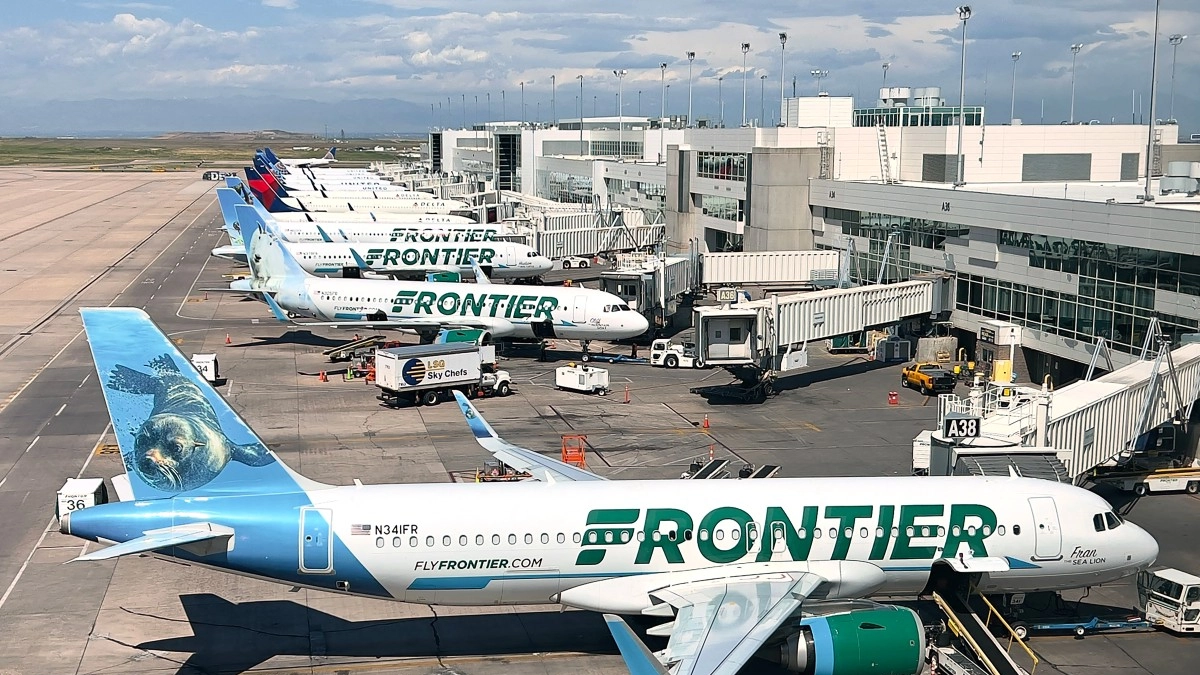
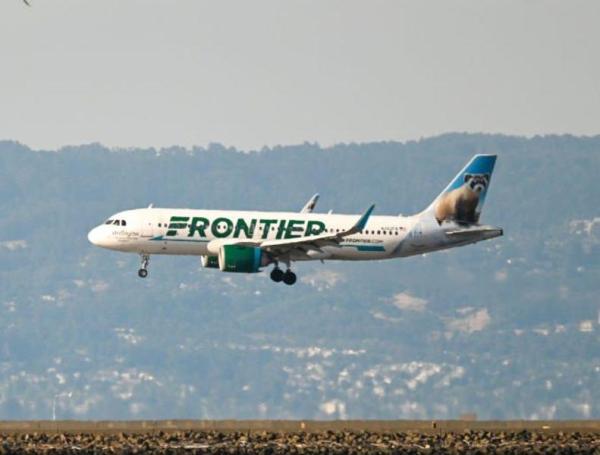
Against this backdrop of high-demand traffic, American ultra-low-cost carrier (ULCC) Frontier Airlines has officially announced its inaugural entry into the South American market. The airline is launching direct, non-stop services connecting Orlando, Florida, with three major Colombian hubs: Bogotá, Medellín, and Cartagena.
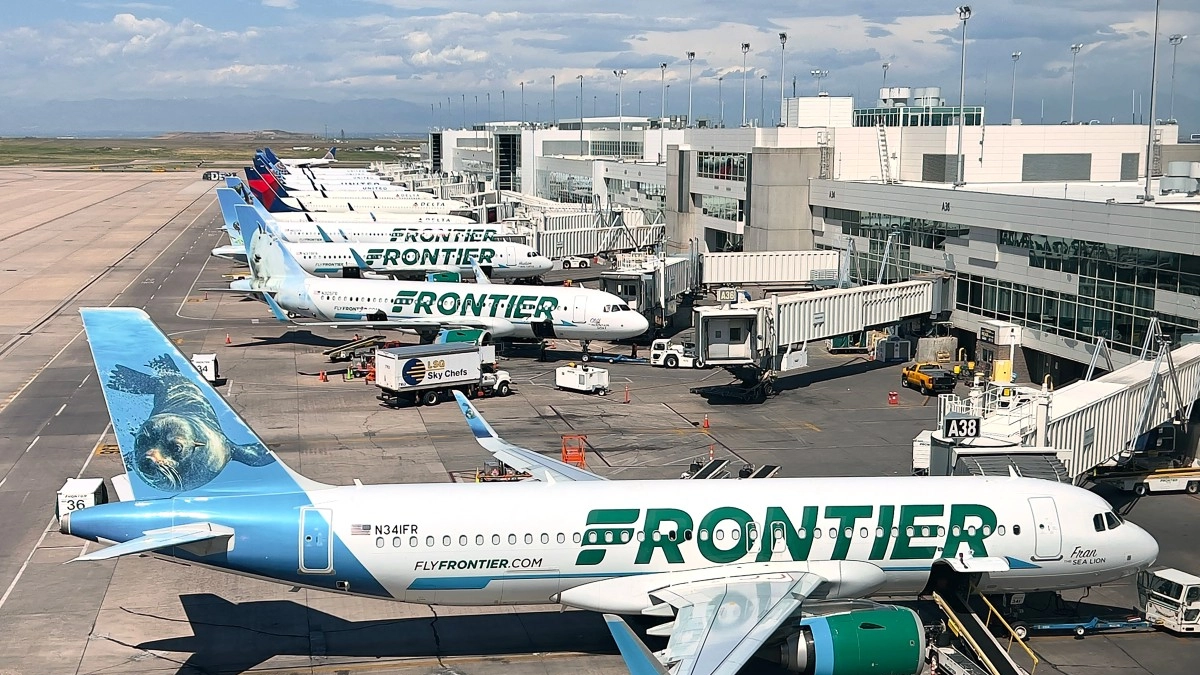
This initial rollout will immediately inject 14 new weekly frequencies into the U.S.–Colombia corridor. Operations are slated to scale up further to 15 weekly frequencies once the Orlando–Bogotá route shifts to a daily schedule. According to executive leadership, this new bridge of connectivity will open up seamless access for Colombian travelers to more than 50 destinations spanning the United States and the broader North American region.
During the launch event, Daniel Camejo, Vice President of Frontier Airlines, underscored that Colombia represents a critical, high-potential strategic anchor for the company’s international growth strategy. He emphasized that this tripartite route launch is merely the opening chapter of a much broader, long-term operational commitment to the country and the South American continent at large.
Chronology of Expansion
To fully understand how Frontier Airlines arrived at its historic decision to fly to South America, it is necessary to trace the convergence of shifting travel demographics, fleet modernization, and post-pandemic airline strategies.

- Pre-2023 (The Low-Cost Evolution): For over three decades, Frontier operated primarily as a domestic U.S. and near-international carrier (focusing on Mexico, the Caribbean, and Central America). Recognizing shifting consumer habits, the airline initiated a multi-year pivot away from the bare-bones ULCC model toward a hybrid approach focused on elevated onboard experiences without sacrificing baseline affordability.
- Late 2023 – 2024 (Market Scouting): Corporate strategy teams at Frontier identified Colombia as the premier gateway to South America. Driven by dense demographic ties between Florida and Colombian urban centers, network planners began evaluating slot availability, bilateral traffic rights, and operational feasibility at Bogotá’s El Dorado International Airport, Medellín’s José María Córdova International Airport, and Cartagena’s Rafael Núñez International Airport.
- Mid-2025 (Product Upgrades & Infrastructure Investment): In a bid to prepare for long-haul international expansion, Frontier announced major fleet enhancements. The carrier partnered with Starlink to roll out high-speed in-flight Wi-Fi across its entire fleet (slated for completion by 2027) and committed to installing premium first-class seating options.
- September 2026 (Official Launch): Frontier officially launches its operations into Colombia, establishing non-stop routes from Orlando (MCO) to Bogotá (BOG), Medellín (MDE), and Cartagena (CTG). This milestone marks the first time the prominent U.S. ULCC has established a physical footprint on the South American mainland.
Supporting Data & Market Metrics
The entry of Frontier Airlines into the Colombian aviation ecosystem is supported by compelling macroeconomic and industry data:
- Bilateral Footprint: The U.S.–Colombia market currently supports 350 weekly frequencies and more than 61,700 seats distributed across 12 U.S. gateways.
- Initial Frontier Capacity: The airline’s debut introduces 14 weekly frequencies, quickly climbing to 15 weekly frequencies as the Orlando–Bogotá route transitions to daily service.
- Network Reach: Passengers boarding Frontier flights from Colombia to Orlando gain single-connection access to over 50 destinations across the United States. Furthermore, Orlando acts as a springboard to South Florida’s dense transit web, allowing travelers to easily link to West Palm Beach, Fort Lauderdale, and Miami.
- Fleet Modernization Timeline: Frontier’s ongoing fleet overhaul aims for total Wi-Fi integration via Starlink by 2027, alongside the rollout of upgraded premium seating options scheduled for completion by the first quarter of the upcoming year.
Official Responses: An Interview with Daniel Camejo, VP of Frontier Airlines
EL TIEMPO sat down exclusively with Daniel Camejo, Vice President of Frontier Airlines, to discuss the carrier’s debut in Colombia, its expansion roadmap, and how it plans to capture market share in Latin America’s most competitive aviation hubs.
What did Frontier identify in the Colombian market that made it the ideal starting point for your entry into South America?
"It is no secret that Colombia is one of the most important countries in the region, and specifically within the aviation sector, it is a prominent market. Like all airlines, we are constantly reviewing regional markets, countries, and cities. We identified Colombia as the absolute best opportunity to enter South America. We are extremely excited and hold high expectations for what this represents. We truly hope this is just the beginning of something much larger."
Frontier is launching operations between Orlando and Bogotá, Medellín, and Cartagena. What differences did you identify in the potential of each of these destinations?
"We are kicking off with a single city in the U.S., which is Orlando. We believe that because of tourism, the theme parks, and what Orlando culturally represents for Colombian travelers, it is a critical factor. Demographically, there is also a massive community of Colombians residing in the greater Orlando area.
Beyond that, we are giving our passengers the option to easily connect to other destinations in South Florida once they land in Orlando—such as West Palm Beach, Fort Lauderdale, and Miami. Passengers have practical, straightforward travel options once they arrive in Orlando, amplified by Frontier’s onward network of over 50 destinations from that hub."
Are these three initial connections the springboard for an expansion that could incorporate other Colombian cities and new routes into the United States?
"We certainly view it that way. Our expectations are particularly high for these three initial routes. If performance metrics meet or exceed our targets, we will undoubtedly have a strong interest in expanding our service portfolio and operating in additional cities across Colombia."

Frontier enters Colombia during a period of fierce competition among low-cost carriers. What market space do you intend to occupy, and what is your core differentiator?
"Frontier is new to Colombia, but we are certainly not new to the industry; we have over 30 years of operational history. Over the past three years specifically—not just because of our entry into Colombia, but across our entire network—the company has heavily focused on elevating the traveler experience, moving beyond the traditional perception of offering only low baseline fares.
As part of that evolution, we have made major investments. For instance, a couple of months ago we announced the installation of in-flight Wi-Fi across all our aircraft, in partnership with Starlink, which will be fully completed by 2027. Additionally, we are introducing premium first-class seating options starting next month, with fleet-wide installation expected to wrap up by the first quarter of next year. We have also revamped our loyalty program with a series of major enhancements. We believe this blend of affordability and upgraded product quality is a differentiator that the Colombian market hasn’t previously had access to."
Why do you believe these experiential elements of air travel are becoming increasingly important to consumers?
"About seven years ago, passengers rarely based their travel decisions on those types of amenities. Today, however, it is much more common to see travelers deliberately choosing to fly with a specific airline based on product quality and the overall level of service provided."

How do you view Bogotá’s consolidation as a regional hub, and what role can Frontier play in that process?
"El Dorado [International Airport] has established itself for some time now as a premier hub for the region. You can see this clearly in the healthy congestion at the terminal—which I view in a positive light, as it is clear evidence of the tremendous demand the airport commands today.
Right now, Frontier stands as the largest and most influential ultra-low-cost carrier in the United States. Directing our attention here and entering with three cities is a testament to our belief in Colombia’s future. If and when expansion occurs, it will naturally involve Bogotá and all the other cities where we operate. We are continuously analyzing other locations in Colombia so that we can announce a strategic expansion at the precise, right moment."
Implications of the Expansion
The entry of Frontier Airlines into the Colombian aviation market carries profound implications for travelers, domestic competitors, and international trade:
- Downward Pressure on Fares: The introduction of an established U.S. ultra-low-cost carrier on high-density routes to Florida is expected to stimulate fare competition, forcing legacy carriers and existing low-cost competitors to optimize pricing and promotional structures.
- Enhanced Regional Mobility: By utilizing Orlando as a primary gateway linked to more than 50 domestic U.S. points—as well as facilitating secondary travel across South Florida—Colombian travelers gain unprecedented, cost-effective access to the American market.
- Validation of El Dorado and Regional Hubs: Frontier’s multi-city entry reinforces Bogotá’s status—alongside Medellín and Cartagena—as indispensable aviation hubs in Latin America, validating the heavy passenger demand that continues to drive infrastructure development in the region.
- A Shift in ULCC Expectations: By pairing low-cost ticketing with modern amenities such as Starlink high-speed Wi-Fi and upgraded seating, Frontier is actively redefining what consumers expect from budget aviation, signaling a broader industry trend toward hybrid service models.