
By Angie Rodríguez
Travel and Trends Journalist
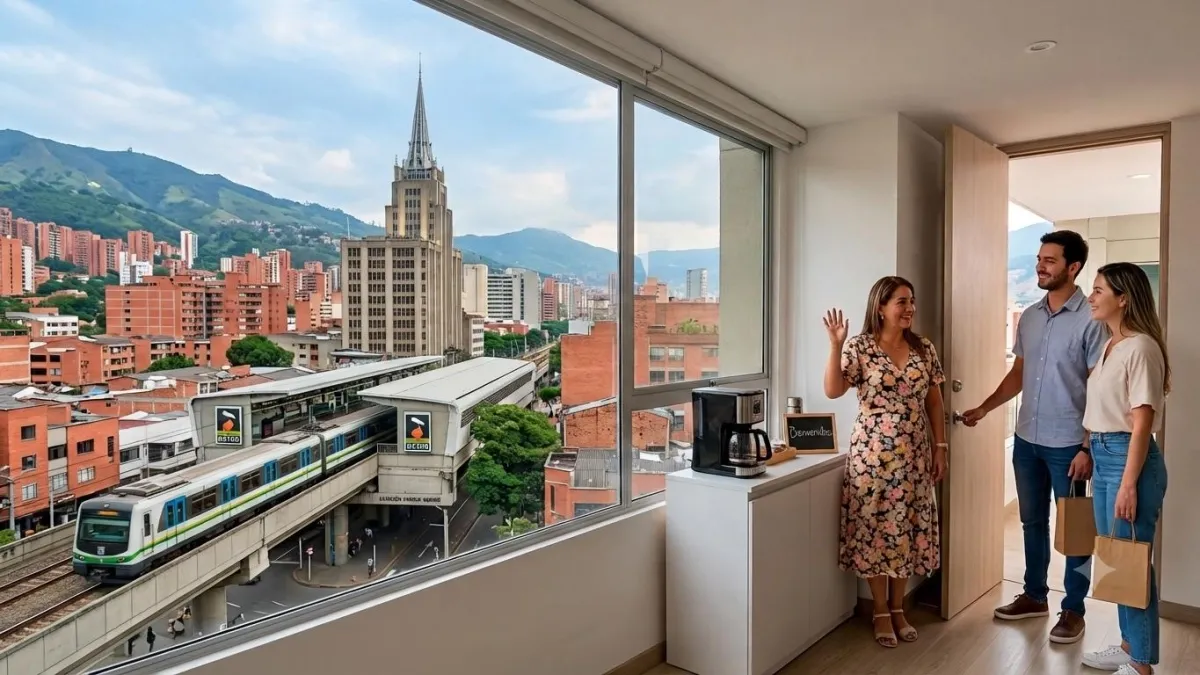
The short-term rental market and tourist housing sector in Colombia have officially entered a mature, highly sophisticated era. No longer characterized solely by informal peer-to-peer property listings, the industry is rapidly pivoting toward advanced technological integration, strict regulatory compliance, and diversified operational models that stretch far beyond traditional nightly lodging. To address these evolving paradigms, Colombia’s two principal urban hubs—Bogota and Medellin—are set to host high-impact initiatives designed to shape the future of hospitality, unify sector stakeholders, and professionalize property management across the region.
Main Facts: A New Chapter for Colombian Hospitality
The rapid expansion of short-term rentals has transformed the real estate and tourism landscapes across Latin America, and Colombia is at the vanguard of this movement. Driven by an influx of digital nomads, shifting consumer preferences, and robust real estate development, the sector is demanding a higher degree of structure.
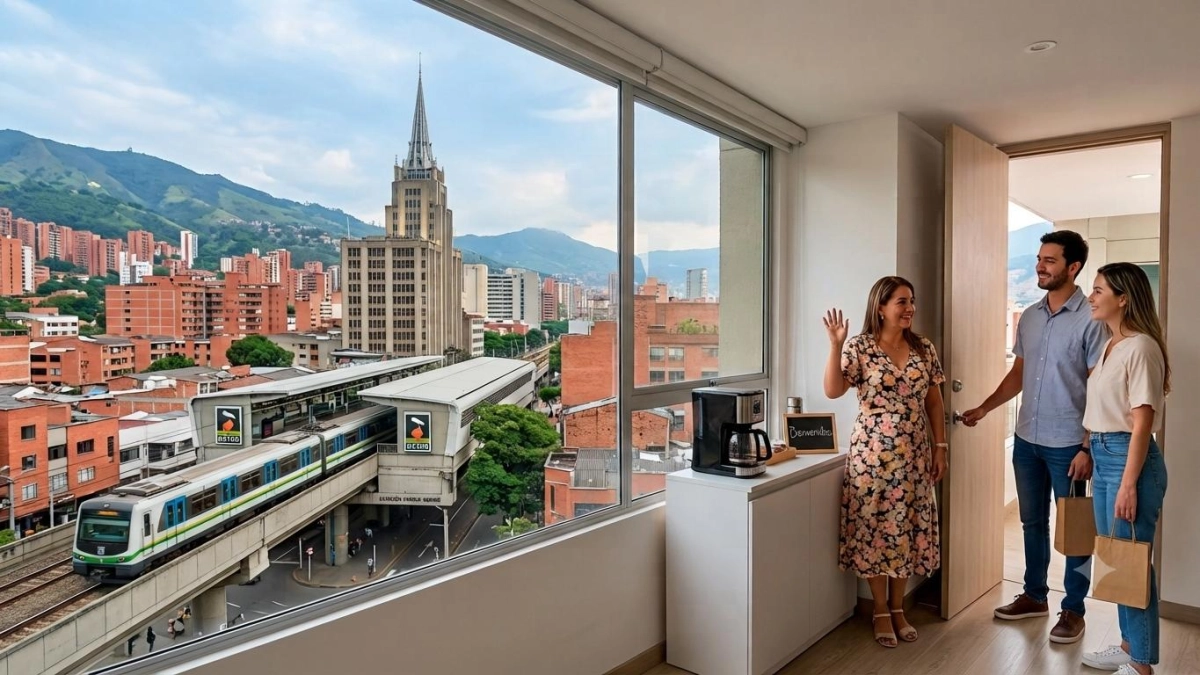
To confront these operational complexities head-on, Bogota and Medellin are launching two pivotal industry milestones:
- Expo Host (Bogota): Marking its debut in the Colombian capital, this premier Latin American summit focuses on short-term rentals, modern hospitality ecosystems, and technological infrastructure. It will take place on October 6 and 7 at the prestigious Gimnasio Moderno.
- INN Host Medellin (Medellin): Entering its third successive edition, this tuition-free training and capacity-building program is spearheaded by the Colombian Association of Tourist Service Providers (ASOHOST) alongside the Medellin Secretariat of Tourism and Entertainment. It targets local accommodation providers to drastically improve service standards and compliance.
Together, these initiatives underline a nationwide push to bridge the gap between explosive market growth and sustainable, professional, and legal business practices.
Chronology: The Evolution of Short-Term Rentals in Colombia
To understand the weight of these upcoming events, it is essential to trace how Colombia’s short-term rental landscape has arrived at this juncture:

- The Early Expansion (Mid-2010s): Global platforms like Airbnb and Booking.com gained massive traction in major Colombian cities, particularly Medellin and Bogota, introducing a novel alternative to traditional hotels and disrupting the urban real estate market.
- The Post-Pandemic Boom (2021–2023): As international travel resumed, the "digital nomad" phenomenon exploded. Colombia emerged as a top global destination for remote workers, triggering an exponential rise in property conversions, coliving spaces, and tourist housing listings.
- The Professionalization Phase (2024–2025): Recognizing the lack of regulatory oversight and the growing friction with traditional residential communities, property owners and managers began organizing. ASOHOST emerged as a vital advocacy group, pushing for self-regulation, formalization, and better technological tools to manage properties efficiently. Previous iterations of Expo Host in Medellin drew thousands of attendees, signaling a clear appetite for industry consolidation.
- The Present Milestone (September–October 2026): The announcement of Expo Host’s expansion to Bogota, paired with the third rollout of INN Host in Medellin, marks the formal transition of the sector into an organized, tech-driven corporate industry. Applications for INN Host close on September 30, 2026, with training starting October 13, while Expo Host Bogota opens its doors on October 6, 2026.
Supporting Data: The Scale of the Industry
Data compiled by ASOHOST, utilizing metrics from analytics leader PriceLabs, paints a vivid picture of a multi-million-dollar industry operating at a massive scale across Colombia:
- Total Active Listings: Colombia boasts an impressive 138,340 active accommodation listings distributed across various digital platforms.
- Reservation Volume: Over the past twelve months, the market recorded a consistent monthly average of 1,044,320 booked nights.
- Pricing Dynamics: The national average nightly rate (ADR) sits at approximately 322,272 Colombian pesos.
- Revenue Generation: Estimated gross annual revenues hover around 41 million pesos per individual property, highlighting the lucrative nature of the tourist housing market for local and international investors.
In Medellin specifically, the municipal market has become one of the most dynamic in the country. The upcoming INN Host program aims to initially train 150 providers who collectively represent more than 1,000 active National Tourism Registry (RNT) numbers, demonstrating the concentrated economic power within specific urban corridors.
Official Responses and Industry Leadership
The driving force behind these events is a coordinated effort between private sector leaders, advocacy groups, and municipal governments seeking to harmonize tourism growth with urban livability.
Juan Camilo Vargas, founder and CEO of Expo Host and president of ASOHOST, emphasized why bringing the summit to Bogota is a watershed moment for the country:
"Bogota has the unique opportunity to become the epicenter where the architects of Latin America’s future hospitality industry meet. Our goal with this event is to deliberately connect emerging talent, strategic investment, and bleeding-edge technology, transforming them into concrete, high-impact business projects," stated Vargas.
Highlighting the importance of Medellin’s municipal strategy, city officials and ASOHOST organizers reiterated that the market’s explosive success necessitates stringent operational standards.

"Medellin stands today as one of the most dynamic markets for tourist housing in the nation. However, this level of rapid growth inherently demands deeper professionalization and elevated operational standards," representatives from the Medellin Secretariat of Tourism noted during the launch announcements.
Furthermore, the scale of Expo Host Bogota is underscored by its roster of participating giants. Organizers anticipate gathering over 8,000 attendees, 120 brands and exhibitors, 80 international speakers, and participants hailing from more than 25 countries.
Key industry heavyweights slated to speak and exhibit include:

- Humberto Pacheco, Senior Director of Homes for Luxe & Americas at Airbnb.
- Representatives and executives from Booking.com, Rappi Travel, OXOHOTEL, IKEA, Guesty, PriceLabs, and Plura Coliving.
The event’s structured agenda includes specialized networking hubs like Expo Host Match, recognition ceremonies via Expo Host Awards, and intensive technical workshops known as Expo Host Labs.
Implications: Regulation, Technology, and the Future of Urban Living
The convergence of these two events—Expo Host in Bogota and INN Host in Medellin—signals profound implications for the future of Colombian real estate, tourism, and urban planning.
1. Regulatory Compliance and Formalization
As local governments face mounting pressure from urban residents regarding noise, security, and housing affordability, the push for strict adherence to the National Tourism Registry (RNT) is non-negotiable. Programs like INN Host Medellin—which provides crucial education on the regulatory framework of tourist housing, fiscal responsibilities, and accounting compliance—are critical. By requiring an active RNT for participation, these initiatives weed out illegal operators and promote a transparent, tax-compliant ecosystem.

2. Technological Integration and Artificial Intelligence
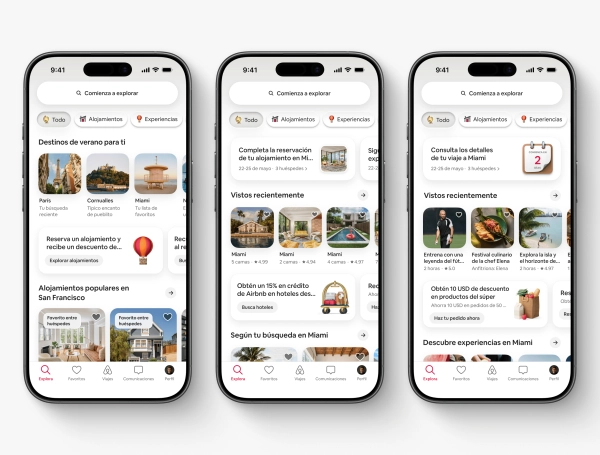
The modern short-term rental is no longer managed with a simple paper ledger and physical keys. Platforms, property managers, and hosts are increasingly adopting advanced proptech solutions. The curricula for both events heavily emphasize artificial intelligence, automated guest communication systems, dynamic pricing algorithms (such as PriceLabs), and cloud-based channel managers. Providers who fail to adopt these technologies risk losing competitive margins.
3. Diversification Beyond Traditional Rentals
The industry is expanding past standard nightly vacation rentals into diversified real estate models. Terms like coliving, multifamily housing, media estancia (medium-term stays), and senior living are reshaping urban architecture. Real estate developers are now designing entire skyscrapers specifically optimized for flexible living arrangements, merging the convenience of hotel services with the comforts of residential apartments.
4. Economic Multiplier Effects
With average property revenues hitting 41 million pesos annually, the short-term rental market acts as a vital economic engine. It supports supply chains ranging from interior design (exemplified by IKEA’s participation) and property maintenance to experiential tourism, local gastronomy, and transportation (via partnerships with platforms like Rappi Travel).

Conclusion
Colombia’s short-term rental industry has graduated from a localized economic experiment into a sophisticated, highly regulated corporate pillar. Through strategic platforms like Expo Host in Bogota and educational initiatives like INN Host in Medellin, the nation is positioning itself as the undisputed capital of modern hospitality innovation in Latin America. By marrying stringent legal compliance with state-of-the-art technology and professional training, stakeholders are ensuring that the sector remains profitable, sustainable, and integrated into the broader urban fabric for years to come.