By: Editorial Desk
Date: September 24, 2026
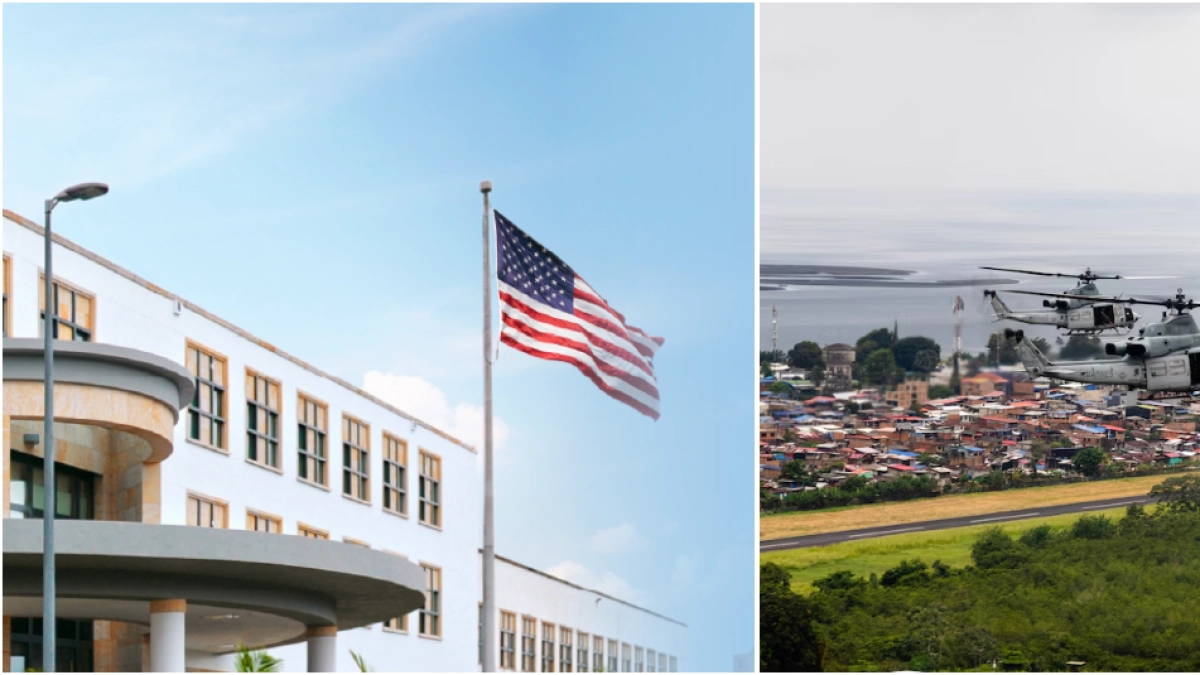
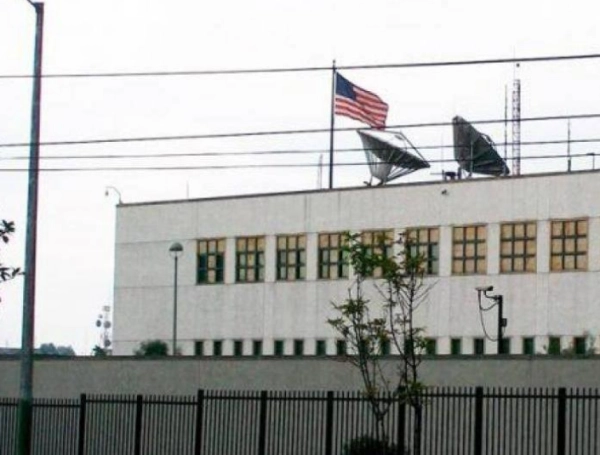
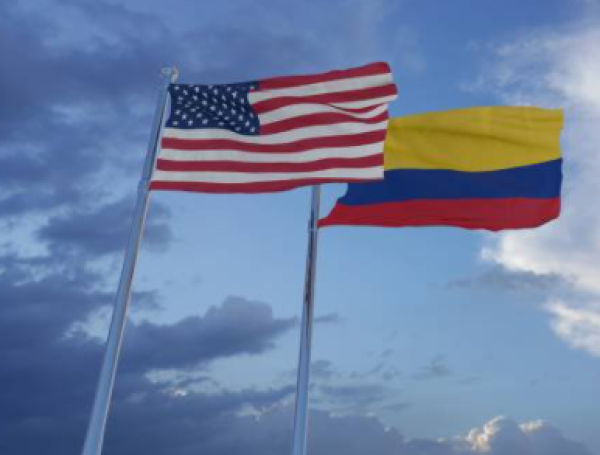
In a strategic move to reinforce bilateral defense relations, the United States Embassy in Bogotá issued a formal statement this Thursday, September 24, underscoring the enduring importance of security cooperation between Washington and Colombia. The declaration comes at a politically sensitive time, following a recent judicial mandate requiring the Colombian Ministry of Defense to justify the presence and activities of U.S. military personnel in the coastal municipality of Tumaco, Nariño.
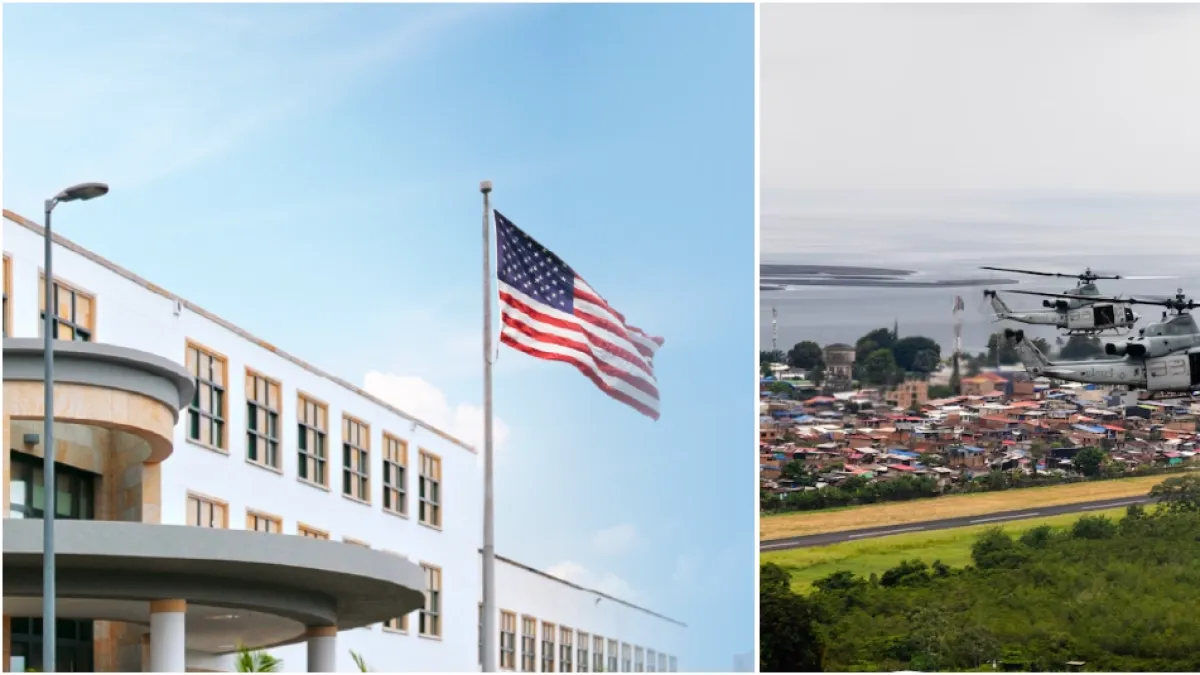
The diplomatic communiqué, disseminated through official channels, emphasized that the collaboration is not merely a bilateral arrangement but a vital component of a broader regional strategy to dismantle transnational organized crime, curb drug trafficking, and enhance operational readiness across Latin America.
The Core of the Controversy: Judicial Scrutiny in Tumaco
The backdrop for this diplomatic clarification is a recent order from a Colombian judge, who has formally requested that the Ministry of Defense provide a detailed account of the recent activities of U.S. Marine Corps helicopters over Tumaco.

The judicial inquiry centers on transparency and sovereignty. The court has demanded that the government present the specific legal frameworks and official authorizations that permit the movement and operation of foreign troops within Colombian territory. This development has triggered a national debate regarding the limits of international military aid and the extent of foreign involvement in domestic anti-narcotics and counter-insurgency operations.
In response, the U.S. Embassy has maintained that all operations are conducted within the strict parameters of existing bilateral agreements and in full coordination with the Colombian Armed Forces and the National Police. The diplomatic mission’s messaging seeks to decouple these specific operational inquiries from the larger, long-term strategic partnership between the two nations.
Regional Integration: The USCAP Framework
A central pillar of the U.S. argument for its continued presence is the Joint Regional Security Action Plan (USCAP). This initiative, which recently held its annual planning conference in Guatemala City, serves as the primary mechanism for coordinating security efforts across the hemisphere.
During the conference, officials from the U.S., Colombia, Honduras, Ecuador, and Paraguay analyzed the efficacy of the USCAP program. The data presented indicated significant progress in four key areas:
- Intelligence Sharing: Harmonizing police databases to track criminal syndicates in real-time.
- Border Control: Implementing technological solutions to monitor illicit crossings.
- Maritime Security: Expanding patrols to intercept illicit maritime trafficking routes, particularly in the Pacific corridor.
- Professionalization: Training local forces in advanced tactics, human rights compliance, and modern combat technology.
"The crime does not know borders. Our commitment to a safer hemisphere does not either," the U.S. Embassy stated in a post via X (formerly Twitter). "With security back at the center of the national agenda, Colombia is renewing its focus on confronting organized crime and strengthening response capabilities across the region."
Chronology of Events: From Tactical Training to Judicial Orders
To understand the current tension, it is necessary to examine the timeline of events that have defined U.S.-Colombia defense relations over the last several months:
- Early 2026: Increased reports of U.S. military advisory missions in the Pacific region to assist in the fight against armed groups linked to the drug trade.
- August 2026: Heightened visibility of U.S. assets in the Nariño department, leading to local community concerns and subsequent petitions to the judicial branch.
- September 2026 (Early): Colombian authorities and U.S. officials finalize planning for joint maritime and aerial interdiction exercises.
- September 24, 2026: A judge issues a formal directive to the Ministry of Defense demanding technical justification for foreign troop presence in Tumaco.
- September 24, 2026 (Afternoon): The U.S. Embassy issues a public statement defending the necessity of the security partnership, emphasizing the "transnational" nature of the threats.
Official Responses and Strategic Implications
The discourse surrounding the military cooperation has been polarized. On one side, the U.S. Department of State and the Embassy argue that the security of Colombia is inextricably linked to the security of the United States.
Robert Allison, Deputy Assistant Secretary for the Bureau of International Narcotics and Law Enforcement Affairs, reinforced this sentiment: "We will continue to strengthen Colombia’s capabilities to make that country, the United States, and the entire region, safer places. Every figure in our reports tells a story of progress, and behind each of them is the leadership of Colombia and the essential support of the United States."
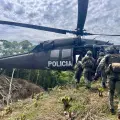
Conversely, the legal challenge in Tumaco highlights a growing segment of Colombian society and the judiciary that is increasingly sensitive to the implications of foreign military assets operating on local soil. The government faces a delicate balancing act: maintaining a vital strategic alliance with the U.S. while ensuring compliance with domestic judicial oversight and maintaining public trust.
Supporting Data: Why Regional Cooperation Matters
The data provided during the USCAP planning conference highlights the tangible outcomes of this cooperation. According to the participating delegations, the "institutional strengthening" achieved through the partnership has allowed for a more integrated response to the threats posed by transnational criminal organizations.
Federico Tassara, Argentina’s Minister of National Security, noted during the conference that the model has facilitated a level of "operational integration" that was previously unattainable. By sharing "lessons learned" from Colombia’s decades-long experience with conflict and the drug trade, other nations in the region are effectively shortening their own learning curves in institutional reform and law enforcement.
The Embassy’s messaging emphasizes that this is not a one-way street. Colombia is not merely a recipient of aid but an active "exporter" of security expertise. By sharing its knowledge in counter-narcotics, Colombia is positioning itself as a regional leader in the fight against crime, a role that the U.S. is eager to support through continued logistical and technical assistance.

Future Outlook: Navigating Sovereignty and Strategy
The immediate future for U.S.-Colombia security relations will likely depend on the Ministry of Defense’s ability to satisfy the court’s demands for information. Should the government successfully demonstrate that the operations in Tumaco are within the scope of existing international treaties, the political pressure may dissipate.
However, the event serves as a reminder of the evolving nature of the U.S.-Colombia relationship. As the security landscape shifts from traditional insurgency to complex, multi-national criminal networks, the methods of engagement are also changing. The reliance on advanced technology—such as drone swarms, which have been a subject of recent joint exercises—and the increased focus on maritime interdiction, suggests that the partnership will continue to evolve into a highly technological and intelligence-heavy collaboration.

For the U.S. Embassy, the narrative is clear: the challenges of the 21st century—narcoterrorism, human trafficking, and organized crime—are not contained by national borders. Therefore, the response cannot be limited to national borders either. Whether this message resonates with a local population increasingly skeptical of foreign military presence remains the defining challenge of the current diplomatic cycle.
As the Ministry of Defense prepares its response to the judiciary, the eyes of the international community remain fixed on Bogotá. The outcome of this legal challenge will likely set a precedent for how future joint operations are conducted, documented, and justified to the Colombian public, ensuring that the critical fight against organized crime remains both effective and transparent.

Redaction Note: This report was compiled using verifiable information from the U.S. Embassy’s official statements, records from the USCAP planning conference, and reports concerning the ongoing judicial developments in Nariño. Further updates will be provided as the Ministry of Defense presents its documentation to the court.