By Judicial Reporting Desk
September 15, 2026
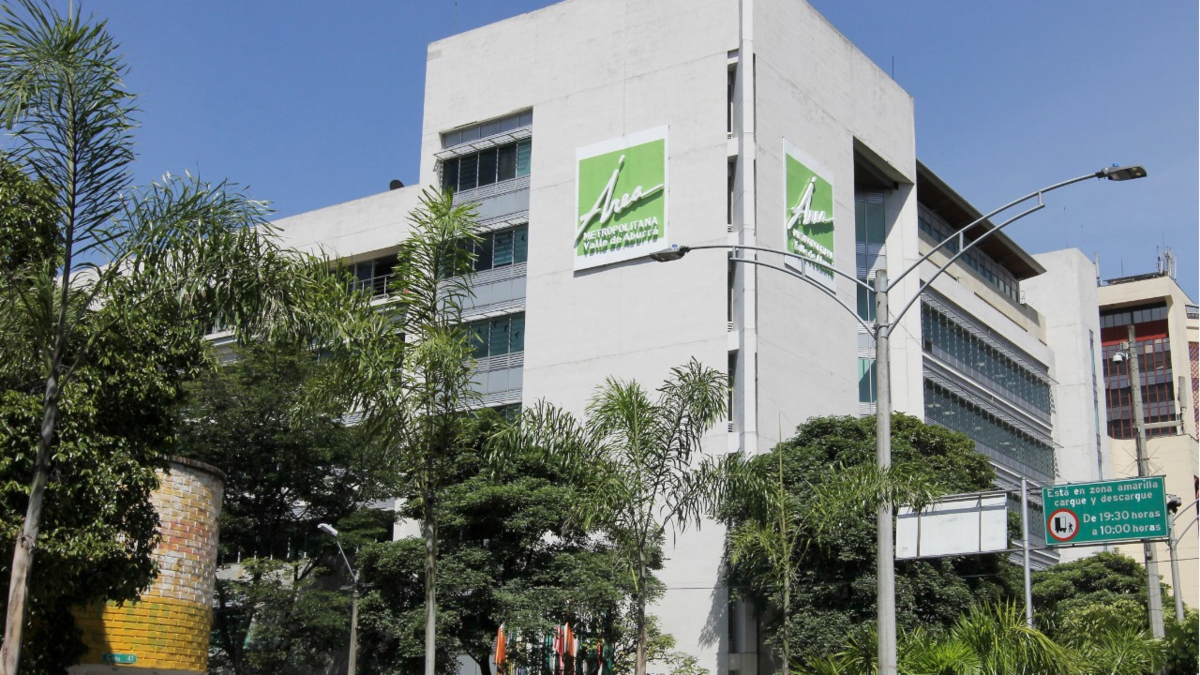
The ongoing investigation into the systematic diversion of public resources within the Metropolitan Area of the Aburrá Valley (AMVA) has taken a significant political turn. Medellín Mayor Federico Gutiérrez has brought to light new evidence connecting a key figure in the scandal, attorney Vanesa Álvarez Restrepo, to high-level contracting roles during the administration of former President Gustavo Petro. This development has intensified scrutiny over the alleged network of influence and corruption that paralyzed public works and diverted funds meant for the region’s development.
The Core Allegations: An Elaborate Web of Corruption
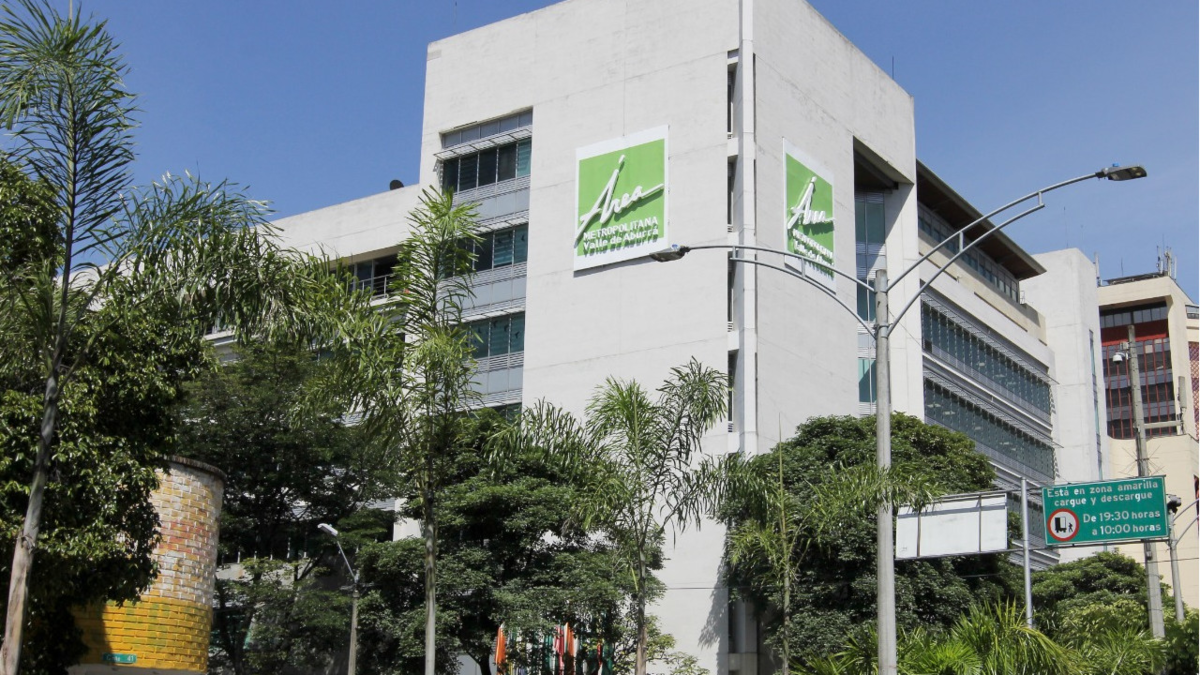
At the heart of the scandal is a complex scheme that allegedly operated between 2020 and 2021. According to the prosecution, led by Prosecutor Magda Sofía Ramírez, the network managed to divert funds from at least six major contracts within the AMVA, totaling approximately 17.656 billion Colombian pesos.
The legal proceedings have identified a quartet of primary actors: Miguel Quintero, brother of former Medellín Mayor Daniel Quintero; Álvaro Villada; Sebastián de Dios Ortega; and Vanesa Álvarez Restrepo. During the formal imputation hearing, Prosecutor Ramírez detailed the mechanics of the operation: "There was a coordinated agreement specifically designed to extract an illicit 15% kickback from the total value of the contracts. This was presented as a mandatory condition for the contracts to be awarded to the Itagüí Fire Department, essentially weaponizing the administrative structure of the AMVA to serve private, illegal interests."

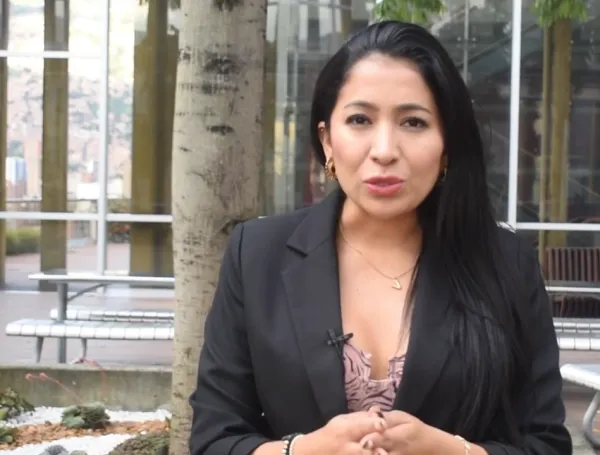
For Vanesa Álvarez, a lawyer with a background in administrative law and state contracting, the courtroom has become her primary setting in recent weeks as she faces charges that could lead to significant prison time.
A Chronology of the Alleged Illicit Network
To understand the scope of the investigation, it is essential to trace the timeline of the events currently under judicial review:
- 2020–2021: The primary period of the alleged corruption scheme. The prosecution argues that during these years, the AMVA’s contracting processes were manipulated to favor specific entities in exchange for the aforementioned 15% kickbacks.
- Late 2025: Following her involvement in local public entities, Vanesa Álvarez secured a direct contracting position within the national Fondo de Adaptación (Adaptation Fund). This appointment has become a focal point of Mayor Gutiérrez’s recent criticisms.
- February 2, 2026: The conclusion of Álvarez’s tenure at the Adaptation Fund. Her contract, valued at 58 million pesos, was intended to provide support for pre-contractual and post-contractual phases, including document review and project management.
- August 2026: Formal imputations against Miguel Quintero and his associates gain momentum, drawing national media attention to the corruption scandal in Medellín.
- September 15, 2026: Mayor Federico Gutiérrez publicly discloses the connection between the AMVA scandal and the federal contracts held by Álvarez, calling for an immediate investigation by regulatory authorities.
Professional Profile and Institutional Links
Vanesa Álvarez Restrepo’s professional trajectory highlights a deep integration into the public contracting ecosystem of Antioquia. Graduating in 2013 from the Institución Universitaria de Envigado, she later pursued specialization in Administrative Law at the Universidad Autónoma Latinoamericana (2015) and a specialized degree in State Contracting at the Universidad Externado de Colombia (2021).
Her curriculum vitae boasts positions in several influential local bodies, including:
- The Medellín City Council: Serving as a legal advisor.
- The Metropolitan Area of the Aburrá Valley (AMVA): Providing legal counsel.
- Hospital La María: Managing legal affairs.
- Antioquia Metroplus SA: Participating in legal support.
- Barbosa Municipal Government: Serving as a legal consultant.
This extensive portfolio is now being scrutinized to determine whether the patterns of influence seen in the AMVA case were replicated in other public institutions where Álvarez served.
Official Responses: Mayor Gutiérrez and the Call for Accountability
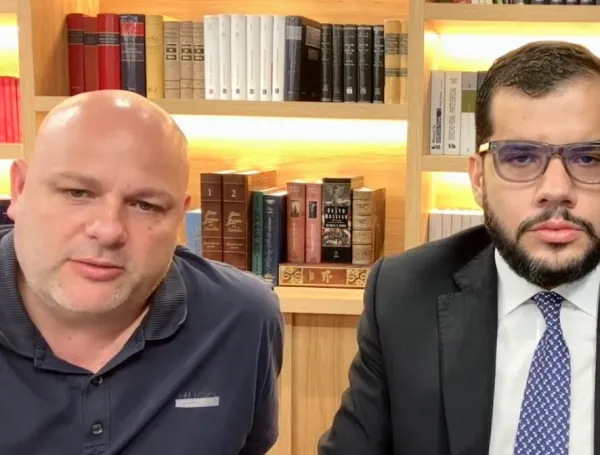
Mayor Federico Gutiérrez has been vocal in his condemnation of the situation, utilizing his platform to pressure the judicial system. Addressing his concerns to high-profile attorney Abelardo De La Espriella, Gutiérrez stated: "We accessed the PACO consultation system, and it is alarming to see the contracts with which the [Petro] administration rewarded her in the Adaptation Fund of the Ministry of Finance to manage procurement."
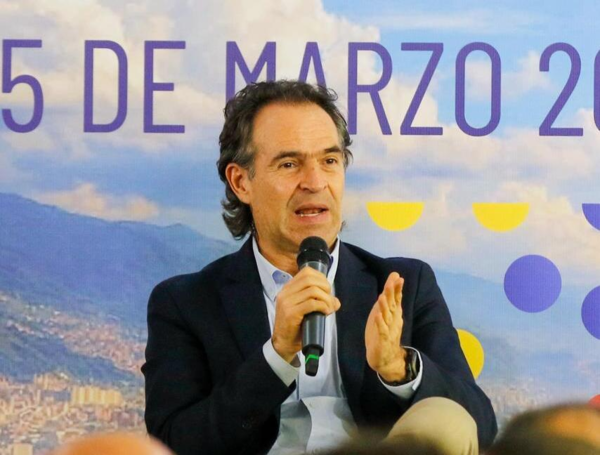
Gutiérrez also highlighted Álvarez’s prior working relationship with Councilman Lucas Cañas, who is himself currently facing separate corruption charges. The Mayor’s strategy appears to be one of "connecting the dots," suggesting that the corruption seen in Medellín is part of a broader, systemic issue that transcends local politics and extends into national-level government appointments.
The contract at the Adaptation Fund, which began shortly before the leadership change under Angie Rodríguez, is being treated as a "red flag" by the current municipal administration. The Mayor’s office implies that individuals under investigation for local corruption should not be entrusted with the management of federal resources, arguing that the lack of rigorous vetting processes allowed for such appointments.

Implications for Public Policy and Governance
The implications of this scandal are profound, both for the city of Medellín and for the reputation of the national government’s procurement processes.
1. Erosion of Trust in Procurement
The case serves as a stark reminder of the vulnerabilities in the Colombian state contracting system. When contractors are alleged to be "selling" access to public funds, it destroys the competitive spirit of the bidding process and increases the cost of public services for taxpayers.

2. Political Polarization
The involvement of the Quintero family and the subsequent public exposure by Mayor Gutiérrez have turned this judicial case into a political battlefield. With local elections and national sentiment in constant flux, the scandal is being used by both sides of the political spectrum to highlight perceived failures in the integrity of their opponents.
3. The Need for Forensic Auditing
The prosecution’s ability to track the 15% kickback scheme suggests a high level of forensic accounting capability. Future implications will likely involve a wave of "deep-dive" audits into all entities where the accused held positions, potentially uncovering a much larger network of "ghost" contracts and illicit kickbacks.

4. Administrative Reform
As the case moves forward, it is likely that the Metropolitan Area of the Aburrá Valley will face intense pressure to reform its internal control mechanisms. This may include stricter oversight on how contractors are selected and, perhaps more importantly, the implementation of more robust background checks that include pending investigations in other jurisdictions.
Conclusion
The ongoing judicial saga surrounding Vanesa Álvarez Restrepo and the broader AMVA scandal is far from over. As the Prosecutor’s Office continues to build its case, the public remains expectant of a transparent legal process that clarifies the extent of the corruption. For the citizens of Medellín, the case is a symbol of the broader fight against institutional rot—a battle that, according to Mayor Gutiérrez, requires not only the intervention of the courts but also a total commitment to transparency in the appointment of those who manage the public’s money.

As the hearings continue, the focus will remain on whether these allegations can be proven beyond a reasonable doubt and whether the "web of influence" truly reaches as far into the national government as the current administration in Medellín suggests. For now, the legal proceedings stand as a testament to the ongoing tension between public service and the temptations of private gain in Colombia’s administrative landscape.