Bogotá, Colombia – July 17, 2026 – In a move that has sent ripples of surprise and speculation across Colombia’s political and cultural landscapes, President-elect Abelardo de la Espriella has announced the designation of former Senator and prominent figure from the conservative Centro Democrático party, Paola Holguín, as the nation’s new Minister of Culture. The announcement, made via the president-elect’s social media channels, caught many off guard, as Holguín’s name had not been circulating among the widely discussed candidates for the high-profile position.
De la Espriella framed the appointment within the context of what he and his right-wing allies have termed a "cultural battle," a ideological clash with leftist sectors over artistic expression and content. This unexpected choice not only reshapes the incoming administration’s cultural agenda but also carries significant implications for the delicate political negotiations currently underway, particularly regarding the leadership of the Senate.
Holguín, known for her staunch conservative views and unwavering loyalty to former President Álvaro Uribe Vélez, steps into a role traditionally occupied by figures with extensive backgrounds in arts, humanities, or cultural management. Her selection, therefore, is being interpreted by analysts as a clear signal from the De la Espriella government-elect that cultural policy under his mandate will emphasize national identity, traditional values, and a robust defense against what he perceives as ideologically driven artistic narratives.
Main Facts: A Bold and Unforeseen Cabinet Choice
The designation of Paola Holguín as Minister of Culture by President-elect Abelardo de la Espriella on July 17, 2026, represents one of the most unexpected appointments of the nascent administration. The announcement broke through conventional political wisdom, as Holguín was notably absent from all speculative lists and media "barajas" of potential candidates. Her selection immediately raised questions about the criteria for cabinet positions and the strategic direction of the incoming government.

Who is Paola Holguín?
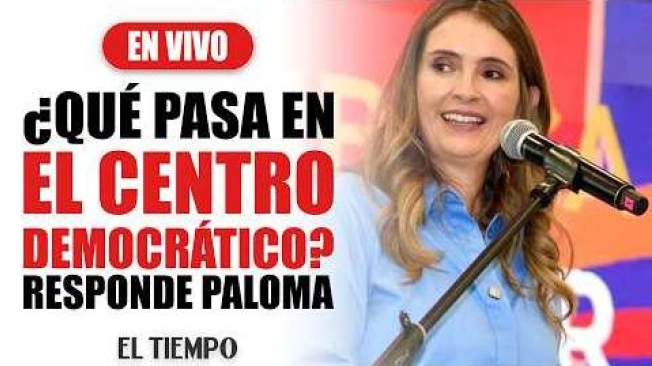
Paola Andrea Holguín Moreno is a Colombian politician with a significant trajectory within the Centro Democrático party. Born in Medellín, Antioquia, she has served as a Senator of the Republic, gaining recognition for her fervent defense of conservative principles, national security, and her unwavering support for former President Álvaro Uribe Vélez. Her political career has been characterized by a strong, often confrontational, stance on issues ranging from peace processes to economic policy. Before her time in the Senate, Holguín also served as a Representative to the House. While her academic background includes studies in journalism and political science, and she has engaged with cultural topics through a political lens, she does not possess the traditional profile of a career cultural manager or artist typically associated with the Ministry of Culture.
Who is Abelardo de la Espriella?
Abelardo de la Espriella, a prominent lawyer and media personality known for his outspoken right-wing views, secured the presidency in a highly contested election. His campaign was built on a platform of law and order, economic liberalization, and a strong emphasis on traditional Colombian values. De la Espriella’s political ideology is firmly rooted in conservatism, and his rhetoric often resonates with sectors that feel disenfranchised by progressive social and cultural movements. His election marked a significant shift in Colombia’s political landscape, promising a government committed to a different ideological course than its predecessors.
The "Cultural Battle" Defined:
The concept of a "cultural battle," as articulated by De la Espriella, is central to understanding Holguín’s appointment. In his social media post announcing her designation, the president-elect stated: "Culture is the memory of a people, the expression of its identity and one of Colombia’s greatest strengths before the world. That is why I present Paola Holguín as Minister of Culture of the Miracle Homeland." He further described her as "a warrior woman, from the provinces, who assumes the challenge of fighting for the Nation so that Colombian talent, our artists, creative industries, and the traditions that unite us occupy the place they deserve."
This rhetoric explicitly frames the Ministry of Culture not merely as an administrative body for the arts, but as a frontline in an ideological conflict. For De la Espriella and his allies, the "cultural battle" implies a perceived struggle against what they view as attempts by leftist or progressive sectors to influence artistic narratives, educational content, and public discourse with ideologies deemed antithetical to traditional Colombian values. This often translates into concerns about themes related to gender, identity politics, historical revisionism, and artistic expressions that challenge conservative norms. The appointment of Holguín, a figure known for her political militancy rather than her cultural expertise, is therefore seen as a strategic choice to spearhead this ideological agenda within the cultural sphere.

Chronology of Events: From Political Setback to Cabinet Post
Paola Holguín’s journey to the Ministry of Culture is intertwined with recent developments in Colombian politics, particularly within the Centro Democrático party and the broader conservative movement.
Pre-election and Holguín’s Political Trajectory:
Leading up to the 2026 presidential elections, Paola Holguín had been a prominent figure within the Centro Democrático. She sought to secure her party’s nomination for the presidential candidacy, participating in an internal consultation process. However, she ultimately lost this primary to Senator Paloma Valencia, a key figure in the party’s intellectual and legislative wing. This defeat meant that Holguín would not return to the Congress, creating a significant turning point in her political career.
Following her loss in the internal consultation, Holguín had publicly expressed her interest in running for the governorship of Antioquia, a department where she commands considerable support due to her regional roots and political base. This potential gubernatorial bid was widely seen as her next strategic move to remain a significant force in Colombian politics. Her aspirations for Antioquia were a logical step, given her deep connections to the region and her established political network there.
The Announcement and Immediate Reactions (July 17, 2026):
The formal announcement came directly from President-elect Abelardo de la Espriella via his official social media accounts on the afternoon of July 17, 2026. The brevity and directness of the announcement, coupled with the ideological framing of a "cultural battle," instantly ignited a flurry of reactions. Social media platforms buzzed with surprise, debate, and analysis. Political commentators quickly highlighted the unexpected nature of the appointment, given Holguín’s previous political focus and the fact that her name had not been floated as a potential culture minister.
Context of Senate Presidencies and Political Tensions:
Crucially, Holguín’s designation arrives at a moment of heightened tension and complex negotiations between the incoming De la Espriella government and the Uribismo movement, primarily represented by the Centro Democrático party. The core of these tensions revolves around the allocation of presidencies within the Senate and House of Representatives. These positions are critical for legislative agenda-setting and maintaining a stable governing coalition.
While some analysts initially speculated that Holguín’s appointment might be interpreted as a "guiño" or a conciliatory gesture to ease the strained relations with Uribismo, the reality is more nuanced. Holguín’s relationship with the Centro Democrático leadership, particularly after her primary loss to Paloma Valencia, was not entirely harmonious. There was a sense that she had not exited the internal party race "on the best terms." Therefore, while her appointment places a key Uribista figure in the cabinet, it also provides a new political platform for Holguín herself, potentially mitigating any lingering resentments from her previous political setbacks within the party. This complex dynamic adds another layer to the ongoing power struggles and alliance-building efforts that define the early days of the De la Espriella transition. The appointment of a strong, ideologically aligned figure like Holguín, even one with complicated internal party relations, underscores De la Espriella’s commitment to forming a cabinet that reflects his political vision, even if it means navigating internal party dynamics.
Supporting Data and Analysis: A Ministry at the Crossroads
The Ministry of Culture in Colombia plays a crucial role in preserving national heritage, fostering artistic creation, promoting cultural diversity, and managing a significant portion of the country’s cultural budget. Traditionally, its leadership has been entrusted to individuals with deep connections to the arts, academia, or cultural management sectors, ensuring a focus on expertise and continuity in cultural policy. Paola Holguín’s appointment, however, deviates sharply from this established norm, inviting extensive scrutiny and analysis.
The Ministry of Culture’s Role and Budget:
Colombia’s Ministry of Culture is responsible for a broad mandate, including the formulation, adoption, direction, and coordination of cultural policies. This encompasses areas such as the protection of tangible and intangible cultural heritage, support for artistic creation and production (music, theatre, dance, literature, visual arts, cinema), promotion of cultural industries, development of cultural infrastructure (museums, libraries, cultural centers), and the fostering of cultural diversity and intercultural dialogue. The ministry manages a substantial annual budget, funding numerous projects, grants, and institutions across the nation. Its programs reach diverse communities, from urban cultural hubs to remote indigenous territories, making its leadership vital for the health and vibrancy of Colombia’s cultural ecosystem.
Holguín’s Experience vs. Ministry’s Needs:
The core of the surprise surrounding Holguín’s appointment stems from the perceived mismatch between her political profile and the traditional demands of the Ministry of Culture. Her strengths lie in political communication, legislative debate, and conservative advocacy. She is a skilled debater and a loyal party member, capable of articulating an ideological vision. However, critics quickly point to a perceived lack of direct experience in cultural administration, artistic management, or deep engagement with the diverse cultural sectors of Colombia.
- Potential Strengths: Her political acumen could be an asset in navigating legislative processes to secure funding and support for cultural initiatives aligned with the government’s agenda. Her public profile and strong communication skills could help in disseminating the ministry’s vision. Her "provincial" background, as highlighted by De la Espriella, could also be an attempt to connect with regional cultural expressions often overshadowed by urban-centric policies.
- Potential Weaknesses: A lack of specialized knowledge could lead to a steep learning curve, potentially slowing down policy implementation or misaligning with the nuanced needs of the cultural sector. Her strong ideological stance could alienate artists and cultural workers who fear politicization, censorship, or a reduction in support for diverse, potentially challenging, artistic expressions. There are concerns that the ministry’s focus might shift from broad cultural development to promoting a specific, conservative interpretation of national identity.
The "Cultural Battle" – A Deeper Dive:
De la Espriella’s explicit mention of a "cultural battle" signals a significant ideological shift for the Ministry. This narrative, prevalent among right-wing movements globally, frames culture as a battleground for values. In Colombia, this could manifest in several ways:
- Content Scrutiny: Increased scrutiny over the content of artistic works, educational materials, and cultural projects receiving public funding, potentially favoring those that align with traditional family values, patriotism, or specific historical interpretations.
- Funding Reallocation: A reallocation of resources away from projects perceived as promoting "divisive" or "ideological" themes (e.g., gender studies, LGBTQ+ narratives, critical historical reviews) towards those that emphasize "unity," "tradition," and "national pride."
- Institutional Influence: Attempts to influence the leadership and direction of cultural institutions, national museums, libraries, and artistic councils to ensure alignment with the government’s cultural agenda.
- Historical Context: Colombia’s cultural policy has historically navigated complex issues of identity, conflict, and diversity. Previous administrations have often sought to use culture as a tool for peacebuilding, social inclusion, and celebrating the country’s multi-ethnic heritage. De la Espriella’s "cultural battle" may represent a departure from these approaches, potentially polarizing a sector that often thrives on pluralism.
Reactions from Various Sectors:
The announcement has already begun to elicit varied reactions:
- Cultural Sector: Many artists, academics, and cultural managers have expressed apprehension, fearing that the ministry might become an instrument of ideological control rather than a promoter of creative freedom. Concerns about potential cuts to funding for independent or critical art projects are prevalent. Some might view it as an opportunity to reinforce traditional values, but the dominant sentiment appears to be one of caution.
- Political Analysts: Analysts have highlighted the strategic nature of the appointment, seeing it as De la Espriella’s attempt to consolidate his ideological base while also addressing internal political dynamics within the Uribismo movement. It could be a way to keep a prominent Uribista figure within the government’s orbit without giving her a more politically sensitive portfolio that might exacerbate coalition tensions.
- Public Opinion: Social media discourse reflects a polarized public. Supporters of De la Espriella and Holguín commend the choice, viewing it as a necessary step to "restore" traditional values in culture. Opponents decry it as a politicization of art and a threat to artistic freedom.
Comparison with Previous Ministers:
Past Ministers of Culture in Colombia have often come from backgrounds directly related to cultural management, literature, music, or education. Figures like Carmen Vásquez Camacho (singer, cultural manager), Mariana Garcés Córdoba (cultural manager, lawyer), and Elvira Cuervo de Jaramillo (art historian, museum director) brought specific expertise and experience in the arts. Holguín’s appointment, with her strong political and security-focused background, marks a distinct departure, signaling a potential paradigm shift in how culture will be perceived and managed at the highest levels of government.
The Previously Rumored Candidates:
The surprise of Holguín’s appointment is amplified when considering the profiles of those previously rumored to be in contention for the Ministry of Culture:
- Daniela Cepeda Tarud: Often cited due to her family’s prominent cultural and political ties in the Caribbean region, and her own background in cultural promotion or public relations.
- María Paz Gaviria: Daughter of former President César Gaviria, she has a recognized career in cultural management, particularly in the arts and museum sector. Her experience and connections within the cultural elite made her a strong candidate.
- Clemencia Vargas: Known for her work in cultural event organization, festival management, and promoting Colombian talent, often with a focus on entrepreneurship and creative industries.
These candidates represented a more traditional selection, suggesting a continuity of focus on artistic development, cultural industries, and heritage preservation through established cultural management frameworks. Holguín’s selection, by contrast, implies a more ideologically driven and politically charged approach to the ministry.
Official Responses: Unveiling the New Cultural Mandate
The official response to Paola Holguín’s designation has largely been articulated through President-elect Abelardo de la Espriella’s initial announcement and the anticipated reactions from key political figures.
President-elect De la Espriella’s Statement:
De la Espriella’s social media post served as the primary official communication regarding the appointment. His words were carefully chosen to frame Holguín’s role within a specific ideological context: "The culture is the memory of a people, the expression of its identity and one of Colombia’s greatest strengths before the world. That is why I present Paola Holguín as Minister of Culture of the Miracle Homeland." This emphasis on "memory," "identity," and "strength" underscores a nationalist and traditionalist vision for culture. His subsequent description of Holguín as "a warrior woman, from the provinces, who assumes the challenge of fighting for the Nation for Colombian talent, our artists, creative industries and the traditions that unite us to occupy the place they deserve," explicitly positions her as an agent in the aforementioned "cultural battle." This rhetoric clearly signals that the ministry’s mandate under Holguín will extend beyond mere artistic promotion to encompass the defense and propagation of a particular set of values.

Paola Holguín’s Initial Reaction:
While no extensive public statement from Paola Holguín was immediately detailed in the initial reports, her acceptance of the position implicitly signifies her alignment with De la Espriella’s vision. Given her known political persona, it is expected that she will embrace the "cultural battle" narrative, positioning herself as a guardian of national traditions and a champion against perceived ideological encroachments in the arts. Her past public speaking and legislative record suggest she would articulate a vision for culture that emphasizes national symbols, historical narratives aligned with conservative views, and support for artistic expressions that reinforce traditional societal structures. Her first public appearances and policy outlines will be closely watched for concrete indications of this direction.
Centro Democrático’s Response:
The Centro Democrático, the political party to which Holguín belongs and which is led by former President Álvaro Uribe Vélez, is expected to view this appointment as a strategic victory. Despite the internal tensions following Holguín’s primary loss to Paloma Valencia, her placement in a cabinet position ensures the Uribista movement retains influence within the incoming government. It can be seen as a gesture to solidify the coalition, even if it comes at a less central ministry than some might have hoped for. Paloma Valencia, who defeated Holguín in the internal primary, is likely to publicly support the appointment, emphasizing party unity and the importance of conservative representation in the government. Privately, the appointment might alleviate some internal pressure by providing Holguín with a significant role, thus removing her from the immediate contention for the Antioquia governorship and allowing other party members to pursue that path. The party leadership will likely commend Holguín’s "dedication" and "patriotism," framing her as the ideal figure to defend Colombian culture.
Reactions from Other Political Parties:
Opposition parties and leftist movements have reacted with skepticism and concern. They are likely to interpret Holguín’s appointment as a clear indication of the De la Espriella government’s intent to politicize cultural institutions and potentially curb artistic freedom. Critics from these sectors will likely raise alarms about the ideological nature of the "cultural battle" and its potential impact on cultural diversity, independent artistic expression, and funding for projects that challenge the status quo. Allies of the De la Espriella government, outside of Centro Democrático, might offer more measured support, emphasizing the need for a strong cultural identity while perhaps downplaying the more confrontational aspects of the "cultural battle" rhetoric. The appointment effectively sets the stage for a period of ideological contention within the cultural sphere, echoing broader political divisions in the country.
Implications: A Shifting Cultural Landscape
Paola Holguín’s appointment as Minister of Culture carries profound implications for Colombia’s cultural sector, political dynamics, and the broader societal discourse over the next four years.

For Cultural Policy:
The most significant implication lies in a probable ideological reorientation of cultural policy. The "cultural battle" rhetoric suggests a departure from previous administrations’ emphasis on cultural diversity, intercultural dialogue, and art as a tool for social transformation. Instead, the ministry might prioritize:
- Nationalist Narratives: A stronger focus on promoting a singular, unified national identity, potentially downplaying regional specificities or diverse historical interpretations.
- Traditional Values: Funding and support could be directed towards artistic expressions and cultural projects that reinforce conservative social norms, family values, and religious traditions.
- Creative Industries with a Conservative Lens: While De la Espriella mentioned "creative industries," their development might be framed within a context that favors commercial viability and global projection of a particular "Colombian brand," rather than fostering experimental or critical art forms.
- Reduced Support for Progressive Art: Projects dealing with gender identity, LGBTQ+ rights, critical examinations of historical events, or social justice themes might face reduced funding or increased scrutiny, potentially leading to a chilling effect on artistic freedom.
- Education and Heritage: A renewed emphasis on traditional pedagogical approaches in cultural education and a focus on heritage preservation that aligns with a conservative interpretation of national history.
This shift could lead to a polarization within the cultural sector, with some artists and institutions feeling marginalized, while others who align with the government’s vision might find new avenues of support.
For the Political Landscape:
Holguín’s appointment has several layers of political implication:
- Coalition Stability: While it brings a prominent Uribista into the cabinet, the fact that Holguín had recently lost an internal party primary and had some strained relations with the Centro Democrático leadership adds complexity. It could be seen as a strategic move by De la Espriella to both appease Uribismo by including a loyalist and simultaneously manage internal party dynamics by giving Holguín a significant role that takes her out of direct contention for the Antioquia governorship. This could ease tensions regarding Senate presidencies by demonstrating a willingness to include key figures from the Uribista bloc.
- Holguín’s Political Future: The ministerial post effectively removes her from the race for the governorship of Antioquia, a significant political project she had contemplated. While a ministerial role is prestigious, it also confines her political activity to a specific portfolio for the duration of her tenure. This appointment marks a new chapter in her career, shifting her from a legislative and party-internal role to an executive position.
- Future Cabinet Appointments: The nature of this appointment might signal De la Espriella’s broader approach to cabinet formation: prioritizing ideological alignment and political strategy, even if it means choosing figures whose direct professional experience doesn’t perfectly match the ministry’s traditional profile. This could set a precedent for other appointments.
For Artists and Cultural Workers:
The cultural sector is likely bracing for changes. Concerns include:

- Censorship and Self-Censorship: Artists may fear direct censorship or, more subtly, engage in self-censorship to avoid conflict or ensure access to public funding.
- Funding Shifts: A redirection of public funds could significantly impact independent cultural projects, non-governmental organizations, and artistic collectives that have relied on government support for diverse, critical, or experimental work.
- Engagement and Dialogue: The challenge for the ministry will be to maintain open channels of communication and engagement with the incredibly diverse cultural communities across Colombia, many of whom may feel alienated by an overtly ideological approach.
- Opportunities for New Voices: Conversely, artists and cultural groups whose work aligns with the new government’s emphasis on traditional values or national identity might find increased opportunities for funding and visibility.
Long-term Outlook:
Over the next four years, Colombia’s cultural landscape under Paola Holguín’s leadership could see a significant reshaping. The "cultural battle" is likely to manifest in public discourse, policy debates, and the funding priorities of the Ministry of Culture. The challenge will be to balance the government’s ideological agenda with the inherent diversity, dynamism, and critical role of culture in a democratic society. The appointment of Paola Holguín thus marks a pivotal moment, signaling a new era where cultural policy in Colombia will be deeply intertwined with the broader political and ideological objectives of the Abelardo de la Espriella administration. The coming months will reveal the concrete actions and impacts of this unexpected, yet strategically significant, cabinet choice.