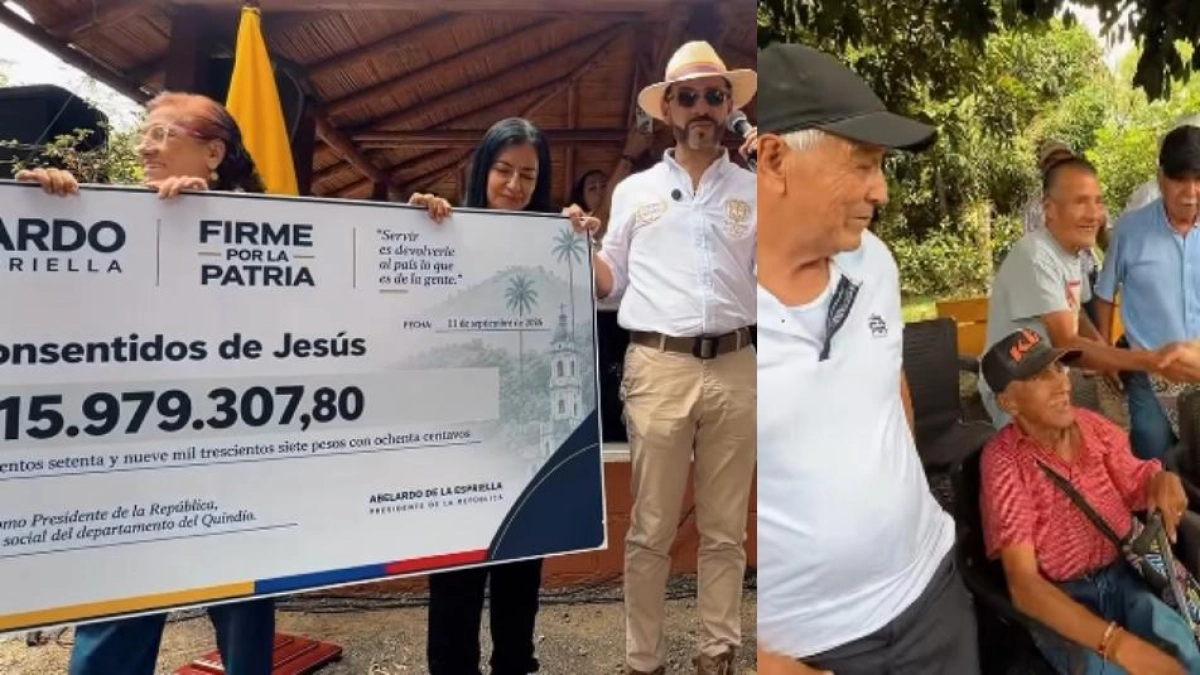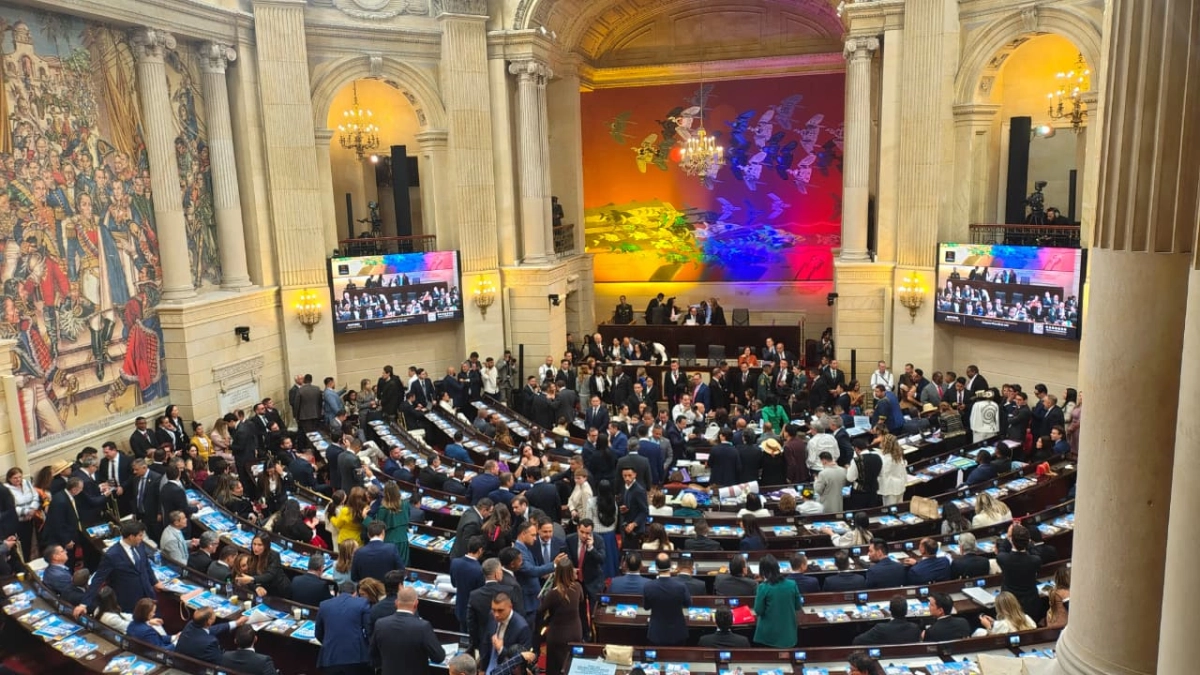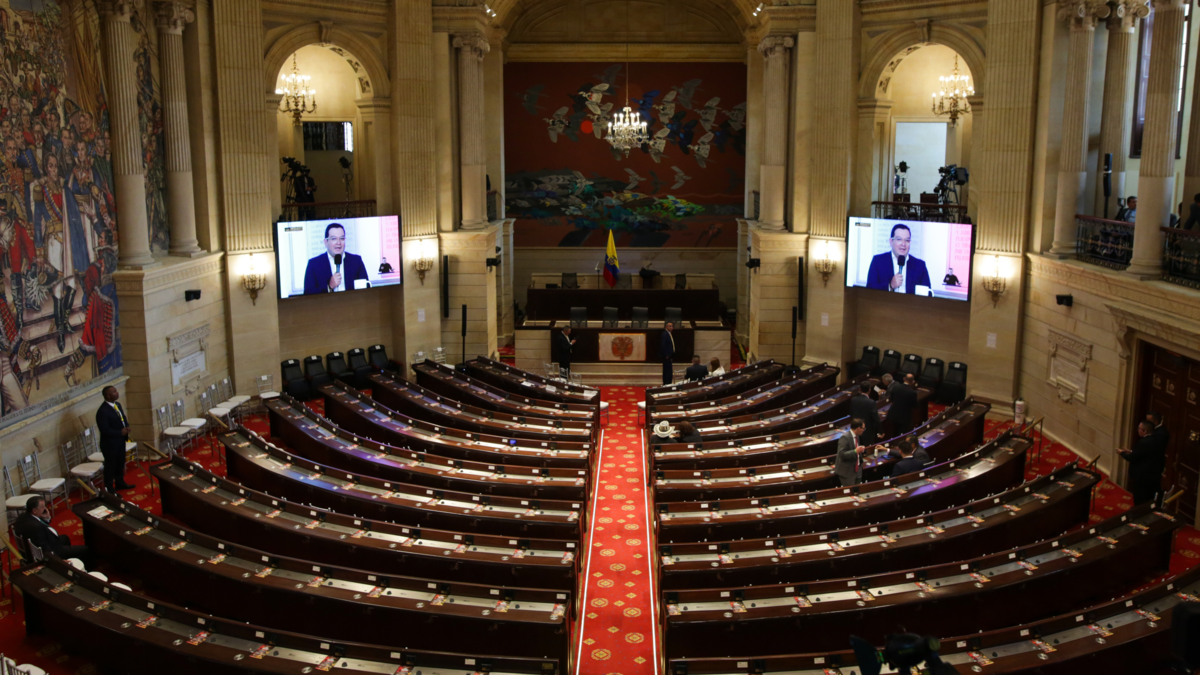
Bogotá, [Assumed Date, e.g., July 20, 2026] – President-elect Abelardo De La Espriella has embarked on a distinctive political journey, signaling a profound shift in governance philosophy by pledging to lead "with and from the regions." This commitment, a cornerstone of his successful campaign, is rapidly manifesting in his initial actions as the nation’s future leader. Far from the traditional confines of capital city politics, De La Espriella has prioritized direct engagement with local communities, undertaking extensive tours and regional transition meetings designed to forge a government intrinsically connected to the diverse realities and urgent needs of its people.
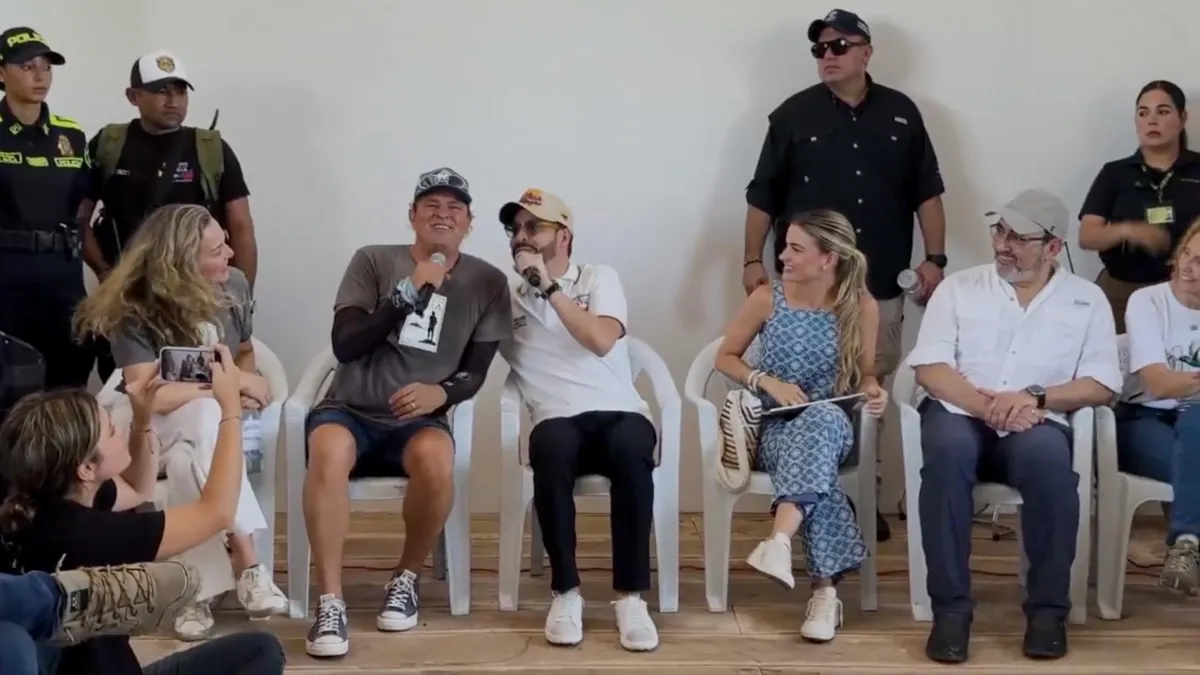
His most recent high-profile visit took him this past weekend to Buenavista, a remote stilt village nestled within the ecologically vital Ciénega Grande de Santa Marta. Accompanied by his wife, Ana Lucía Pineda, and the iconic Colombian singer Carlos Vives, the President-elect immersed himself in the lives of the community members. This visit, laden with symbolic and substantive significance, underscored De La Espriella’s conviction that genuine societal transformation originates not in grand governmental halls, but in the heart of territories where communities, through their labor, organization, and enduring hope, are actively crafting solutions to their own challenges.
De La Espriella’s message is clear: his administration will not impose directives from a distant desk. Instead, it will arrive to listen, support, and empower those who are already building what he terms the "Patria Milagro" (Miracle Homeland) from their local vantage points. This collaborative spirit, he asserts, is the true engine of national development. Carlos Vives, a long-time advocate for the Ciénega Grande and its inhabitants, echoed this sentiment, emphasizing the invaluable wisdom of local communities in identifying and solving their own problems. He highlighted the success of the "amphibious peoples" in operating their own water company, a testament to their entrepreneurial spirit when given the right tools and opportunities. This model of community-led enterprise, Vives argued, demonstrates the unstoppable potential of populations empowered to undertake and create value, a vision now bolstered by the President-elect’s historic backing.
This proactive approach marks a distinct departure from previous administrations, which have often been criticized for their perceived detachment from regional concerns. De La Espriella’s early actions suggest a deep-seated belief that sustainable progress can only be achieved through a symbiotic relationship between the central government and its regional constituents, fostering an environment where local initiatives are recognized, nurtured, and integrated into a cohesive national strategy. The road ahead for the President-elect promises a continued focus on these direct encounters, solidifying a governance model that champions regional development hand-in-hand with its communities.
Main Facts: A Pledge to the Periphery
President-elect Abelardo De La Espriella’s electoral triumph was underpinned by a resolute promise to govern "with and from the regions," a slogan that has quickly transitioned from campaign rhetoric to a guiding principle of his pre-inaugural activities. This fundamental commitment posits that effective governance requires a direct, empathetic understanding of the myriad challenges and unique opportunities present across the nation’s diverse geography, rather than a top-down approach dictated from the capital.
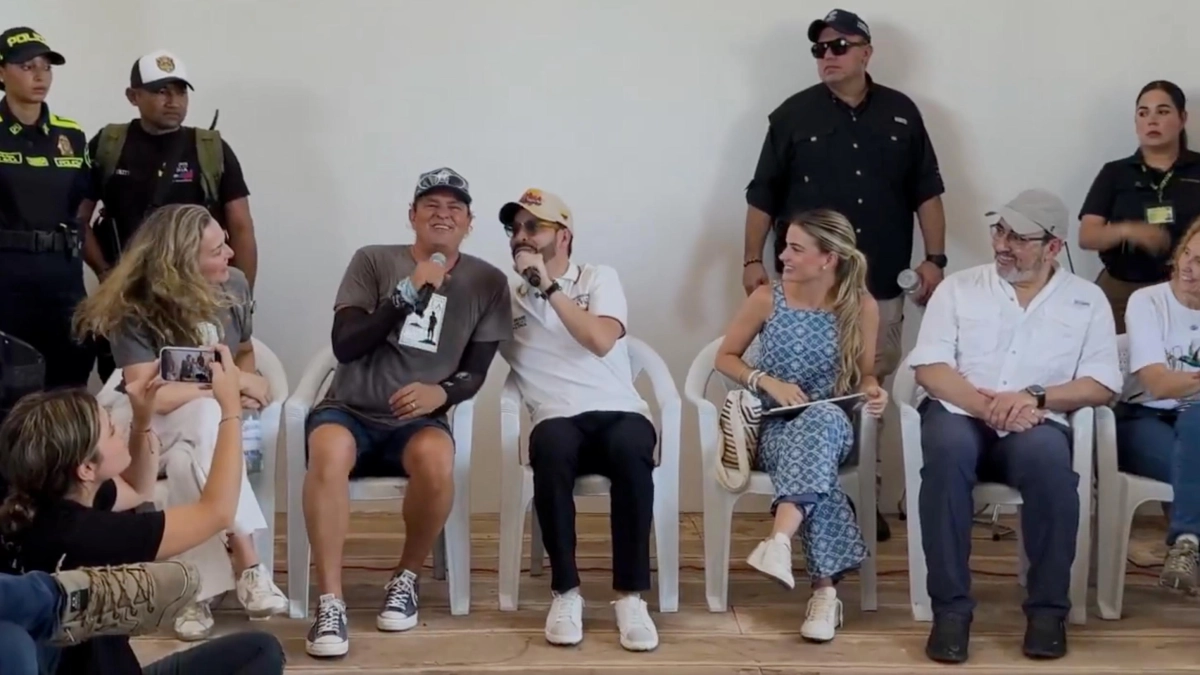
The most illustrative embodiment of this philosophy was his recent visit to Buenavista, a unique palafito village situated within the Ciénega Grande de Santa Marta. This area, known for its intricate stilt-house communities and rich biodiversity, also grapples with significant socio-economic vulnerabilities. De La Espriella’s choice of location was deliberate, aiming to highlight the often-overlooked realities of remote populations and to validate their struggles and resilience. Accompanying him were his wife, Ana Lucía Pineda, symbolizing a personal commitment, and notably, the globally recognized musician and cultural ambassador, Carlos Vives. Vives’s presence lent significant weight and visibility to the initiative, given his extensive history of advocacy and philanthropic work in the Colombian Caribbean region, particularly concerning the Ciénega Grande.
During his engagement with the residents of Buenavista, De La Espriella articulated a vision where transformative change is organically cultivated at the grassroots level. He asserted that "changes do not begin in grand halls, but in the territories, alongside communities that, through work, organization, and hope, find solutions to transform their own reality." This statement encapsulates his belief in local agency and the power of collective effort involving the community, the private sector, and the state. He vowed that his government would not impose decisions but would instead "listen, accompany, and strengthen those who, from their own territories, are already building the ‘Patria Milagro.’" This concept of a "Miracle Homeland" suggests a nation where progress is equitable, inclusive, and driven by the ingenuity of its people, wherever they may reside.
Carlos Vives, a revered figure who has dedicated years to the socio-environmental recovery of the Ciénega Grande through his "Tras La Perla" foundation, passionately endorsed the President-elect’s approach. Vives underscored the inherent value and resourcefulness of the Ciénega’s inhabitants, whom he referred to as the region’s "greatest treasure." He emphasized a model of empowerment over mere welfare, stating, "We did not come to bring welfare that generates dependence; we came to bring technology, to connect private wills, and to give them the tools so that they themselves transform their reality." Vives cited the community’s successful operation of their own water enterprise as a prime example of this self-sufficiency, hailing it as proof that "when populations are given the opportunity to undertake and create value, they are unstoppable." This collaborative visit thus served as both a practical demonstration and a powerful rhetorical statement of the incoming administration’s foundational commitment to a decentralized, community-centric model of national development.
Chronology of a Regional Vision: From Campaign Trail to Presidential Mandate
Abelardo De La Espriella’s ascent to the presidency was distinguished by a consistent and unwavering emphasis on regional empowerment, a theme that permeated his campaign messaging and has since become the defining characteristic of his transition period.
The Campaign Trail: A Promise to the Periphery
From the earliest days of his presidential bid, De La Espriella consciously positioned himself as the champion of Colombia’s often-forgotten regions. His campaign rallies were not merely staged events in major urban centers but extensive tours through remote towns, indigenous territories, and rural communities. He consistently articulated that the prevailing centralized model of governance had failed to address the systemic inequalities and specific needs of these areas. His speeches frequently highlighted the stark disparities in infrastructure, access to basic services like education and healthcare, and economic opportunities between the capital and the periphery. He promised a radical reorientation of national priorities, advocating for greater fiscal autonomy for regional governments, the creation of tailored development programs that respected local cultures and economies, and a participatory planning process that would directly involve community leaders and citizens. This message resonated deeply with a populace tired of decisions being made in Bogotá that often felt disconnected from their daily realities. He coined the phrase "Patria Milagro" (Miracle Homeland) not as a distant ideal, but as an achievable reality built upon the collective strength and local initiatives of every region.

The Transition Period: Laying the Groundwork
Upon his election, De La Espriella wasted no time in translating his campaign promises into actionable strategies. The establishment of "regional transition meetings" (empalmes regionales) marked a significant departure from standard practice. Instead of solely focusing on ministerial handovers in the capital, his transition team fanned out across the country, engaging directly with outgoing local authorities, community organizations, and civic leaders. These meetings were designed to be diagnostic, aiming to gather firsthand information on regional budgets, ongoing projects, unresolved issues, and local aspirations. This intensive data collection effort was intended to inform the new administration’s initial policy directives and budget allocations, ensuring that they were grounded in actual regional needs rather than theoretical assumptions. The President-elect himself often participated in these regional empalmes, underscoring the importance he placed on this decentralized information gathering. This initial phase served as a practical demonstration of his commitment to understanding the complexities of each region before formulating national policy.
The Buenavista Visit: A Symbolic and Strategic Engagement
The recent visit to Buenavista, nestled within the Ciénega Grande de Santa Marta, represents a critical juncture in this chronology. It was not merely another campaign stop but a post-election affirmation of his governance philosophy. The choice of Buenavista, a stilt village whose inhabitants live in constant interaction with the aquatic environment, was highly symbolic. These "pueblos palafitos" embody a unique way of life, often marginalized and facing acute challenges related to climate change, resource depletion, and lack of basic services. By visiting such a community, De La Espriella signaled his administration’s intent to prioritize the most vulnerable and geographically isolated populations.
The visit served multiple strategic purposes:
- Direct Observation: To witness firsthand the living conditions and socio-environmental realities of these amphibious communities.
- Validation of Local Models: To highlight and learn from existing community-led initiatives, such as the successful local water company mentioned by Vives, which exemplify self-sufficiency and resilience.
- Public Reinforcement: To publicly reiterate his core message that solutions emerge from the territories themselves, and that the role of the state is to facilitate and empower, not dictate.
- Alliance Building: The presence of Carlos Vives, a figure deeply respected for his cultural contributions and environmental advocacy in the region, amplified the visit’s impact, lending it a powerful blend of governmental commitment and civil society endorsement.
This visit was meticulously planned to convey a message of solidarity and active partnership, moving beyond mere political rhetoric to tangible engagement. It set a precedent for how the De La Espriella administration intends to interact with the diverse tapestry of Colombia’s regions, promising a continuous dialogue and a genuine effort to co-create solutions with local populations.
Ongoing Engagements: A Sustained Commitment
Looking ahead, the President-elect has indicated that such direct engagements will not be isolated events but a sustained feature of his presidency. His administration plans to continue these regional tours and participatory forums, reinforcing the message that development must be constructed collaboratively with communities, rather than imposed by bureaucrats far removed from the territories they serve. This long-term commitment aims to institutionalize a bottom-up approach to governance, ensuring that regional voices are consistently heard and integrated into national decision-making processes, thereby fundamentally reshaping the relationship between the central government and its diverse regions.

Supporting Data and Context: The Ciénega Grande and Regional Disparities
De La Espriella’s focus on regional governance and his specific visit to the Ciénega Grande de Santa Marta are deeply rooted in the historical and socio-economic context of Colombia, a nation characterized by profound regional disparities and a persistent struggle against centralism.
The Scars of Centralism and Regional Disparities
For decades, Colombia has grappled with an entrenched centralist model of governance, where political and economic power, as well as decision-making authority, have disproportionately resided in Bogotá and a few other major urban centers. This centralization has led to significant imbalances in development, with remote and peripheral regions often suffering from neglect, underinvestment, and a lack of access to essential services.
- Economic Inequality: While major cities have experienced economic growth and modernization, many rural and coastal areas, particularly those with significant Afro-Colombian and indigenous populations, continue to struggle with high rates of poverty and unemployment. This economic divide fuels internal migration, as people move to cities in search of opportunities, further straining urban resources and often leading to informal settlements.
- Infrastructure Gaps: Access to paved roads, reliable electricity, clean drinking water, and sanitation systems remains a luxury in many regions. This lack of basic infrastructure hinders economic development, limits access to markets for local products, and severely impacts the quality of life for residents.
- Social Services Deficit: Healthcare and education systems are often underfunded and understaffed in remote areas. Quality schooling is scarce, and specialized medical care is virtually non-existent, forcing residents to travel long distances for basic services, perpetuating cycles of poverty and limited opportunity.
- Political Marginalization: Regional voices have historically been underrepresented in national policy debates, leading to policies that do not adequately address local specificities or empower regional actors. This has fostered a sense of alienation and distrust towards the central government.
The Ciénega Grande de Santa Marta: A Microcosm of National Challenges
The Ciénega Grande de Santa Marta, where Buenavista is located, serves as a poignant illustration of these broader national challenges, while also embodying unique ecological and cultural significance.
- Geographical and Ecological Significance: The Ciénega Grande is Colombia’s largest coastal lagoon and one of the most important wetlands in the Caribbean. It is a Ramsar site and a UNESCO Biosphere Reserve, renowned for its incredible biodiversity, particularly its mangrove forests, which act as vital nurseries for numerous fish species and a critical barrier against coastal erosion. It supports a unique ecosystem where freshwater from rivers mixes with saltwater from the Caribbean Sea, creating a delicate balance essential for the survival of its flora and fauna.
- Socio-Economic Challenges: Despite its ecological wealth, the communities living within and around the Ciénega, particularly the "pueblos palafitos" like Buenavista, face dire socio-economic conditions.
- Poverty: Fishing, the traditional livelihood, has been severely impacted by environmental degradation, overfishing, and climate change, leading to widespread poverty.
- Lack of Basic Services: Access to potable water, sanitation, and consistent electricity is extremely limited. Healthcare facilities are rudimentary, and educational opportunities are scarce. Children often have to travel long distances by boat to attend school, if at all.
- Environmental Degradation: The Ciénega has suffered from extensive environmental damage due to pollution from agricultural runoff, industrial waste, and the diversion of freshwater rivers for irrigation. This has led to increased salinity, fish mortality, and the destruction of mangrove ecosystems, directly threatening the livelihoods and health of local communities.
- Climate Vulnerability: As low-lying coastal communities, the palafito villages are highly vulnerable to rising sea levels, storm surges, and extreme weather events exacerbated by climate change.
- Cultural Significance: These communities represent a unique Afro-Colombian cultural heritage, with distinct traditions, culinary practices, and a deep connection to their aquatic environment. Their resilience in adapting to life on the water is a testament to their enduring spirit.
The Power of Community, Private Enterprise, and State Collaboration
De La Espriella and Vives’s emphasis on the "community, private enterprise, and state working together" model is a direct response to the historical failures of purely state-led or purely market-driven development in these complex regions.
- Empowerment vs. Assistencialismo: This model explicitly rejects "assistencialismo," a term referring to welfare programs that, while providing immediate relief, often foster long-term dependency without addressing the root causes of poverty or building sustainable local capacities. Instead, the focus is on "empowerment," which involves providing communities with the tools, knowledge, and resources to take ownership of their development processes.
- Carlos Vives and Tras La Perla: Carlos Vives’s involvement is particularly significant. His "Tras La Perla" foundation, established years ago, has been a pioneer in this collaborative model in the Santa Marta region. It focuses on sustainable development initiatives, including environmental restoration, cultural preservation, and economic empowerment projects in areas like Pescaíto, Taganga, and the Ciénega Grande. Vives’s efforts have demonstrated how private sector resources, combined with community organization and strategic partnerships with government entities, can yield tangible results. The example of the community-owned water company in Buenavista, which Vives highlighted, is likely a direct outcome or inspiration from such collaborative endeavors, showcasing local capacity to manage essential services when adequately supported.
- Technology and Connectivity: Vives’s mention of bringing "technology" and "connecting private wills" points to leveraging modern solutions and fostering partnerships between local groups and external stakeholders (NGOs, businesses, philanthropic organizations) to bring expertise, funding, and innovative approaches to regional problems. This goes beyond simple charity, aiming for systemic change through shared responsibility and investment.
By contextualizing the Ciénega Grande as both a symbol of regional neglect and a beacon of community resilience, De La Espriella’s visit and his stated philosophy resonate deeply with the urgent need for a more equitable and participatory model of national development. The "Patria Milagro" vision, therefore, is not an abstract concept but a concrete call to action, demanding a fundamental re-evaluation of how power, resources, and opportunities are distributed across the nation.

Official Responses and Public Reception: A New Narrative
The pronouncements made by President-elect Abelardo De La Espriella and Carlos Vives following their visit to Buenavista have not only outlined a governance philosophy but have also initiated a new narrative about the role of regional communities in national development.
De La Espriella’s Detailed Articulation of the "Patria Milagro"
De La Espriella’s statements from Buenavista were more than just political soundbites; they represented a detailed articulation of his core ideology. His affirmation that "My government will not come to the regions to impose decisions from a desk. It will come to listen, accompany, and strengthen those who, from their own territories, are already building the ‘Patria Milagro’" is particularly telling.
- Empathetic Leadership: This signifies a departure from a paternalistic state to one that views its citizens, particularly those in remote areas, not as passive recipients of aid but as active agents of change. The act of "listening" is elevated to a primary governmental function, suggesting that policy formulation will be genuinely informed by local perspectives and needs.
- Collaborative Governance: The terms "accompany" and "strengthen" imply a supportive, facilitative role for the central government. It suggests providing resources, technical assistance, and political backing to local initiatives, rather than dictating solutions. This collaborative approach seeks to build trust and empower local leadership, recognizing that sustainable solutions are often best designed and implemented by those closest to the problems.
- The "Patria Milagro" Philosophy: The concept of the "Miracle Homeland" is central to De La Espriella’s vision. It is not an idealistic, unattainable dream, but a practical outcome of collective effort. It implies that when communities, private enterprise, and the state work in synergy, even the most entrenched problems can be overcome, leading to tangible improvements in living conditions and opportunities. This vision challenges the historical narrative of despair in marginalized regions, replacing it with one of hope, self-reliance, and shared progress. It also subtly suggests a shift from dependence on external aid to internal capacity building and value creation.
Carlos Vives’s Amplification and Endorsement
Carlos Vives’s passionate endorsement significantly amplified the message, lending it cultural resonance and a sense of authenticity, especially within the Caribbean region where he is revered. His statements underscored several critical points:
- Valuing Local Knowledge: Vives’s assertion that "the Ciénega’s greatest treasure is its people" and that they "know the solutions to their own problems" validates local wisdom and experience. As an artist who has extensively explored Colombian folklore and regional identities, Vives brings credibility to the idea that local communities possess unique insights that often elude distant policymakers.
- Beyond Welfare, Towards Empowerment: His distinction between "assistencialismo" (welfare creating dependence) and providing "technology, connecting private wills, and delivering tools" highlights a paradigm shift. This resonates with modern development theories that prioritize sustainable empowerment over short-term relief. Vives, through his foundation, has demonstrated how targeted interventions (like improved water infrastructure or educational programs) can foster self-sufficiency and economic vitality.
- The "Amphibious Peoples" as Entrepreneurs: By celebrating the "amphibious peoples" for their "hard work in their blood" and their success in "operating their own water company, owning their progress," Vives paints a picture of resilient, entrepreneurial communities. This narrative counters stereotypes of poverty-stricken, passive populations, showcasing their capacity for innovation and self-management when given the right support. His statement about them being "unstoppable" when given the opportunity to "undertake and create value" serves as a powerful call to action for both the state and the private sector to invest in and trust these local initiatives.
- Historical Backing: Vives explicitly recognized the President-elect’s visit as "historical backing" for this model of "freedom." This frames De La Espriella’s commitment not just as a political promise but as a monumental shift that could unlock the potential of entire regions.
Local Community Reactions (Anticipated/General)
While specific reactions from Buenavista residents were not detailed, such a visit from a President-elect, especially one accompanied by a national icon like Vives, would likely evoke a mix of emotions:
- Hope and Optimism: Many residents would undoubtedly feel a renewed sense of hope, believing that their long-standing struggles are finally being acknowledged at the highest level of government. The promise of direct engagement and empowerment could inspire confidence in future development prospects.
- Skepticism: Given historical patterns of political promises often remaining unfulfilled, some residents might harbor skepticism, adopting a "wait and see" attitude. They would likely look for tangible actions and sustained commitment beyond the initial visit.
- Validation: For those already engaged in community-led initiatives, the visit would serve as a powerful validation of their efforts, recognizing their resilience and ingenuity.
- Increased Expectations: The visit would inevitably raise expectations for concrete improvements in basic services, infrastructure, and economic opportunities, putting pressure on the incoming administration to deliver on its pledges.
Political Commentary (General/Hypothetical)
The regional focus and the Buenavista visit would likely elicit diverse reactions across the political spectrum:

- Allies: De La Espriella’s political allies would hail this as a clear demonstration of his campaign promises being put into action, showcasing a leader genuinely committed to inclusive development and a break from traditional politics. They would emphasize the innovative nature of his "bottom-up" approach.
- Opponents: Political opponents might critique the visit as a populist gesture, questioning the feasibility of such extensive regional engagement or suggesting it’s a superficial attempt to garner support without deep policy substance. They might also point to the challenges of scaling such models across a diverse and often conflict-affected nation.
- Analysts: Political analysts would likely commend the strategic brilliance of such engagements, recognizing their potential to build social capital and legitimacy for the new administration. However, they would also emphasize the enormous logistical and political challenges of sustaining this approach and translating it into concrete, impactful policies across all regions. The role of Vives would be analyzed for its public relations value and its potential to mobilize civil society.
In essence, De La Espriella’s and Vives’s statements from Buenavista are actively shaping a new national discourse, one that seeks to re-center the regions as vital engines of progress and to foster a collaborative spirit between the state, the private sector, and empowered communities.
Implications for Future Governance: A Paradigm Shift
The commitment of President-elect Abelardo De La Espriella to govern "with and from the regions" carries profound implications for the future of governance in Colombia, potentially ushering in a paradigm shift in policy-making, economic development, and social cohesion.
Policy Shifts: Decentralization and Participatory Planning
The most immediate implication of this regional focus is a likely acceleration of decentralization efforts. This could manifest in several ways:
- Fiscal Decentralization: A greater allocation of national budget resources directly to regional and local governments, coupled with increased autonomy in how these funds are managed and invested. This would empower local authorities to address their specific needs without excessive bureaucratic hurdles from the central government.
- Administrative Decentralization: The establishment of regional offices for national ministries, bringing governmental services and decision-making closer to the populace. This would improve efficiency and responsiveness to local concerns.
- Participatory Policy-Making: A formalization of mechanisms for citizen participation in policy formulation at regional and local levels. This could include regular regional forums, citizen assemblies, and direct consultations with community leaders and organizations, ensuring that national policies are informed by grassroots input.
- Tailored Development Programs: A move away from generic, one-size-fits-all national programs towards development initiatives that are specifically designed to address the unique socio-economic, environmental, and cultural contexts of each region. This would require greater flexibility in program design and implementation.
Economic Impact: Fostering Regional Growth and Innovation
The "bottom-up" approach championed by De La Espriella has the potential to unlock significant economic opportunities in the regions:
- Local Entrepreneurship: By empowering communities and providing them with "tools" and "technology," the administration could stimulate local entrepreneurship. This includes supporting small and medium-sized enterprises (SMEs), cooperative ventures (like the Buenavista water company), and innovative solutions tailored to regional resources and markets.
- Diversification of Economies: Reduced reliance on single-sector economies (e.g., traditional agriculture or mining) through investment in new sectors such as eco-tourism, sustainable aquaculture, artisanal industries, and technology-driven services.
- Infrastructure Investment: Targeted investments in regional infrastructure (roads, ports, digital connectivity, renewable energy) that directly support local economic activities and connect regional producers to national and international markets.
- Reduced Urban Migration: By creating viable economic opportunities and improving living conditions in rural and peripheral areas, the policy could help stem the tide of internal migration to overcrowded cities, fostering more balanced national development.
Social Cohesion: Bridging Divides and Strengthening Identity
The emphasis on regional inclusion can have profound positive effects on national social cohesion:

- Reduction of Disparities: A concerted effort to address regional inequalities in access to education, healthcare, and basic services could significantly reduce social disparities, leading to a more equitable society.
- Strengthening Local Identity and Culture: By recognizing and valuing the unique cultural heritage of each region, the government can foster a stronger sense of local identity and pride, which in turn contributes to a richer national tapestry. This includes supporting indigenous languages, traditional arts, and local customs.
- Increased Trust in Government: Direct engagement and a demonstrable commitment to addressing local concerns can rebuild trust between citizens and the state, particularly in regions that have historically felt marginalized or neglected.
- Peacebuilding and Reconciliation: In a post-conflict nation, regional development and inclusion are crucial for sustainable peace. By providing opportunities and addressing historical grievances, the policy can contribute to reconciliation and prevent the resurgence of violence.
Challenges and Risks: Navigating the Path Ahead
Implementing such an ambitious vision will undoubtedly face significant challenges:
- Bureaucratic Resistance: Entrenched centralist bureaucratic structures and mindsets within government ministries may resist decentralization efforts, fearing a loss of power or control.
- Corruption: Increased decentralization of funds, if not accompanied by robust oversight and accountability mechanisms, could increase opportunities for local corruption, undermining the policy’s effectiveness and public trust.
- Lack of Sustained Funding: The success of regional initiatives will depend on consistent and adequate funding. Economic downturns or shifts in political priorities could jeopardize long-term commitment.
- Political Will and Continuity: Sustaining this regional focus beyond a single presidential term will require strong political will and a commitment from successive administrations to continue and deepen decentralization reforms.
- Security Issues: In some regions, ongoing security challenges, including the presence of illegal armed groups and organized crime, could hinder development efforts and limit the government’s ability to operate effectively.
- Capacity Building: Many local governments and community organizations may lack the technical capacity, training, or experience to effectively manage increased responsibilities and resources, necessitating significant investment in capacity-building programs.
Long-Term Vision: A Legacy of Inclusive Development
De La Espriella’s regional governance strategy aims to build a lasting legacy of inclusive national development. By prioritizing direct engagement, empowering local communities, and fostering collaboration between the state, private sector, and civil society, he seeks to fundamentally re-engineer the relationship between the central government and its diverse regions. The "Patria Milagro" is not just a slogan; it is a blueprint for a more equitable, resilient, and unified Colombia, where progress is measured not just by national aggregates but by the well-being and prosperity of every community, from the bustling cities to the remote palafito villages of the Ciénega Grande. The success of this vision will depend on sustained political will, effective implementation, and the continued active participation of the very communities it seeks to serve.