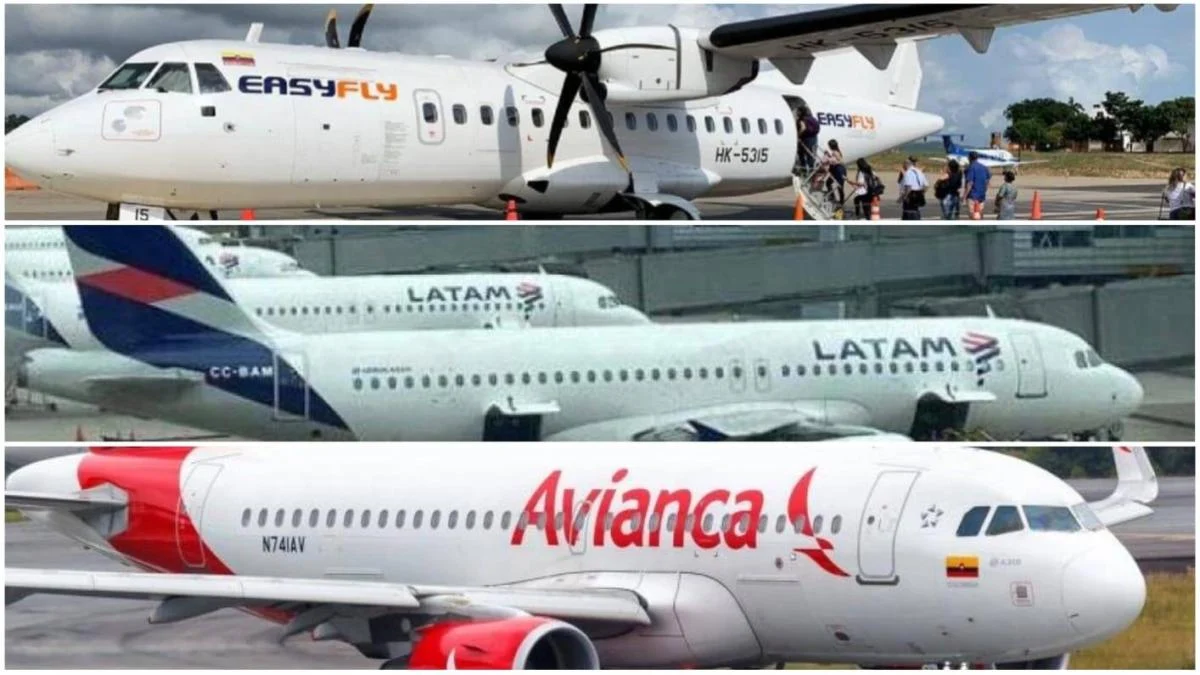

The strategic expansion marks a significant milestone in regional connectivity, promising to boost tourism, cultural exchange, and economic ties between the Colombian coast and the "One Happy Island."
Executive Summary: A New Gateway to the Caribbean
In a significant move to bolster regional aviation, low-cost carrier Wingo has officially inaugurated its newest international route connecting the vibrant city of Barranquilla, Colombia, with the sun-drenched shores of Aruba. This development, which materialized this past Thursday, serves as a pivotal bridge between the Colombian Caribbean and one of the most sought-after island destinations in the region.
The route will operate with two weekly frequencies, scheduled every Thursday and Sunday. By establishing this direct link, Wingo is not merely adding another flight path to its portfolio; it is strategically positioning itself to capture the growing demand for short-haul international travel among residents of the Colombian Atlantic coast. For travelers in Barranquilla, this means saying goodbye to time-consuming layovers and embracing a streamlined, efficient journey to the heart of the Dutch Caribbean.

Chronology: The Path to Connectivity
The launch of the Barranquilla-Aruba route did not happen in a vacuum. It is the culmination of months of market analysis, negotiation, and logistical planning.
- Q1 2026: The Strategic Assessment: Wingo and the Aruba Tourism Authority (ATA) identified a notable gap in direct connectivity for travelers originating from the Colombian coast, who previously had to route through hubs like Bogotá or Panama City.
- April 2026: The Formal Announcement: As consumer interest in post-pandemic international travel surged, the carriers and tourism boards confirmed their intention to formalize the route, emphasizing the synergy between the two destinations.
- July 16, 2026: The Inaugural Flight: The route officially commenced operations. The flight path was celebrated as a milestone for both the Ernesto Cortissoz International Airport in Barranquilla and Queen Beatrix International Airport in Oranjestad, Aruba.
Supporting Data: Why This Route Matters
The decision to link Barranquilla and Aruba is backed by robust data trends in the tourism and aviation sectors.
1. The Surge in "Sun and Beach" Demand
Post-2025, travel patterns among South Americans have shifted toward experiential, nature-based tourism. Colombia, currently seeing a massive increase in international tourism interest, is simultaneously witnessing a rising middle class looking to explore the Caribbean beyond national borders. Aruba, known for its stable climate and pristine beaches, remains a top-tier aspirational destination for Colombian travelers.

2. Market Reach and Frequency
With flights scheduled for Thursdays and Sundays, the airline has cleverly targeted two distinct traveler profiles:
- The Weekend Warrior: Sunday flights allow for long-weekend getaways, perfect for short, restorative breaks.
- The Extended Vacationer: Thursday flights accommodate traditional week-long vacations, allowing travelers to maximize their time on the island.
3. Economic Impact
Tourism accounts for a significant percentage of Aruba’s GDP. By diversifying the points of origin in Colombia—moving beyond the saturated Bogota market—the island is insulating itself against economic fluctuations and broadening its visitor demographic. For Barranquilla, this route strengthens its position as an international logistics and travel hub in Northern Colombia.
Official Perspectives: Bridging Two Cultures
The Tourism Authority’s Vision
Jordan Schlipken, Director for Latin America at the Aruba Tourism Authority, emphasized that this move is part of a larger, long-term strategy. "This connection will expand the horizon of options for both our residents and our Colombian neighbors," Schlipken noted during the inauguration. "Aruba is no longer just a destination; it is an experience that encompasses wellness, gastronomy, and nature, and we want it to be accessible to everyone."

Strengthening Local Ties
Claudia Delgado, Sales Representative for the Aruba Tourism Authority in Colombia, echoed these sentiments. She pointed out that the route serves as a catalyst for deeper cultural integration. "By facilitating travel from the Caribbean region of Colombia, we are removing barriers. This is not just about tourism; it is about creating a corridor of exchange that will benefit businesses, families, and cultural initiatives on both sides of the sea," she stated.
The Aruba Experience: Beyond the Beach
While the allure of Aruba’s crystal-clear waters is undeniable, the island’s tourism board is aggressively promoting a more diversified narrative. The marketing push accompanying the new route highlights several key pillars:
Nature and Adventure
Visitors are increasingly drawn to the Arikok National Park, a protected area covering nearly 20% of the island. With its rugged terrain, cactus-filled landscapes, and the famous natural pools carved into the limestone by the Atlantic, it offers a stark, beautiful contrast to the typical "resort" experience.

Gastronomy and Wellness
Aruba has undergone a culinary transformation, positioning itself as a melting pot of Caribbean, Dutch, and Latin American flavors. The "wellness" aspect—ranging from yoga retreats on the beach to high-end spa experiences—is being marketed as the perfect antidote to the high-stress urban lifestyle found in many of Colombia’s major cities.
Responsible Tourism
As global travel becomes more environmentally conscious, Aruba is positioning itself as a leader in sustainability. The island’s commitment to renewable energy and plastic-free initiatives is a major selling point for the environmentally conscious younger generation of travelers who are driving the current demand for the new flight route.
Future Implications: What This Means for the Aviation Industry
A Trend Toward Decentralization
The success of the Barranquilla-Aruba route serves as a case study for the decentralization of air travel in South America. For decades, the "hub-and-spoke" model forced travelers to transit through capital cities. By bypassing the Bogotá hub, Wingo is demonstrating that there is a viable, profitable market for secondary-city international travel.

Competition and Connectivity
Expect other low-cost carriers to monitor the success of this route closely. If the load factors (percentage of seats filled) remain high, it is likely that we will see an increase in direct international flights from other Colombian cities like Cartagena, Medellin, and Cali, specifically targeting Caribbean destinations. This competition is ultimately a win for the consumer, as it drives down prices and increases flight frequency.
Strengthening the Caribbean Identity
This route also reinforces the concept of a "unified Caribbean." By making it easier for people to move between the Colombian coast and the Dutch ABC islands (Aruba, Bonaire, and Curaçao), there is an implicit growth in shared commerce. Local entrepreneurs in Barranquilla now have easier access to the Aruban market, and vice-versa, potentially leading to new joint ventures in hospitality and retail.
Conclusion: A New Chapter for Travel
The launch of Wingo’s Barranquilla-Aruba route is more than a simple schedule change; it is a vital step in the evolution of regional travel. By connecting two regions that share a deep, historical affinity for the Caribbean Sea, the industry is betting on the fact that proximity, convenience, and a desire for diverse experiences are the primary drivers of the modern traveler.

As the first passengers disembark in Oranjestad this summer, they carry with them the promise of a more connected future. For the aviation industry, the challenge will be to maintain this momentum, ensuring that the infrastructure—from airport services to ground transportation—keeps pace with the increasing demand.
For the traveler, however, the choice is simple: with just a short flight, the white sands of Aruba are now closer than ever to the heart of the Colombian Caribbean. Whether for business, wellness, or pure leisure, this new aerial bridge is set to become a cornerstone of regional connectivity for years to come.
Reporting by Angie Rodríguez, Travel and Trends Desk.