
By Angie Rodríguez | Travel & Trends Desk
Updated and Expanded Report
Main Facts: The Economic Powerhouse of Play
Colombia’s landscape of leisure—comprising theme parks, water parks, immersive cultural spaces, and family entertainment centers—has evolved from a secondary diversion into a fundamental pillar of the nation’s tourism economy. According to the latest Economic Impact Study released by the International Association of Amusement Parks and Attractions (IAAPA) for Latin America and the Caribbean, the sector achieved a staggering economic impact of $1.095 billion USD in 2024.

The numbers reflect an industry operating at a massive scale. During that same year, these recreational spaces welcomed a combined total of 11.2 million visitors, while directly and indirectly supporting 44,900 jobs across various regions of the country. Far from simple weekend escapes, these destinations are increasingly acting as macroeconomic engines that stimulate local commerce, hotel occupancy, and infrastructure development.
"The relationship between tourism and attractions is increasingly bidirectional," explains Paulina Reyes, Vice President and Executive Director of IAAPA for Latin America and the Caribbean. "Some destinations incorporate attractions to strengthen their existing proposals, while operators develop new experiences and services to generate more comprehensive, multi-day travel itineraries."

Chronology: The Evolution of Attractions as Tourism Anchors in Colombia
To understand how Colombia reached this milestone, it is necessary to examine how leisure spaces transitioned from local gathering spots to national and international tourism beacons.
- Late 20th Century – The Local Era: For decades, amusement parks and recreational spaces in Colombia served primarily local or regional populations. Destinations functioned independently of broader tourism networks, relying on weekend foot traffic from nearby cities rather than organized travel packages.
- The Turn of the Millennium – Infrastructure and Integration: The establishment of major thematic destinations—such as the opening and expansion of the Parque del Café in the Quindío department in 1995—began to shift the paradigm. Regions started recognizing that large-scale attractions could anchor lodging and dining sectors.
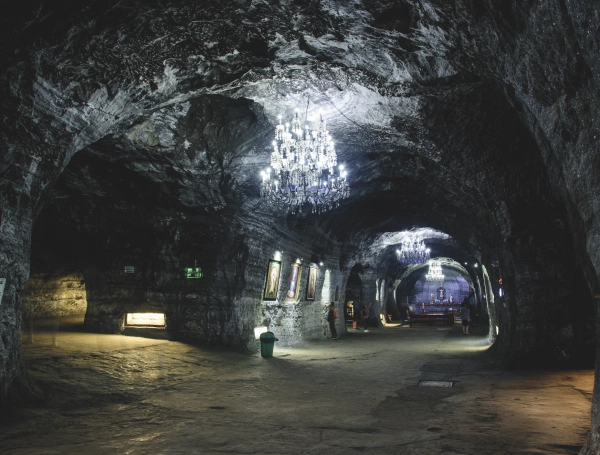
- The 2010s – Urban and Cultural Convergence: Cities began strategically linking civic infrastructure to tourism and nature. Iconic projects, such as Medellín’s Metrocable connecting urban areas to the ecological and cultural wealth of Parque Arví, demonstrated that municipal transit and immersive tourism could seamlessly merge. Meanwhile, structural marvels like the Catedral de Sal in Zipaquirá transformed underground architecture into a world-class cultural pilgrimage site.
- 2024 – The Post-Pandemic Rebound and Quantitative Milestone: IAAPA’s landmark 2024 data captured the maturity of this sector. Reaching 11.2 million visitors and nearly $1.1 billion in economic output cemented the industry’s status as a critical driver of Colombia’s post-pandemic economic recovery.
- Present Day – The Immersive Future: Today, operators are moving beyond traditional thrill rides. The industry is rapidly integrating technology, sustainability, and regional storytelling, ensuring that parks and experiential spaces remain at the forefront of traveler demand.
Supporting Data: By the Numbers
A closer examination of the IAAPA metrics highlights the scale, labor impact, and cultural footprint of Colombia’s attraction industry:

- $1.095 Billion USD: Total economic impact generated by the industry in 2024, accounting for direct spending at parks, as well as secondary expenditures in transportation, hospitality, and dining.
- 11.2 Million Visitors: Total annual foot traffic recorded across amusement parks, water parks, immersive spaces, and entertainment centers nationwide.
- 44,900 Jobs Supported: Employment opportunities created across multiple sectors, ranging from park operations, guest services, and engineering to agriculture, local artisanal production, and hospitality supply chains.
- Diverse Regional Ecosystems: The data underscores a healthy dispersion of visitors beyond the traditional metropolitan hubs of Bogotá, Medellín, and Cali, successfully channeling tourists into specialized zones like the Coffee Cultural Landscape (Paisaje Cultural Cafetero).
Official Responses and Strategic Vision
Industry leaders and international organizations agree that the synergy between travel and leisure is no longer accidental; it requires deliberate strategic planning.
Paulina Reyes of IAAPA emphasizes that the transformation of a mere attraction into a primary travel motivator represents a paradigm shift for the entire region. "A tourist attraction can be much more than just a place to visit for an afternoon," Reyes notes. "It can also become the primary reason to embark on a journey, helping to shape complete, multi-day experiences and robust destinations. This convergence represents a vital opportunity for Colombia, Latin America, and the broader Caribbean."
Local tourism boards are taking note. Rather than marketing regions solely based on natural landscapes or historical architecture, regional development agencies are actively collaborating with entertainment operators. By bundling theme park tickets with boutique hotel stays, gastronomic tours, and guided nature hikes, destinations are succeeding in increasing average tourist expenditures per trip.
Implications: The Dual Models of Tourism Integration
According to industry analyses, attractions in Colombia generally fit into one of two operational frameworks regarding how they stimulate travel:

1. Complementary Enhancements (Destination-Led)
In this model, a city or region already possesses a robust, diversified tourism profile, and attractions are integrated to enrich the visitor’s itinerary, encourage longer stays, and diversify activities.
- Medellín and Parque Arví: Merging nature conservation, archaeology, and community-based tourism, Parque Arví is seamlessly tied to Medellín’s urban core via the Metrocable system. It acts as an extension of the city’s cultural and ecological footprint, giving visitors a compelling reason to extend their urban holiday into the surrounding mountains.
- Zipaquirá and the Salt Cathedral: Positioned just north of Bogotá, the underground Salt Cathedral serves as a magnificent anchor that draws travelers into the municipality. Once there, visitors readily explore Zipaquirá’s colonial architecture, local gastronomy, and rich historical heritage, directly benefiting local small businesses.
2. Primary Magnets (Attraction-Led)
In this framework, the attraction itself possesses sufficient drawing power to serve as the principal catalyst for travel, prompting tourists to book trips specifically to experience it, thereby activating the surrounding regional economy.

- The Coffee Cultural Landscape and Parque del Cafené: Located in the heart of Quindío, Parque del Cafú blends adrenaline-filled roller coasters (such as Avix) with deep tributes to Colombia’s coffee heritage, native flora, and regional cuisine. For millions of domestic and international travelers, the park serves as the definitive anchor for visiting the Coffee Triangle, subsequently driving traffic to local coffee farms, boutique eco-lodges, and artisan markets.
Looking Ahead: The Future of Colombian Leisure Tourism
As the global travel sector places a heightened emphasis on authentic, immersive, and sustainable experiences, Colombia is uniquely positioned to capitalize on its natural biodiversity and cultural richness. The integration of technology, eco-friendly park operations, and narrative-driven attractions ensures that the country’s leisure sector will continue to thrive.
With 11.2 million visitors already recorded and a billion-dollar economic footprint established, the message from the industry is clear: the future of Colombian tourism belongs to those who can transform a simple ride or exhibit into an unforgettable journey.