By Angie Rodríguez
Lifestyle & Trends Desk
Updated: September 30, 2026
Main Facts: Deconstructing the Myth of Male Skincare
In Colombia and across much of Latin America, discussing a dedicated facial care routine among men has historically been treated as a social taboo. Culturally sidelined as an unnecessary luxury or purely cosmetic vanity, skincare has long struggled to find a foothold in the daily habits of the average male population. However, medical specialists, dermatological laboratories, and cosmetic scientists emphasize a vital biological reality: male skin is an active, dynamic organ constantly exposed to environmental stressors, hormonal fluctuations, and mechanical trauma. It requires structured, intentional care that goes far beyond a casual splash of water or a hurried morning shave.
Biologically, male skin possesses distinct architectural characteristics compared to female skin. Driven by higher levels of androgenic hormones, men generally have thicker skin and significantly more active sebaceous glands. While this structural density can delay the visible onset of certain aging signs—such as deep-set wrinkles—it simultaneously predisposes men to higher sebum production, chronic oiliness, enlarged pores, and recurring blemishes or impurities.
Compounding these biological factors is the nearly universal ritual of shaving. When executed frequently or without proper preparation and aftercare, shaving acts as a form of mild physical exfoliation that can severely compromise the skin’s natural protective barrier. The repetitive friction of a razor blade often triggers micro-abrasions, leading to persistent irritation, localized redness, burning sensations, and acute dryness.
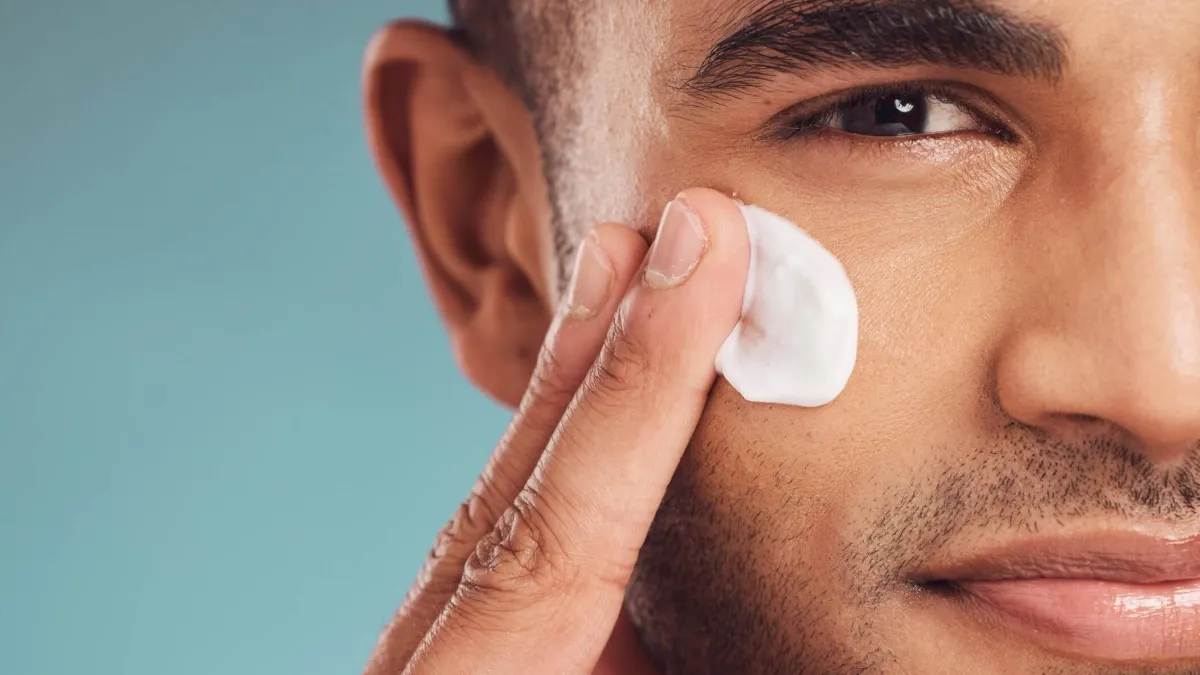
To counteract these challenges, industry experts and dermatological brands—such as the vegan cosmetics line Ringana and insights from regional health leaders—advocate for a streamlined, highly effective three-pillar regimen: cleansing, hydration, and solar protection. Far from an elaborate or overly feminized ritual, this minimalist approach addresses the fundamental physiological needs of masculine skin in the modern world.
Chronology and Evolution: From Soap and Water to Advanced Dermatological Care
The Traditional Era: Minimalist Neglect
For generations, men’s grooming was defined by simplicity born of necessity. The standard routine consisted of washing the face with whatever bar soap was available in the shower—a harsh practice that stripped the skin of its natural lipid barrier—followed by an alcohol-heavy aftershave splash designed to disinfect razor burns, albeit at the cost of severe dehydration and stinging irritation.
The Shift Toward Specialized Grooming
As the personal care market expanded globally in the late 2010s and early 2020s, commercial brands began introducing products specifically marketed to men. Initially, these consisted of generic "all-in-one" washes and basic moisturizers with heavy, synthetic fragrances. While these products marked a step forward, they frequently failed to address specific skin types, leading many men to abandon routines due to clogged pores or greasy residues.
The Contemporary Standard: Science-Backed Minimalism (2026)
Today, the paradigm has shifted dramatically. Driven by accessible dermatological education and a cultural softening of rigid masculinity norms, men are increasingly adopting targeted, active-ingredient-driven routines. The modern landscape values efficiency: lightweight gels, non-comedogenic hydrators, and multi-functional serums designed to fit into fast-paced lifestyles without feeling cumbersome.

Supporting Data and Dermatological Insights
Understanding why male skin behaves the way it does requires a closer look at the biochemical and physiological data governing dermal health.
1. The Science of Cleansing Without Stripping
The first foundational step in any robust skincare routine is cleansing. The primary objective is to remove accumulated sweat, excess sebum, atmospheric pollutants, and daily impurities without inducing transepidermal water loss.
Many men make the mistake of using aggressive cleansers that create a "squeaky clean" sensation. Dermatologists warn that this feeling actually signals a compromised skin barrier. When the natural protective oils are stripped away, the skin reacts by producing even more oil to compensate, creating a vicious cycle of oiliness and irritation.
Dr. Melissa Kallmann, Medical Director of Bayer Consumer Health for the Andean Region, notes that bodily and facial dryness often manifests in subtle yet uncomfortable ways that require active intervention.

"The sensation of tightness, rough texture, the appearance of fine lines or faint whitish traces associated with fine desquamation, as well as itching or redness, are some of the signs that can indicate the skin requires greater attention," explains Dr. Kallmann.
2. Hydration and Post-Shave Recovery
The second core pillar is hydration, which takes on heightened importance immediately following a shave. Shaving removes not only facial hair but also the outermost layer of dead skin cells, leaving the fresh skin exposed and vulnerable.
Modern formulations incorporate advanced humectants and barrier-repair agents to soothe this trauma. Key ingredients dominating the market include:
- Hyaluronic Acid: Capable of holding up to 1,000 times its molecular weight in water, drawing moisture deep into the epidermal layers.
- Glycerin: A classic, highly effective humectant that softens the skin and prevents moisture evaporation.
- Ceramides: Essential lipid molecules that rebuild and reinforce the compromised skin barrier after aggressive shaving.
- Botanical Extracts and Plant Oils: Natural agents that calm inflammation and reduce post-shave redness.
Furthermore, the delicate skin surrounding the eyes frequently betrays modern lifestyle stressors such as lack of sleep, chronic fatigue, fluid retention, and genetic predisposition. To combat dark circles and under-eye bags, dermatologists recommend eye contours formulated with caffeine—a powerful vasoconstrictor that reduces puffiness—alongside targeted antioxidants.

3. Addressing Maturation and Aging
As men enter mature life, cell turnover slows down, and collagen production diminishes. While masculine skin ages differently than feminine skin—often transitioning from a smooth surface to deeper, more pronounced furrow lines rather than widespread micro-wrinkles—it still benefits immensely from active anti-aging components.
Formulations targeting mature male skin increasingly feature hyaluronic acid and plant-derived derivatives such as Centella Asiatica, known for its wound-healing properties and ability to stimulate collagen synthesis without causing excessive irritation.
Official Responses and Expert Recommendations
Health authorities and skincare professionals stress that while generalized routines offer a great starting point, skincare is fundamentally personal. There is no universal formula that fits every individual.
According to clinical guidelines issued by dermatological associations across the Andean region, self-diagnosis of chronic skin conditions can lead to counterproductive results. When men encounter persistent problems such as cystic acne, chronic dermatitis, severe flaking, or acute sensitivity from shaving, over-the-counter products are often insufficient.

"The choice of products always depends on the individual needs of each person," notes Dr. Kallmann. "And in the face of persistent irritation, chronic dryness, or hypersensitivity, it is vital to consult with a certified dermatologist for a tailored diagnosis."
The Ultimate Defense: Solar Protection
The third and non-negotiable pillar of any comprehensive facial routine is sun protection. The cumulative exposure to ultraviolet (UV) radiation—whether under the blazing tropical sun of Colombia or through daily urban commuting—is the primary driver of photoaging, loss of elasticity, uneven pigmentation (sun spots), and severe cutaneous pathologies, including skin cancer.
Integrating a broad-spectrum sunscreen (SPF 30 or higher) into the final step of a morning routine is no longer viewed as an optional beach-day accessory, but as an essential health practice for safeguarding exposed skin against irreversible cellular damage.
Broader Implications: Cultural Shifts, Wellness, and the Future of Grooming
The slow dismantling of the taboo surrounding men’s skincare carries profound implications that stretch far beyond physical aesthetics, touching upon public health, mental wellness, and evolving social constructs of masculinity.

1. Public Health and Preventative Medicine
By normalizing daily skincare routines—specifically the application of sun protection and the monitoring of skin changes—public health campaigns can drive earlier detection of skin abnormalities. Men historically lag behind women in preventative healthcare visits, including dermatological screenings for skin cancer. Encouraging daily mirror checks as part of a grooming routine naturally increases body awareness, prompting men to notice suspicious moles, persistent lesions, or unusual skin changes much sooner.
2. Redefining Masculinity in Latin America
In societies where traditional notions of machismo discouraged men from investing time or emotional energy into their physical appearance, the modern wellness movement offers a liberating counter-narrative. Taking care of one’s skin is increasingly reframed not as an act of vanity, but as a core component of self-respect, hygiene, and long-term health maintenance. Professional environments, corporate wellness programs, and digital media platforms are accelerating this shift, presenting well-groomed skin as a standard of professional and personal self-care.
3. The Commercial and Economic Impact
The commercial sector has responded enthusiastically to this cultural evolution. The men’s grooming market in Latin America has experienced robust, steady growth over recent years, shifting from basic deodorants and shaving creams to sophisticated serums, specialized eye creams, and lightweight fluid sunscreens. Brands that successfully educate consumers—demystifying complex ingredient lists and presenting routines in straightforward, functional terms—are capturing a loyal demographic of male consumers eager to invest in their personal well-being.
Ultimately, the transition from a society where men’s skincare was whispered about to one where it is practiced openly marks a significant milestone in modern lifestyle habits. By treating the skin with the biological respect it demands through consistent cleansing, intelligent hydration, and vigilant solar protection, men across Colombia and the region are redefining what it means to age healthily and live well.