By Edwin Caicedo | Environmental & Health Reporter
For decades, the global narrative surrounding plastic has been dominated by a singular, urgent demand: the total elimination of the material to curb the mounting crises of environmental degradation and greenhouse gas emissions. However, as the world navigates the complexities of the 2026 industrial landscape, leaders at global manufacturing giants like Dow are proposing a radical departure from this "all-or-nothing" approach. They argue that the solution does not lie in the eradication of plastic, but in a fundamental, structural reinvention of how we produce, consume, and—crucially—reintegrate it into the global economy.
The New Paradigm: Beyond Elimination
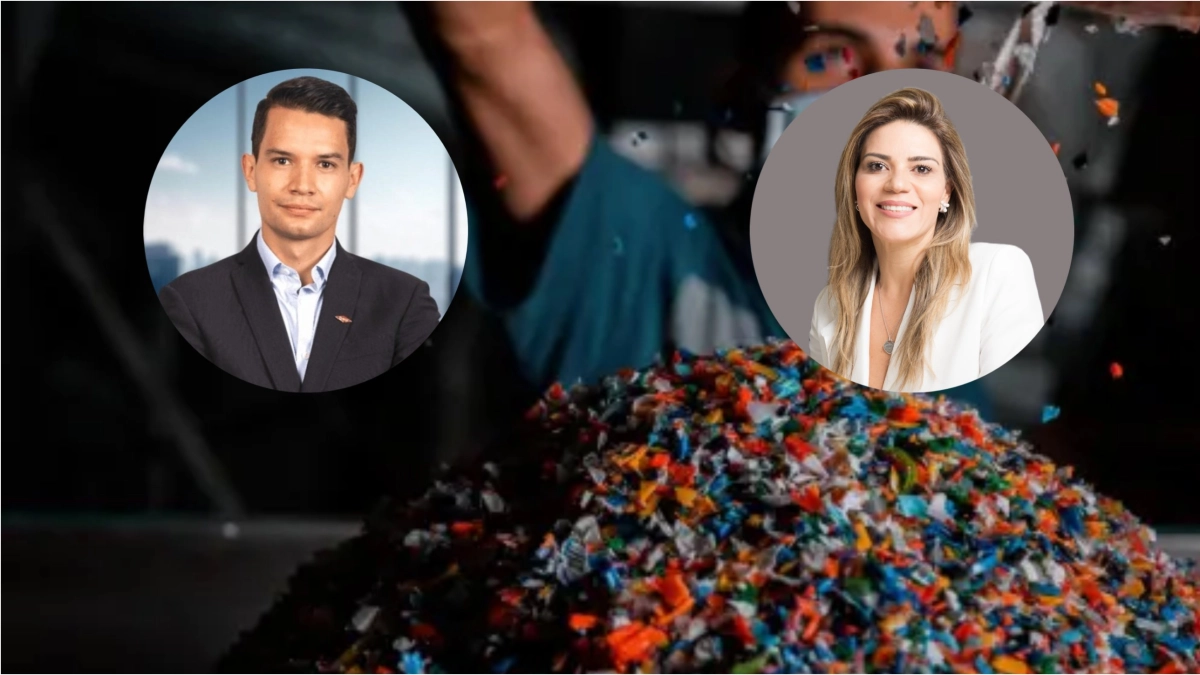
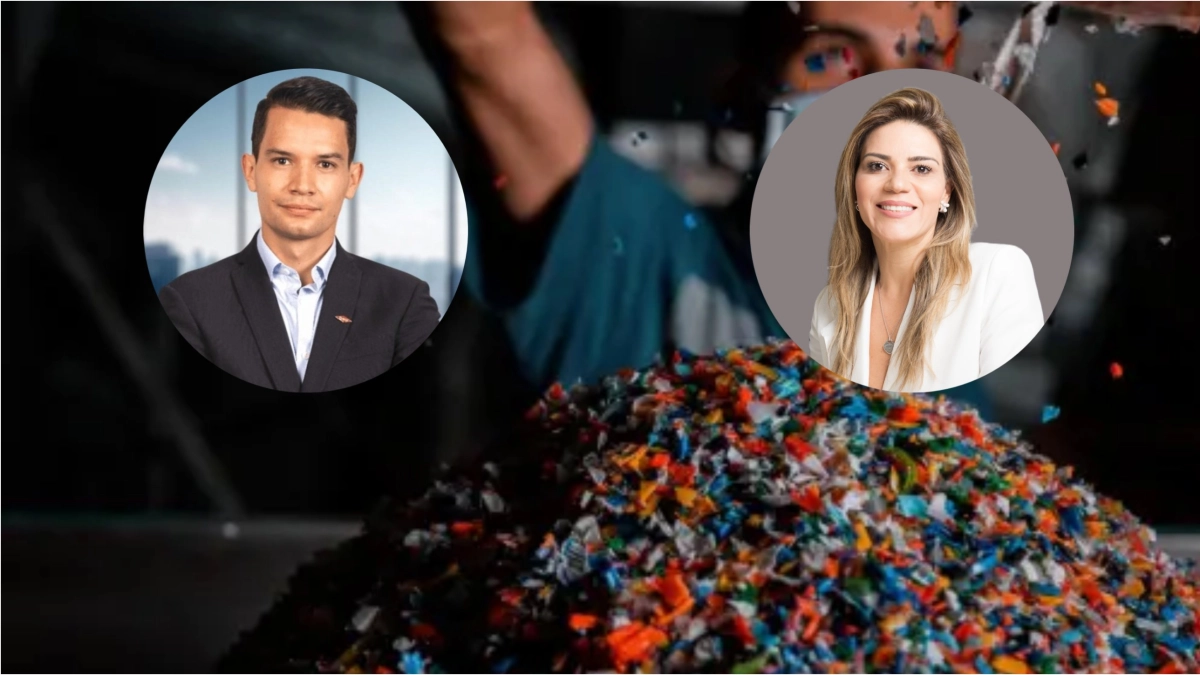
During the recent Colombiaplast 2026 summit, the industry’s stance was articulated with clarity by Leticia Jensen, Dow’s Vice President for Plastics and Packaging in Latin America. "We do not see a future without plastic," she asserted.
This perspective is not merely a defense of current business models, but a pragmatic acknowledgment of plastic’s functional superiority in specific, essential sectors. From the preservation of food—which significantly reduces waste—to the lightweight transportation of goods and medical safety, plastic remains, according to current scientific assessments, the most efficient material available. The challenge, therefore, is not to replace it, but to decouple its utility from its environmental footprint.

A Chronology of the Shift Toward Circularity
The industry’s pivot has been a gradual, often difficult evolution. While environmental activists have long pressured corporations to divest from petrochemicals, the shift toward a circular economy has accelerated in the last five years:
- 2021-2023: The Era of Awareness. Global corporations began committing to "Net Zero" goals, identifying post-consumer plastic waste as the primary obstacle to sustainability.
- 2024: Regulatory Awakening. Governments in Latin America, notably Colombia and Chile, began implementing strict Extended Producer Responsibility (EPR) laws, forcing manufacturers to take ownership of the full life cycle of their products.
- 2025: Technological Scaling. The maturation of chemical recycling technologies and the adoption of mass-balance accounting systems allowed companies to integrate recycled content into high-performance applications that were previously impossible to manage with traditional mechanical recycling.
- 2026: The Integrated Model. As seen at Colombiaplast 2026, the industry is now moving toward a multi-pronged approach that combines bio-based feedstocks, advanced recycling, and eco-design as standard operating procedures.
Supporting Data: The Magnitude of the Market
To understand the gravity of this transition, one must look at the sheer scale of the industry. In Latin America alone, the market for polyethylene—a cornerstone of the plastics industry—currently moves approximately 9.2 million metric tons per year. Projections indicate a compound annual growth rate (CAGR) of 2.6% through 2028.

Given these figures, a total phase-out is viewed by industry experts as economically and logistically untenable. Instead, the focus has shifted to the "Four Pillars of Circularity":
- Mechanical Recycling: Improving the physical processing of waste.
- Advanced (Chemical) Recycling: Breaking down complex plastics into their molecular building blocks.
- Biocircular Feedstocks: Using renewable sources like used cooking oil or corn residue.
- Design for Recyclability: Creating products that are engineered from day one to be easily broken down and reused.
Official Responses: The Systemic Challenge
Juan Diego Peña, Sustainability Manager at Dow, emphasizes that the burden of this transformation cannot rest on any single entity. "The challenge is systemic; it requires a coordinated effort across the entire value chain," Peña stated.

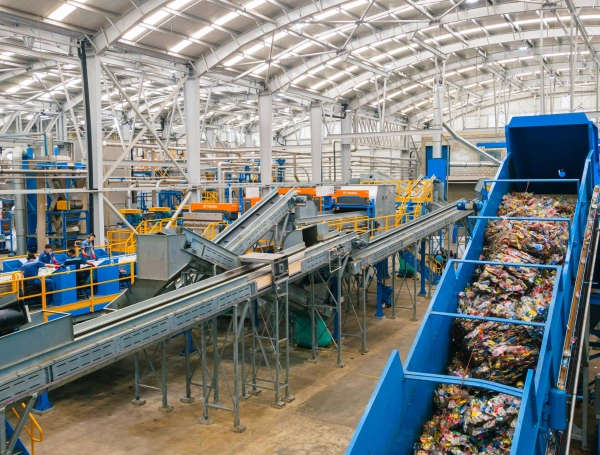
This coordination involves a complex web of stakeholders: raw material suppliers, brand owners, waste management companies, local governments, and the informal sector. In many Latin American markets, the informal recycling sector—the recicladores—remains the backbone of the supply chain. Dow’s current strategy involves integrating these workers with advanced technologies like AI-driven robotics and high-precision sorting sensors to ensure that the material recovered is of sufficient purity to be used in "virgin-quality" applications.
Deep Dive: Technological Pathways
The distinction between mechanical and advanced recycling is critical to understanding the future of the material.

Mechanical Recycling remains the primary method for clear, homogeneous plastics (like PET bottles). However, its efficiency drops significantly with contaminated or multi-layered plastics.
Advanced or Chemical Recycling acts as the necessary safety net. By using heat, pressure, or chemical catalysts, this process converts waste back into raw monomers. This allows the industry to use waste that was previously deemed "non-recyclable" and convert it into high-performance plastics that meet stringent health and safety standards for food-grade packaging.

Furthermore, the industry is increasingly utilizing mass-balance accounting. This allows companies to mix recycled or bio-based feedstocks with traditional fossil-based materials in their existing, massive infrastructure. An independent body, such as the International Sustainability and Carbon Certification (ISCC), then verifies the proportion of recycled or bio-content, allowing the final product to be marketed as a sustainable, lower-carbon alternative.
Implications for the Future
The implications of this shift are profound for both the consumer and the environment.

For the Consumer: The transition means that products will look and feel the same, but the hidden "cost" of the packaging—its carbon footprint—will decrease. Consumers are increasingly encouraged to participate in better sorting, as the success of these new chemical and mechanical pathways relies heavily on the quality of the feedstock collected at the curb.
For Regulators: The regulatory landscape is becoming a catalyst for change. The shift in countries like Brazil, Mexico, and Colombia signals that businesses can no longer treat plastic as a "take-make-waste" commodity. The regulatory push is forcing companies to innovate, not just to comply, but to maintain their social license to operate.

For the Environment: If successful, this circular model could drastically reduce the flow of plastic into oceans and landfills. By turning waste into a valuable commodity, the industry is attempting to incentivize the collection process, making it financially beneficial to keep plastic out of the environment.
Conclusion: A Sustainable Trajectory?
As the industry continues to iterate, the goal remains clear: to retain the benefits of plastic while eliminating its negative externalities. Whether this transition can happen at a speed that satisfies global climate goals remains the defining question of the decade.
"The future of plastic is headed toward a much more sustainable path," concluded Leticia Jensen. "It is a path toward renewable sources, toward significant carbon reductions, and ultimately, toward a system where plastic is no longer a pollutant, but a vital, circular resource."
The industry’s optimism is anchored in a belief that science and collaboration can overcome the failures of the past. However, the path forward will undoubtedly be defined by the ability of companies, governments, and citizens to move beyond rhetoric and into the complex, messy, and necessary work of building a truly circular economy.