By Economic Reporting Desk
Updated: September 14, 2026
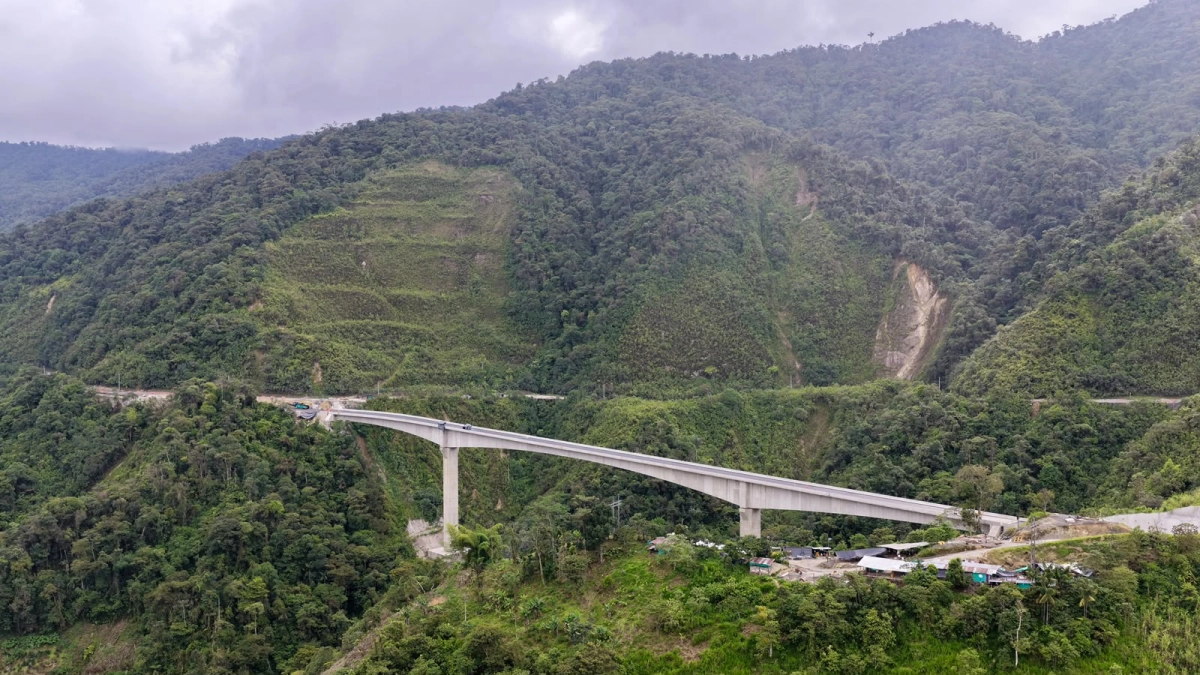
Colombia’s landscape is undergoing a monumental transformation. As the nation pushes toward greater connectivity and economic integration, the latest data from the National Infrastructure Agency (ANI) reveals a significant milestone in the country’s modernization efforts. The ambitious fourth-generation (4G) concession program has reached an impressive 93.32% completion rate, signaling the tail end of a massive infrastructure cycle that has redefined domestic transit, while the nascent fifth-generation (5G) projects are beginning to gather critical momentum.
The Core of the 4G Program: A Legacy of Connectivity
The 4G program, designed to bridge the gap between major production centers and international trade hubs, represents one of the most substantial capital investments in Colombian history. With a total Capex investment of 67.23 trillion Colombian pesos, the program has fundamentally altered the logistics of the country.
Of the 30 flagship projects that compose the 4G portfolio, the distribution of status reflects a mature program. Currently, 17 projects have fully transitioned into the operation and maintenance (O&M) phase, meaning they are now functioning as high-efficiency transit corridors. Eight projects continue to advance through their final construction stages, while the remaining projects are in various stages of regulatory or technical completion.

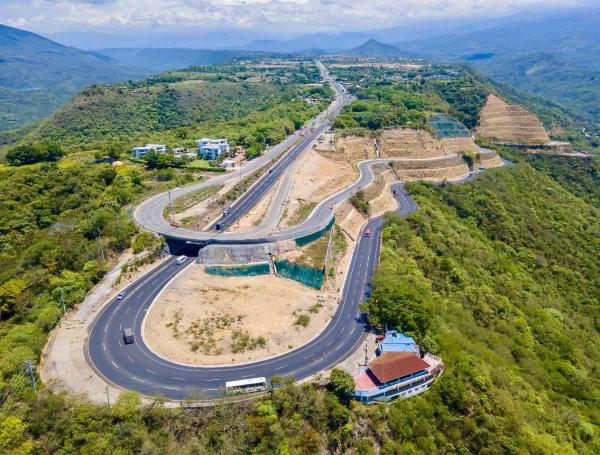
The strategic importance of these roads cannot be overstated. By reducing transit times and lowering fuel consumption for heavy freight, the 4G network has acted as a stabilizer for inflation in logistics costs. As of September 2026, four key corridors are on the verge of total completion, with physical progress exceeding 90%. These nearing-completion projects represent the final links in a network that connects the interior of the country with the Caribbean and Pacific coasts.
The 5G Transition: Moving Toward Intelligent Infrastructure
While 4G focused on massive road connectivity, the shift to 5G infrastructure represents a change in philosophy. The 5G concessions, currently showing an overall execution rate of 27.68%, are not merely about paving roads; they incorporate elements of digital connectivity, sustainable design, and multimodal integration.

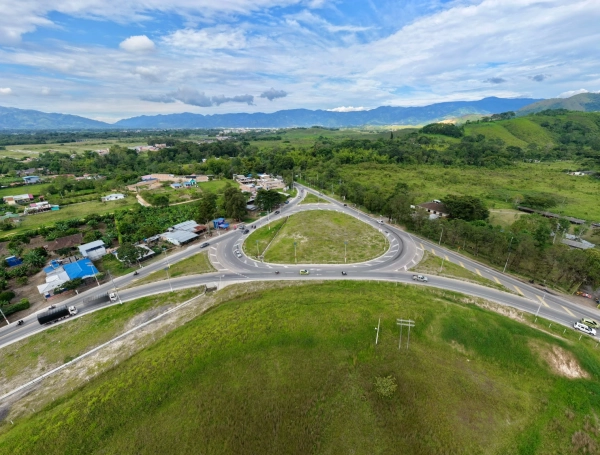
Representing a total investment of 16.71 trillion pesos across six pivotal projects, the 5G initiative is designed to handle the next three decades of economic growth. The progress in this sector is marked by the ANI’s success in "unlocking" critical bottlenecks. Projects such as Accesos Norte 1, Accesos Norte 2, and the ALO Sur—essential for the mobility of the Bogotá metropolitan area—have finally overcome historical legal and environmental hurdles, allowing for full-scale construction.
The 5G era in Colombia is characterized by a "Smart Corridor" approach. Unlike the previous generation, these concessions require developers to implement advanced traffic management systems, environmental protection barriers, and improved interoperability with secondary road networks.
Chronology of Progress and Strategic Milestones
The road to 93.32% completion was not without its challenges. The program began as an effort to correct decades of underinvestment.
- 2014-2017 (Inception): The launch of the first 4G waves, characterized by complex financial structuring and high-stakes contract bidding.
- 2018-2021 (The Resilience Test): The program faced severe tests, including global supply chain disruptions during the pandemic, which slowed the delivery of materials and equipment. Despite this, the ANI maintained the momentum of construction by renegotiating timelines and focusing on critical path management.
- 2022-2024 (Consolidation): The transition from heavy construction to the O&M phase for the majority of projects. This period saw the realization of the first "super-highways" that reduced travel times between cities like Bogotá and the coast by several hours.
- 2025-2026 (The 5G Pivot): The focus shifted toward the 5G portfolio, which emphasizes urban connectivity and the integration of the capital’s entry points, reflecting the lessons learned during the 4G implementation.
Economic Implications: Employment and Regional Development
Infrastructure is widely recognized as a key driver of employment, particularly in rural and semi-urban areas where large-scale projects are concentrated. Currently, the 4G program serves as a pillar of the national economy, supporting approximately 30,000 direct jobs. These positions range from civil engineers and heavy machinery operators to administrative staff and local logistics contractors.

The 5G program, though in an earlier stage, is already demonstrating its capacity for labor absorption, accounting for over 5,700 direct jobs. Beyond the direct figures, the multiplier effect of these projects is significant. For every job created directly by the concessionaire, studies suggest that two to three indirect jobs are created in the supply chain, catering, and regional service sectors.
The "reactivation" of these projects is crucial for a national economy facing headwinds such as high labor costs and the volatility of the exchange rate. By injecting liquidity into regional construction sectors, the government ensures that the benefits of infrastructure are felt beyond the major urban centers.
Official Stance and Technical Challenges
The National Infrastructure Agency (ANI) has maintained a stance of "technical rigor." Officials have emphasized that while the percentage of completion is a headline figure, the true value lies in the "un-bottlenecking" of specific points.
"The objective is not just to build kilometers, but to build value," noted an agency spokesperson. "By focusing on the critical nodes—such as the northern entrances to Bogotá—we are solving years of traffic congestion that hampered the productivity of the capital city."

The primary technical challenge identified in recent reports remains the acquisition of land and environmental permitting. The 5G projects, specifically, are located in more densely populated areas than the initial 4G projects, requiring more complex negotiations with landowners and more stringent environmental impact assessments. However, the government’s recent success in clearing these legal hurdles for ALO Sur suggests a maturing of the regulatory environment.
Outlook: The Path Ahead
As 4G projects move into their final completion phases, the focus of the Ministry of Transport is shifting toward the maintenance of the existing network. The sustainability of these roads is now the primary concern, ensuring that the 67 trillion pesos already invested are protected through long-term maintenance contracts.

The 5G agenda, meanwhile, is expected to accelerate throughout 2027. With the foundational issues resolved for the current projects, the focus will move toward finalizing the financial close for subsequent waves of 5G infrastructure, which are expected to include more rail and water-based transport projects.
In conclusion, Colombia has navigated a complex decade of infrastructure development with resilience. The 4G program is a testament to the country’s ability to execute massive engineering projects, while the 5G program represents a modernization of the national strategy toward a more intelligent and sustainable model. For the average citizen, this translates to shorter commutes, lower logistics costs for consumer goods, and a more robust foundation for the nation’s future economic growth.

Summary of Key Data Points
- 4G Execution Status: 93.32%
- Total 4G Capex Investment: 67.23 trillion COP
- 4G Employment: ~30,000 direct jobs
- 5G Execution Status: 27.68%
- Total 5G Investment (Current Projects): 16.71 trillion COP
- 5G Employment: 5,700+ direct jobs
This report is based on verified data from the National Infrastructure Agency (ANI) and industry performance audits as of September 14, 2026.