Global Lifestyle & Nutrition Desk
Published: November 10, 2026
Main Facts: Stripping Down the Morning Routine to Basics
In an era dominated by elaborate, hyper-stylized breakfast trends across social media—ranging from multi-tiered acai bowls to intricately constructed avocado towers dusted with superfood seeds—nutrition science is pulling back the curtain to advocate for simplicity. According to prominent fitness and nutrition specialists, the most effective morning fuel does not require an exhaustive pantry list or complex culinary techniques.

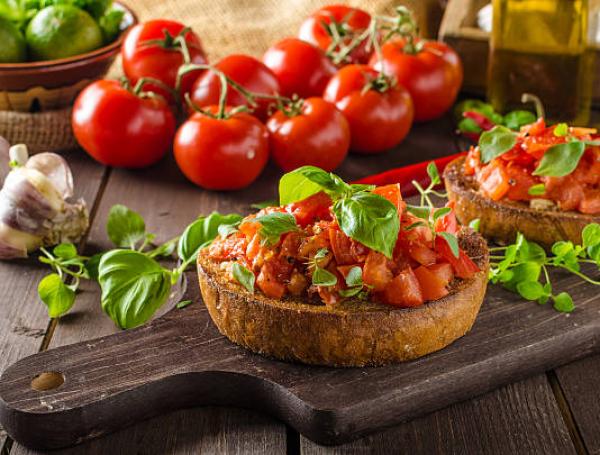
A prime example is the classic Mediterranean-style combination championed by nutritionist Fran Susín: a simple toast topped with fresh tomato and Iberian ham. Shared widely across digital platforms as a preferred post-workout recovery meal, this combination strips away industrial additives and modern processing in favor of three traditional ingredients: quality bread, fresh tomatoes, and cured ham.
However, nutritionists emphasize that while the recipe is remarkably straightforward, the devil lies in the details. Not all toasts are created equal. The physiological impact of a morning slice of bread is dictated by a complex interplay of variables:

- The structural integrity and milling of the grain (refined versus whole-grain or sourdough).
- The biochemical presence of fiber, which dictates how rapidly carbohydrates enter the bloodstream.
- The origin, processing methods, and sodium content of the toppings.
Far from being a uniform dietary choice, the morning toast serves as a micro-study in nutritional optimization, proving that ingredient selection and label literacy are far more critical than following complex, viral recipes.
Chronology: The Evolution of the Morning Meal and the Rise of Nutritional Minimalism
To understand why a simple toast with tomato and ham has re-emerged as a focal point of modern nutritional discourse, it is necessary to examine how breakfast habits have evolved over the past century:
- The Industrialization of Breakfast (Mid-to-Late 20th Century): The rise of convenience foods transformed the morning routine. Pre-packaged cereals laden with refined sugars, white-flour sliced breads, and industrial spreads became the norm in Western households, prioritizing shelf-life and speed over sustained metabolic health.
- The Superfood and Wellness Boom (2010s): As public health awareness grew, the pendulum swung toward hyper-elaboration. Breakfast became an aesthetic statement on social media platforms, characterized by expensive, hard-to-source ingredients, powders, and complicated culinary assembly.
- The Back-to-Basics Movement (Present Day): Nutritionists and dietitians, reacting against both industrial ultra-processed foods and unsustainable aesthetic trends, have begun advocating for a return to traditional culinary roots. By promoting time-tested, minimally processed regional staples—such as the Mediterranean toast—experts are helping consumers reclaim control over their nutritional intake without requiring professional culinary skills.
Supporting Data: The Science of Sourdough, Fiber, and Macronutrients
To evaluate the true nutritional value of a breakfast toast, researchers look closely at each component and its systemic effect on human metabolism.
1. The Foundation: Bread, Gluten, and Glycemic Impact
The physiological journey of a slice of toast begins long before it hits the pan. The choice of bread fundamentally alters the meal’s nutritional classification:

- Refined White Flours: Stripped of the bran and the germ during the milling process, white bread consists primarily of endosperm, which is rich in fast-digesting starches. When consumed, these starches break down rapidly into glucose, triggering sharp insulin spikes followed by early crashes in energy and renewed hunger.
- Whole-Grain and Sourdough Alternatives: Whole-grain breads retain the fiber-rich outer layers of the cereal grain. According to landmark guidelines from the Harvard T.H. Chan School of Public Health, dietary fiber plays a vital role in slowing down enzymatic digestion in the upper gastrointestinal tract. This delayed gastric emptying results in a gradual, sustained release of glucose into the bloodstream, enhancing satiety and metabolic stability. Furthermore, traditional sourdough fermentation processes involve lactic acid bacteria that partially break down proteins and phytic acid, potentially improving mineral bioavailability and glycemic tolerance.
2. The Hydration and Micronutrients: Fresh vs. Crushed Tomatoes
Incorporating fresh or crushed tomatoes onto the toast introduces a matrix of water-soluble vitamins, minerals, and bioactive compounds without the need for high-calorie, sodium-dense industrial sauces.
- Tomatoes are rich in lycopene, a powerful carotenoid and antioxidant associated with cardiovascular protection.
- They provide essential micronutrients such as Vitamin C, potassium, and folate, while adding natural moisture and acidity that enhance the palatability of whole-grain bread without relying on excessive fats or added sugars.
3. Proteins and Fats: Iberian Ham vs. Alternative Sources
Protein is a non-negotiable component of a post-workout or morning meal, essential for muscle protein synthesis and metabolic regulation.

- Iberian ham (jamón ibérico) offers high-quality proteins alongside monounsaturated fatty acids (particularly oleic acid, also found in olive oil), which are beneficial for lipid profiles when consumed in moderation.
- However, nutritionists note that the inclusion of ham should be balanced against broader dietary guidelines, particularly concerning sodium and processing methods.
Official Responses and Expert Perspectives
The conversation surrounding morning carbohydrates and protein sources has prompted commentary from global health authorities and independent clinical dietitians alike.
- The World Health Organization (WHO) Stance on Processed Meats: While nutritionists like Fran Susín highlight the high-quality protein profile of Iberian ham, international health bodies urge caution regarding frequency. The WHO classifies processed meats—including salted, cured, and fermented hams—as substances that require moderation. Public health officials emphasize that due to high sodium content and chemical preservation methods, cured meats should not automatically be viewed as a mandatory or risk-free daily staple, even if artisanal or traditionally produced.
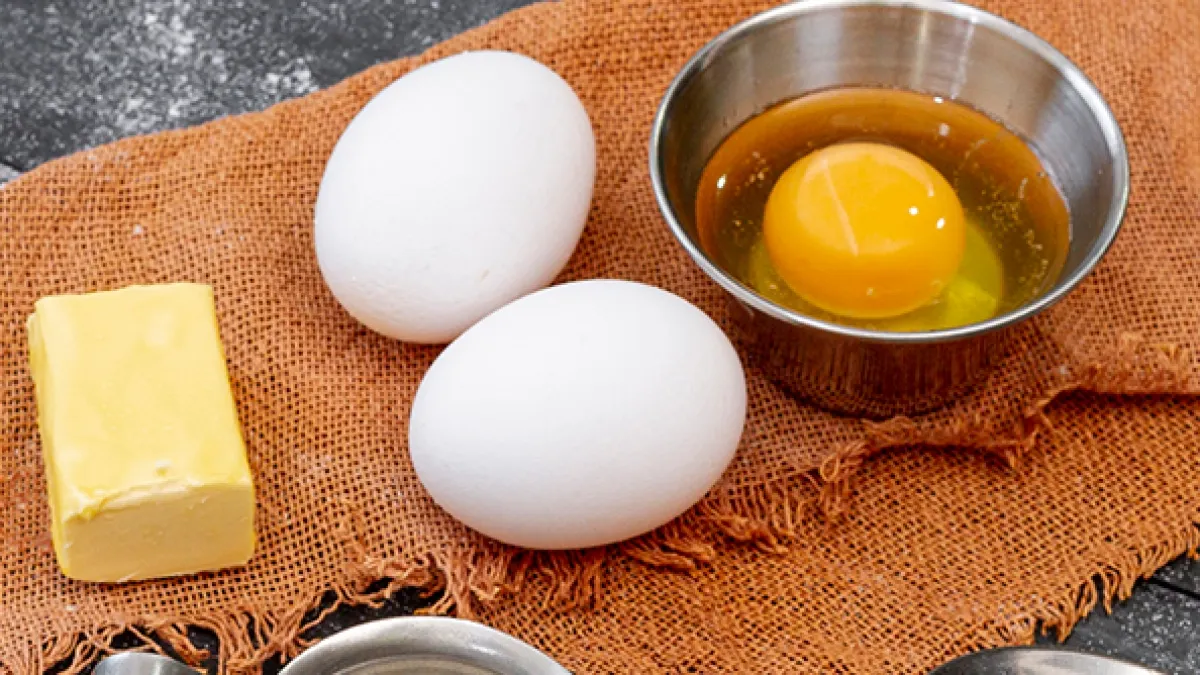
- The Dietary Flexibility Argument: Clinical dietitians emphasize that while the tomato-and-ham toast is an excellent option, it does not invalidate other traditional breakfast proteins, such as eggs. Eggs remain a gold standard for biological value in protein, providing essential amino acids, choline, and fat-soluble vitamins. The overarching consensus among nutritional scientists is that dietary rigidity is counterproductive; variety, portion control, and ingredient quality matter far more than adhering to a single "perfect" recipe.
Implications: Practical Takeaways for Your Morning Routine
Translating nutritional science into daily habits requires looking beyond individual ingredients to evaluate the entire morning meal context. Experts offer several actionable guidelines for optimizing breakfast:

- Prioritize Ingredient Transparency (Label Literacy): Whether purchasing bread or cured meats, consumers must read ingredient lists. True whole-grain or sourdough breads should feature whole flours or mother dough near the top of the list, avoiding artificial preservatives and excessive added sugars. Similarly, when selecting meats, minimizing artificial additives and monitoring sodium levels is paramount.
- Diversify Healthy Fats and Fibers: Beyond the tomato-and-ham combination, mornings can easily incorporate other nutrient-dense additions. Extra virgin olive oil provides superior plant-based monounsaturated fats. Avocados offer potassium and dietary fiber, while raw nuts (such as walnuts or almonds) and natural, unsweetened yogurt supply plant proteins and sustained energy.
- Tailor Meals to Activity Levels: Nutritional needs are inherently personal. A high-intensity athlete recovering from a rigorous morning training session will have different caloric and macronutrient requirements than an office worker leading a sedentary morning routine. Adjusting carbohydrate portions and fat densities accordingly ensures that breakfast serves its true purpose: fueling the body efficiently for the demands of the day ahead.
Ultimately, the humble morning toast serves as a powerful reminder that optimal nutrition is rarely found in commercial complexity. By focusing on whole, minimally processed ingredients, understanding the role of fiber, and maintaining balance across food groups, anyone can transform a simple slice of bread into a scientifically sound foundation for daily health.