By: Editorial Staff
Updated: November 10, 2026
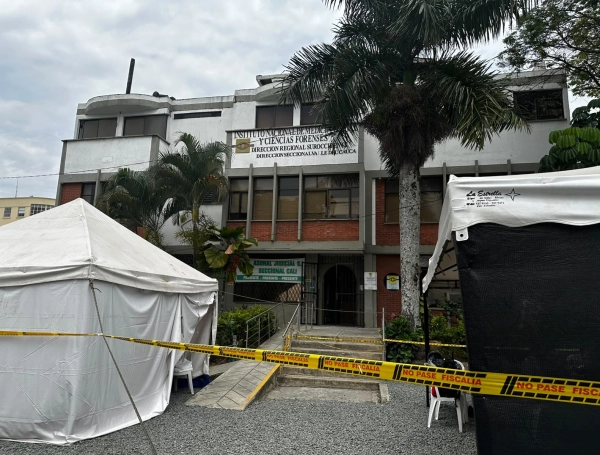
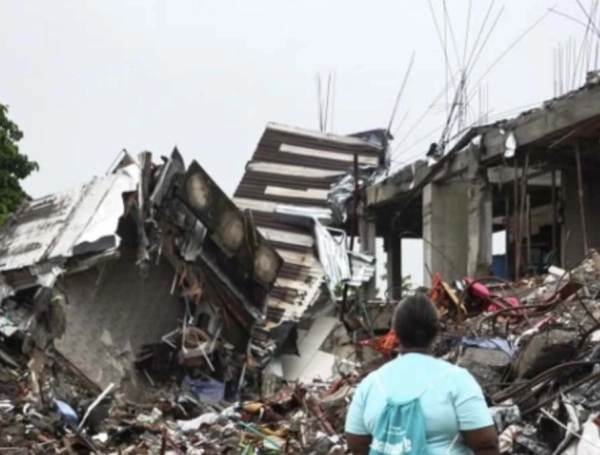
Three months after the devastating earthquake that struck Colombia on August 10, the regional infrastructure remains in a state of critical fragility. Among the most severely impacted institutions is the National Institute of Legal Medicine and Forensic Sciences (Medicina Legal). The destruction of the Cali headquarters has left a massive vacuum in the country’s forensic capacity, forcing a complex logistical pivot that is straining the entire judicial system in the nation’s southwest.
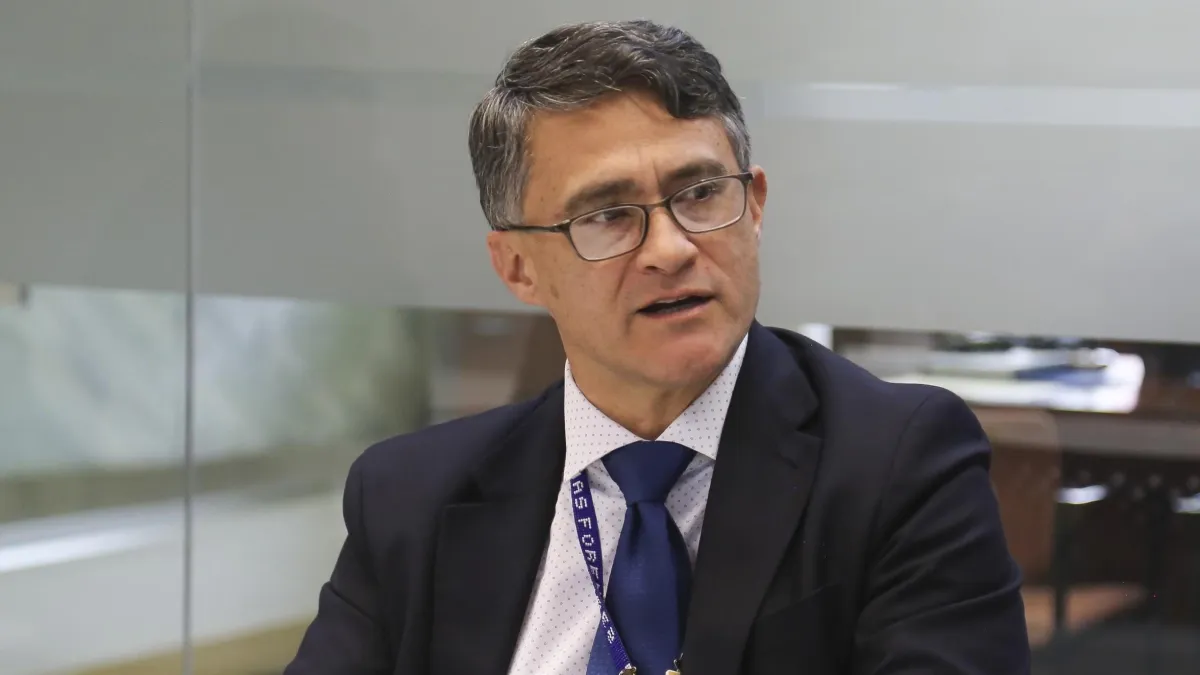
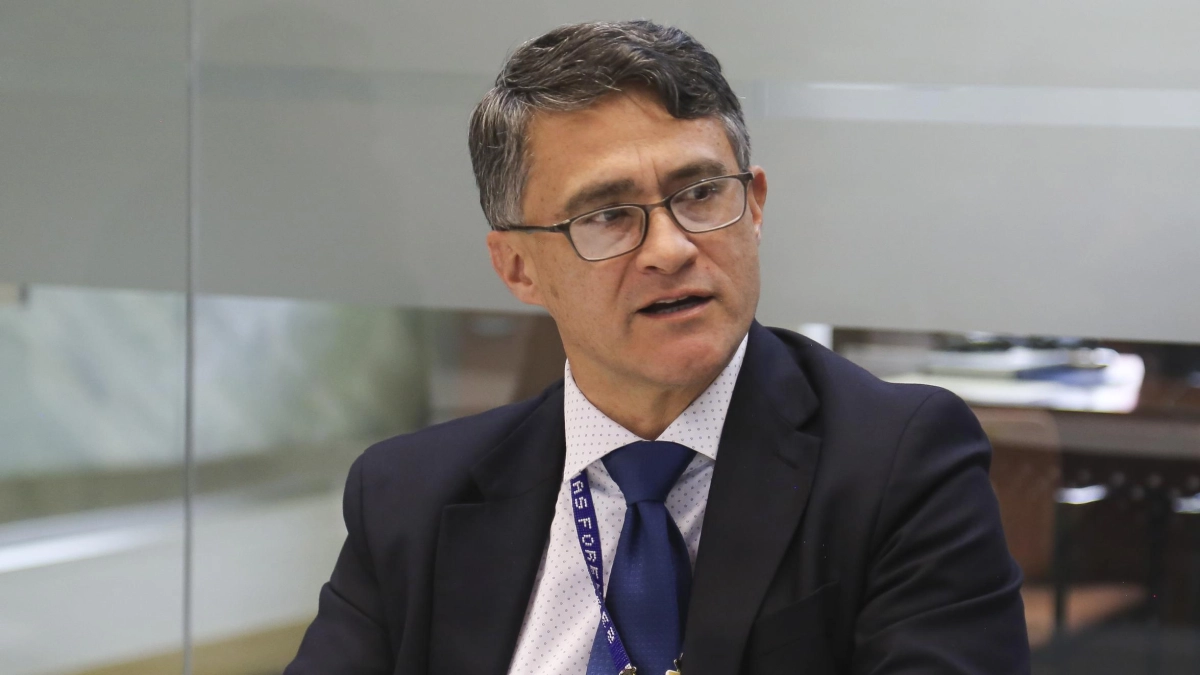
Ariel Emilio Cortés, the director of the entity, provided a sobering assessment of the institution’s operational status. The earthquake, which claimed hundreds of lives, did more than destroy physical property; it compromised the chain of custody and scientific investigative capacity for an entire region, leaving the southwest without a functional genetics laboratory.
The Magnitude of the Disaster: A Forensic Perspective
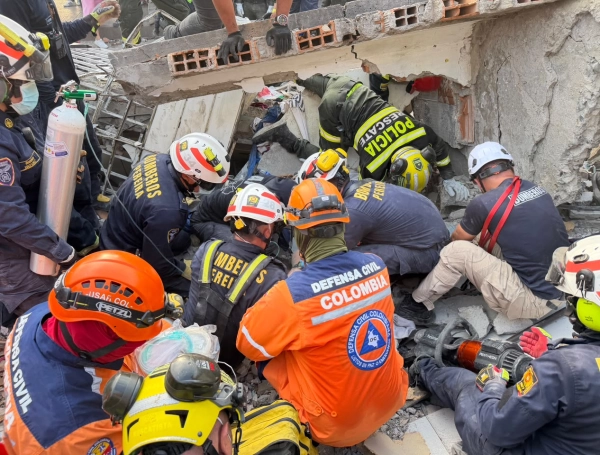
In the immediate aftermath of the seismic event, the National Government integrated Medicina Legal into the Unified Command Post (PMU). The institute faced the dual challenge of identifying the 334 victims of the earthquake while simultaneously managing a fluctuating database of missing persons.

“Our primary mandate was the dignified identification of those who perished,” Cortés explained. However, the chaos of the tragedy blurred the lines between those lost in the disaster and individuals who were already reported missing prior to the earthquake.
Chronology of the Operational Collapse
- August 10, 2026: The earthquake occurs, causing extensive structural damage across the country, with the Cali branch of Medicina Legal suffering total functional collapse.
- August – September 2026: Forensic teams are dispatched to support regional hubs in Quibdó and Pereira. Emergency protocols are activated, and temporary morgue services are diverted to the municipality of Palmira.
- October 2026: Structural engineers confirm that the original Cali facility is beyond repair and must be decommissioned, necessitating a long-term plan for a new, modern facility.
- November 2026: Implementation of the "medium-term" plan begins, involving the use of repurposed infrastructure provided by the Prosecutor’s Office (Fiscalía General de la Nación).
The Missing Persons Dilemma: Data Depuration
Currently, the institute’s database records 96 individuals as missing in connection with the disaster. However, Director Cortés cautions that this figure is subject to significant revision.
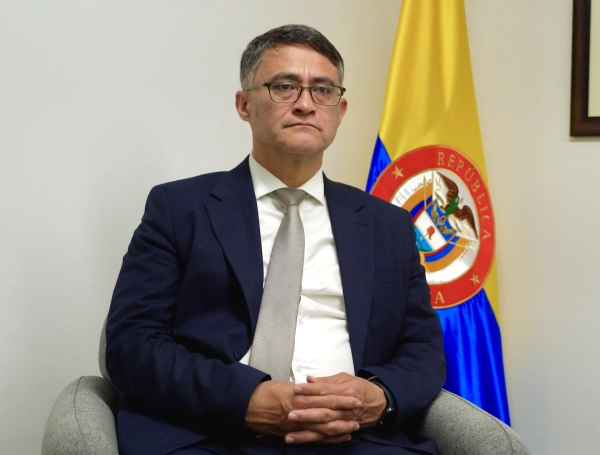
"We are in the process of a rigorous data audit," said Cortés. "It is a recurring phenomenon during national tragedies: families seize the opportunity to report the disappearance of a loved one who may have been missing for months or years prior to the event. In the confusion, these cases are often merged with the earthquake statistics."
The institution is currently cross-referencing these reports to distinguish between victims of the seismic event and long-standing cold cases. As debris removal continues in affected areas, the recovery of remains is still occasionally updating the status of those previously listed as missing, a somber process that further complicates the final accounting of the tragedy.
Institutional Resilience and Logistical Challenges
The collapse of the Cali facility is not merely a local loss; it is a regional catastrophe. As the primary hub for the Valle del Cauca, the Cali office was the cornerstone of forensic services for the entire southwestern quadrant of Colombia. With its closure, the region is now devoid of a specialized genetics laboratory.
The Current "Stopgap" Measures
To mitigate the impact, Medicina Legal has been forced to decentralize. The current strategy involves:
- Immediate Relief: Utilizing the facilities in Palmira to handle the overflow of forensic examinations previously performed in Cali.
- Strategic Partnerships: Through an agreement with the Office of the Attorney General, Medicina Legal has secured the "San Vicente" site to house clinical teams and four floors of the "Santa Mónica" building to accommodate toxicology, biology, and narcotics laboratories.
- Future Infrastructure: The realization that the original building cannot be salvaged has shifted the institutional focus toward the construction of a new, state-of-the-art forensic center.
"The solution for Cali requires a new investment," Cortés emphasized. "We are currently looking at a long-term project to build an entirely new headquarters, as the structural integrity of the previous site is entirely compromised."
The Genetics Gap: A National Security Concern
The absence of a genetics laboratory in the southwest creates a bottleneck in the justice system. Currently, the entire nation relies on only three active genetics centers: Bogotá, Medellín, and Villavicencio.
This scarcity is particularly concerning given the high rates of violent crime and homicides in the Valle del Cauca—a region that reported approximately 5,200 fatal cases as of July 2026. The lack of local genetic processing means that evidence must be transported across vast distances, slowing down criminal investigations and delaying justice for families.
Furthermore, the institution is bracing for the potential passage of the "Genetic Profiles for Criminality" law currently under review by the Constitutional Court. If passed, the existing laboratory capacity will be grossly insufficient to handle the influx of data. "If the law is declared constitutional, we face a crisis of capacity," warned Cortés. "The current three laboratories would be entirely unable to meet the nation’s needs, both in terms of missing persons identification and the fight against criminality."

Official Responses and Humanitarian Implications
The logistical burden of moving bodies from the site of death to available morgues in Palmira or, in extreme cases, Tuluá and Popayán, has required unprecedented coordination with the National Police and the military.
"It is unfortunate that we have had to move bodies across the department, but it is the only way to sustain the service," said the director.

Beyond the logistics, the human cost is immense. Forensic services are not merely administrative functions; they are the final service the state provides to victims and their families. The stress on personnel, two of whom were injured during the earthquake while on duty, has been immense.
Implications for the Future
The path forward for Medicina Legal involves a delicate balance between crisis management and structural reform. The "Valle Model," currently being tested, relies on the temporary dispersion of services to municipalities like Palmira. While functional, it is not sustainable as a permanent solution.

The implications are clear:
- Judicial Delay: Without a regional genetics lab, the resolution of criminal cases will continue to lag, potentially leading to the expiration of legal deadlines and the impunity of perpetrators.
- Humanitarian Strain: Families in the southwest are facing extended wait times to receive the remains of their loved ones, prolonging the grieving process.
- Institutional Reform: The catastrophe has forced a re-evaluation of the state’s physical footprint. The government must now reconcile the need for decentralization with the high technical requirements of forensic science.
Conclusion
The aftermath of the August 10 earthquake has exposed deep vulnerabilities in Colombia’s forensic infrastructure. While the leadership of Medicina Legal has shown agility in navigating the immediate emergency, the long-term outlook remains challenging.

The transition from emergency response to systemic recovery will require significant political will and financial investment. As the nation grapples with the dual pressures of post-earthquake reconstruction and an ongoing internal security crisis, the restoration of the forensic system in the southwest is not just a bureaucratic necessity—it is an essential pillar of the rule of law and a vital component of the nation’s healing process.
For more information on the ongoing judicial reforms and updates regarding the reconstruction of the Cali headquarters, please follow our weekly newsletter or visit our digital portal.