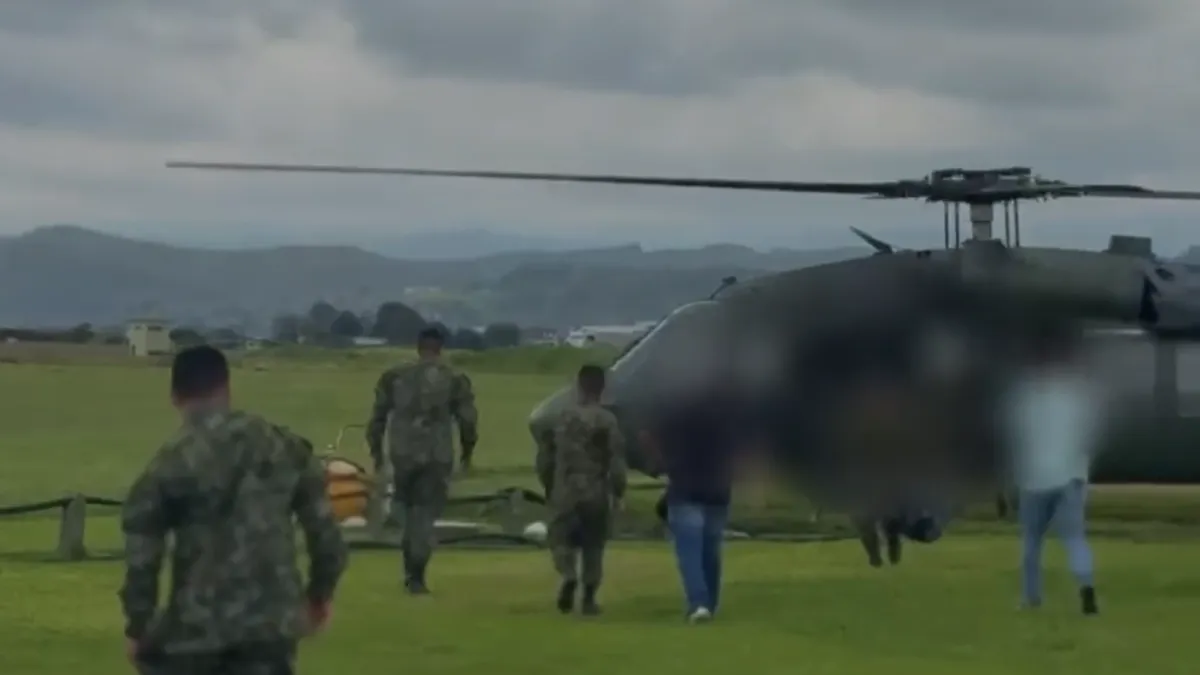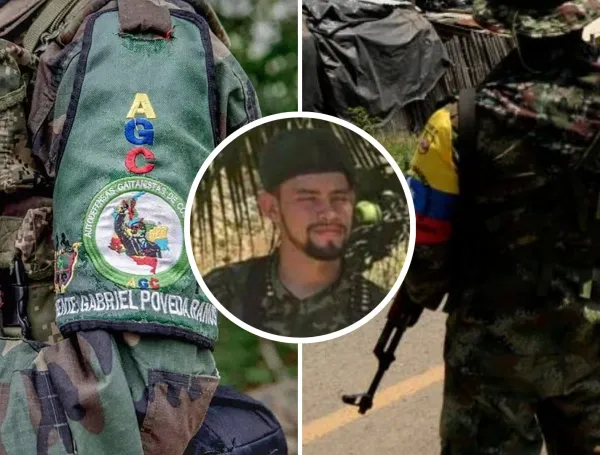
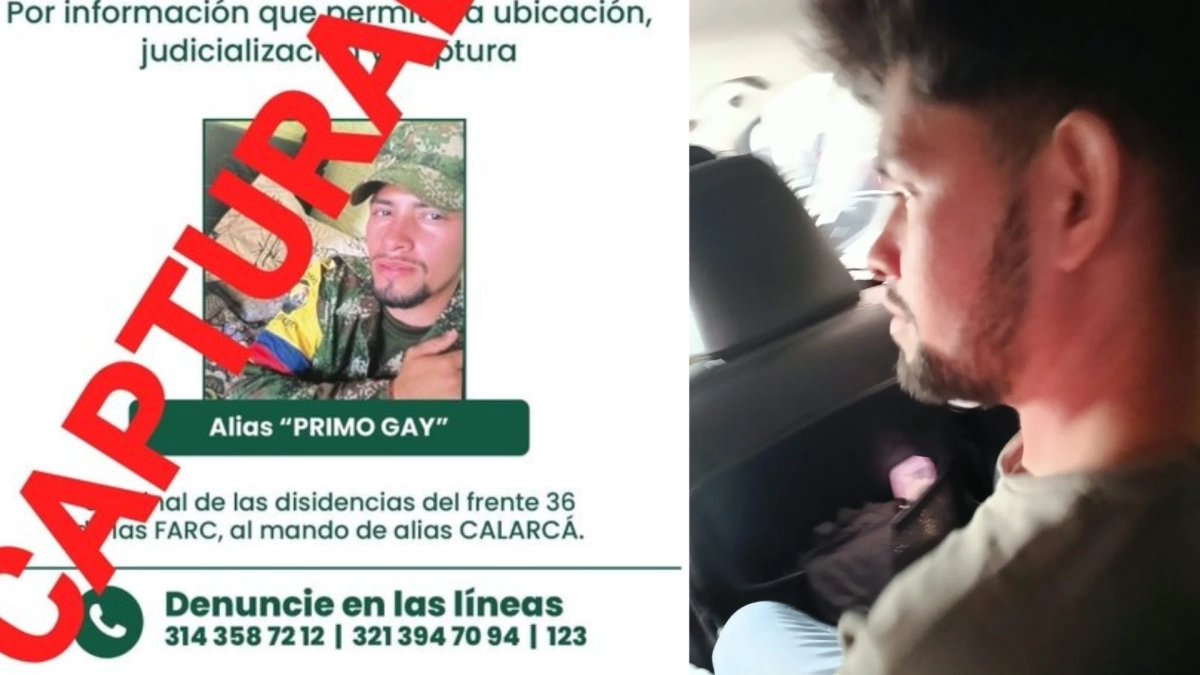
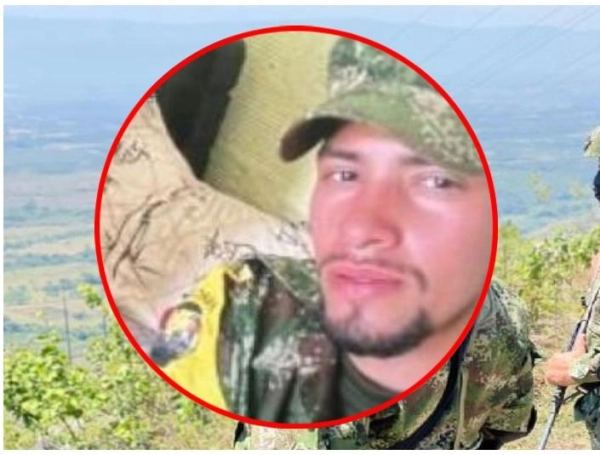
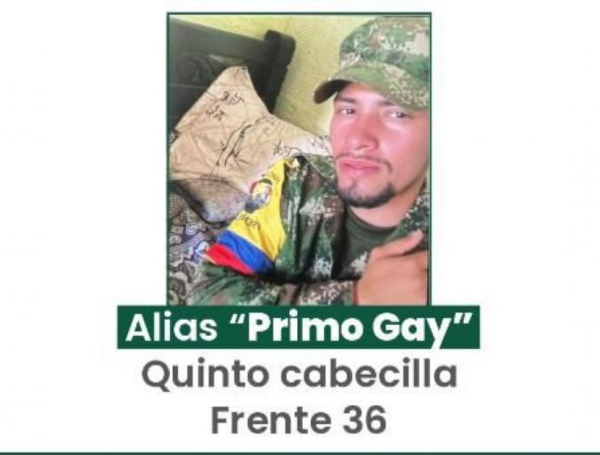
In a decisive blow to organized crime in northwestern Colombia, security forces have neutralized the operational capacity of one of the region’s most dangerous figures. Néider Yesid Uñates López, a 24-year-old criminal kingpin better known by his alias "Primo Gay," was captured in a precision operation in the rural area of Santa Ana, municipality of Briceño, Antioquia. His arrest marks the culmination of an exhaustive years-long intelligence hunt by the Colombian Military Gaula, the National Police, and the Attorney General’s Office (CTI).
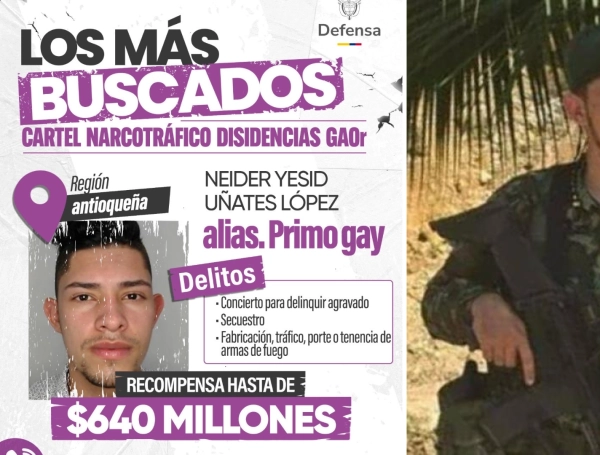
At the time of his capture, Uñates López was considered a high-value target, appearing on the list of Antioquia’s most-wanted criminals. His criminal portfolio, spanning a decade, includes charges of aggravated homicide, conspiracy to commit a crime, and the illegal use of firearms and explosives. His detention is viewed by regional authorities as a critical disruption of the illicit networks controlling extortion, illegal mining, and territorial disputes in the northern and northeastern corridors of the department.
The Operational Context: A Decade of Illicit Escalation
To understand the weight of this capture, one must examine the meteoric and violent rise of "Primo Gay." Born on October 18, 2002, Uñates López entered the world of illegal armed groups at the age of 14. His trajectory is a testament to the fluid and dangerous nature of Colombia’s sub-state armed conflicts.
He began his career within the ranks of the National Liberation Army (ELN), an organization known for its rigid hierarchy and expertise in asymmetric warfare. However, seeking greater influence and resources, he transitioned to the 36th Front of the FARC dissidents. By 2026, he had risen to become the principal ringleader of the 5th Substructure of the Magdalena Medio Bloc.

His influence spanned several strategic municipalities, including Briceño, Toledo, San Andrés de Cuerquia, Yarumal, Campamento, and Anorí. These areas are not merely geographic points on a map; they are the logistical veins through which illegal groups transport illicit goods and extract resources. By controlling these zones, "Primo Gay" managed a sophisticated operation that integrated extortion, the systematic destruction of private infrastructure, and, most notably, the use of anti-personnel mines to terrorize the local population and hinder the mobility of security forces.
A Chronology of Violence: From Explosives to Assassinations
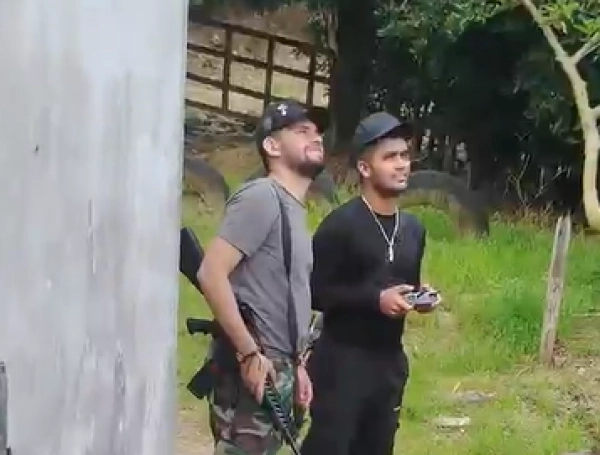
The criminal record attributed to Uñates López is a harrowing timeline of escalation. Intelligence reports suggest his initiation into high-impact violence began in 2017 while he was still affiliated with the ELN, participating in the installation of improvised explosive devices (IEDs) in the Anorí region.
2018–2020: The Period of Infrastructure Sabotage
In 2018, his focus shifted toward economic intimidation. He was identified as a key architect behind the incineration of heavy machinery belonging to Celsia S.A. in San Andrés de Cuerquia, where a drill, a bulldozer, and a backhoe were destroyed. By 2019, his actions grew more lethal, leading to an ambush against Army troops in Anorí that resulted in multiple soldiers suffering grave injuries from a field of landmines.
The year 2020 marked a turning point in his notoriety. The forced disappearance and subsequent murder of social leader Didier Humberto Agudelo Agudelo in the village of La Frisolera, Campamento, remains one of the most significant crimes attributed to his command. This act signaled his willingness to target civil society leaders to maintain territorial dominance.
2021–2023: Consolidating Power and Lethality
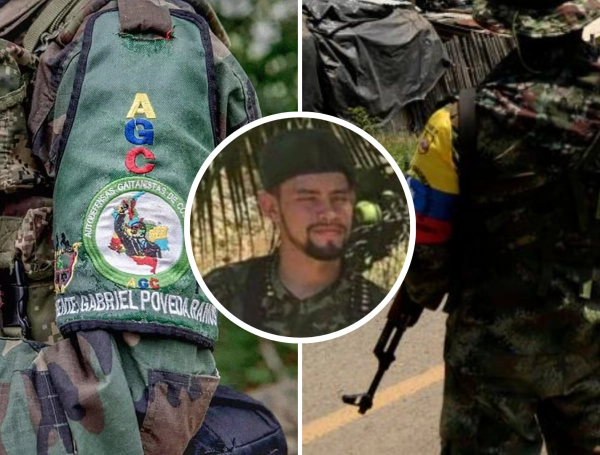
During this period, Uñates López evolved from a field operative to a strategic commander. In 2021, he was identified as a second-in-command for his commission, and by 2023, he was orchestrating large-scale attacks. On November 16, 2023, he allegedly coordinated the detonation of explosives against construction equipment in Anorí, an act that resulted in the deaths of two professional soldiers and the injury of two others.
2024–2026: The Final Stretch
His final years of activity were characterized by increased desperation and violence. In 2025 and 2026, he oversaw the theft of weapons from private security guards, the continued burning of dump trucks, and a series of hostiles against the National Police. Notably, in February 2026, two police officers were assassinated in Anorí in an attack attributed to a joint commission of the ELN and the 36th Front—an event that significantly intensified the state’s pursuit of him.
Internal Disarray and Failed Escapes
"Primo Gay’s" downfall was not only facilitated by state pressure but also by internal volatility. In July 2026, the 36th Front of the FARC dissidents issued a statement expelling him from the organization. The reason cited was his alleged clandestine negotiations and operational alignment with the "Clan del Golfo," a move interpreted by his former allies as a betrayal of the group’s ideological and territorial interests.
This expulsion left him isolated. His attempts to evade the law became increasingly frantic. In March 2026, he narrowly escaped a military operation in La Palestina, Briceño, leaving behind his personal rifle and a mobile phone that provided investigators with a roadmap of his communications and logistics. During that operation, his romantic partner, known as "Daniela," and a member of his security detail, "Mateo," were captured, further weakening his protective inner circle.
Official Responses and Strategic Implications
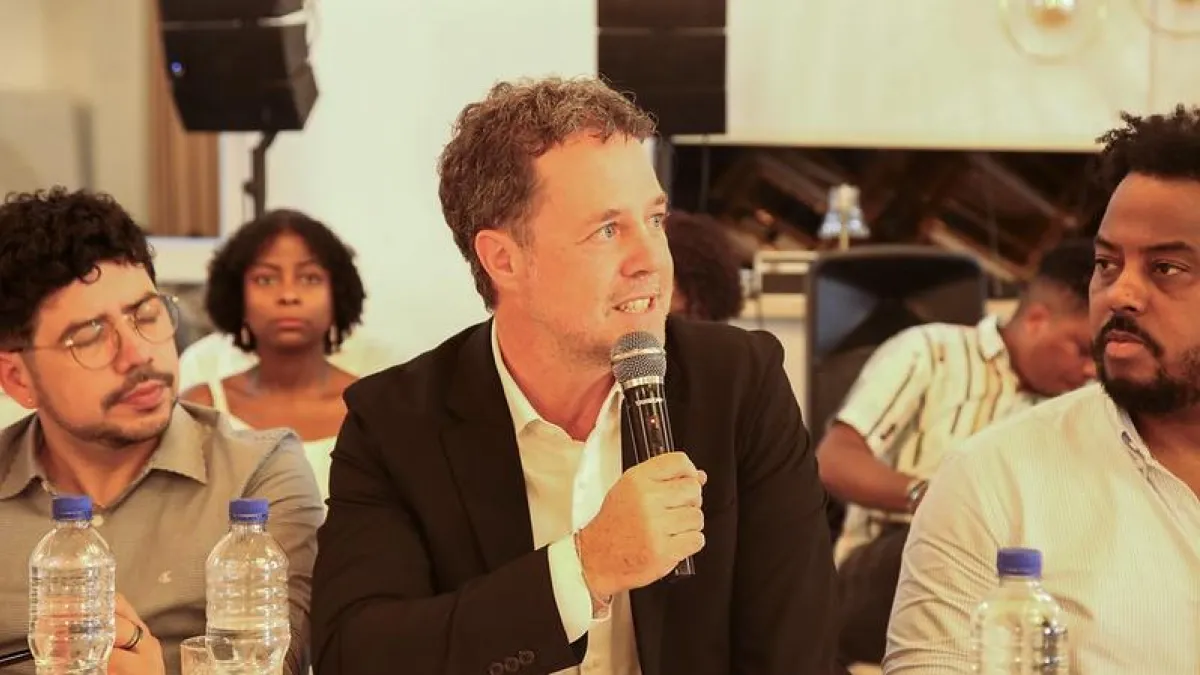
The capture of "Primo Gay" is being hailed as a major victory for the current administration’s security policy. Abelardo De La Espriella, speaking on the impact of the operation, highlighted the significance of removing such a volatile actor from the board.
"This subject was among the most wanted in Antioquia," stated De La Espriella. "He is directly linked to the installation of minefields, attacks on our Public Force, the murder of civilians and social leaders, and the systematic destruction of the regional economy. His capture is a clear message that the state will not tolerate the terrorizing of our communities."
The Ministry of Defense had previously increased the bounty for information leading to his capture to 640 million pesos, reflecting the urgency of the threat he posed. The operation itself was a testament to the "surgical" approach of the Gaula Militar; they had been monitoring his movements for three weeks, waiting for the precise moment to strike without endangering the surrounding civilian population in Santa Ana.
The Path Ahead: Justice and Regional Stability
The implications of "Primo Gay’s" arrest extend beyond the immediate relief felt by the communities of northern Antioquia. His case serves as a microcosm of the challenges facing Colombia in its efforts to dismantle the remnants of illegal armed groups.

The legal process ahead is robust. With an active warrant issued by the 75th Specialized Prosecutor’s Office in Medellín, Uñates López faces a long list of charges, including aggravated homicide, conspiracy, and the illicit possession of military-grade weaponry. The evidence gathered—ranging from the electronics seized in his failed escape to the witness testimonies regarding his command structure—suggests a lengthy trial.
However, security analysts warn that the capture of a single commander does not automatically dissolve the criminal structures he led. The vacuum left by "Primo Gay" will likely trigger a new round of infighting among remaining dissidents and other criminal cartels vying for control over the lucrative mining routes and extortion networks in the region.

For the people of Briceño, Anorí, and Campamento, the capture is a moment of respite. After a decade of landmines, roadblocks, and constant fear, the removal of a man who viewed the countryside as a laboratory for violence is a necessary, albeit initial, step toward restoring the rule of law. The challenge for the government now lies in ensuring a sustained security presence to prevent the resurgence of similar criminal leadership in the volatile mountain ranges of Antioquia.