INTERNATIONAL DESK
Published: November 13, 2026, 4:27 P.M. EST
Updated: November 13, 2026, 4:49 P.M. EST
Main Facts
In an unexpected and sweeping crisis that has instantly frozen national airspace, the United States Federal Aviation Administration (FAA) ordered a complete nationwide ground stop for all domestic and incoming air traffic. The drastic measure, announced on the afternoon of November 13, 2026, brought America’s sprawling aviation network to a sudden and confounding halt.
Initially issued via an urgent advisory citing "extraordinary circumstances and safety reasons," the directive mandated that all aircraft remain grounded with zero exceptions for new departures. By mid-afternoon, the unprecedented administrative order affected thousands of daily flights, triggering widespread chaos at major hubs across the country, stranding hundreds of thousands of passengers, and sending shockwaves through global supply chains and travel itineraries.
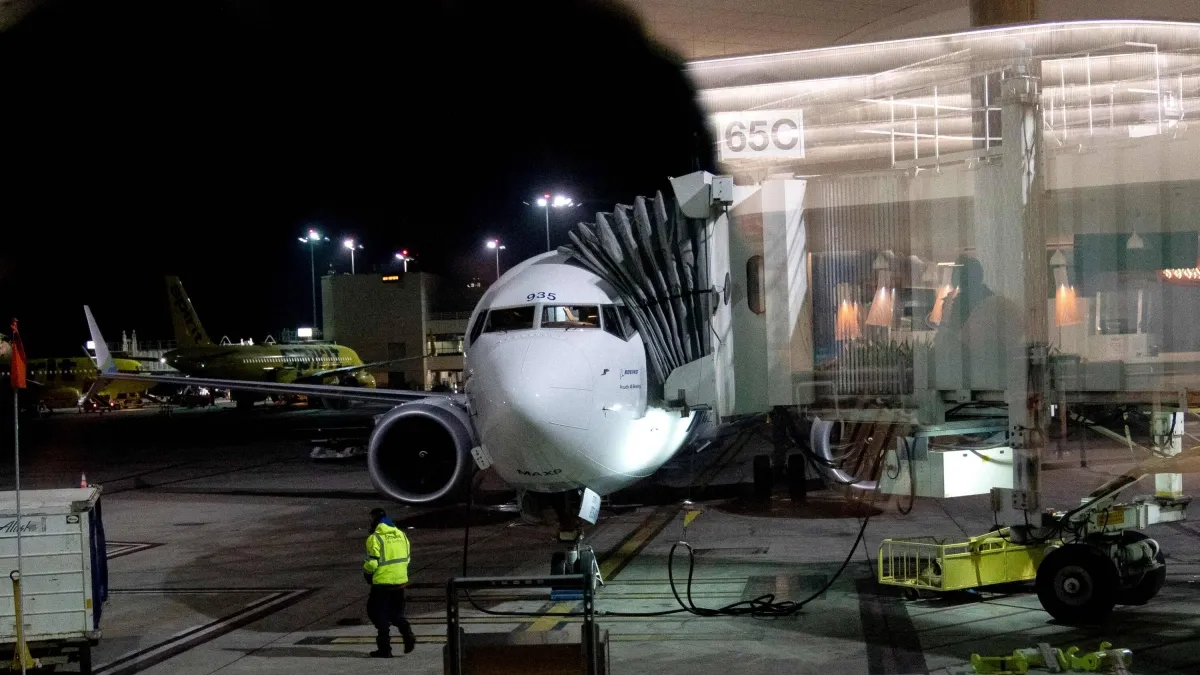
Unlike localized ground stops caused by severe weather events, mechanical malfunctions, or localized radar outages, this emergency directive applies universally across the entire United States mainland and its territories. According to authoritative tracking data provided by Flightradar24, while airplanes currently airborne are permitted to complete their journeys and land safely, absolutely no new aircraft are permitted to take off toward or within U.S. airspace.
The immediate catalyst, as confirmed hours later by the highest levels of government, stems from a catastrophic communications failure crippling en-route air traffic control centers nationwide. As aviation authorities scramble to diagnose the systemic breakdown, the event has drawn immediate comparisons to historical disruptions, underscoring the delicate digital infrastructure upon which modern global mobility relies.
Chronology of Events
The unfolding crisis developed rapidly over the course of a few hours, catching both travelers and aviation professionals entirely off guard.

- Early Afternoon (Pre-Announcement): Regional air traffic control facilities begin experiencing erratic communications anomalies. Technicians note intermittent data drops between ground stations and en-route control centers, though commercial flights continue to depart under standard operating procedures.
- 16:00 EST: The FAA issues an emergency advisory implementing an immediate, nationwide ground stop. The initial alert offers scant detail, mentioning only "circumstances extraordinaires" and critical safety protocols.
- 16:15 EST: Major hubs—including John F. Kennedy International Airport (JFK), Chicago O’Hare (ORD), and Hartsfield-Jackson Atlanta International (ATL)—begin halting all outbound taxiing and takeoff sequences. Passengers on board delayed aircraft are informed of an indefinite system-wide hold.
- 16:27 EST: Global flight-tracking services, notably Flightradar24, publish real-time telemetry indicating a massive bottleneck in the sky. Statistics reveal precisely 3,100 aircraft currently airborne and hurtling toward U.S. destinations while the ground stop takes full effect.
- 16:49 EST: Secretary of Transportation Sean Duffy steps forward to address the media, officially attributing the paralyzing directive to a massive communications failure impacting every single en-route air traffic control center in the country. Technical teams are dispatched to isolate the root cause, with officials promising continuous public updates as diagnostic data emerges.
Supporting Data and Air Traffic Metrics
The logistical footprint of the FAA’s ground stop is staggering. Modern American airspace is one of the busiest and most tightly regulated socio-economic arteries in the world, handling tens of thousands of commercial, cargo, and private flights on any given day.
- Airborne Volume: At the exact moment the FAA’s restriction went live, Flightradar24 reported an extraordinary 3,100 commercial and private aircraft actively airborne and bound for American runways. These planes were allowed to continue their flight paths under the supervision of redundant descent protocols, but their turnaround times at destination airports faced immediate indefinite freezing.
- Geographic Scope: The ground stop is absolute, encompassing all Class A, B, C, D, and E airspace classifications under FAA jurisdiction. Regional carriers, major legacy airlines (such as Delta, United, and American Airlines), international inbound carriers, and general aviation are equally locked out of departure slots.
- Historical Precedent: Industry analysts and historical archives point out that a total national ground stop of this magnitude is exceptionally rare. According to reporting from The New York Times, the last incident of comparable national severity occurred in early 2023, when contracted technical errors led to the inadvertent deletion of critical files within the Notice to Air Missions (NOTAM) system. That prior failure resulted in thousands of cascading delays and cancellations nationwide, though today’s communications failure represents a direct threat to real-time en-route voice and data links.
Official Responses and Government Action
As the scale of the emergency became clear, federal leadership mobilized to calm jittery markets and an anxious traveling public.
United States Secretary of Transportation Sean Duffy held a press briefing to address the unfolding situation, providing the first concrete details regarding the nature of the emergency.

"The alert was issued following a critical communications failure affecting all en-route air traffic control centers across the nation," Secretary Duffy stated during the address. "Our top priority is absolute safety. The specialized technical teams of the FAA are actively investigating the systemic root of this failure. We are deploying all necessary resources to rectify the issue, and we will publish transparent updates immediately as verified information becomes available."
While the Department of Transportation (DOT) and the FAA refused to speculate on whether malicious cyber activity or domestic sabotage played a role in the communications breakdown, federal cybersecurity liaisons were quietly looped into the preliminary investigative task force as a standard precaution for nationwide critical infrastructure events.
Airlines themselves scrambled to issue waivers, allowing passengers caught in the dragnet to rebook flights without penalty once the system is restored. However, airline representatives warned that even if technical fixes are implemented swiftly, the "knock-on" effect—displaced crews, mispositioned aircraft, and congested gate allocations—will plague airport operations well into the following days.

Implications and Global Aftermath
The sudden grounding of the world’s premier aviation market carries profound ripple effects that extend far beyond domestic American borders.
1. Global Supply Chain Disruptions
Air cargo represents a massive percentage of high-value, time-sensitive international trade. With all flights bound for or originating within the United States frozen, global logistics networks face immediate bottlenecks. Transatlantic and transpacific cargo carriers are forced to hold planes at international departure gates or divert incoming freighters to Canadian and Mexican alternative airports, straining regional warehousing capacities.
2. Passenger Disruption and Economic Toll
Hundreds of thousands of travelers are currently stranded in airport terminals or stuck on stationary aircraft on tarmac loops. The economic cost of missed business connections, delayed cargo, and airline accommodation liabilities will scale into the hundreds of millions of dollars. International passengers scheduled for onward domestic connections within the U.S. find their itineraries utterly shattered.

3. Scrutiny of Critical Infrastructure
This crisis re-ignites intense political and public debate regarding the modernization of federal transportation technology. For years, aviation watchdogs have warned that legacy hardware, aging software systems, and underfunded technological transitions leave the U.S. national airspace system (NAS) dangerously vulnerable to single points of failure.
As technical teams continue their urgent diagnostic work deep inside the nation’s air traffic control hubs, millions await the lifting of the suspension—a moment that will signal not just the resumption of travel, but the restoration of faith in the digital backbone of American skies.
This is a developing story. Further updates will be provided as additional verified information becomes available from the FAA and the Department of Transportation.