By: Editorial Staff
Updated: November 12, 2026, 06:10 P.M.
Executive Summary
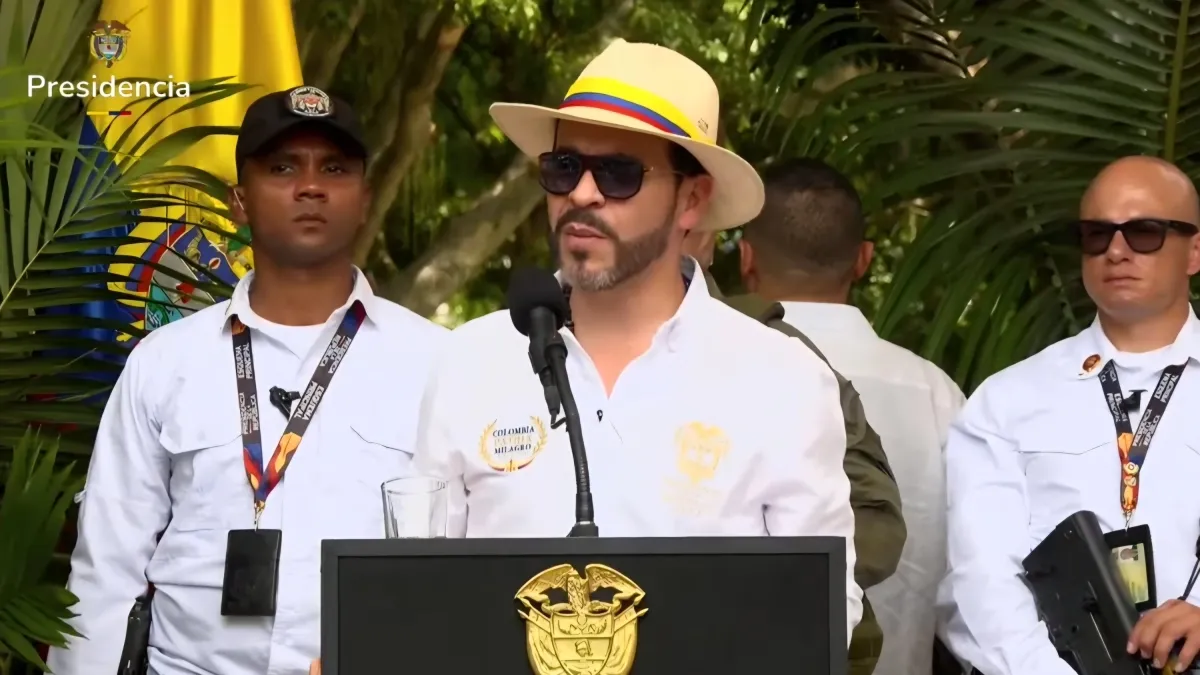
The security landscape in the Catatumbo region of Colombia has reached a harrowing new inflection point. On Thursday, November 12, 2026, a lethal attack involving a coordinated swarm of over 15 drones targeted units of the Colombian National Army in the rural sector of Campo Dos, Tibú, Norte de Santander. The assault resulted in the deaths of four military personnel and left two others wounded. President Abelardo De La Espriella has condemned the act as a "cowardly" manifestation of narco-terrorism, ordering an immediate and full-scale military mobilization to track down those responsible.
The Anatomy of the Attack: A Technological Shift in Asymmetric Warfare
The incident in Tibú represents a disturbing evolution in the tactics employed by illegal armed groups operating along the Colombia-Venezuela border. Unlike traditional ambush methods, this operation utilized a "swarm" configuration—a tactic rarely seen with such precision in this theater of conflict.
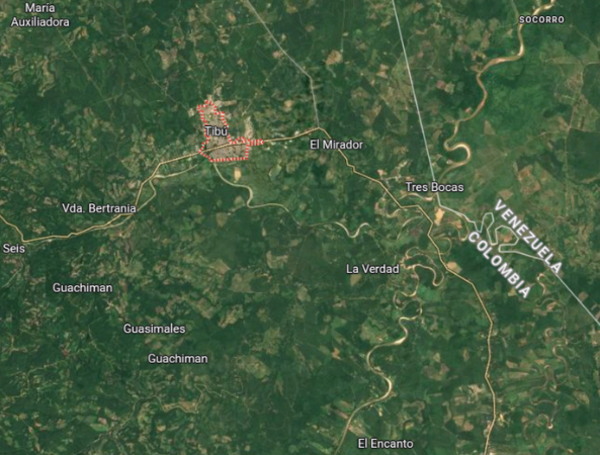
According to military intelligence, the assault was launched using more than 15 unmanned aerial vehicles (UAVs) simultaneously. These devices, modified to carry explosive payloads, were reportedly directed toward the positions of the Battalion of Ground Operations No. 10, a unit under the umbrella of the Vulcano Task Force. Preliminary investigations suggest the drones may have been piloted from across the border in Venezuelan territory, an allegation that adds a significant layer of geopolitical complexity to the ongoing internal conflict.

The use of drones in the Catatumbo has become a hallmark of the territorial disputes currently plaguing the region. As of November 2026, statistics indicate that there have been at least 320 recorded attacks involving explosive-laden drones across Colombia this year, with the Cauca department and the Catatumbo corridor serving as the primary epicenters for this lethal technology.
Chronology of a Tragedy
The sequence of events began early on the morning of November 12, while troops were conducting routine patrols and area control operations in the strategic rural zone of Campo Dos.
- Early Morning (08:00 – 10:00 AM): The troops of the Battalion of Ground Operations No. 10 were performing stability tasks in the vicinity of Tibú, a region currently contested by various factions.
- The Engagement (10:30 AM): A sudden, coordinated swarm of drones appeared in the sky. Soldiers reported a rapid succession of aerial detonations as the devices dropped explosives with pinpoint accuracy.
- Immediate Response (11:00 AM): Emergency extraction protocols were activated. The severity of the injuries required immediate medical evacuation. Despite the efforts of combat medics, four soldiers were confirmed dead, and two others were stabilized and transported to specialized medical facilities.
- Government Statement (04:57 PM): President Abelardo De La Espriella issued a formal statement via his social media channels, confirming the loss of the four soldiers and expressing his personal condolences to their families.
The Fallen Heroes
The Colombian Army has formally identified the four soldiers who made the ultimate sacrifice in service to the nation:
- Cabo Segundo (Corporal) José Luis Sánchez Berrío
- Soldado Profesional (Professional Soldier) Yair Jesús Méndez Bonza
- Soldado Profesional (Professional Soldier) Jeiner Pineda González
- Soldado Profesional (Professional Soldier) Gerson Mauricio Plazas Amor
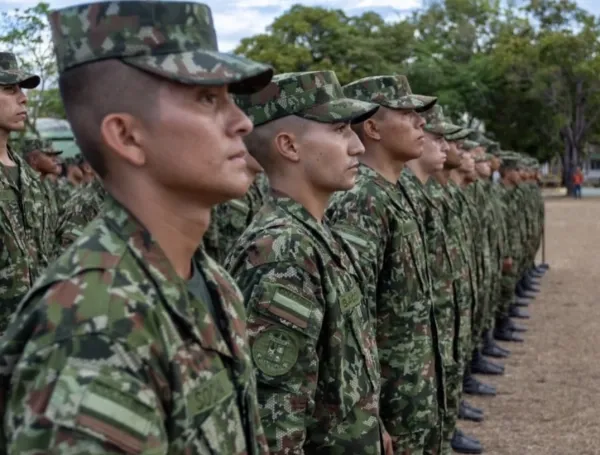
These men, serving with the Vulcano Task Force, were at the forefront of the state’s efforts to maintain security in one of the most volatile regions in the country. Their loss has sent a wave of grief through the military institution and the nation at large.
Official Responses and Government Strategy
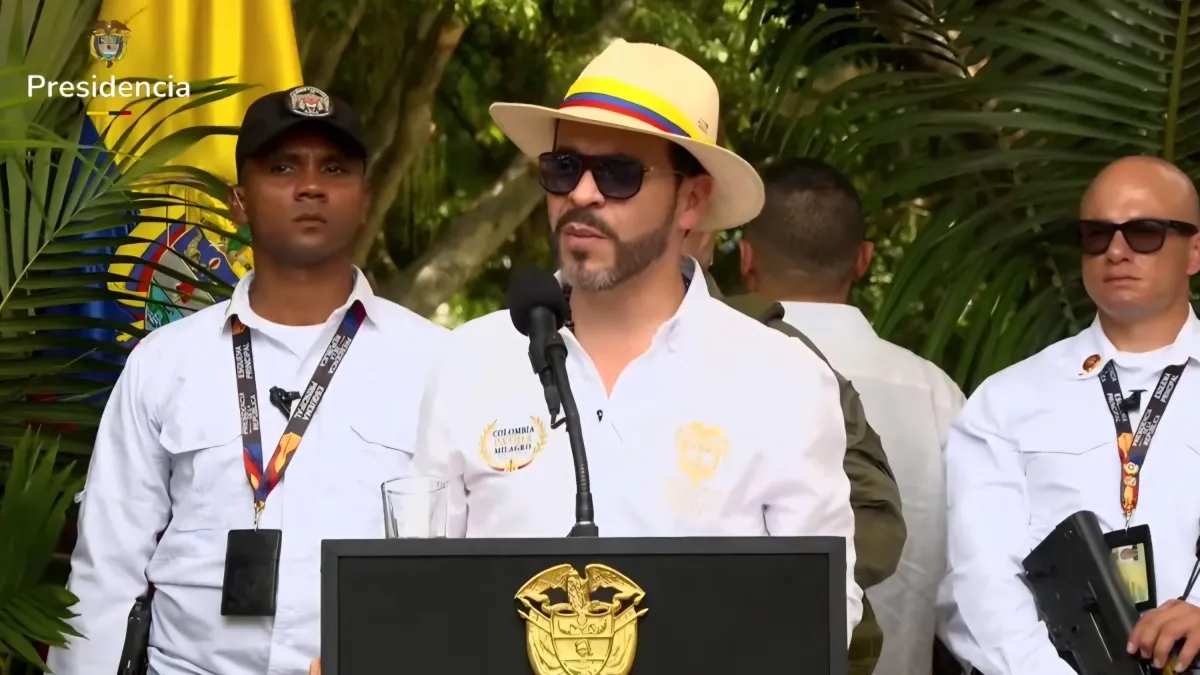
President De La Espriella’s response to the tragedy was swift and uncompromising. In a series of statements that underscored the gravity of the situation, the President signaled that the government would not tolerate such blatant aggression against the armed forces.
"Four heroes of our country were cowardly murdered by narco-terrorists in Tibú," the President stated. "I have ordered the deployment of all intelligence, investigation, and operational capabilities of the Public Force to pursue, locate, and bring these criminals to justice. There will be no refuge for those who murder our soldiers. I am coming for you!"
The administration’s rhetoric suggests a potential intensification of the "Plan Catatumbo," a security strategy aimed at dismantling the criminal economies that fuel these armed groups. The President emphasized that the state’s commitment to restoring order in the region remains unshakable, declaring: "Our Public Force is honored by defending Colombia and facing, without rest, those who try to subdue it through terror."
Implications: The "Catatumbo Conundrum"
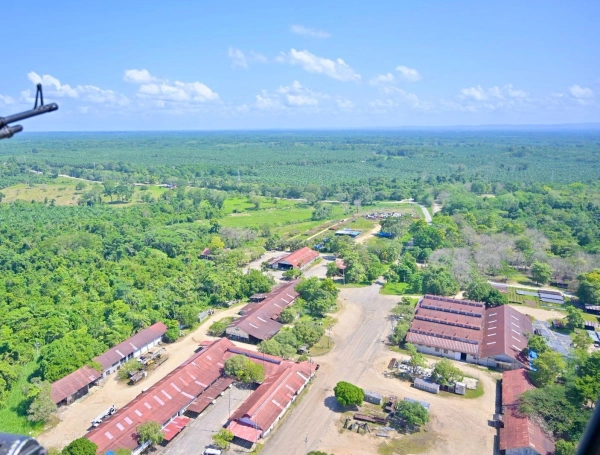
The attack in Tibú is not an isolated incident but rather a symptom of the deepening struggle for control over the Catatumbo region. This territory is a vital corridor for drug trafficking and illicit mining, making it the most coveted prize for various illegal actors.
1. The Role of the ELN and FARC Dissidents
Intelligence agencies are currently investigating the hypothesis that the National Liberation Army (ELN) is responsible for this strike, potentially in coordination with or in direct opposition to the 33rd Front of the FARC dissidents. The region has seen a resurgence in violence as these groups engage in a bloody war for control of local transit routes.
2. The Border Factor
The claim that the drones were operated from within Venezuelan territory remains a critical point of contention. If verified, it would underscore the persistent difficulty of securing the border and the "safe haven" dynamic that has plagued bilateral relations. The use of sophisticated technology like drone swarms suggests that these groups have access to international illicit supply chains and technical expertise, moving away from traditional guerrilla tactics toward high-tech insurgency.
3. Strategic Shifts in Counter-Insurgency
The frequency of these drone attacks is forcing the Colombian military to rethink its defensive posture. The reliance on electronic warfare, signal jamming, and rapid-response anti-drone systems has become as important as traditional infantry maneuvers. The recent involvement of international partners, including U.S. air support in similar regional operations, highlights the transnational nature of the threat.
A Nation in Mourning
The attack in Tibú arrives at a moment of significant national introspection regarding the peace process and the efficacy of current security policies. With the memory of the recent attack in the south of Bolívar—which resulted in three deaths and over 40 injuries—still fresh in the minds of the public, the government faces mounting pressure to demonstrate control over the national territory.
As the investigation continues, the military is expected to increase its presence in the Catatumbo. However, the tragedy serves as a grim reminder of the high cost of the conflict. The families of the four fallen soldiers are currently receiving support from the Army, while the nation waits for the results of the promised intelligence operations.
"We will pay back every drop of blood of our heroes," the President vowed, setting the stage for what is likely to be an intense period of military activity in the border region. For the inhabitants of Tibú, who have long lived under the shadow of these clashes, the hope remains that this new wave of violence will be met with a strategy that offers more than just retribution, but a path toward lasting stability.
As the search for the perpetrators intensifies, the memory of Corporal Sánchez Berrío and Soldiers Méndez Bonza, Pineda González, and Plazas Amor will serve as a symbol of the immense challenges facing the Colombian state in the final years of this decade.