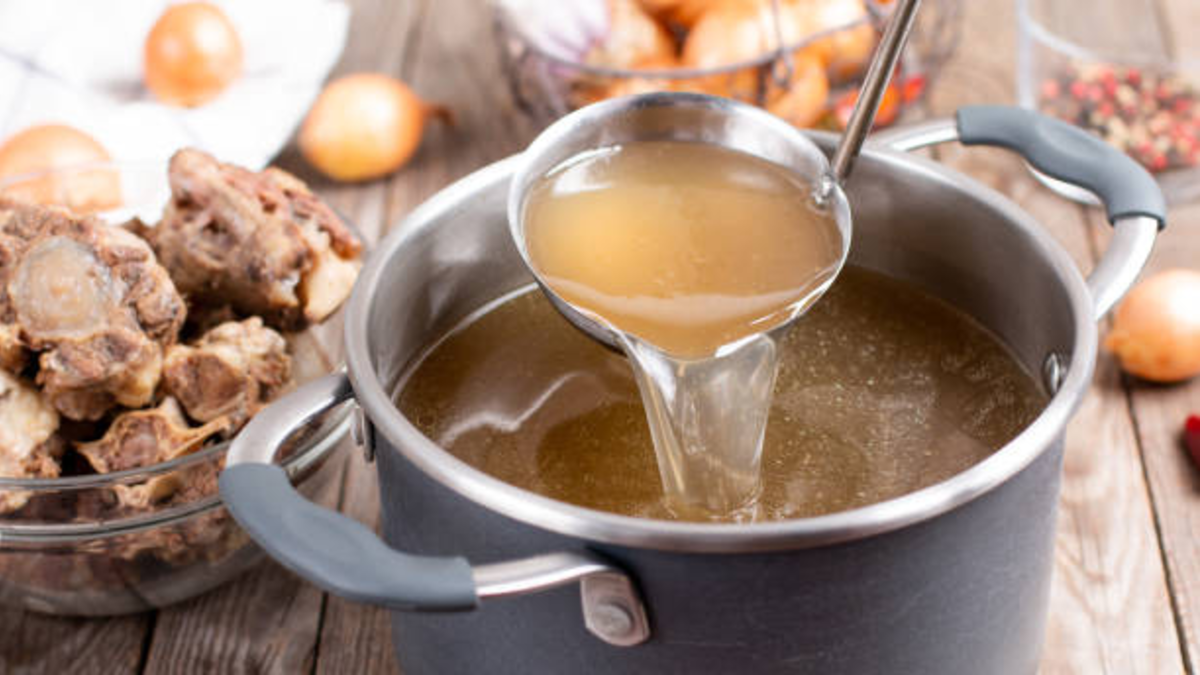
Gastronomy and nutrition experts reveal that achieving a deeply comforting, restaurant-quality homemade beef broth is not a matter of luck, but the result of a deliberate choice made long before turning on the stove: selecting the right cut of meat at the butcher shop.
Main Facts
Achieving a profound, restorative flavor in a traditional beef broth requires more than simply boiling meat and vegetables for hours. According to culinary and nutritional experts, the ultimate success of any soup or stock relies heavily on the cut of meat chosen. Not all beef parts react the same way under prolonged heat: while some provide a silky, rich texture, others can turn a clear broth into a heavy, unpalatable, and overly greasy preparation due to excess lipids.
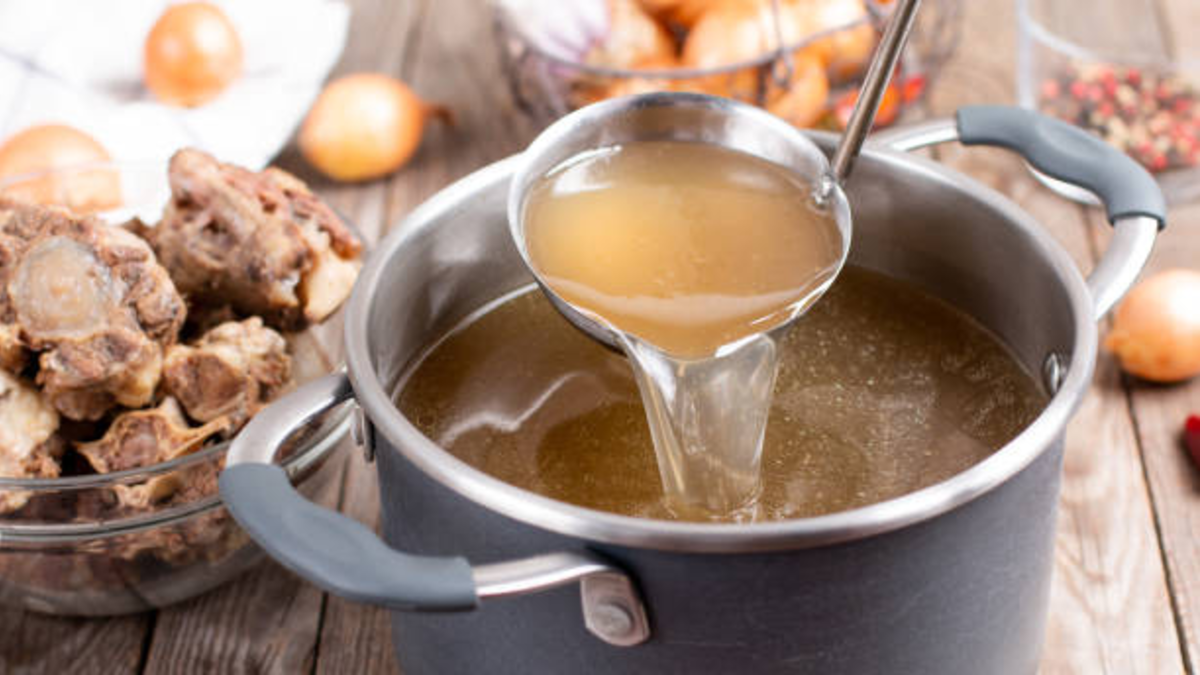
The secret to a masterclass broth lies in striking a delicate, precise balance between the rich flavor provided by bone-in cuts and the cleanliness of lean meats. Culinary authorities, including professional chefs and food scientists, emphasize that bones and connective tissues release essential collagen and gelatin, giving the broth its characteristic body and mouthfeel. However, managing the resulting fat is the definitive challenge for home cooks looking to keep their dishes both flavorful and health-conscious.
Chronology of the Culinary Technique: From Ancient Broths to Modern Kitchens
The preparation of bone broths is far from a modern culinary trend; it is one of the oldest cooking methods known to humanity, deeply rooted in the history of global gastronomy.

- Prehistoric and Ancient Eras: Early humans discovered that boiling animal bones extracted rich fats and nutrients that were otherwise difficult to consume, utilizing every part of hunted game for survival and nourishment.
- The Medieval Period (The Stockpot Tradition): Across Europe and Latin America, simmering pots became staples of household hearths. Broths were kept simmering for days, serving as the nutrient-dense foundation for daily meals, medicinal remedies, and peasant soups.
- The 19th Century (The Birth of Escoffier’s Stocks): French master chef Auguste Escoffier codified the science of stocks (fonds de cuisine), establishing precise categories—white, brown, and fish stocks—and formally recognizing the chemical role of collagen and gelatin in emulsifying and enriching liquids.
- The 20th Century (The Era of Convenience): The rise of industrial bouillon cubes and canned liquid broths temporarily overshadowed traditional methods. However, the convenience-driven shift led to a loss of nutritional depth and authentic flavor in everyday home cooking.
- The Contemporary Renaissance (2010s–Present): A renewed global interest in ancestral nutrition, functional foods, and clean eating brought back homemade bone broth. Nutrition science validated what grandmothers always knew: slow-cooked bones release amino acids, minerals, and collagen beneficial for joint and gut health, prompting a return to intelligent butcher shopping.
Supporting Data and Nutritional Insights
Understanding the composition of beef cuts is vital for anyone aiming to elevate their cooking. Culinary science points directly to two main components when evaluating a cut for soup: collagen and fat distribution.
The Science of Collagen and Gelatin
When cuts containing bones and connective tissues (such as joints, cartilage, and tendons) are simmered gently over several hours, the tough structural protein known as collagen breaks down. As it denatures, it transforms into gelatin.
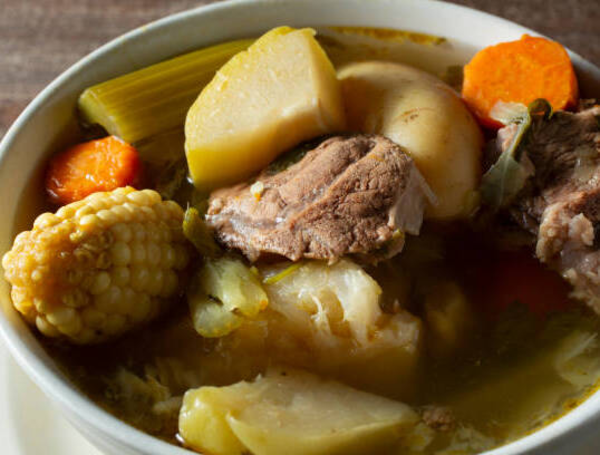
- According to culinary analysis from food science platforms like Serious Eats, gelatin is what gives a premium broth its distinct "body" or viscosity.
- Without gelatin, a broth feels watery on the palate. With it, the liquid coats the tongue pleasantly, carrying aromas and enhancing the perception of rich, savory flavors (umami) without needing excessive salt.
Fat Content and Health Guidelines
While bones and connective tissues add unmatched depth, they also introduce rendered fat into the pot.
- According to nutritional guidelines established by the United States Department of Agriculture (USDA) and referenced by health institutions like Mayo Clinic, balancing saturated fat intake is crucial for long-term cardiovascular health.
- While lean cuts (such as sirloin tip, flank, or top round) offer very low fat levels, they lack the bones necessary for heavy gelatin extraction. Conversely, traditional soup cuts like ribs and shanks offer maximum flavor but require strategic defatting processes.
Official Recommendations from Chefs and Nutritional Experts
To bridge the gap between heavy, traditional broths and modern healthy eating, top culinary professionals have shared definitive guidelines on protein selection and treatment.

1. The Supremacy of the Bone: Beef Ribs
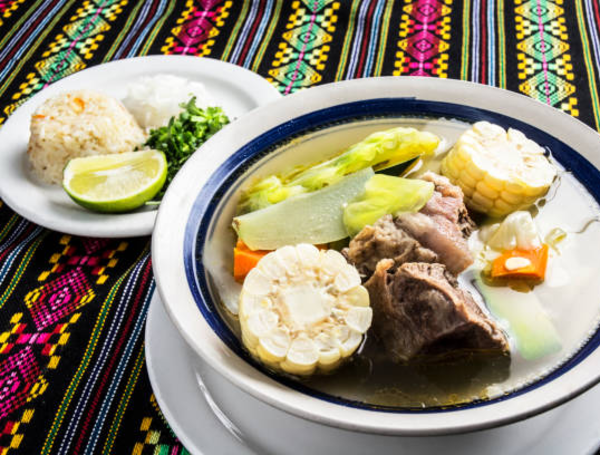
In many cultures—particularly across Latin America—beef ribs (costilla de res) are considered the undisputed monarch of soup-making.
- Chef Camilo Currea notes in culinary interviews that "to elaborate a good broth, the best cut is beef ribs or, failing that, any cut that includes bone."
- The bone structure acts as a natural flavor reservoir, infusing the water with marrow and minerals while the exterior meat provides tender morsels for consumption.
2. The Structured Alternative: Beef Shank (Jarrete)
For those seeking a more robust, deeply concentrated profile, beef shank is an exceptional alternative.
- Chef Currea highlights that the shank, which includes both bone and dense muscle tissue, "is especially rich in flavor and allows you to obtain a much more concentrated and structured broth."
- Because the shank contains significant amounts of connective tissue, it releases high levels of gelatin, resulting in a velvety texture.
3. Pre-Cooking and Post-Cooking Defatting
Working with rich, bone-in cuts inherently presents a challenge: excess grease. Experts emphasize that the battle against a greasy soup is won in two distinct stages:
- Before Cooking: Mayo Clinic strongly recommends trimming away all visible external fat from the meat and bones before they ever touch the water. This proactive step dramatically reduces the amount of rendered oil floating in the pot.
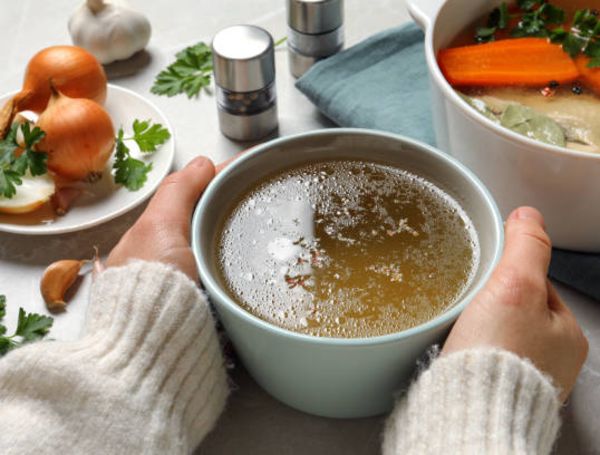
- After Cooking (The Refrigeration Technique): For an impeccably clean and light broth, chefs recommend letting the finished soup cool and placing it in the refrigerator. As the temperature drops, the remaining animal fats solidify on the surface, forming a hard, whitish layer. This layer can be effortlessly lifted and discarded with a spoon, leaving behind a clear, nutrient-dense, and completely grease-free liquid gold.
Implications for Home Cooks and Modern Gastronomy
The shift toward mindful ingredient selection in soup-making carries significant implications for both domestic kitchens and the broader food culture.
Elevating Home Cooking Standards
The realization that a superior broth depends entirely on the initial butcher-shop choice empowers home cooks. It shifts cooking from a guessing game into a precise culinary science. By understanding how cuts behave, individuals can bypass commercial flavor enhancers, sodium-laden cubes, and artificial powders, returning to wholesome, scratch-made cooking that honors traditional techniques.
Health and Nutritional Alignment
In an era where wellness and preventive health dictate consumer choices, understanding fat management in traditional recipes is essential. Families no longer have to choose between rich, comforting traditional flavors and heart-healthy diets. By mastering simple techniques—such as pre-trimming and cold-temperature defatting—cooks can enjoy the full therapeutic and nutritional benefits of collagen-rich bone broths without compromising cardiovascular wellness.
Ultimately, crafting the perfect beef broth proves that exceptional gastronomy is not about masking flavors with complex additives, but about making intelligent, informed choices from the very moment the ingredients are purchased.