Lifestyle & Culture Desk
Published: September 5, 2026
Main Facts
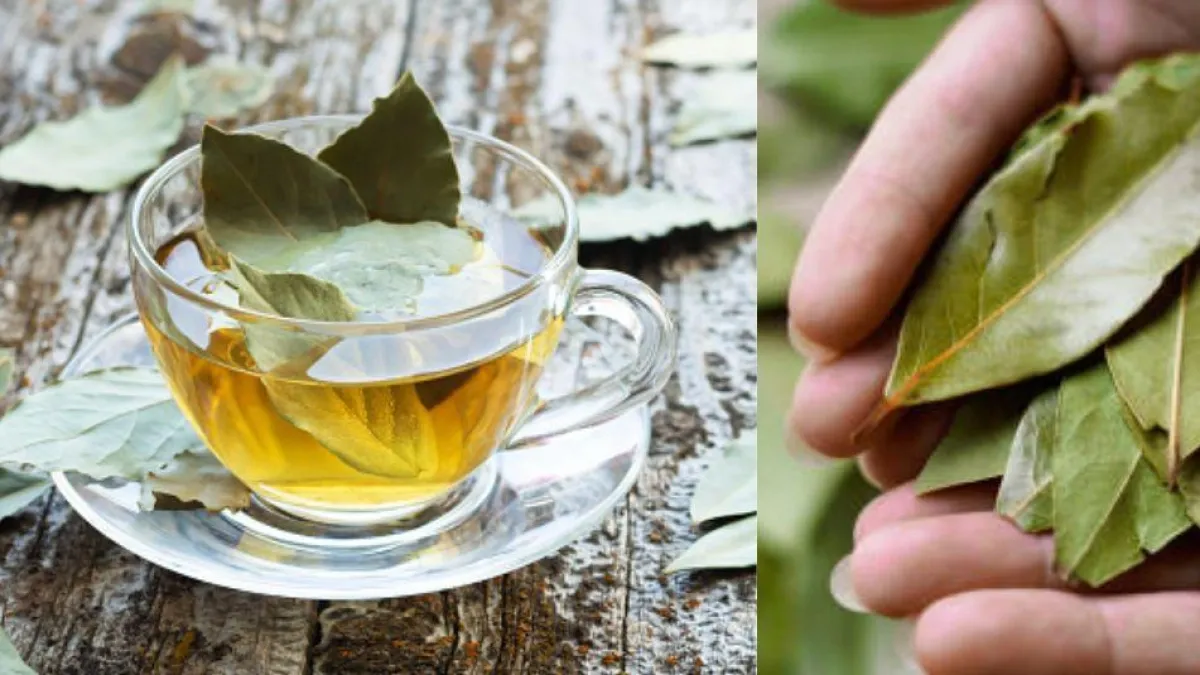
In homes across the globe, a quiet domestic ritual has captured the collective imagination of individuals seeking a deeper connection to nature, emotional balance, and a sense of renewal: submerging a fresh leaf of laurel (Laurus nobilis) into a simple glass of water. Far from being a mere culinary garnish reserved for soups and stews, this practice has solidified itself as a cornerstone modern domestic ritual associated with attracting prosperity, protecting living spaces, and clearing stagnant energies.
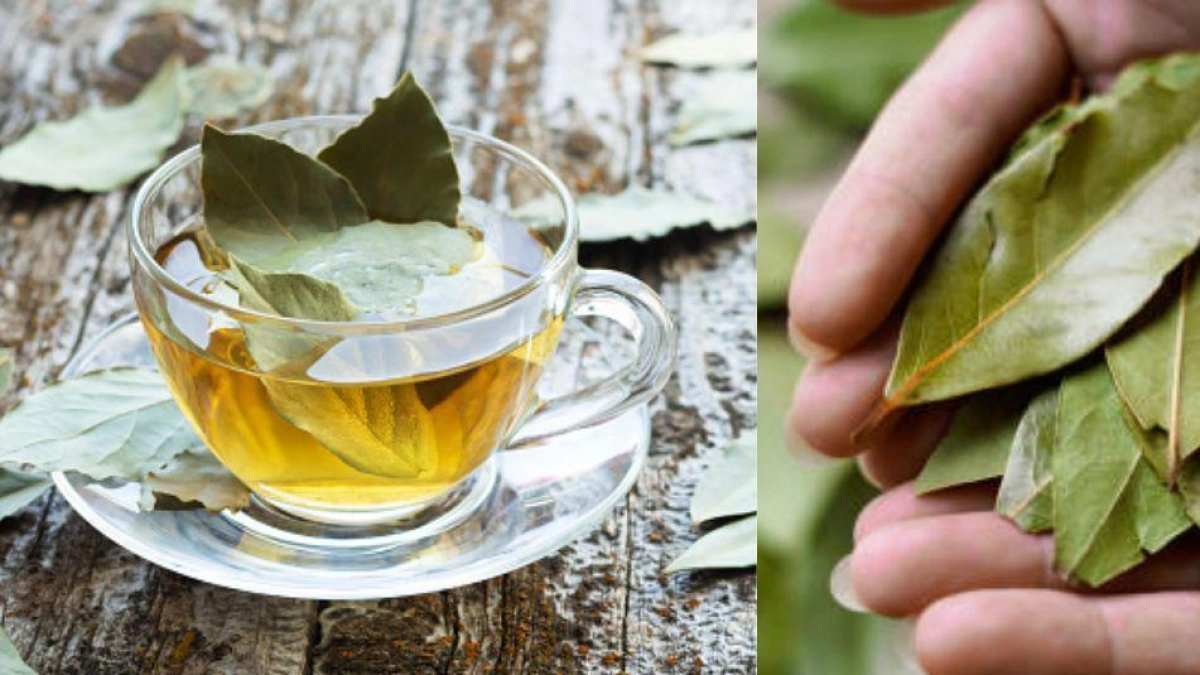
Integrating symbolic traditions from ancient cultures with the spatial harmonization principles of Feng Shui, this trend attributes dual properties to the components: the laurel leaf is revered as a historical emblem of abundance, victory, and resilience, while water is celebrated universally as a medium of purification, clarity, and energetic cleansing.
Although the practice lacks empirical scientific validation, its popularity continues to soar through digital platforms, word-of-mouth, and lifestyle publications. For millions of people, preparing a glass of water with a laurel leaf goes beyond esoteric belief—it serves as a mindful, grounding habit. It marks the conscious beginning of new personal cycles, offering a sensory anchor of subtle herbal fragrance and visual tranquility within the home.

Chronology: From Ancient Crowns to Modern Countertops
To understand why a leaf in a glass of water resonates so deeply today, it is essential to trace the historical trajectory of the laurel plant through human civilization.
Antiquity: Symbols of Victory and Status
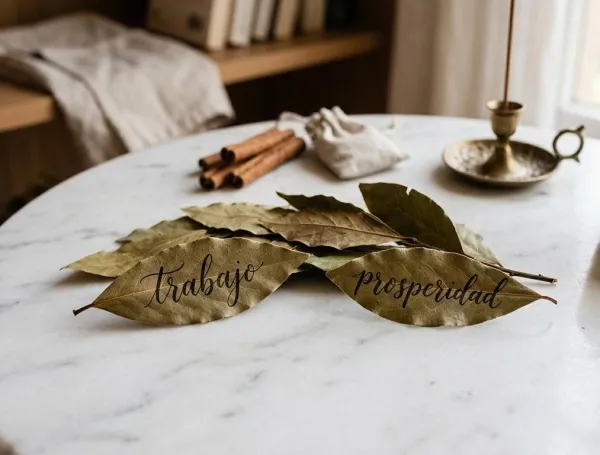
The cultural significance of the laurel plant dates back thousands of years to ancient Greece and Rome. During this era, Laurus nobilis was sacred to Apollo, the god of music, poetry, prophecy, and healing. Victorious athletes, military commanders, and esteemed poets were crowned with wreaths woven from laurel branches—giving birth to terms such as "poet laureate" and the concept of resting on one’s "laurels." In these early societies, the plant was not just a botanical specimen; it was a physical manifestation of high honor, triumph, achievement, and divine favor.

The Middle Ages and Renaissance: Protection and Herbal Lore
As European societies evolved through the Middle Ages and into the Renaissance, the symbolic scope of the laurel expanded. Herbalists and folk healers began cataloging its aromatic and therapeutic properties. Beyond its use in traditional medicine to soothe digestive ailments and joint discomfort, laurel was frequently planted near doorways or hung inside dwellings to ward off negative influences, lightning, and illness. It transitioned from an emblem of public glory to a guardian of private hearths.
The Contemporary Era: The Intersection of Feng Shui and Domestic Wellness
In recent decades, ancient earth-based practices experienced a global renaissance, heavily influenced by the popularization of Eastern philosophies such as Feng Shui. The ancient Chinese art of placement emphasizes the flow of Chi (energy) within living spaces. As holistic wellness migrated from wellness retreats into everyday apartments and suburban houses, practitioners sought accessible, low-cost ways to harmonize their environments.
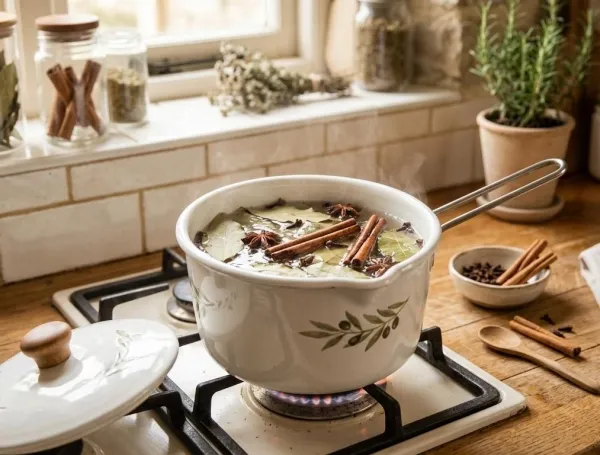
The pairing of the laurel leaf with water emerged organically within this movement. While water represents the flow of wealth, emotional depth, and cleansing in Feng Shui, the laurel retains its ancient reputation for success and protection. Submerging the leaf unites these two elements into a single, accessible domestic ritual designed to recalibrate the energetic frequency of a room.
Supporting Data and Mechanics: How the Ritual is Performed
Despite the mystical connotations surrounding the practice, executing the ritual requires no specialized equipment, complex formulas, or high expenditures. Cultural and lifestyle guides emphasize simplicity, ensuring that anyone can incorporate the habit into their daily routine.
The Step-by-Step Preparation
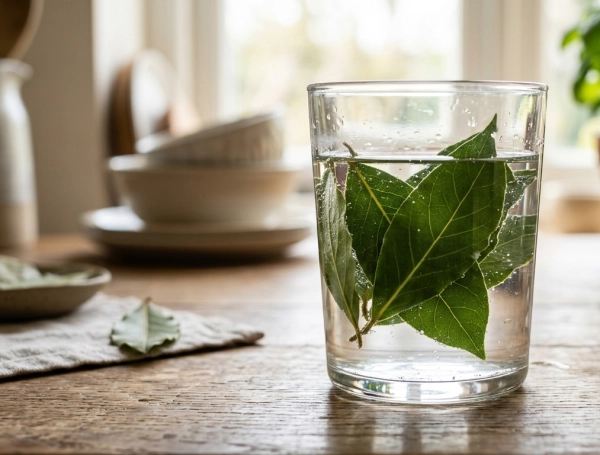
- Selecting the Vessel: A clear glass or crystal container is traditionally chosen to allow unobstructed visibility of the water and the leaf, symbolizing transparency and clarity of intent.
- Choosing the Leaf: Practitioners generally select a fresh, vibrant green laurel leaf. Dried leaves are sometimes used, but fresh specimens are preferred for their structural integrity and subtle natural oils.
- The Water: Clean, filtered tap water or spring water is poured into the glass, filling it roughly three-quarters full.
- Placement: The leaf is gently placed on the surface or submerged within the water. While various schools of thought suggest placing the glass near the entryway of a home (to filter incoming energy) or close to a workspace (to attract focus and professional success), experts note there is no scientific mandate for location. The placement is left entirely to the inhabitant’s intuition and aesthetic preference.
Maintenance and Hygiene Guidelines
Because stagnant water can become a breeding ground for bacteria or attract insects, lifestyle practitioners and home organization experts stress strict maintenance protocols:
- Water Renewal: The liquid must be changed every two to three days to maintain absolute clarity and hygiene.
- Leaf Replacement: The laurel leaf should be inspected regularly. The moment it exhibits signs of discoloration, softening, tearing, or decay, it must be discarded and replaced with a fresh specimen.
Official Responses and Expert Perspectives
While botanists, psychologists, and sociologists view the trend through entirely different lenses, none dismiss its psychological and emotional utility.

The Botanical Perspective
From a strict scientific standpoint, botanists confirm that Laurus nobilis leaves contain volatile organic compounds, including cineole and eugenol, which are responsible for the plant’s characteristic, pleasant aroma. When fresh leaves sit in water, minimal amounts of these compounds may diffuse into the immediate micro-environment, providing a mild, organic scent that acts as a natural room freshener. However, scientists firmly state there is no empirical evidence proving that a leaf in water can actively manipulate invisible ambient energies, attract financial wealth, or ward off metaphysical harm.
The Psychological and Sociological Viewpoint
Psychologists suggest that the true power of the laurel-and-water ritual lies in the realm of mindfulness and behavioral psychology.
- The Placebo and Intention Effect: Engaging in a deliberate ritual helps focus the human mind. When an individual sets out a glass of fresh laurel and water with the explicit intention of bringing peace or prosperity into their life, they unconsciously prime themselves to notice opportunities, maintain a cleaner living space, and adopt a more optimistic outlook.
- Symbolic Closure and New Beginnings: The mandated routine of changing the water every few days and replacing a decaying leaf acts as a tactile metaphor for self-care and renewal. Just as old water is discarded, individuals are subconsciously encouraged to let go of past stressors, clearing mental clutter as they clear physical space.
Implications for Modern Lifestyle and Wellness Culture
The widespread adoption of rituals involving everyday botanical items—such as laurel leaves, cinnamon sticks, or coarse salt—highlights a profound cultural shift in how modern societies approach wellness.
1. The Democratization of Self-Care
In an era marked by economic uncertainty, high-stress work environments, and digital overload, people are increasingly seeking low-cost, accessible coping mechanisms. Rituals that utilize ordinary kitchen ingredients democratize wellness. They prove that cultivating a sense of peace, sanctuary, and personal renewal does not require expensive retreats, specialized technology, or luxury goods.
2. Reconnecting with Nature in Urban Environments
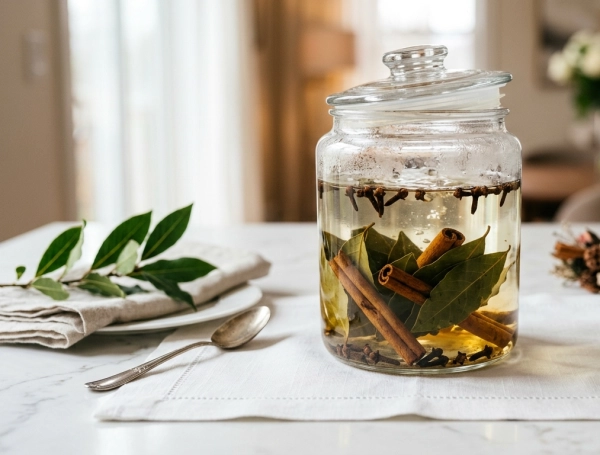
As urbanization distances humanity from the natural world, domestic rituals involving plants serve as a psychological bridge. Bringing a piece of living foliage into a concrete apartment satisfies an innate human desire for biophilic connection. The sight of green leaves and clear water counters the sterile, digital aesthetics dominating modern workspaces and living rooms.
3. The Ritualization of the Mundane
By transforming a routine household chore—changing a glass of water—into a mindful practice, individuals reclaim agency over their domestic environments. It turns a passive living space into an active sanctuary. Whether viewed through the lens of ancient folklore, Feng Shui, or modern cognitive behavioral therapy, the practice of placing a laurel leaf in water demonstrates humanity’s enduring need to infuse the ordinary with meaning, hope, and beauty.