Main Facts: A Nutritional Trend Reshaping Breakfast Habits
In an era where fast-paced lifestyles frequently force individuals to sacrifice the quality of their morning meals, innovative meal-prepping solutions have emerged as a cornerstone of modern nutrition and time management. Among the most recent and viral culinary trends capturing the attention of health enthusiasts worldwide is the "Carrot Cake Overnight Oats" recipe—a clever hybrid combining the rich, spiced flavors of traditional carrot cake with a nutrient-dense, no-cook breakfast option.
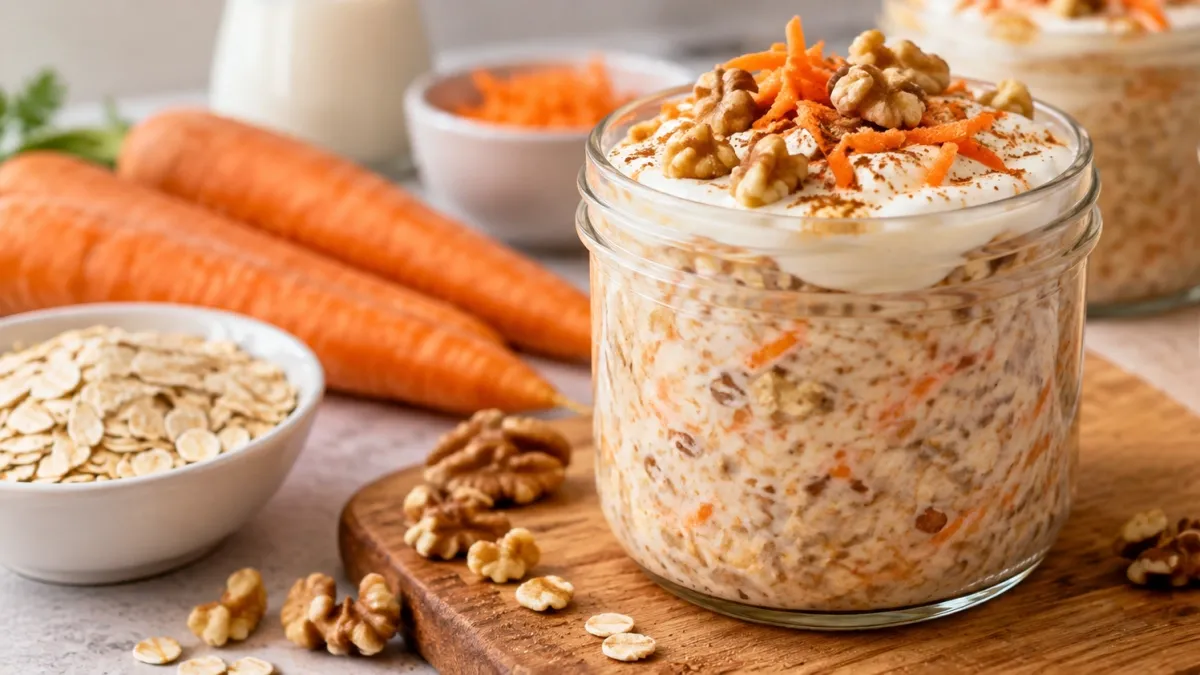
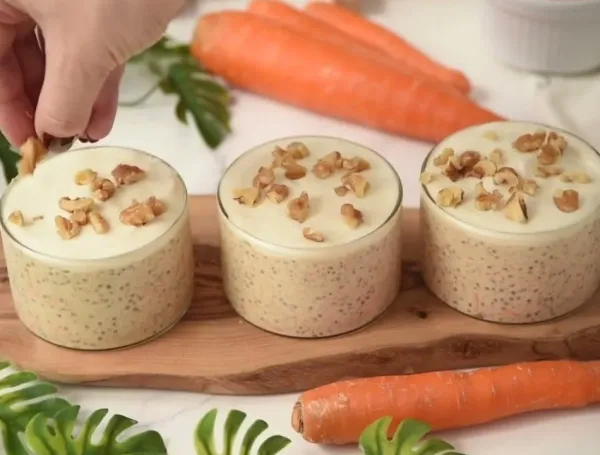
Popularized across digital platforms, particularly through viral demonstrations on content creation hubs like the YouTube channel managed by culinary personality Jess Carter, this method allows individuals to prepare up to three nutrient-rich portions in advance. Designed to absorb liquids while resting in the refrigerator, the recipe utilizes wholesome components such as rolled oats, Greek yogurt, almond milk, freshly grated carrots, crunchy walnuts, and chia seeds.
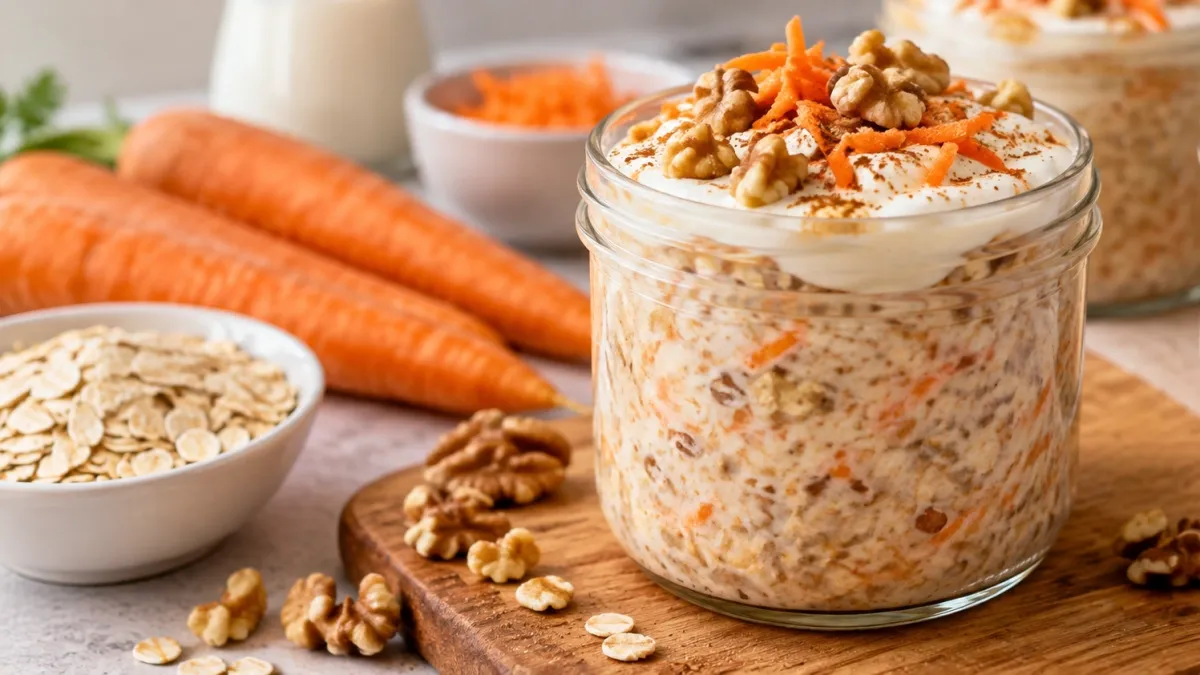
The primary appeal of this culinary phenomenon lies in its dual efficiency: it drastically cuts down morning preparation time while offering a balanced macro-profile rich in fiber, plant-based proteins, and healthy fats. Rather than relying on processed convenience foods, busy professionals, students, and parents are turning to these chilled, ready-to-eat jars to ensure they start their day with sustained energy, minimal effort, and a dessert-like flavor profile that feels entirely guilt-free.
Chronology: The Evolution of Meal-Prepped Breakfasts and the Viral Carrot Cake Variant
The Shift Toward Advance Preparation
The concept of "overnight oats" (or avena trasnochada) is not entirely new; its roots trace back to early health-food movements and the Swiss physician Maximilian Bircher-Benner, who invented the raw apple meal known as Bircher muesli around 1900. However, the modern iteration of overnight oats gained significant momentum in the late 2010s alongside the explosion of social media fitness and wellness communities. Platforms like Instagram and Pinterest transformed a simple culinary technique—soaking raw oats in liquid overnight—into a visually stunning, highly customizable art form.

The Innovation of the Dessert-Flavored Hybrid
As the meal-prep trend matured, consumers grew fatigued by plain fruit-and-yogurt combinations, pushing recipe developers to experiment with complex flavor profiles. The transition toward dessert-inspired breakfast options marked a turning point in culinary content creation. By dissecting the flavor architecture of a classic carrot cake—characterized by earthy carrots, warm spices like cinnamon and nutmeg, and rich cream cheese frosting—creators managed to replicate the indulgence of baked goods using entirely whole-food ingredients.
Digital Virality and Standardization
By late 2026, recipe demonstrations showcasing the carrot cake overnight oats variation reached peak virality across digital networks. Content creators standardized the portions for a three-day batch, making home meal prepping accessible to novices. The inclusion of a specialized, yogurt-based frosting layer elevated the dish from a basic weekday breakfast into a gourmet experience that could be neatly sealed, stored, and consumed on the go.

Supporting Data: Ingredients, Nutritional Profiles, and Culinary Mechanics
The success of the carrot cake overnight oats recipe relies heavily on the precise synergy of its components. Understanding the nutritional breakdown and culinary mechanics helps explain why this combination yields both exceptional texture and health benefits.
Core Ingredients for a Three-Portion Batch
- Rolled Oats: Approximately 1.5 to 2 cups of soft rolled oats serve as the structural base, providing complex carbohydrates and beta-glucan fiber.
- Greek Yogurt: 250 grams of high-protein Greek yogurt contribute a rich, thick texture while boosting the protein content significantly.
- Plant-Based or Dairy Milk: 250 milliliters of almond milk (or any preferred dairy/plant milk alternative) supply the liquid necessary for softening the dry ingredients.
- Fresh Carrots: Finely grated carrots provide the signature color, subtle sweetness, and a boost of vitamin A.
- Sweeteners and Spices: Two tablespoons of honey or maple syrup, one teaspoon of vanilla extract, a quarter teaspoon of ground nutmeg, and a generous pinch of cinnamon and salt replicate the warm, spiced profile of traditional carrot cake.
- Healthy Fats and Fiber: 30 grams of chia seeds and a handful of chopped walnuts introduce essential omega-3 fatty acids, crunch, and long-lasting satiety.
The Science of Cold Soaking
Unlike traditional oatmeal, which relies on thermal energy to gelatinize starches, overnight oats depend on passive absorption. Over a minimum of four hours—and optimally an entire night—the porous structure of rolled oats and the hydrophilic properties of chia seeds absorb the surrounding almond milk and yogurt. This hydration process breaks down starches and softens the grain without heat, creating a naturally creamy, pudding-like consistency.

Furthermore, the integration of Greek yogurt introduces casein protein, which digests slowly, while chia seeds form a gelatinous mucilage that enhances the overall thickness of the mixture while supporting digestive health.
Official Responses and Expert Perspectives on Meal Prepping and Nutrient Timing
Dietitians, nutritionists, and lifestyle experts have increasingly endorsed meal-prepping strategies like overnight oats as an effective tool for improving dietary habits and managing daily caloric intake.

Nutritional Validation
Registered dietitians frequently highlight the benefits of incorporating high-fiber grains and seeds into the first meal of the day. According to nutritional health advocates, starting the morning with a balanced dose of soluble fiber helps stabilize blood sugar levels, preventing the mid-morning energy crashes commonly associated with high-sugar, refined-carbohydrate breakfasts like commercial cereals or pastries.
"The inclusion of oats, chia seeds, and walnuts delivers a powerful trifecta of soluble fiber, plant-based omega-3s, and slow-burning complex carbohydrates," notes clinical nutrition literature regarding cold-soaked grain preparations. "When combined with the protein density of Greek yogurt, it creates an optimal nutritional vehicle for metabolic stability."
Behavioral and Time-Management Benefits
Psychologists and lifestyle coaches emphasize the psychological advantages of reducing decision fatigue in the morning. By delegating the task of breakfast preparation to the evening before, individuals remove a frequent barrier to healthy eating. When a nutritious, appealing meal is readily available in the refrigerator, people are significantly less likely to skip breakfast or resort to fast-food alternatives driven by morning time constraints.
Implications: The Broader Impact on Modern Diets and Sustainable Eating
The widespread adoption of recipes like the carrot cake overnight oats points to a broader cultural shift in how society approaches home cooking, nutrition, and time economy.

Redefining Convenience Culture
For decades, the concept of "convenience food" was synonymous with ultra-processed, packaged meals that required minimal preparation but often carried hidden health costs. The viral meal-prep movement reclaims convenience by redefining it: easy, fast, and accessible, yet entirely wholesome. By demonstrating that complex, gourmet flavor profiles can be achieved through simple assembly rather than laborious cooking, these trends encourage a higher rate of home-cooking participation among demographics with demanding work schedules.
Sustainability and Waste Reduction
Batch cooking and meal prepping naturally align with sustainable living principles. By preparing three or more portions at once, consumers optimize their grocery shopping, utilize entire produce items (such as whole carrots and bulk-purchased seeds and grains), and minimize food waste. The versatility of the recipe—allowing substitutions such as swapping almond milk for dairy or oat milk—also accommodates various dietary restrictions and pantry inventories, promoting adaptable, resilient cooking habits.

Ultimately, the carrot cake overnight oats phenomenon transcends a passing internet food trend. It represents a harmonious intersection of modern nutritional science, digital connectivity, and practical culinary artistry, proving that eating well does not require sacrificing precious morning hours.