By Justice Desk, El Tiempo
In a major blow to the criminal infrastructure of illegal armed groups in southwestern Colombia, a joint operation conducted by the Colombian National Army, the National Police, and the Attorney General’s Office has resulted in the successful dismantling of "Los Chinos," a criminal network directly linked to the "Carlos Patiño" structure of the FARC dissidents. This criminal organization, which operated under the direct command of the group led by the alias "Iván Mordisco," was identified as a primary facilitator for the group’s illicit operations, specializing in the theft of high-end vehicles, kidnapping, and systemic extortion across the department of Cauca.
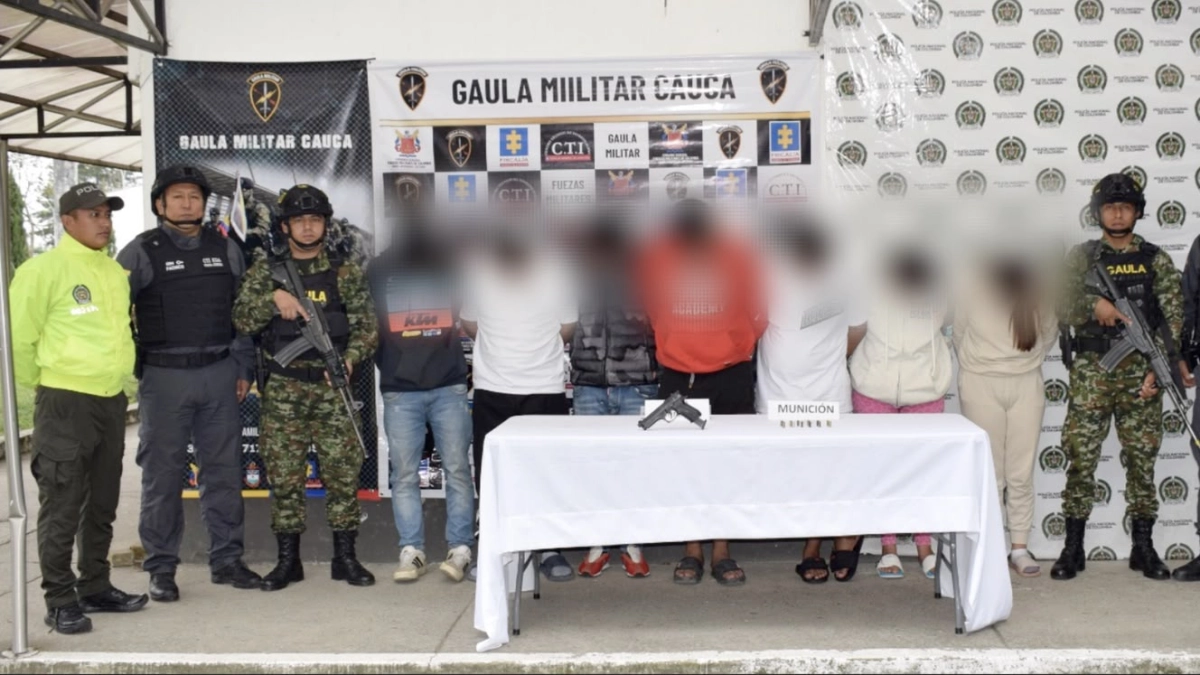
The operation, which involved months of intelligence gathering and synchronized raids, marks a strategic victory for the state in its effort to reclaim the security of the Pan-American Highway—a critical logistics corridor that has been plagued by the presence of armed groups seeking to control transit and intimidate the local population.
The Anatomy of the Network: Who are ‘Los Chinos’?
"Los Chinos" functioned not as an independent criminal enterprise, but as a specialized logistical and support unit for the "Carlos Patiño" structure. According to investigative reports from the Attorney General’s Office, the network was essential for the mobility of high-ranking commanders within the dissident hierarchy. By providing stolen high-end vehicles, the group ensured that the leadership of the "Carlos Patiño" structure could move through the rugged and volatile terrain of Cauca with a degree of anonymity and speed, avoiding standard checkpoints and civilian detection.

The structure’s operations were diverse and brutal. While their primary objective was to provide vehicles for the command, they simultaneously engaged in a campaign of terror against local merchants and commuters. By executing kidnappings and enforcing extortion rackets along the Pan-American Highway, the group financed their activities while effectively acting as a "tax collector" for the broader dissident organization.
Chronology of the Investigation and Final Strike
The investigation into "Los Chinos" spanned nearly a year, requiring a high level of coordination between different state security agencies.
- Early 2026 (Detection Phase): Intelligence units from the Gaula Militar Cauca began noticing a recurring pattern of high-end vehicle thefts occurring specifically along the transit routes between Popayán and the southern municipalities of the department. Victims consistently reported that their vehicles were being intercepted by armed individuals who utilized military-grade tactics.
- Mid-2026 (Consolidation of Intelligence): The Seccional de Investigación Judicial (SIJIN) began mapping the network. They discovered that the stolen vehicles were not being dismantled for parts—a common criminal practice—but were instead being repurposed, re-plated, and handed over to the "Carlos Patiño" leadership for their private fleet.
- October 2026 (Targeting Phase): The Attorney General’s Office, utilizing intercepted communications and surveillance from local informants, identified the key nodes of the organization. The geographical footprint of their operations was confirmed to stretch from the rural outskirts of Popayán to the strategic corridor of El Bordo.
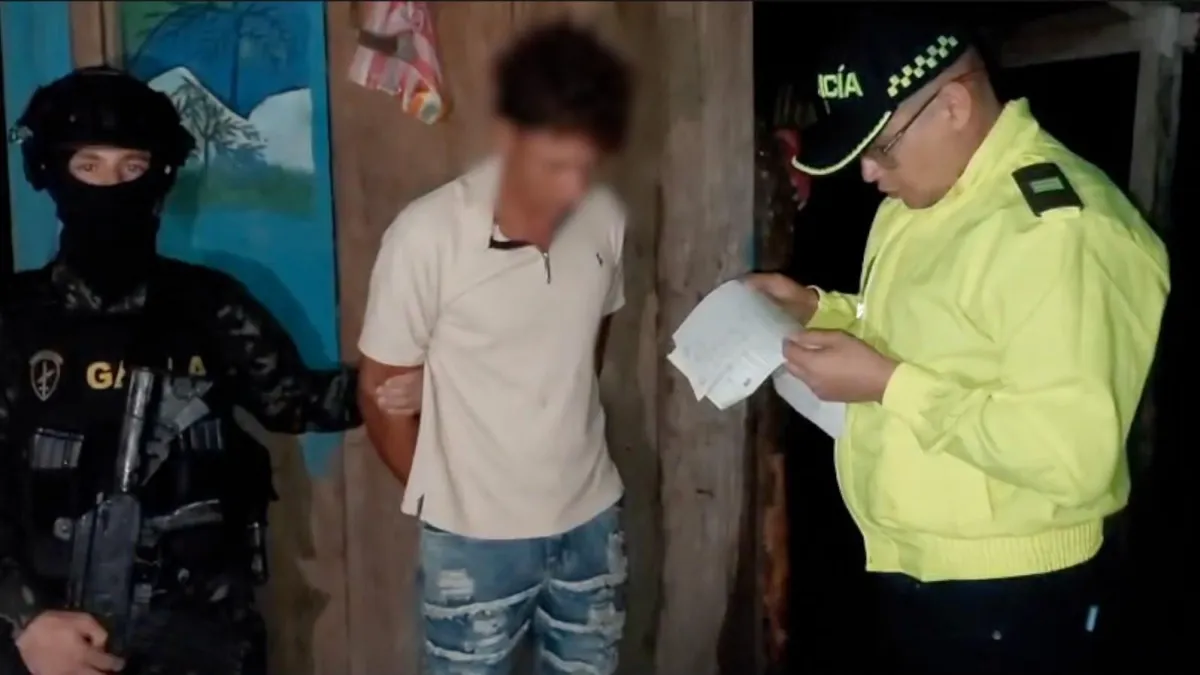
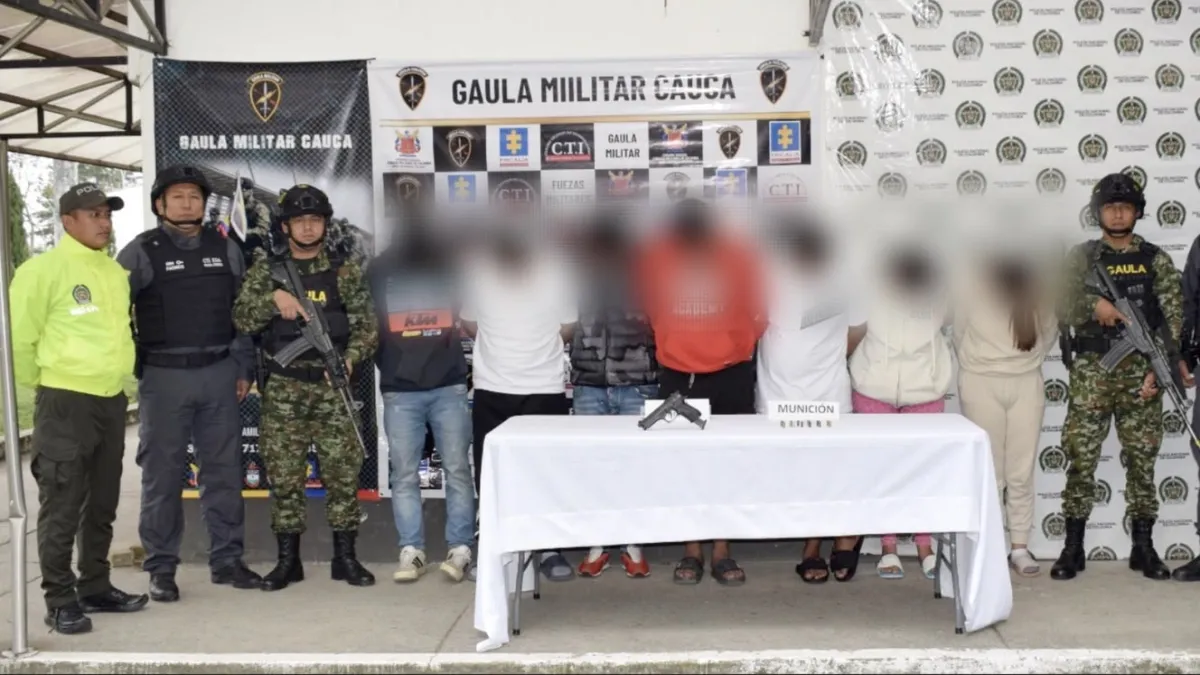
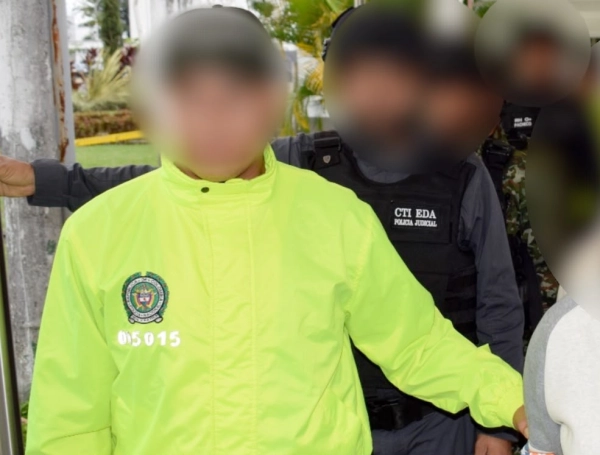
- November 10, 2026 (Operation Day): In a lightning-fast series of raids, the Gaula Militar Cauca, in coordination with the CTI (Technical Investigation Corps), executed judicial search and arrest warrants across several municipalities, including Piendamó, Cajibío, Timbío, and Rosas. The simultaneous nature of the strikes caught the network off guard, preventing the destruction of key evidence.
The Strategic Importance of the Cauca Department
The Cauca region remains one of the most complex security environments in Colombia. The presence of the "Carlos Patiño" structure, which operates under the banner of the Central General Staff (EMC) of the FARC dissidents, represents a significant challenge to the state. The department acts as a gateway to the Pacific coast, making it a high-value transit zone for illicit goods, including narcotics and weapons.
By controlling the Pan-American Highway, "Los Chinos" provided the dissidents with more than just cars; they provided them with the ability to project power across a vast geographic area. The network’s reach into the veredas of El Túnel, La Venta, and El Cofre allowed them to maintain a presence in rural zones where they could hide stolen assets and hold kidnap victims away from the gaze of urban law enforcement.
Official Responses and Tactical Successes
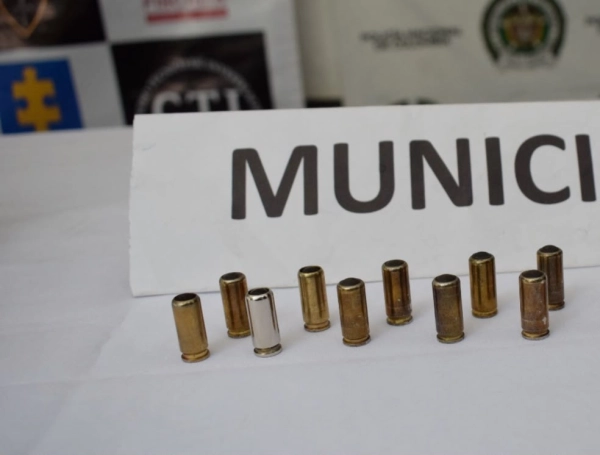
The operation was hailed as a success by regional military and judicial leaders. During the raids, authorities seized significant evidence that links the detainees to criminal activities. Among the items confiscated were a short-range firearm, a full ammunition magazine, and 12 high-caliber 9mm cartridges.
"This is not just about the capture of individuals; it is about breaking the logistics chain that sustains the violence in our department," stated a spokesperson for the Vigésima Novena Brigada. "The ‘Carlos Patiño’ structure relies on these support networks to survive. When we remove the people who provide their transportation, their communication, and their funding, we directly undermine their ability to conduct larger operations."

The suspects are currently facing charges related to criminal conspiracy, kidnapping, extortion, and the theft of motor vehicles. Prosecutors are expected to present evidence of the network’s direct link to the central command of the "Carlos Patiño" structure, which could lead to significantly harsher sentencing under Colombian criminal law.
The Implications: A Shift in Security Dynamics
The dismantling of "Los Chinos" sends a clear message to the local population and the dissident groups alike: the state is prioritizing the security of transit corridors. However, security experts warn that such organizations are often replaced quickly unless the state can fill the power vacuum left in these rural areas.

1. Disruption of Command Mobility
The loss of their logistical support network forces dissident commanders to revert to more conventional, and thus more detectable, methods of transportation. This creates new opportunities for intelligence gathering by the security forces.
2. Impact on the Local Economy
For the residents of Piendamó, Cajibío, and the surrounding areas, the removal of this network is a significant relief. For months, the fear of being intercepted on the road or being targeted for extortion had crippled local commerce. The restoration of trust in the safety of these roads is crucial for the economic recovery of the region.

3. Judicial Precedents
The investigation highlights the success of the "inter-agency" model. By combining the military might of the Gaula with the technical investigative expertise of the CTI, the state was able to move from suspicion to conviction. This model is likely to be replicated in other regions where dissident networks have embedded themselves in local civilian populations.
Future Outlook
As the legal process begins for the detainees, the security apparatus in Cauca remains on high alert. The "Carlos Patiño" structure is known for its ability to adapt and retaliate. The military presence in the area has been reinforced to prevent any attempts at regrouping by the remnants of the network.

"The work continues," noted the prosecutor in charge of the case. "Our objective is to dismantle the entire structure, not just the support cells. We have identified the methods, the routes, and the connections. We are closing the net."
The citizens of Cauca, who have long suffered under the shadow of the dissidents, are watching closely. The operation to dismantle "Los Chinos" is a tangible step toward restoring the authority of the state, but it is also a reminder of how deeply entrenched these criminal structures have become. As the government continues its efforts to achieve "Total Peace," the role of military and judicial pressure on these logistics networks remains the bedrock of any sustainable security strategy.
Key Data Summary
- Target: ‘Los Chinos’ criminal network.
- Affiliation: ‘Carlos Patiño’ structure (FARC dissidents).
- Operational Areas: Piendamó (El Túnel, La Venta, El Cofre), Cajibío, Popayán, Timbío, Rosas, and El Bordo (Patía).
- Primary Crimes: Vehicle theft (high-end), kidnapping, extortion, logistical support for dissident leadership.
- Assets Seized: 9mm handguns, ammunition, communication devices, and documentation linking the group to dissident operations.
- Participating Agencies: Gaula Militar Cauca, Vigésima Novena Brigada, SIJIN, and the Attorney General’s Office (CTI).