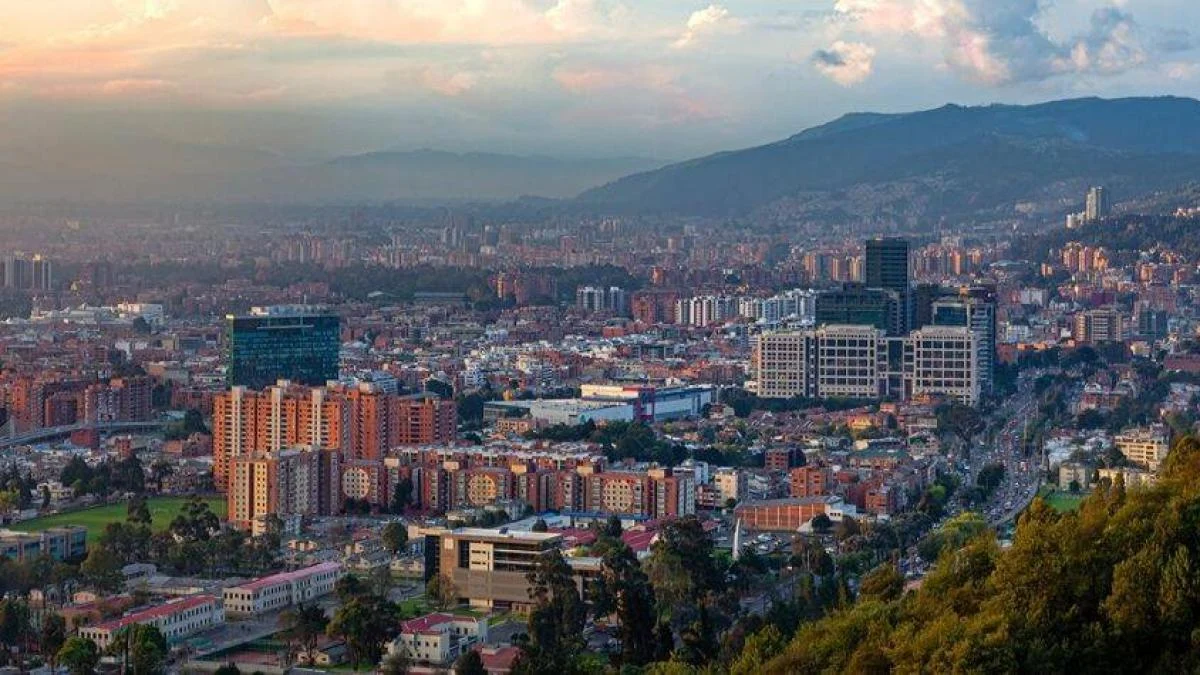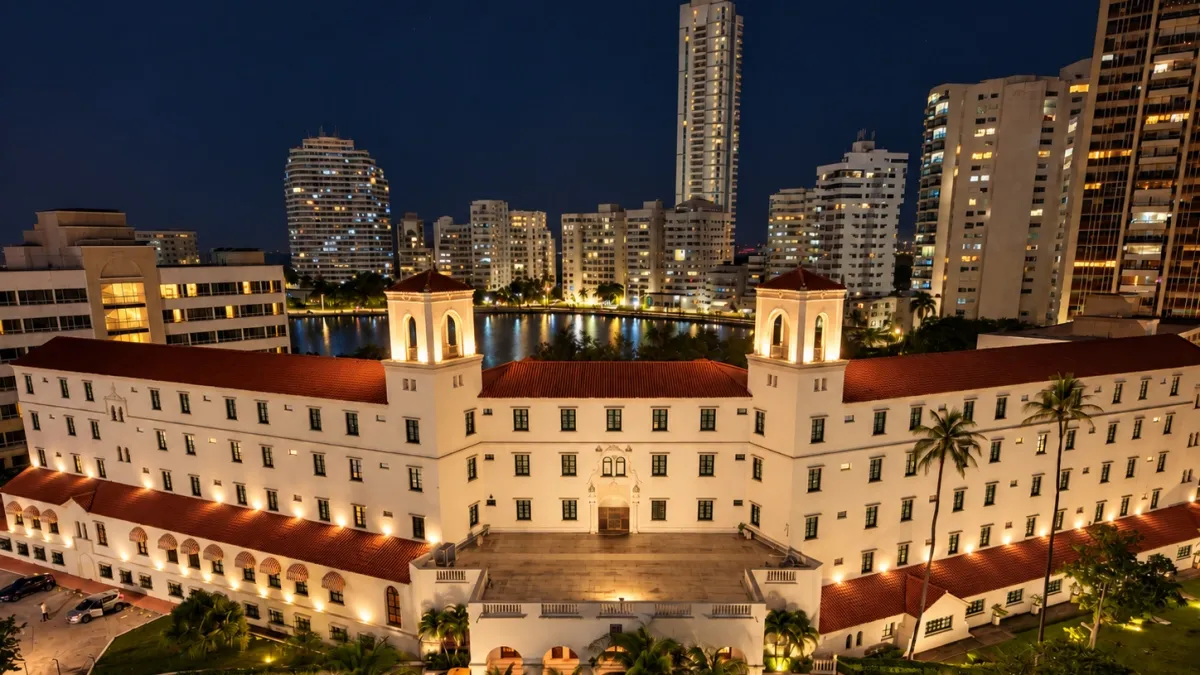
BOGOTÁ, Colombia — Faranda Hotels & Resorts, a prominent Hispano-Colombian hospitality enterprise boasting a 45-year legacy, has announced an ambitious strategic expansion plan targeting the Colombian tourism market. Ramón Hernández Cordero, the company’s Global Chief Executive Officer (CEO), detailed the roadmap for growth in an exclusive interview, revealing that the brand intends to scale its footprint from its current 21 properties in Colombia to approximately 26 operational hotels between late 2026 and early 2027.
The upcoming properties will strategically touch down in both primary hubs and high-potential secondary markets, including Bogotá, Santa Marta, Pereira, Bucaramanga, and the nature-rich enclave of Guatavita.
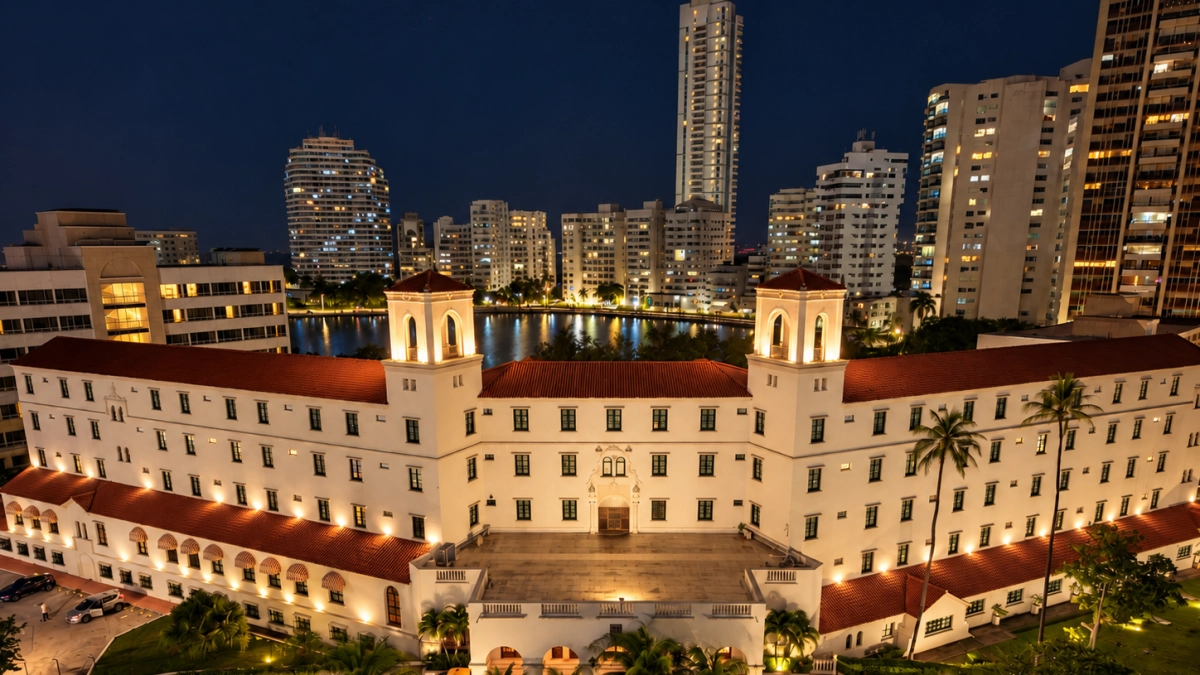
Globally, Faranda manages nearly 50 hotels and roughly 5,000 rooms spanning seven countries: Colombia, Panama, the Dominican Republic, Mexico, Costa Rica, Spain, and Venezuela. However, Colombia remains the beating heart of the company, housing the vast majority of its assets alongside its foundational corporate, commercial, and administrative headquarters distributed between Cartagena de Indias and Bogotá.
Main Facts
- Expansion Target: Faranda Hotels & Resorts plans to expand its portfolio in Colombia from 21 hotels to approximately 26 properties by the end of 2026 and early 2027.
- New Destinations: Upcoming properties will open in Bogotá, Santa Marta, Pereira, Bucaramanga, and Guatavita.
- Global Footprint: The company operates nearly 50 hotels and roughly 5,000 rooms across seven nations (Colombia, Panama, Dominican Republic, Mexico, Costa Rica, Spain, and Venezuela).
- Corporate Core: Unlike many international hotel chains headquartered in Miami, Madrid, or Palma de Mallorca, Faranda maintains its global operational and commercial command center in Colombia (Cartagena and Bogotá).
- Significant Investments: Recent flagship projects include the Faranda Collection Cartagena in the Morros area, backed by over $40 million in investment, and the historic boutique hotel El Balconario in Cartagena’s walled city, representing a local investment of nearly 40 billion Colombian pesos.
Chronology and Evolution of the Brand
From a Patrimonial Model to Global Management
Founded 45 years ago as a family-run business, Faranda entered the Colombian market virtually at its inception. Historically, the company operated under a traditional asset-heavy, patrimonial model—acquiring properties, developing brands, and holding them in direct ownership.

However, over the past decade, the group underwent a significant operational evolution. Leveraging its robust commercial and administrative infrastructure centered in Colombia, Faranda pivoted to embrace third-party hotel management (management agreements). This strategy has allowed the brand to accelerate its growth across Latin America without diluting its cultural core or corporate identity.
Growth Velocity and Recent Milestones
In recent years, Faranda has accelerated its growth velocity, averaging nine to ten new hotel openings annually across 2025 and 2026. While the chain already held dominant footprints in classic tourism and business epicenters like Bogotá, Medellín, Cali, Cúcuta, Barranquilla, and Cartagena de Indias—where it stands as the largest hotel operator with nine properties and over 800 rooms—it is now actively filling out the national map by entering secondary and complementary destinations.
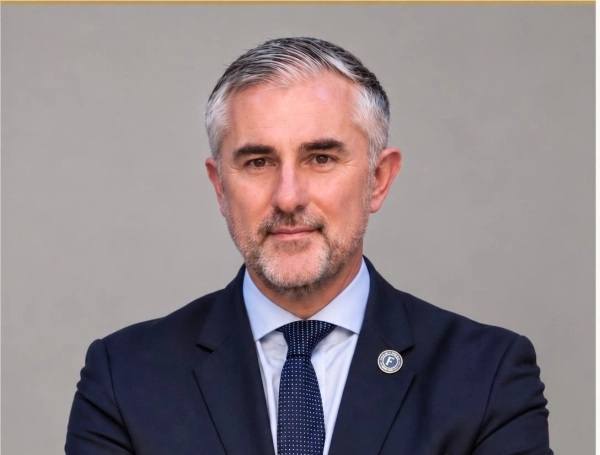
The strategic timeline of expansion highlights a deliberate balance between large-scale urban properties and intimate, experiential boutique resorts designed to cater to modern consumer preferences.
Supporting Data and Portfolio Segments
Faranda categorizes its offerings into distinct brand lines tailored to specific traveler demographics:

- Faranda Grand: Reserved for strategic, highly iconic properties with deep historical significance. Prominent examples include the historic Hotel Caribe Cartagena—which will celebrate its 81st anniversary shortly—and the Hotel Panamá in Panama City. Both properties feature nearly 400 rooms each, pairing rich heritage with modern amenities.
- Faranda Collection: Focused on urban lifestyle assets tailored to the corporate and leisure hybrid market. Over the last three years, the brand has launched five new additions, bringing its current count to seven. Notable openings include a property in Bogotá’s dynamic Zona G and the newly minted Faranda Collection Cartagena in the Morros district near the airport, featuring 242 rooms and standing as one of the city’s premier structural and architectural statements.
- Faranda Boutique: Highly localized, luxury properties located in historic city centers, such as El Balconario in Cartagena, which required an investment of approximately 40 billion pesos to rival top-tier international luxury labels.
Capital Investments
The scale of capital flowing into Faranda’s properties underscores investor confidence in the brand’s operational model. The Faranda Collection Cartagena surpassed $40 million in development costs, backed by a syndicate of private investors. Meanwhile, boutique assets like El Balconario demonstrate that local developers increasingly seek out Faranda’s operational expertise over international giants like Marriott or Hilton when positioning high-end cultural properties.
Official Responses and Perspectives
Speaking with EL TIEMPO, CEO Ramón Hernández Cordero shed light on the structural philosophy driving the company and his outlook on the broader Latin American tourism landscape.

On Colombia’s Appeal and the Tourism Boom
"Colombia is in fashion," Hernández Cordero emphasized. "The country is experiencing a major tourism rebound. Right now, all the necessary conditions—physical security, financial stability, enhanced connectivity, and targeted international destination marketing—are aligning. International markets are increasingly choosing Colombia over other destinations."
Addressing the macroeconomic contribution of tourism, Hernández Cordero noted that while tourism currently accounts for roughly 2% to 3% of Colombia’s Gross Domestic Product (GDP) and employment generation, the sector possesses immense untapped potential. By comparison, mature European markets like Spain have cultivated a 13% to 14% GDP contribution over six decades of consistent policy.

On Evolving Traveler Demographics and Behavior
The post-pandemic era has triggered an insatiable global appetite for travel, democratizing tourism and introducing visitors from dozens of nationalities to Colombia. However, this shift has brought distinct operational challenges:
- Shorter Stays, Higher Frequency: Vacation stays have compressed from historical averages of 7 to 9 days down to 3 or 4 days, as modern travelers prefer taking multiple shorter trips throughout the year.
- The Primacy of Experience Over Brand: "People do not travel for a Faranda room, a Hilton room, or a Hyatt room; they travel for the destination," Hernández Cordero remarked. "When guests check into our properties, they rarely ask when check-in is. Instead, they ask where they can eat authentic local food, find live music, or experience local culture."
Implications for the Colombian Hospitality Sector
The Strategic Importance of Secondary Destinations
While Cartagena remains Faranda’s anchoring stronghold—bolstered by icons like the Hotel Caribe—and Bogotá serves as the administrative core, the company is placing heavy bets on emerging and secondary markets. Medellín has emerged as a primary international entry port for foreign visitors, with Faranda operating 140 rooms in El Poblado and looking toward future projects extending to 2030. Furthermore, upcoming developments in Guatavita (offering lake tourism and nature-focused recreation an hour and a half from Bogotá) and anticipated expansions into the Coffee Triangle (Eje Cafetero) reflect a shift toward decentralized tourism.

Policy Recommendations for Continued Growth
To maintain this positive growth trajectory and attract sustained foreign and domestic investment, Hernández Cordero underscored several key policy imperatives that the Colombian government and sector stakeholders must address:
- Long-Term Consistency: Tourism policies must remain insulated from political cycles, recognizing the sector’s cross-cutting impact on culture, transport, gastronomy, and healthcare.
- Fiscal Incentives and Tax Adjustments: To remain competitive against neighboring tourism powerhouses like Peru, Ecuador, and Mexico, Colombia must streamline administrative hurdles and refine its tax structures for investors.
- Revisiting VAT (IVA): Hernández Cordero advocated for a strategic reduction of the 19% Value Added Tax (VAT) currently applied to domestic hotel consumers, pointing to Spain’s successful model—where a reduced 10% hospitality VAT stimulated exponential volume growth, ultimately driving higher absolute tax revenues through increased visitor volume.
Conclusion
As Faranda Hotels & Resorts approaches its 45th anniversary with a clear trajectory toward 26 properties in Colombia and nearly 50 across Latin America and Europe, the company exemplifies the maturation of Latin American hotel management. By marrying deep local cultural immersion with institutional operating standards, Faranda continues to cement Colombia’s status as one of the most compelling and resilient tourism frontiers in the Western Hemisphere.