The unexpected removal of the young talent, son of the legendary Omar Pérez, has sparked intense debate among Colombian football fans and analysts as the U-19 national team prepares for a critical tournament in Atlanta.
The Core Incident: A Sudden Omission
The Colombian U-19 national team, under the tactical guidance of head coach César Torres, officially commenced a new micro-cycle of preparation this past Tuesday, November 3, in Bogotá. The objective is clear: to refine the team’s tactical identity and cohesion ahead of upcoming international challenges. However, the excitement surrounding the start of the training camp was quickly overshadowed by a significant personnel shift that caught both the media and the public by surprise.

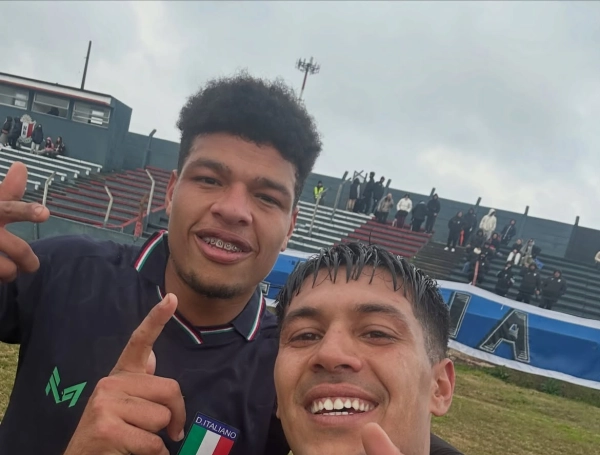
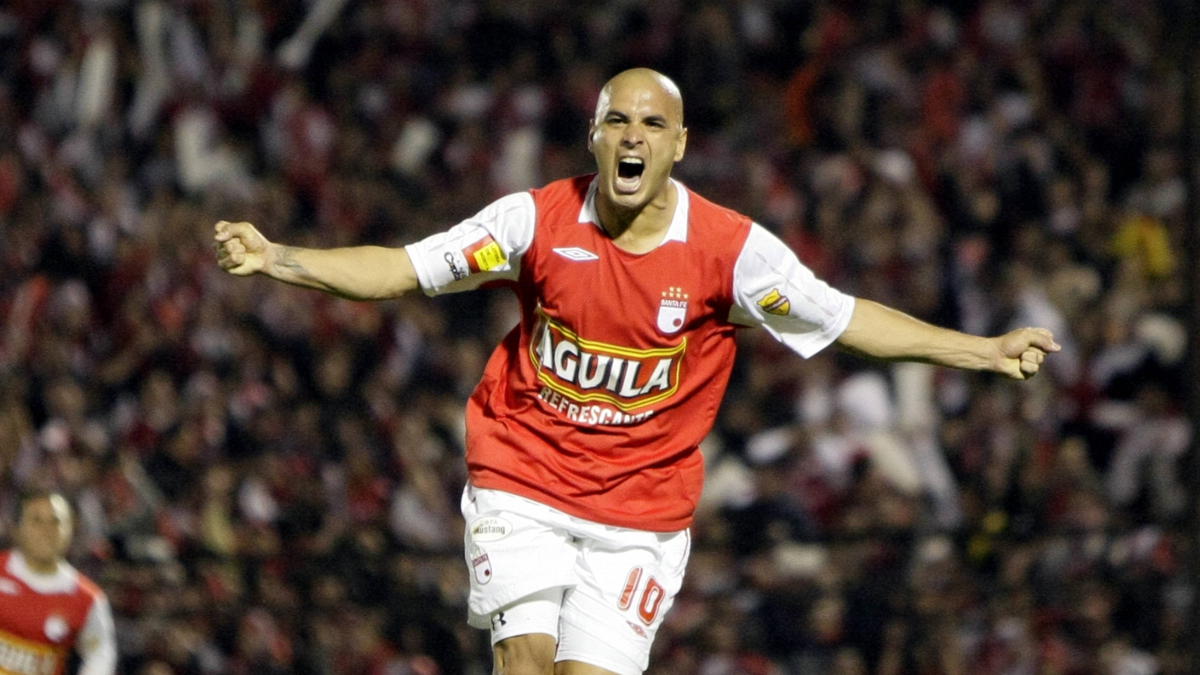
Franco Pérez, the promising midfielder and son of the iconic Independiente Santa Fe legend Omar Pérez, had initially been included in the preliminary squad released by the Colombian Football Federation (FCF). His name served as a focal point of interest for fans eager to see the next generation of footballing talent carry on the legacies of their predecessors. Yet, when the FCF published the definitive list of the 23 players selected for the training sessions, Pérez’s name was conspicuously absent.
This administrative adjustment—or technical decision—has left a void of information. As of now, the FCF has maintained silence regarding the specific reasons for the exclusion, leaving the sporting community to speculate on whether the move was due to a tactical preference, a disciplinary issue, or an unforeseen physical setback.
Chronology: From Celebration to Uncertainty
The timeline of these events has been rapid, fueling the intrigue surrounding the player’s status.
- November 2, 2026: The FCF officially announces the squad for the upcoming micro-cycle. The inclusion of Franco Pérez is widely celebrated in the media, highlighting his potential and his family’s deep connection to Colombian football history.
- November 3, 2026: The squad gathers in Bogotá at the FCF’s sports complex to begin training. Almost simultaneously, the official website of the FCF updates the list, showing 23 players. Franco Pérez is no longer on the roster.
- November 4, 2026: The news of his exclusion goes viral, as fans and journalists notice the discrepancy. Neither the coaching staff nor the federation provides a press release to explain the sudden shift, leading to the current state of uncertainty.
The Tactical Landscape: Preparing for Atlanta and Beyond
The current training camp in Bogotá is far more than a routine gathering; it is the cornerstone of a strategic plan aimed at the international stage. The U-19 squad is scheduled to travel to Atlanta, United States, to participate in an intense friendly tournament between November 10 and November 17.
For César Torres and his staff, the Atlanta tournament represents a "trial by fire." It is the perfect laboratory to test the resilience, adaptability, and technical depth of a squad that has seen significant turnover since the 2026 Central American and Caribbean Games.
Beyond the immediate horizon of the United States tour, the long-term goal is the 2027 South American U-20 Championship. This tournament is the primary objective in the FCF’s roadmap, designed specifically to ensure a smooth and effective generational transition within the senior national team. The pressure is mounting on the technical staff to identify a core group of players capable of competing at the highest level of South American youth football.
Analysis of the Squad: Talent and Global Connections
Despite the drama surrounding the midfield vacancy, the squad currently training in Bogotá reflects a diverse and globally connected group of players. The list of 23 includes talents from the most prestigious clubs in Colombian football—such as Atlético Nacional, América de Cali, Independiente Medellín, Santa Fe, and Junior—demonstrating the strength of the domestic youth development systems.
However, what truly stands out in this cycle is the intentional inclusion of players with international experience and those holding dual nationalities. This "globalization" of the youth squad is a clear signal that the FCF is casting a wider net than ever before.
Key international figures in the current squad include:
- David Meza: A player currently embedded in the youth ranks of the Spanish powerhouse Atlético de Madrid.
- Miguel Londoño: Hailing from the youth system of Espanyol de Barcelona, bringing a European tactical sensibility to the squad.
- Leandro Solarte: Represents the historic Argentine club Racing Club, adding a layer of South American grit and technical flair.
- Robinho Quinto: A talent developing within the ranks of River Plate, one of the most demanding academies in the world.
- Erik Londoño and Nicolás Arango: Both of whom bring experience from the rapidly growing youth football landscape in the United States.
The presence of these players underscores the competition for spots. The "rotational" policy implemented by coach Torres is designed to prevent complacency and ensure that every position on the field is contested by the best available talent, regardless of where they currently play their club football.
The Silence from the Federation: Why the Lack of Clarity?
In professional football, the omission of a high-profile youth player usually warrants an explanation, especially when the player is the descendant of a national icon. The lack of an official statement from the Colombian Football Federation has created a vacuum that is increasingly being filled by rumors.
Generally, such absences fall into three categories:

- Medical Concerns: Often, players are called up only for a medical team to discover a minor injury or fatigue that requires rest to prevent long-term damage.
- Club Obligations: Occasionally, a club may request that a player stay behind due to a crucial fixture in a local youth league or a need for the player to train with the senior squad.
- Tactical Realignment: The coach may decide after a single session—or even just through video analysis—that a specific profile is needed instead of the one previously identified.
However, the absence of an explanation in this instance is striking. It places undue pressure on the player, who is only at the beginning of his professional journey. Journalists and fans alike are calling for transparency, not necessarily because the exclusion is "wrong," but because the management of talent—particularly when it involves such recognizable names—requires clear communication to maintain the integrity of the selection process.
Implications for the Future of Colombian Youth Football
The situation involving Franco Pérez serves as a microcosm of the challenges facing Colombian youth football. As the FCF pivots toward a more international approach, the pressure to balance local development with the recruitment of dual-nationality players becomes more pronounced.

The integration of players from clubs like Atlético de Madrid and River Plate is a massive boost for the quality of the national team, but it also increases the competitive threshold. For players like Pérez, who are based in the local ecosystem, the path to the national team is increasingly narrow.
Furthermore, the "generational relay" mentioned by the federation is not just a slogan; it is an urgent requirement. With the 2027 South American Championship approaching, the margin for error is shrinking. The coaching staff is under the microscope to produce results that justify the investment in these extensive training cycles.

Conclusion: A Waiting Game
As the U-19 squad continues its rigorous sessions in Bogotá, all eyes remain on the training pitch. While the squad prepares for the logistical and physical challenges of the Atlanta trip, the absence of Franco Pérez will continue to be a point of discussion.
For the coaching staff, the mission remains unchanged: identify the best 23 to represent the nation. For the fans, the hope is that this episode is merely a footnote in the development of a talented player, and that the FCF will eventually provide the clarity needed to close this chapter.

The path to the 2027 South American Championship is long, and as this week has shown, the road to the national team is rarely a straight line. The dedication shown by the current group in Bogotá suggests that, regardless of the individual changes in the roster, the commitment to building a formidable Colombian side is stronger than ever. The international stage in Atlanta will provide the first real test of whether this strategy—and this specific group of players—has the mettle to succeed on the continent’s biggest stages.