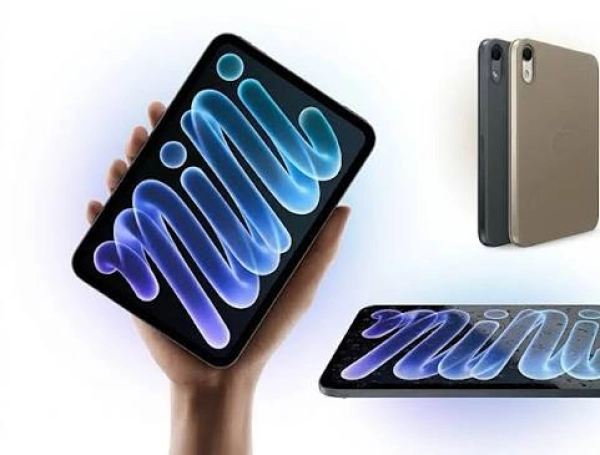
After a two-year hiatus, Apple has finally refreshed its most compact and arguably most beloved tablet format. The newly announced iPad mini (2026) arrives with a series of long-awaited, highly anticipated hardware upgrades—most notably a transition to OLED display technology and the integration of the ultra-powerful A20 Pro processor, the very same silicon driving Apple’s flagship iPhone 18 lineup.
Scheduled to hit global retail shelves on November 6, 2026, this device represents a massive generational leap for the compact tablet category. However, these substantial improvements come with a catch: a higher price tag. The base configuration, which now starts at 128 GB of storage alongside Wi-Fi connectivity, carries a starting price of $699 USD—representing a $100 increase over the launch price of its 2024 predecessor.
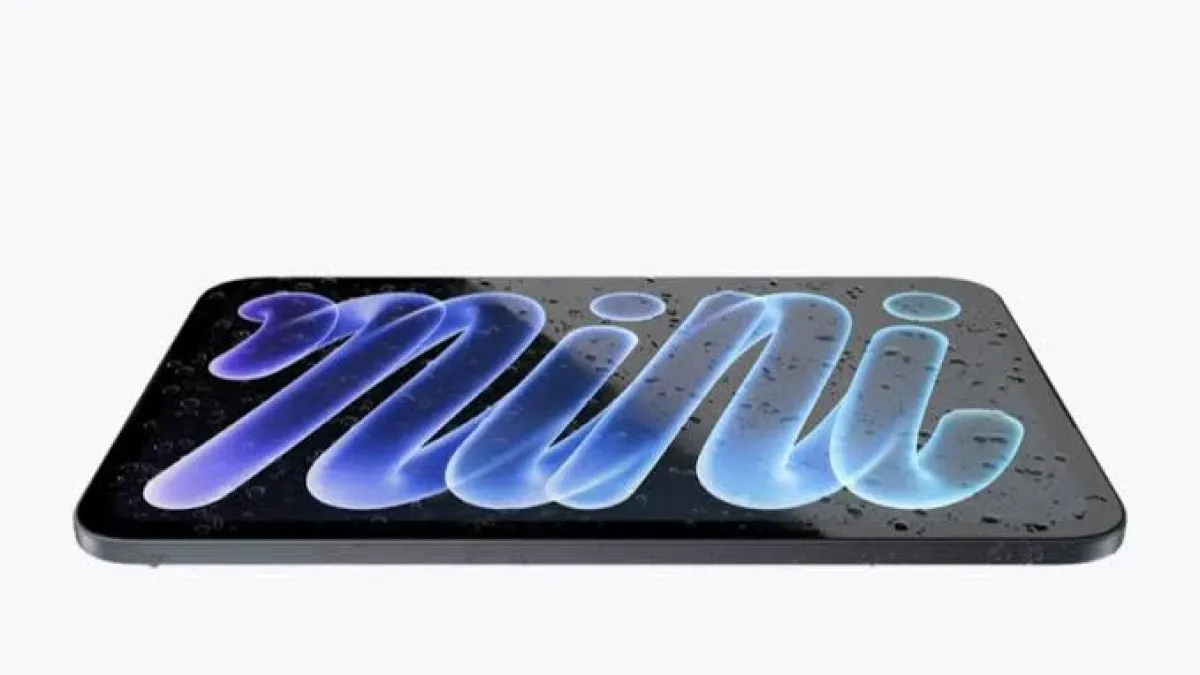
As technology consumers weigh the value proposition of Apple’s latest ecosystem offering, the core question is no longer whether the new iPad mini is superior to past models—it is undeniably better in almost every measurable way—but rather whether these high-end specifications justify the heavier financial investment for the average user.
Main Facts: What’s New in the 2026 iPad Mini?
The 2026 iteration of the iPad mini introduces a radical redesign that impacts both its external form factor and its internal architecture. Apple has managed to pack desktop-grade processing power and cinematic display technology into an enclosure that is even lighter and thinner than before.

1. The Transition to OLED Technology
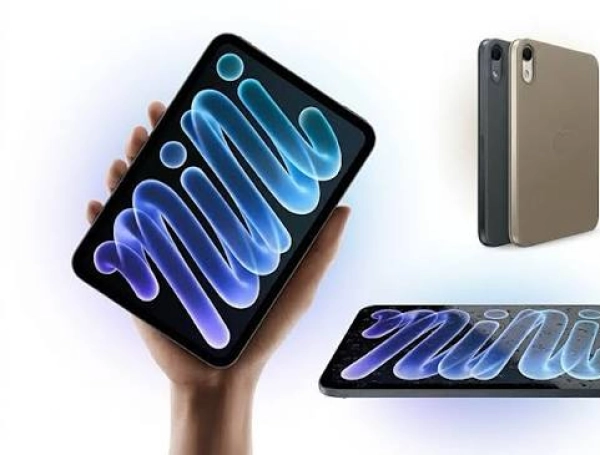
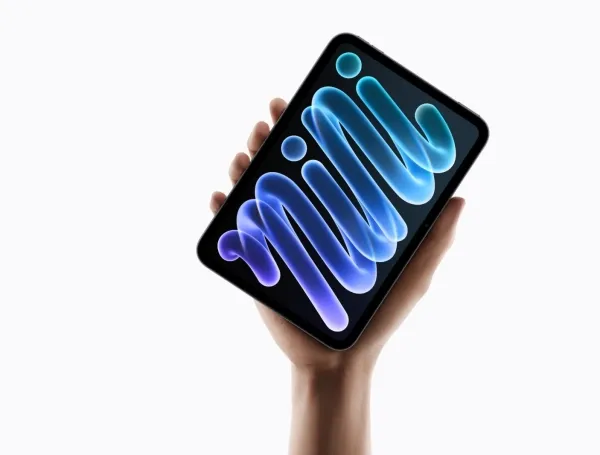
For years, tech enthusiasts clamored for Apple to bring OLED screens down to the iPad mini lineup. The wait is finally over. The device transitions from an 8.3-inch LCD panel to a vibrant 8.5-inch OLED display. Thanks to a 24 percent reduction in bezel size, the screen real estate has expanded while the overall footprint remains compact.
The visual improvement is immediate and striking. Deep, true blacks, infinite contrast ratios, and significantly higher peak brightness in HDR mode transform the consumption of media, gaming, and document reading. Whether consuming video content during a long-haul flight or reading an e-book in a dark room with dark mode enabled, the user experience is drastically elevated. It is worth noting, however, that Apple has opted to keep the refresh rate at 60 Hz, reserving its fluid ProMotion (120 Hz) technology exclusively for the higher-end iPad Pro models.

2. The A20 Pro Engine: Desktop Power in a Mini Form
Perhaps the most headline-grabbing feature of the 2026 iPad mini is its “brain.” Apple has equipped the tablet with the A20 Pro chip—manufactured on an advanced 2-nanometer architecture—shared directly with the iPhone Duo and the iPhone 18 Pro and Pro Max.
According to Apple’s performance metrics, the A20 Pro delivers up to a 60 percent increase in multi-core performance and an astonishing 2.7 times more graphic power than the A17 Pro chip found in the previous generation. In practical, everyday use, this translates to effortless multitasking, the ability to run heavy creative suites (such as Adobe video editing tools), and the seamless execution of local Artificial Intelligence (AI) large language models directly on the device without cloud latency. Early performance tests show the tablet chewing through graphically intense mobile gaming and 4K video rendering without thermal throttling or stutter.
3. Sleeker Design, Durability, and "Acoustic Display" Innovation
Physically, the device has slimmed down to an ultra-thin 5.4-millimeter chassis and weighs a mere 255 grams. This reduction in weight makes prolonged one-handed reading or gaming sessions significantly more comfortable.
In a surprise move that few industry analysts predicted, Apple has also introduced an IP67 water-resistance rating to the iPad mini—a first for any iPad in history. The tablet can survive being submerged in up to one meter of fresh water for up to 30 minutes. To achieve this level of sealing, Apple completely removed the traditional speaker grilles. Instead, it utilizes an innovative "Acoustic Display" technology that routes audio vibrations directly through the screen glass itself.

Furthermore, full compatibility with the Apple Pencil remains, cementing the device’s utility for digital artists, note-takers, and mobile professionals looking for a robust canvas to capture ideas on the fly.
Chronology: The Evolution to the 2026 Paradigm
To fully understand the significance of the 2026 iPad mini, it is helpful to look back at the timeline of Apple’s compact tablet line and the technological milestones that paved the way for this release:
- September 2021: Apple launches the iPad mini (6th generation) featuring a major redesign with an 8.3-inch LCD screen, flat edges, USB-C, and the A15 Bionic chip, setting a new aesthetic standard for the line.
- October 2024: A minor spec-bump refresh arrives, keeping many fans wanting more as competitors push forward with OLED panels and higher processing thresholds. Speculation regarding an OLED model begins in earnest.
- September 2026: Apple unveils the iPhone 18 lineup, introducing the groundbreaking A20 Pro processor built on a 2-nanometer node. Concurrently, rumors confirm that this silicon will power upcoming autumn tablet refreshes.
- October 24, 2026: Apple expands its smart ecosystem framework ("Home Collection"), signaling a heavy push toward interconnected, localized hardware capabilities.
- October 27, 2026: Apple addresses consumer feedback regarding screen crease durability issues on the folding iPhone Duo, reassuring the market of its commitment to structural hardware integrity ahead of major device rollouts.
- November 3, 2026: Official global media reviews drop for the iPad mini OLED (2026), highlighting its A20 Pro integration, IP67 water resistance, and the jump to an 8.5-inch OLED screen.
- November 6, 2026: The official commercial release date for the iPad mini (2026) in global retail markets, with base pricing starting at $699 USD.
Supporting Data and Pricing Analysis
The fiscal strategy behind the 2026 iPad mini reflects broader macroeconomic pressures and the rising cost of advanced component manufacturing—specifically mobile OLED panels and 2nm semiconductor wafers.
| Feature / Metric | Previous Generation (iPad mini 2024) | New iPad mini (2026 OLED) |
|---|---|---|
| Display Type | LCD | OLED |
| Screen Size | 8.3 inches | 8.5 inches (Reduced bezels by 24%) |
| Processor | A17 Pro | A20 Pro (2nm architecture) |
| Base Storage | 64 GB / 128 GB options | Standardized at 128 GB |
| Base Price (Wi-Fi) | $599 USD | $699 USD |
| Water Resistance | None | IP67 (Up to 1m for 30 minutes) |
| Thickness / Weight | Standard slim chassis | 5.4 mm / 255 grams |
| Audio Technology | Traditional stereo speakers | Acoustic Display (Sound through screen) |
Regional Market Impact (Colombia and Latin America)
While Apple has not yet published official local pricing structures for Latin American markets like Colombia, direct currency conversions combined with standard import duties, local value-added taxes, and logistics markups mean that the device will comfortably surpass the three-million-peso mark. For regional buyers, the financial barrier to entry is substantial, forcing consumers to carefully evaluate whether the generational leap is worth prioritizing over standard laptop or smartphone upgrades.

Official Responses and Industry Context
Apple’s engineering and product design teams have emphasized that the 2026 iPad mini was built to bridge the gap between casual consumption and high-performance mobile computing. In official product briefings, executives pointed to the unique engineering challenge of eliminating speaker grilles to attain IP67 water resistance without sacrificing audio output fidelity—a feat accomplished via the Acoustic Display system.
Industry analysts have noted that the integration of the A20 Pro chip into a form factor smaller than an 11-inch tablet signals Apple’s broader strategy: ensuring that localized Artificial Intelligence workloads (Apple Intelligence) can run smoothly across all premium form factors, not just flagship smartphones and large tablets.

However, tech critics have pointed out the omission of ProMotion (120 Hz) as a notable limitation, especially given the $699 price point. Competitors in the Android tablet ecosystem often offer higher refresh rates at lower price points, though they rarely match the raw single-core and multi-core processing dominance offered by Apple’s A-series Pro silicon.
Implications: Who Is This Device Really For?
The ultimate verdict on the 2026 iPad mini depends entirely on user workflow and mobility requirements. While it is unequivocally not a mandatory purchase for every consumer, its updated profile targets specific niches with surgical precision.

1. The Frequent Traveler and Avid Reader
For frequent flyers, commuters, and dedicated readers, the combination of a lightweight 255-gram frame, an expansive 8.5-inch OLED display, and newfound water resistance creates a compelling utility package. It fills the exact middle ground where standard smartphones feel too small for productive reading or media consumption, and standard laptops feel excessively bulky.
2. The Mobile Professional
Professionals who manage heavy text communication, email triage, basic document editing, and light content creation while on the move will find the A20 Pro processor to be an over-qualified engine that ensures future-proofing for years to come. It allows a professional to leave their heavy laptop at the office desk without sacrificing processing capability for on-the-go tasks.

3. The Verdict
The iPad mini OLED (2026) stands out as one of the most versatile and powerfully equipped compact devices Apple has ever manufactured. For existing iPad mini loyalists, the transition to OLED and the inclusion of the A20 Pro make this an upgrade worth making "blindly." For laptop users, it serves as the ultimate secondary companion device—capable of handling high-level mobility and productivity tasks without missing a beat.