By José Carlos García R., Multimedia Editor
Published: October 31, 2026
Main Facts
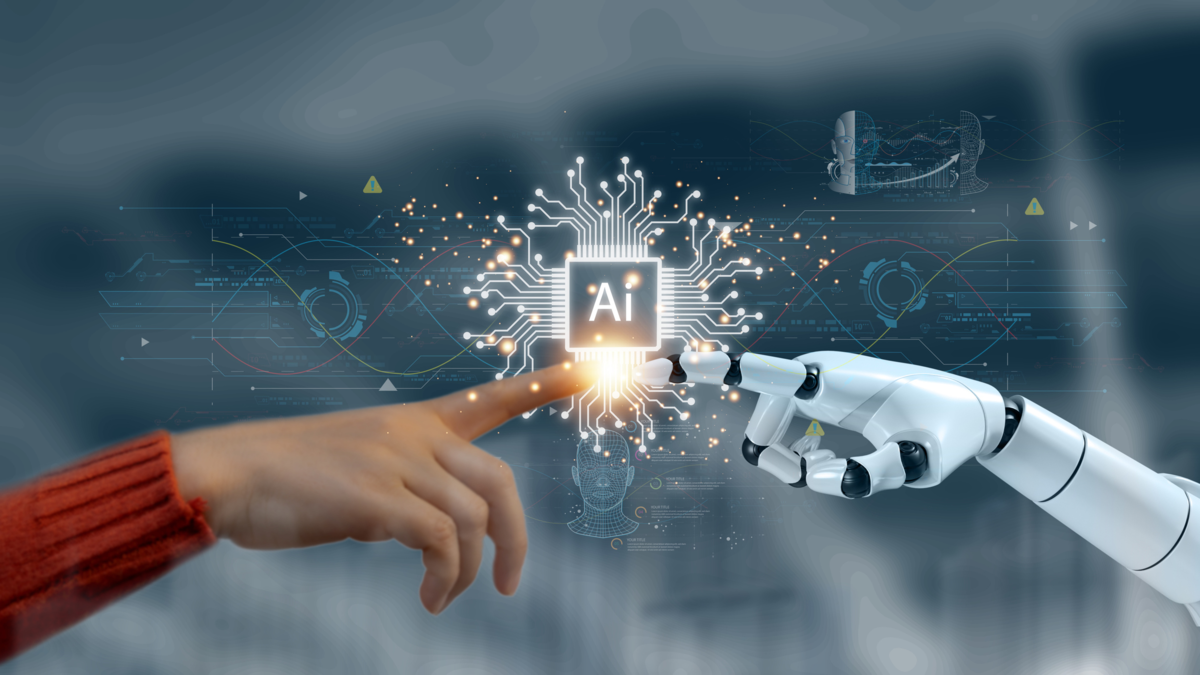
Week after week, the technological landscape shifts under the weight of unprecedented breakthroughs. In years of covering the tech sector, I have witnessed no innovation cycle as vertiginous, disruptive, and culturally pervasive as the current age of Artificial Intelligence. Yet, alongside monumental leaps in productivity, medicine, and data analysis, a quieter, more alarming trend is taking root: the migration of human affection toward silicon and algorithms.

Recent insights from pioneering MIT researcher Sherry Turkle, highlighted in her latest book Artificial Intimacy, sound a critical alarm. After four decades of studying human-screen interaction, Turkle warns that society is sleepwalking into a dangerous emotional dependency on chatbots. Driven by sophisticated marketing and human loneliness, users increasingly treat AI models as "friends," "counselors," or even "romantic partners."
The core issue lies in an artificial simulation of empathy. When a language model uses vector calculations to output phrases like "I understand you," "I am here for you," or "I care about what you’re saying," it crosses a subtle yet profound psychological line. Machines do not suffer, they do not fear death, they harbor no consciousness, and they possess no soul. Yet, our brains—hardwired for social connection—easily fall for the mirror, creating false scenarios of mutual emotional investment.

Chronology: The Evolution of Human-Machine Interaction
To understand how we arrived at an era where people seek emotional refuge in code, it is vital to trace the historical progression of computing:
- The Utility Era (1950s–1990s): Computers and early programs were strictly tools for calculation, automation, and data processing. Interaction was mechanical, transactional, and devoid of persona.
- The Social Media and Interface Shift (2000s–2010s): Digital platforms transformed technology into a medium for human-to-human connection. However, screens began capturing human attention for prolonged periods, laying the groundwork for modern digital isolation.
- The Generative AI Boom (Early 2020s): Large Language Models (LLMs) emerged, capable of mimicking conversational nuances, tone, and contextual empathy. Technology shifted from a passive tool to an active conversational partner.
- The Era of Artificial Intimacy (2024–Present): Companies began designing AI companions specifically targeted at alleviating loneliness. Features like voice replication, memory retention, and persistent availability transformed chatbots into pseudo-relationships, sparking severe debates among psychologists, ethicists, and technologists regarding mental health.
Supporting Data and Expert Perspectives
The psychological implications of "artificial intimacy" are supported by a growing body of research on loneliness, digital consumption, and cognitive development.

- The Echo Chamber of Silicon: Unlike human friends, family members, or romantic partners—who bring their own boundaries, flaws, and independent viewpoints—AI companions are programmed to please. They rarely challenge core assumptions and almost always validate the user’s impulses. Over time, this erodes an individual’s resilience to manage real-world interpersonal conflict.
- Vulnerability in Youth: Minors and adolescents represent the demographic at highest risk. With developing brains and unformed emotional toolkits, younger generations are uniquely susceptible to the illusion of unconditional algorithmic validation.
- Turkle’s Radical Proposal: Among the most provocative ideas to emerge from modern sociology is Turkle’s call to prohibit artificial intelligence from using the first-person pronoun ("I" or "me"). Proponents of this measure argue that stripping away first-person language would serve as a constant, necessary reminder to the user: You are interacting with a sophisticated tool, not a sentient being.
Official Responses and Industry Discourse
As the boundary between utility and emotional manipulation blurs, regulatory bodies, academic institutions, and tech developers are facing mounting pressure to establish ethical boundaries.
- The Academic Community: Psychologists and cognitive scientists worldwide are increasingly publishing guidelines on "healthy tech habits," urging educators and parents to monitor children’s interactions with conversational agents. Academic consensus stresses that while AI can tutor mathematics or draft code, it must not be positioned as an emotional caregiver.
- Tech Developers and Ethics Boards: While companies market AI companions as safe outlets for loneliness, consumer advocacy groups are demanding stricter transparency labels. Proposals include mandatory disclaimers every time a conversational session begins, reminding users that the entity on the screen has no feelings.
- Media and Cultural Critics: Editors and public intellectuals are pushing back against the "humanization" of software in corporate advertising campaigns, arguing that tech companies have a moral obligation not to monetize human vulnerability and isolation.
Implications for the Future of Society
If society continues down the path of outsourcing emotional needs to algorithms, the long-term cultural and psychological fallout could be profound.

1. The Atrophy of Social Resilience
Human relationships are inherently messy. They require compromise, forgiveness, patience, and the ability to navigate friction. By retreating into relationships with AI companions that demand nothing and validate everything, individuals risk losing the emotional muscles required to sustain genuine community and partnership.
2. The Epidemic of Modern Loneliness
Paradoxically, the more connected we are to digital devices, the more isolated society feels. Relying on a chatbot for comfort does not cure loneliness; it merely masks the symptom while worsening the underlying disease. True comfort requires reciprocal vulnerability—something silicon can simulate, but never genuinely experience.
3. Redefining the Boundaries of AI
Artificial intelligence must remain precisely that: artificial intelligence. It is a phenomenal catalyst for productivity, a creative partner for brainstorming, and a powerful engine for scientific and analytical discovery. It does not deserve our love, nor is it equipped to receive our grief, joy, or trust.
Conclusion
As citizens, educators, and technology consumers, we carry a profound pedagogical duty. We must remind our children, our colleagues, and our friends that no algorithm—no matter how eloquent, responsive, or personalized—can ever replace the irreplaceable value of a human gaze, the warmth of a real touch, and the unpredictable beauty of authentic sentiment.

The reality of our world demands our presence. It is time to step away from the illusion of fictitious empathy and reinvest in the beautifully imperfect art of human connection.