Technology Desk
Published: September 14, 2026
Updated: September 14, 2026
Main Facts
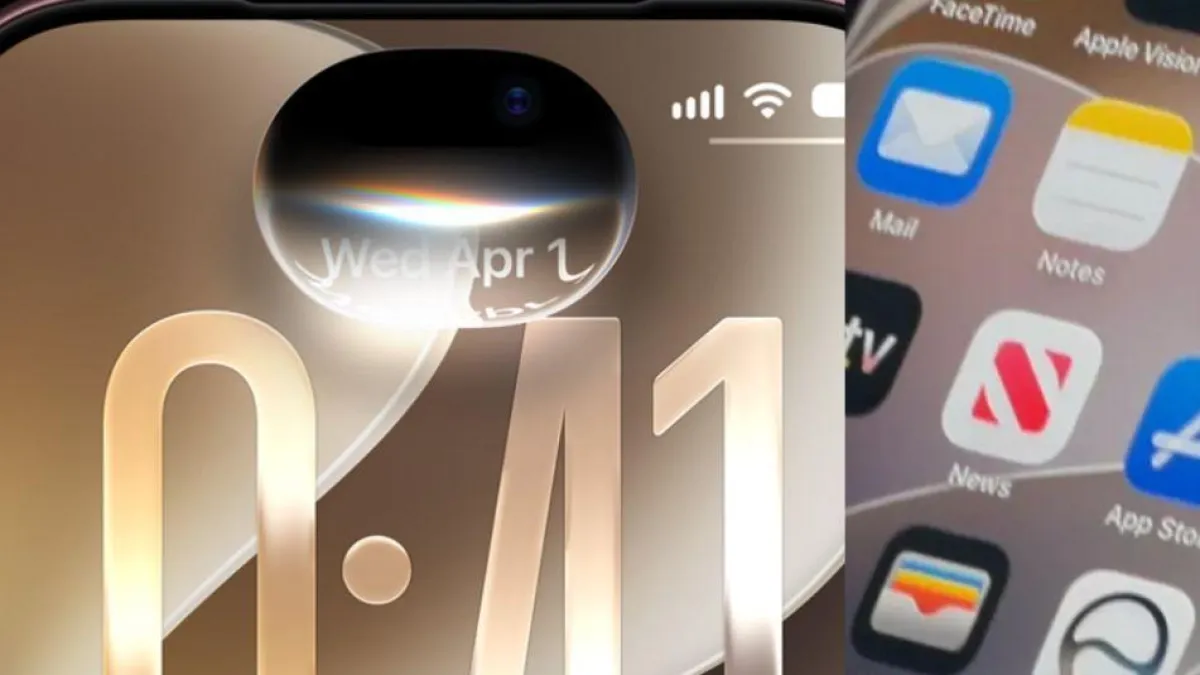
Following a rigorous three-month beta testing phase, Apple has officially rolled out iOS 27.0 to compatible iPhone models worldwide. Promising a return to the robust stability that users felt was missing from its predecessor, this major software update introduces a sweeping array of performance enhancements, visual customizations, and profound artificial intelligence integrations powered by Apple Intelligence.
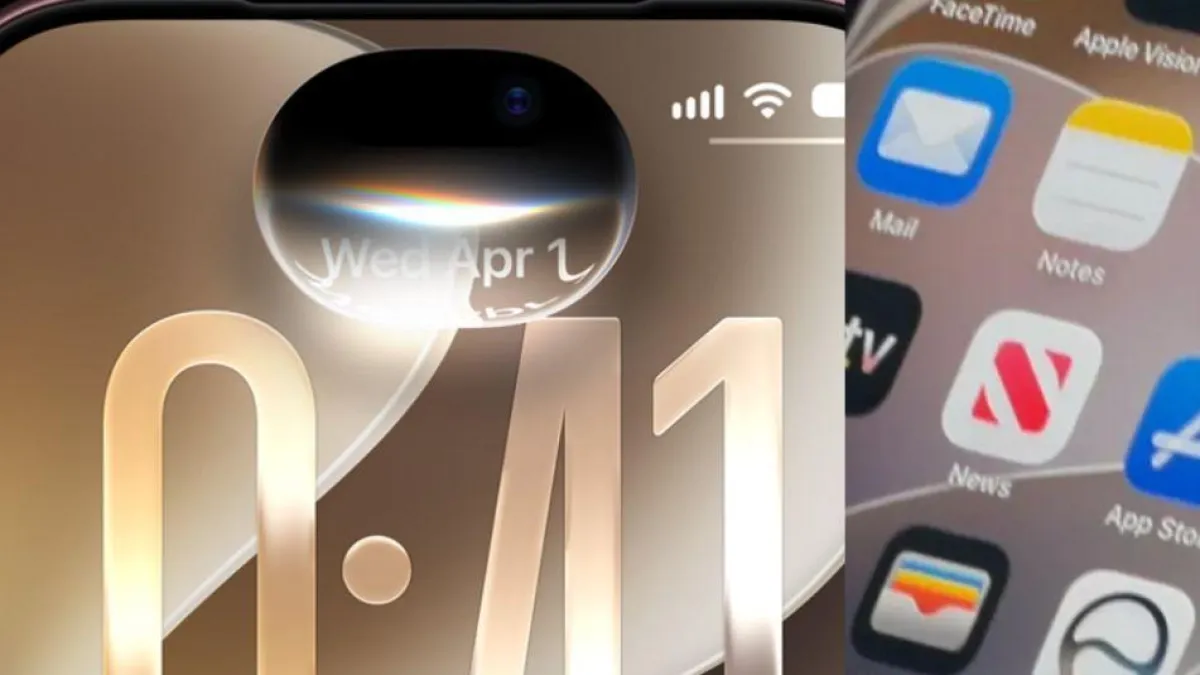
While Apple did not disclose a precise hour for the global deployment, the software rollout follows the company’s traditional release schedule, varying by regional time zones. Beyond mere bug fixes, iOS 27.0 delivers marked improvements in overall system speed, smoother application execution, and significantly faster file transfers via AirDrop.
Key highlights of the iOS 27 release include:

- The Liquid Glass Redesign: Introduction of a new user-adjustable control slider to customize interface transparency and elements.
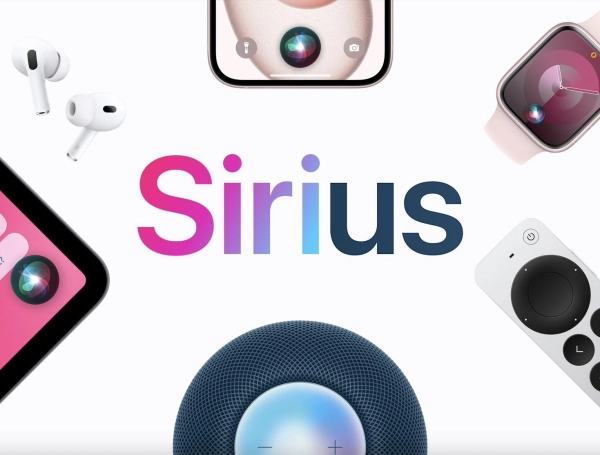
- Next-Generation Siri: A revamped, conversational AI assistant functioning as an independent chatbot.
- Apple Intelligence Upgrades: Enhanced photo realism in Image Playground, an AI-powered object remover, and smart re-framing tools.
- Smart Safari Notifications: Predictive tracking for price drops and e-commerce fluctuations.
- Advanced Password Management: Secure, AI-assisted bulk password updates directly from the system settings.
- Custom Wallet Passes: Expanded creation capabilities for digital boarding passes, loyalty cards, and event tickets natively within the Wallet app.
Chronology of the Release
The journey toward iOS 27.0 began months ahead of the September launch, following a structured timeline designed to ensure optimal hardware-software synchronization:
- June 2026: Apple first unveils iOS 27 during its Worldwide Developers Conference (WWDC), showcasing the controversial Liquid Glass interface and the early architecture of its expanded AI capabilities.
- June – September 2026: A three-month public and developer beta testing window allows engineers to address stability concerns, refine user feedback regarding interface design, and optimize memory management.
- September 9, 2026: Apple holds its annual hardware keynote, announcing the official launch date for iOS 27 alongside new hardware additions, including the revolutionary iPhone Duo foldable device and the iPhone 18 Pro lineup.
- September 14, 2026: iOS 27.0 officially drops globally, becoming available for download to millions of compatible iPhone users worldwide.
Supporting Data and Deep Dive into Features
The deployment of iOS 27.0 is not just an incremental security patch; it represents a fundamental shift in how users interact with their mobile hardware. Below is a detailed breakdown of the features reshaping the ecosystem:

1. Interface Customization: Taming "Liquid Glass"
In previous software iterations, Apple’s aesthetic choice known as Liquid Glass drew mixed reviews from the consumer base, with many arguing that the translucent visual layers compromised readability. Responding directly to user feedback, iOS 27 introduces a granular control slider. Users can now fine-tune the opacity, blur intensity, and overall behavior of the interface elements to match their personal ergonomic and visual preferences.
2. The Evolution of Siri and Apple Intelligence
Perhaps the most anticipated pillar of the update is the integration of advanced conversational AI. Siri has evolved from a basic voice command tool into a sophisticated chatbot comparable to major external models like ChatGPT and Gemini.
- Cross-App Context: The new Siri can safely parse personal data across multiple native applications—including Messages, Mail, and Calendar—to execute complex, multi-step queries on behalf of the user.
- Language Rollout Strategy: During the initial launch phase on September 14, the advanced AI-powered Siri will be available exclusively in English. Support for Spanish and other regional languages is officially slated to arrive via a subsequent software patch in October.
- Hardware Limitations: In alignment with Apple’s hardware mandates established two years prior, these advanced AI features remain exclusive to the iPhone 15 Pro, iPhone 16 series, and subsequent hardware generations (such as the newly announced iPhone 18 Pro and iPhone Duo).
3. Creative Tools and Photography
Apple Intelligence breathes new life into the device’s camera and media suite:
- Image Playground: Generates significantly more realistic photographs natively on-device, bypassing the need for heavy external rendering apps.
- Smart Editing: Features an advanced object remover that seamlessly erases unwanted background elements while automatically filling in texture, alongside intelligent re-framing suggestions.
4. Safari, Security, and Wallet Enhancements
- Smart Browser Alerts: Safari now includes predictive notification features capable of monitoring retail pages, alerting users in real-time when tracked products experience price drops or fluctuations.
- Bulk Password Updates: Security management receives an AI boost, allowing users to safely update multiple vulnerable or recycled passwords simultaneously through the security application. Apple has emphasized that despite the automated nature of the tool, encryption standards remain uncompromised.
- Wallet Flexibility: The Apple Wallet app steps beyond traditional credit card and transit card storage, allowing users to custom-design and generate their own digital passes for local events, small venues, or private gatherings that lack native Apple Wallet integration.
Official Responses and Industry Context
Apple representatives have heavily emphasized system stability in their official communications regarding iOS 27. Following user complaints regarding performance bottlenecks in late 2025 software deployments, corporate engineering teams focused heavily on core optimization.

"Our primary objective with iOS 27 was to marry cutting-edge artificial intelligence with absolute rock-solid reliability," noted a Cupertino software lead during the briefing. "We listened closely to our developer community and our global user base during the beta cycle to ensure that speed, thermal management, and battery efficiency were elevated across the board."
Industry analysts view iOS 27 as a critical defensive and offensive maneuver for Apple, arriving concurrently with the commercial rollout of the company’s long-awaited foldable smartphone, the iPhone Duo, and the flagship iPhone 18 lineup. By tying deep AI features directly into its proprietary silicon and software ecosystem, Apple aims to maintain its competitive edge against dominant Android manufacturers.
Implications for Users: Compatibility and Installation
Device Compatibility
Not all legacy devices will make the transition to iOS 27.0. Apple has formally discontinued software support for older hardware iterations running obsolete chipsets incapable of handling the complex demands of the new architecture. Users possessing compatible devices can proceed with the update immediately. (Note: Specific compatibility lists should be cross-referenced directly through Apple’s official support portal).
Step-by-Step Installation Guide
Updating your iPhone to iOS 27 is a straightforward process, though download times may vary depending on regional server traffic and internet connection speeds:

- Preparation: Ensure your iPhone has at least 20% battery charge or is actively connected to a power source. It is also strongly recommended to back up your device via iCloud or a local computer before initiating the update.
- Access Settings: Open the Settings application from your home screen.
- Navigate to General: Tap on General, then select Software Update.
- Download and Install: The system will check for available updates, displaying iOS 27.0. Tap Update Now or Update Tonight and follow the on-screen authentication prompts to complete the installation.
Stay informed on all major technology breakthroughs by subscribing to our weekly newsletter, and follow continuous coverage on EL TIEMPO’s digital platforms.