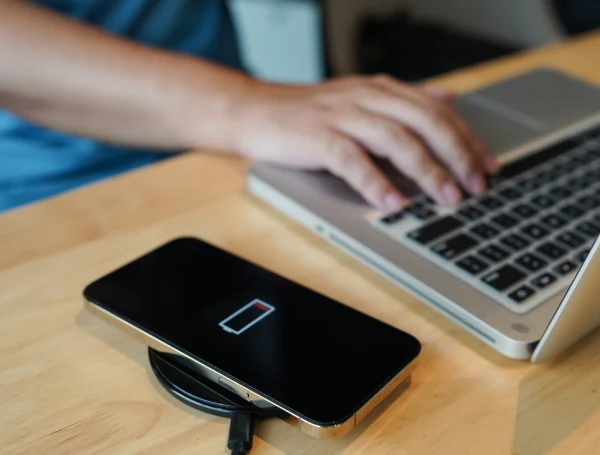
Every day, billions of people across the globe perform a ritual as mundane as it is essential: plugging in their smartphones. It is an act so ingrained in our daily routine that we rarely give it a second thought. However, experts in consumer electronics and power management warn that we have been doing it wrong for years. The sequence in which you connect your charger to the wall and your device to the cable is not merely a matter of convenience; it is a critical factor in the long-term health of your phone’s internal circuitry and the longevity of its lithium-ion battery.
While it may seem like a trivial detail, the physics behind power transmission dictates that the order of operations matters. Failing to follow the correct sequence can lead to premature degradation of charging ports, internal micro-surges, and the accelerated aging of your device’s most expensive components.
The Correct Sequence: A Technical Protocol for Longevity
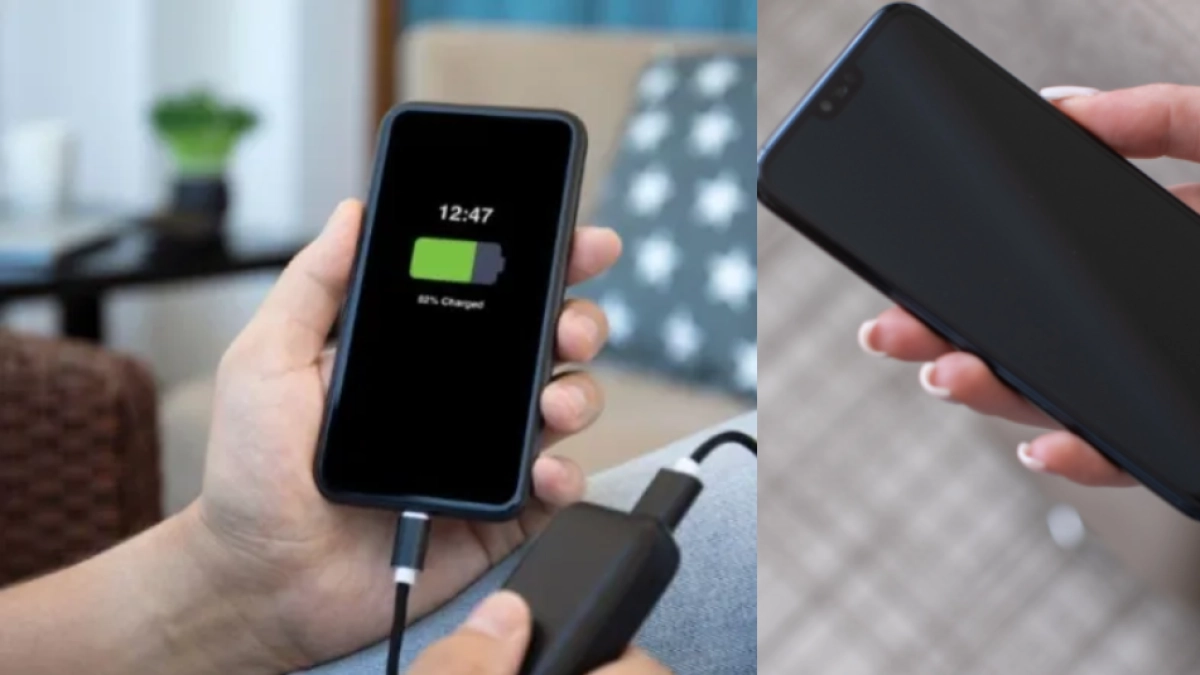
To mitigate electrical and mechanical risks, there is a specific, technically recommended sequence for charging your mobile devices. Because this process is governed by the principles of electrical flow and voltage stabilization, users should adhere to the following protocol to ensure the safety and longevity of their technology:
- Energize the Adapter First: Always plug your power adapter (the "brick") into the wall outlet before connecting the cable to your phone.
- Connect the Device Second: Only once the adapter is securely in the outlet and has had a fraction of a second to stabilize its voltage should you insert the cable into your smartphone.
- Reverse the Process for Disconnection: When the charge is complete, remove the cable from the phone first, and then unplug the adapter from the wall.
This simple reversal of habits creates a controlled environment for the flow of electricity, shielding your device from the "inrush current"—a brief, high-energy surge that occurs when a circuit is first closed.

The Technical Explanation: Understanding Power Spikes and Micro-Arcs
The fundamental reason for this protocol lies in the stability of electrical flow. When you plug the charger into the wall first, the device’s internal components—transformers, capacitors, and regulators—are energized in a controlled state. These systems are specifically designed to regulate and stabilize the voltage before it ever touches your phone.
The Dangers of "Hot Plugging"
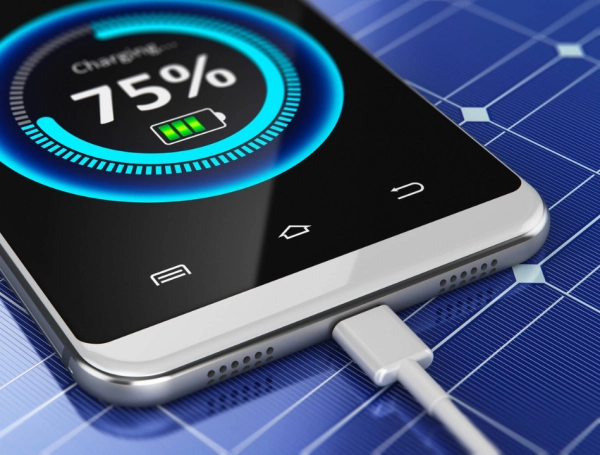
When you plug the cable into your phone before inserting the adapter into the wall, the device is subjected to a sudden, unregulated surge of electricity the moment the prongs touch the outlet. This is known as "hot plugging." While modern smartphones feature sophisticated power management integrated circuits (PMICs) designed to mitigate these spikes, they are not invincible. Over months and years of daily use, this repetitive, unnecessary electrical stress contributes to the gradual degradation of the phone’s motherboard and power-delivery pathways.
The Phenomenon of Micro-Arcs
Beyond voltage regulation, there is the issue of physical connectivity. The moment an electrical contact is made, there is a possibility of a "micro-arc"—a tiny, often invisible spark that occurs as the circuit closes. If the adapter is already live, the electrical potential is already present at the tip of the cable. Connecting this to the phone can lead to microscopic oxidation of the metal contacts.
In the case of older Lightning connectors, this damage is often visible as blackened or pitted pins, which eventually lead to intermittent charging or total connectivity failure. For USB-C ports, which are becoming the global standard, this risk is compounded by the accumulation of dust or lint within the port, where these micro-sparks can potentially cause localized heating or damage to the delicate internal pins.

The Role of Accessory Quality: Avoiding Generic Peripherals
The risk of electrical instability is amplified significantly when using generic, "knock-off" chargers. Original or certified third-party accessories are engineered with robust safety circuits that manage current flow, block overloads, and prevent short circuits—features that are frequently missing in budget-friendly, non-certified alternatives.
Using uncertified chargers is a gamble. These products often lack the necessary shielding to prevent electromagnetic interference and the internal safety switches to handle voltage fluctuations. Furthermore, leaving an old, low-quality charger plugged into a wall socket indefinitely is a recipe for internal component failure, which can eventually lead to overheating and, in extreme cases, electrical fires within the home’s power grid.

Complementary Habits for Battery Preservation
While the sequence of connection is a vital piece of the puzzle, it is only one aspect of responsible device management. To truly extend the life of your device, one must adopt a holistic approach to battery health. Lithium-ion batteries have a finite chemical lifespan, but you can significantly slow their degradation by following these industry-standard best practices:
1. Leverage Intelligent Charging
Most modern smartphones (both Android and iOS) now include "Optimized Battery Charging" or "Smart Charging" features. These tools learn your daily routine—for example, that you typically wake up at 7:00 AM. They will charge the phone to 80% and then pause, only finishing the final 20% right before you wake up. This minimizes the time the battery spends at a high-stress state of 100% charge, which is a major factor in chemical aging.

2. Temperature Management
Heat is the greatest enemy of the lithium-ion battery. Charging your phone in a hot car, under a pillow, or in direct sunlight can cause irreparable damage to the electrolyte solution within the cells. Always charge in a cool, well-ventilated area to maintain the integrity of the battery chemistry.
3. The 20-80% Rule
Contrary to popular belief, you do not need to charge your phone to 100% every time, nor should you let it drop to 0%. The "sweet spot" for lithium-ion longevity is keeping the battery between 20% and 80%. Staying within this range reduces the chemical stress on the battery’s anode and cathode, allowing it to maintain its capacity for a longer duration over the life of the phone.
4. Avoid Deep Discharges
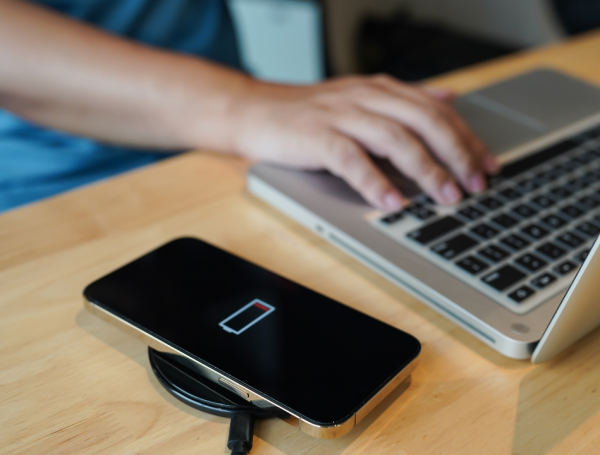
While modern batteries do not suffer from the "memory effect" of older nickel-cadmium batteries, they do suffer from deep-discharge stress. Allowing your phone to shut down completely due to a lack of power puts a significant strain on the battery’s voltage levels. If you find your phone regularly hitting 0%, you are effectively reducing its total cycle life.
Implications for the Consumer
The shift toward sustainable technology and the "Right to Repair" movement have highlighted that our habits as users are just as important as the quality of the manufacturing. By simply changing the order in which we plug in our devices, we contribute to a reduction in electronic waste. Devices that last longer stay out of landfills, and the cumulative impact of thousands of users practicing better power management is significant.

Official Perspectives and Industry Standards
Leading manufacturers like Apple, Samsung, and Google have long included guidelines in their manuals regarding the use of certified accessories and proper handling. While they may not always emphasize the "sequence" of connection, their engineering departments design the devices to operate within specific electrical tolerances. Adhering to these sequences is essentially staying within the manufacturer’s "safe operating area."
In conclusion, the next time you reach for your charging cable, take an extra two seconds to plug the adapter into the wall first. It is a small change that costs nothing but pays dividends in the long run, ensuring your device remains functional, efficient, and reliable for as long as possible. Your phone is a sophisticated piece of micro-engineering; treat it with the care that its complex architecture deserves.