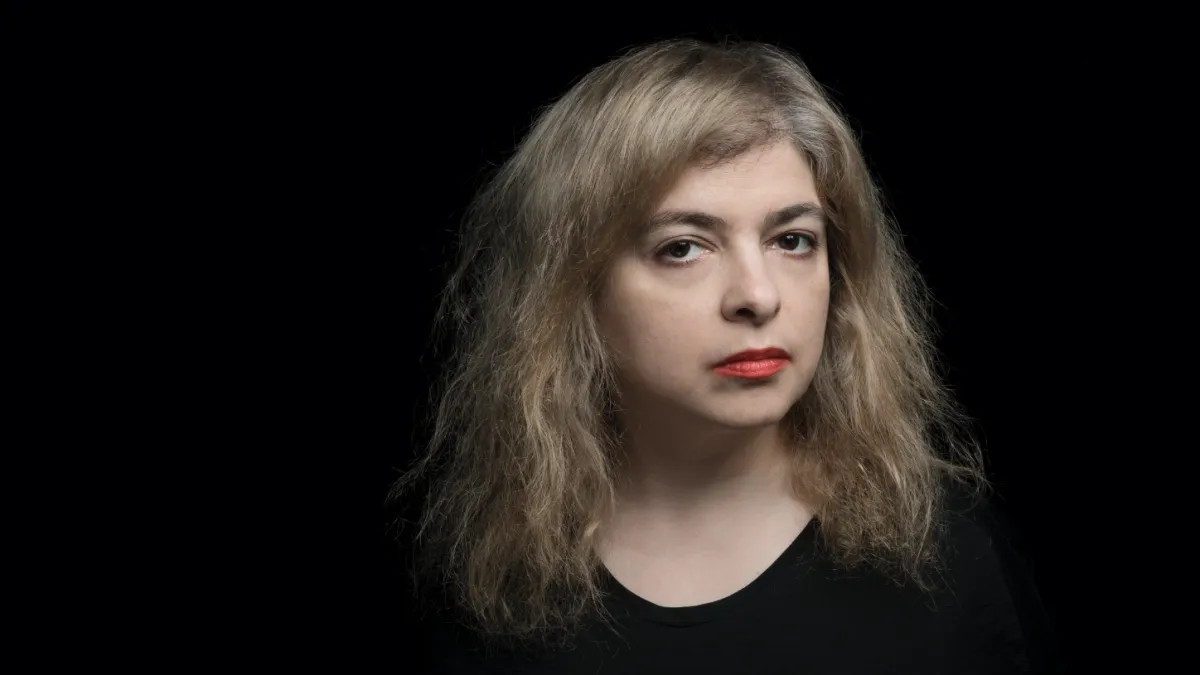
By Sofia Gomez G. – Culture Desk
July 18, 2026
In the landscape of global entertainment, the path for a Latin American actor to break into the inner circle of a creator like Vince Gilligan—the mastermind behind the television landmarks Breaking Bad and Better Call Saul—is often viewed as a statistical impossibility. For Colombian actor Carlos Manuel Vesga, the prospect of such a casting call was, by his own admission, “zero pollitos”—a colloquial way of saying absolutely none.
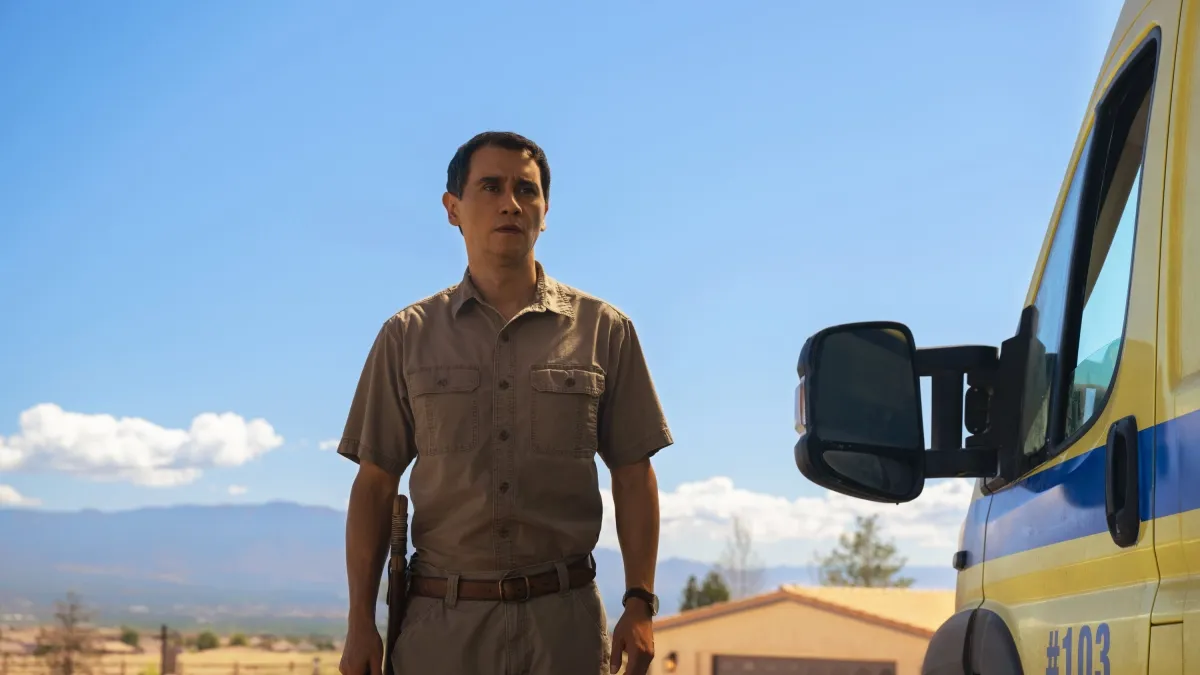
Yet, in a turn of events that feels more like a script written in a Hollywood writer’s room than reality, Vesga did not just audition; he was selected from a pool of 700 international aspirants to play Manousos Oviedo, a pivotal character in Apple TV’s critically acclaimed series Pluribus. Today, that journey has culminated in a milestone: a nomination for Best Supporting Actor at the Primetime Emmy Awards, placing him at the pinnacle of global television recognition.
The Genesis of a Global Narrative
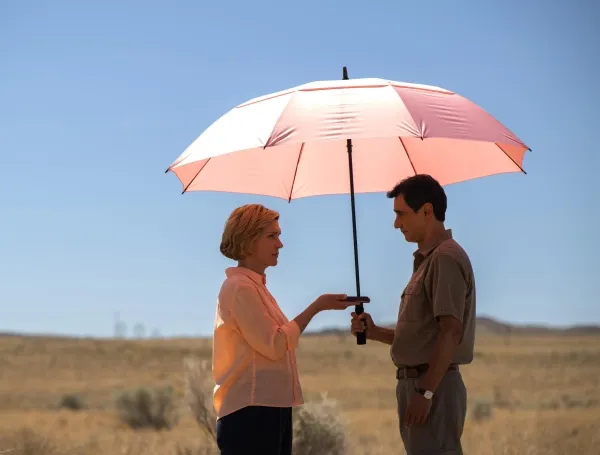
Pluribus, which premiered its first season in November 2025, has become a cultural phenomenon, sparking deep philosophical debates regarding free will and the ethical cost of a utopia devoid of conflict. The show, set against the backdrop of Albuquerque, New Mexico, follows the life of a writer, Carol Sturka (portrayed by the Emmy-nominated Rhea Seehorn), who navigates a world transformed by an extraterrestrial virus that renders the human population perpetually happy.

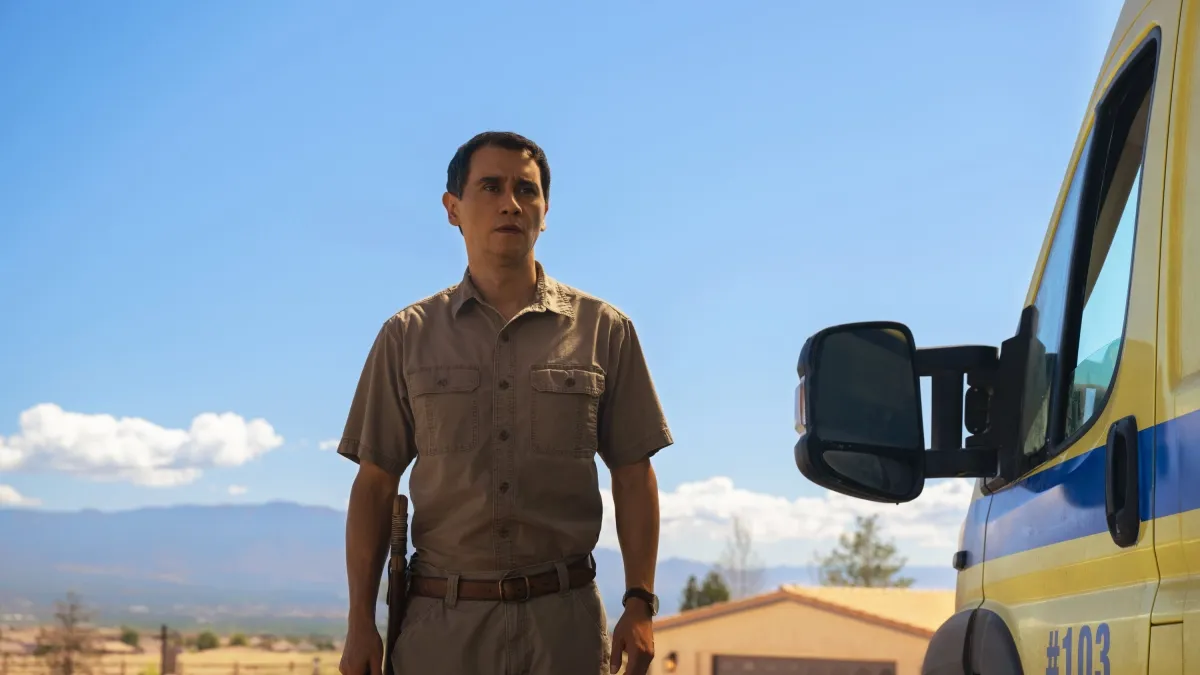
Vesga’s character, Manousos, serves as a grounded, haunting contrast to this artificial bliss. As the manager of a storage facility living in Paraguay, he is among the rare few who remain uninfected—and therefore, uniquely lonely. His character arc, which spans from a desperate journey starting in Asunción to the perils of the Darién Gap, has resonated deeply with audiences and critics alike.
A Chronology of Artistic Evolution
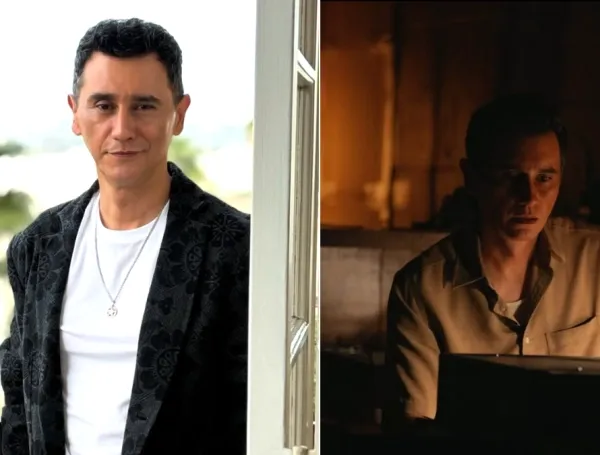
Carlos Manuel Vesga is no stranger to the craft of acting, though his rise to international prominence is a recent development. His career in Colombia began in the early 2000s, where he became a household name through roles in television staples such as Pobre Pablo, Mujeres Asesinas, and the biographical series Amor Sincero. His filmography, including projects like Soñar no cuesta nada and La pena máxima, showcased his versatility, but the Pluribus opportunity represented a seismic shift.
The Secretive Ascent
The production timeline for Pluribus was grueling. Filming concluded in November 2024, followed by a year of meticulous post-production. During this time, Vesga was bound by stringent non-disclosure agreements. “I was biting my nails, wanting to tell my best friend what had happened, but I couldn’t,” he recalls. Even when the series finally premiered in late 2025, he was limited in what he could disclose about the narrative depth of his character. This period of enforced silence, followed by the sudden global spotlight, describes what Vesga calls a "fairy tale with endless episodes."
The Weight of the Migrant Experience
At the heart of the conversation surrounding Pluribus is the portrayal of loneliness as a form of resistance. For Vesga, the character of Manousos provided a vessel to explore the profound, often unspoken trauma of the immigrant experience.
The Actor’s Perspective on Displacement
“I told Vince [Gilligan] and the team: you didn’t give me much information about his past, but you gave me one crucial detail: he is a migrant,” says Vesga. This single attribute allowed him to anchor the performance in a universal reality. Regardless of the reasons for leaving one’s homeland, the act of migration involves a shedding of identity.
Vesga speaks from personal experience, having lived in London and New York. He describes the "trauma of being mediated by a different language." Even when an immigrant finds success or comfort, the inability to express one’s "complete self" in a foreign tongue creates a specific type of solitude. “I have told my friends in London: I wish you knew me in Spanish, because you haven’t truly met me. In English, I am not the complete person I am in my native language,” he admits. This realization fueled his performance, making Manousos not just a character, but a reflection of the millions who live in the margins of foreign societies.
Linguistic Mastery and Performance Art
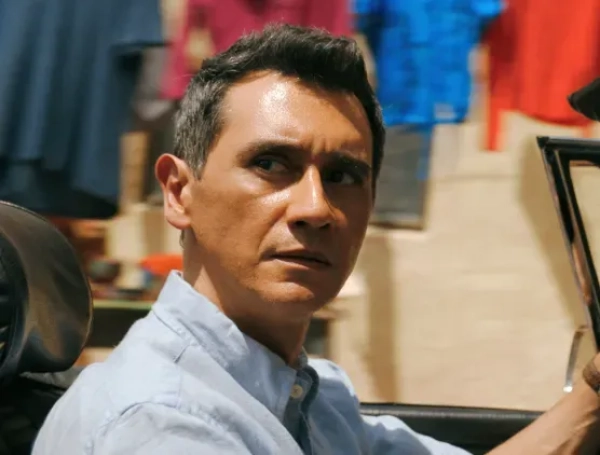
One of the most striking aspects of Vesga’s performance is his command of English, which has garnered praise for its nuance. He attributes this not merely to his time abroad, but to a lifelong fascination with the performative nature of language.
Growing up in a household steeped in music—his mother a choir director and his father a singer—Vesga learned early on to perceive language as a series of sounds to be imitated rather than just a structure to be studied. He recalls singing along to The Beatles without understanding the lyrics, focusing purely on phonetic accuracy. This early training allowed him to inhabit his roles with a linguistic fluidity that bridges the gap between the Colombian actor and the American screen.
Professional Dynamics on the Set of Pluribus
The transition to a major Hollywood production could have been intimidating, but the environment created by the Pluribus team proved to be a catalyst for his performance. Vesga recalls his first day on set, where he was greeted with a warm, inclusive reception from the crew.
“They called everyone together and said, ‘I want us to give a round of applause to our new friend, Carlos Manuel,’” he recounts. While the gesture was deeply moving, it also instilled in him a sense of profound responsibility to deliver excellence. He notes that the collaborative atmosphere allowed him to feel secure, preventing any "blockage" that might have otherwise arisen from the pressure of working with industry titans.

Implications: A Trailblazer for Latin American Talent
The nomination of Carlos Manuel Vesga for an Emmy is a watershed moment for Colombian and Latin American representation. While stars like Sofía Vergara have paved the way with multiple nominations, Vesga’s inclusion in the Best Supporting Actor category signals a broadening of the American industry’s gaze toward authentic international talent.
Staying Present
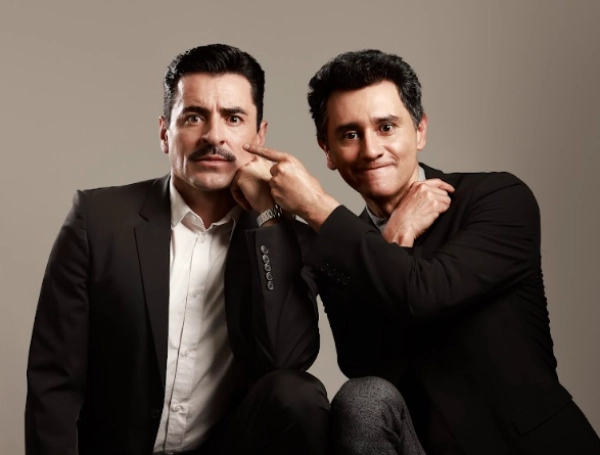
Despite the global accolades, Vesga remains anchored in his craft. Currently, he is performing in the play Por una nariz at the Teatro Nacional in Bogotá, alongside Rafael Zea. The play, which explores the intersections of politics, madness, and the human condition, has been described by the actor as a "collective delirium." He views this stage work as a vital counterbalance to the high-stakes world of Hollywood.

“I can die in peace now,” he jokes when asked about the significance of the Emmy nomination. However, his wife—his "rock" and his "wise advisor"—remains his grounding force, reminding him to stay present. “I am trying to do that exercise now: to be present, to enjoy the moment, and to remember the things that have happened to me, because they are truly surreal.”
As he prepares for the second season of Pluribus, which will take him back to the U.S. for an extended production period later this year, the industry watches with anticipation. Carlos Manuel Vesga is no longer just a Colombian actor; he is a testament to the fact that when talent meets opportunity, the boundaries of geography and language dissolve, leaving only the power of a compelling human story.