By Angie Rodríguez | Lifestyle & Trends Journalism
For generations, the standard protocol for pet ownership was largely reactive. Millions of pet parents across the globe would only load their dogs or cats into a carrier or vehicle when something went visibly wrong—a sudden limp, a bout of relentless vomiting, a hacking cough, or a complete refusal to eat. The veterinary clinic was historically viewed as a place of emergency and treatment, reserved strictly for curing acute illnesses or managing late-stage trauma.
However, a profound cultural and medical shift is underway. An increasing number of dedicated pet owners are redefining what it means to care for a companion animal, pivoting away from crisis management and toward proactive wellness. At the heart of this movement is preventive veterinary medicine—a comprehensive, multi-faceted discipline designed not just to treat disease, but to intercept it before it ever takes root.
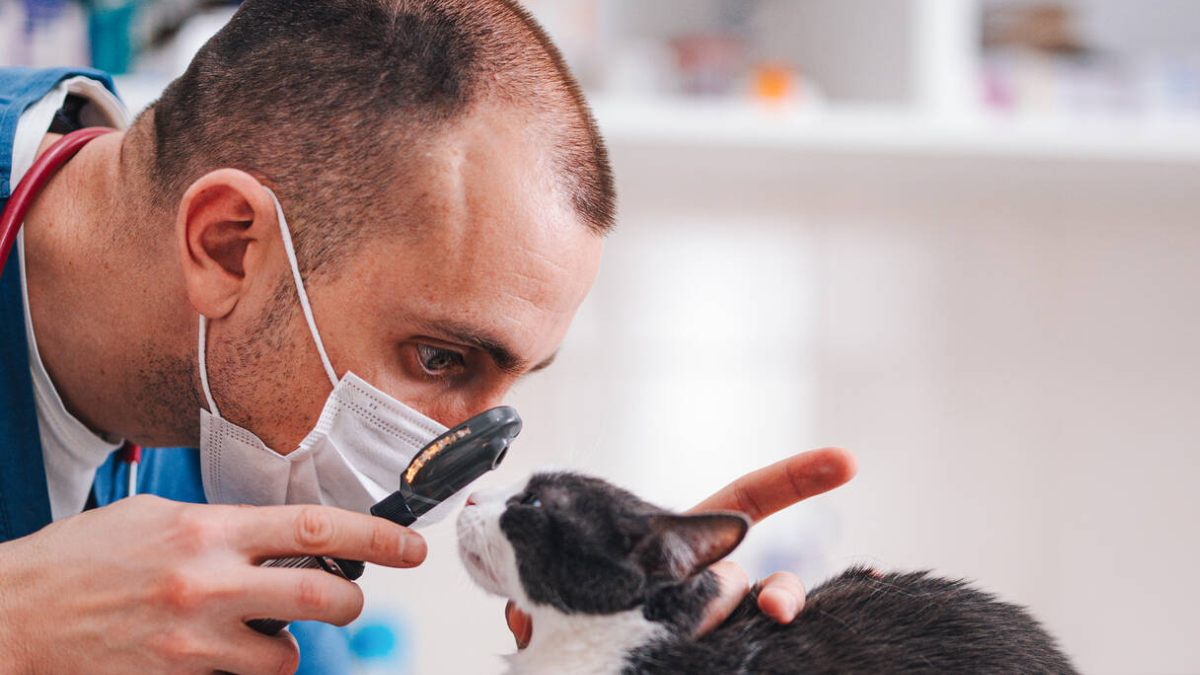
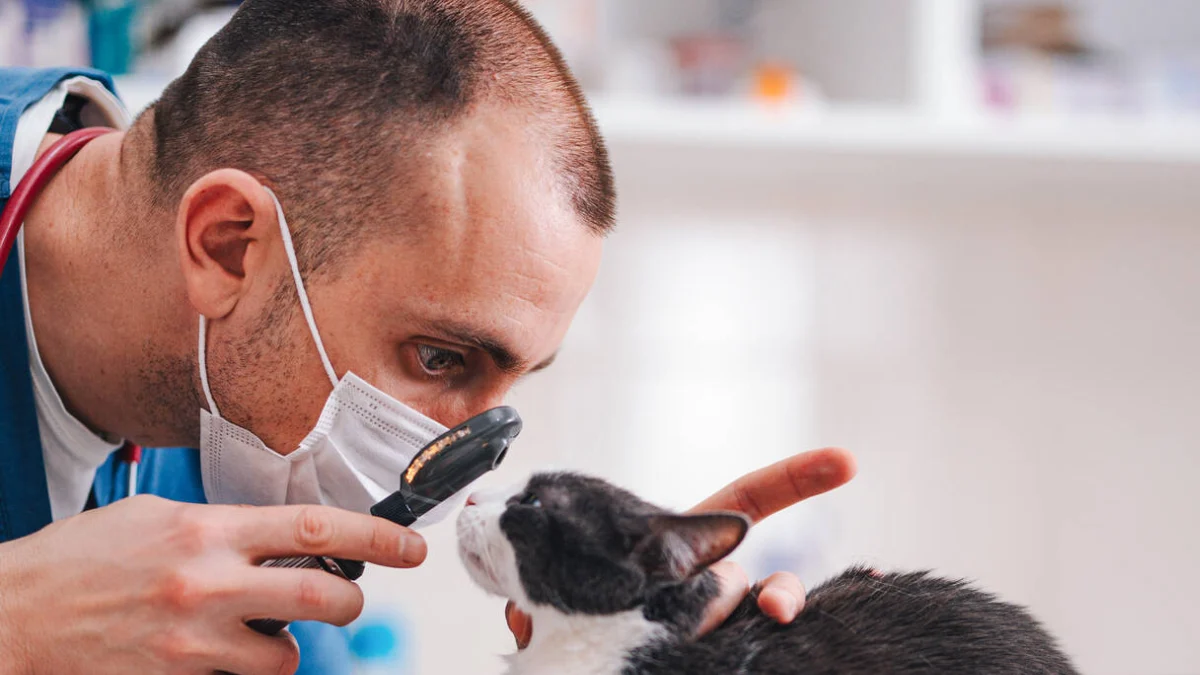
Experts and industry leaders emphasize that regular, scheduled veterinary check-ups allow professionals to detect subtle, early-stage health alterations in dogs and cats long before they manifest as painful or life-threatening conditions. By treating veterinary visits as a routine lifestyle habit rather than an emergency response, owners can drastically enhance both the quality and length of their pets’ lives.
Main Facts: The Core Pillars of Preventive Veterinary Care
To understand why preventive care is revolutionizing modern pet health, it is essential to look at the foundational elements that keep dogs and cats thriving. According to veterinary portals like Vets & Clinics, proactive animal health rests upon three unshakable pillars: balanced nutrition, rigorous parasite control, and up-to-date vaccinations.
- Balanced Nutrition as Medicine: Food is no longer viewed simply as fuel to keep a pet quiet and full; it is treated as a core functional component of health. Veterinary nutritionists stress the importance of continuous weight assessment, tailoring the type and volume of food precisely to the animal’s lifestyle, breed, and daily expenditure of physical energy.
- Parasite Control: Internal and external parasites—ranging from fleas and ticks to heartworms and intestinal worms—pose silent, persistent threats. Preventive care incorporates regular deworming schedules and year-round preventative medications to shield pets from systemic illnesses.
- Immunization Protocols: Vaccines remain the ultimate shield against dangerous, highly contagious viral and bacterial infections. Tailored vaccination schedules protect animals from diseases that were once devastating to domestic pet populations.
Beyond these three pillars, modern preventive medicine leverages advanced physical examinations and diagnostic testing. Laura Uribe Henao, commercial manager of national expansion for Movet, notes that an outwardly healthy appearance can be deceiving.

"Dogs and cats are masters at masking discomfort or presenting changes that are initially very subtle," Uribe Henao explains. "Preventive check-ups allow professionals to evaluate their general state and detect alterations before they evolve into severe medical crises."
Chronology and Lifecycle: How Preventive Care Evolves with Age
Preventive veterinary medicine is not a one-size-fits-all model; it is a dynamic, lifelong continuum that adapts as a dog or cat transitions through different life stages.
Phase 1: The Critical First Year (Puppies and Kittens)
During an animal’s first year of life, veterinary visits are at their most frequent. This foundational window is critical for monitoring rapid growth and development. Veterinarians use these frequent touchpoints to:

- Administer the core puppy and kitten vaccine series.
- Establish baseline weight and body condition scores.
- Implement custom deworming and parasite prevention protocols.
- Monitor nutritional intake to ensure proper skeletal and muscular development.
- Educate new pet parents on socialization, behavioral training, and safe husbandry practices.
Phase 2: The Adult Maintenance Years
Once a pet reaches adulthood (typically between one and seven years of age, depending on the breed and species), the frequency of routine visits shifts to an annual baseline. Even in the absence of alarming symptoms, a yearly comprehensive physical examination is critical. During this phase, veterinarians focus on maintaining optimal weight, preserving dental hygiene, monitoring behavioral shifts, and adjusting parasite control or dietary formulas as metabolic rates stabilize.
Phase 3: The Senior Years (The Golden Age)
As dogs and cats cross the threshold into their senior years—generally around age seven for large-breed dogs and cats, and slightly later for smaller breeds—preventive care takes on an urgent, heightened importance.
Uribe Henao stresses that senior pets require more frequent monitoring. "In senior animals, prevention becomes even more critical because controls may be required more frequently," she notes. These regular senior panels allow veterinarians to maintain a detailed, ongoing surveillance of:

- Joint mobility and early-onset osteoarthritis.
- Weight fluctuations and muscle wasting.
- Oral and dental health (crucial, as periodontal disease directly impacts systemic organ health).
- Internal organ functionality (particularly liver, kidney, and metabolic pathways).
- Subtle cognitive and behavioral changes indicative of feline or canine cognitive dysfunction.
Supporting Data and Diagnostic Protocols: What Does a Comprehensive Exam Entail?
Many pet owners wonder what actually happens during a preventive veterinary consultation. It extends far beyond a quick pat on the head and a temperature check. A thorough wellness exam is a meticulous systemic audit of the animal’s body.
According to veterinary standards, a complete physical and behavioral evaluation should include:
- Anthropometric Metrics: Precise measurement of weight and evaluation of the body condition score (BCS).
- Integumentary System: A thorough inspection of the skin, coat quality, and presence of any unusual lumps, bumps, or parasites.
- Sensory Organs: Careful checking of the eyes, ears, and visual/auditory responses.
- Oral Cavity: Detailed examination of the teeth, gums, and oral mucosa to catch early periodontal disease, fractured teeth, or stomatitis.
- Cardiorespiratory Assessment: Auscultation (listening with a stethoscope) of the heart and lungs to detect murmurs, arrhythmias, or abnormal lung sounds.
- Behavioral & Lifestyle Audit: Reviewing daily habits, sleep patterns, dietary routines, and interaction levels within the household.
Furthermore, veterinary teams do not rely solely on physical observation. Depending on the animal’s age, breed history, and findings from the physical exam, specialists may order complementary diagnostic tests. These can include complete blood counts (CBC), serum chemistry panels, urinalysis, fecal examinations, and diagnostic imaging (such as radiographs or ultrasounds) to peer deep inside the body and catch asymptomatic pathologies, such as early-stage kidney disease or silent heart conditions, before clinical signs ever break the surface.

Official Responses and Expert Insights
The economic and emotional logic behind preventive veterinary care is heavily backed by veterinary institutions. Vets & Clinics underscores that "preventive medicine through multi-level actions attempts to maintain the health of animals so that they do not suffer from diseases, which is a highly cost-effective strategy."
In translation, investing in annual check-ups, high-grade nutrition, and routine vaccinations significantly reduces the likelihood of facing catastrophic, multi-thousand-dollar emergency bills down the road. Chronic disease management—such as treating advanced renal failure, late-stage diabetes, or systemic cancer—is exponentially more expensive, stressful, and emotionally draining than preventing or catching these conditions in their infancy.
Laura Uribe Henao reiterates the importance of cultural change among pet guardians: "The key is to understand these cares as part of a routine and not exclusively as actions that are carried out when an illness appears."

Implications: Recognizing the Subtle Red Flags
Because animals cannot verbally communicate their pain or discomfort, the burden of early detection often falls on the acute observational skills of the pet parent. While sudden, dramatic health crises are easy to spot, pets frequently communicate distress through subtle, quiet behavioral shifts.
Veterinary experts urge owners to monitor their companions for the following subtle red flags:
- Weight Changes: Unexplained, gradual weight loss or sudden weight gain, even when the feeding routine has remained constant.
- Appetite Fluctuations: A sudden disinterest in food, pickiness, or conversely, an insatiable voraciousness.
- Mobility Alterations: Hesitation when jumping onto the couch, stiffness upon rising from a nap, reluctance to climb stairs, or subtle changes in gait.
- Sleep and Routine Changes: Restlessness at night, sleeping significantly more than usual, or changes in house-training habits.
- Behavioral Withdrawal: Hiding in unusual areas of the house, showing uncharacteristic irritability, or abandoning activities that once brought them joy (such as playing with toys or greeting owners at the door).
"The guardians are the ones who best know the routine of their pets," Uribe Henao concludes. "Therefore, identifying a change and consulting about it in time can make all the difference."

By shifting the paradigm from reactive crisis intervention to proactive wellness, pet owners can transform the trajectory of their animals’ lives. Preventive veterinary care is not merely an optional luxury or an added expense; it is the ultimate expression of love, ensuring that our dogs and cats live out their years with dignity, comfort, and vitality.