By Editorial Staff, International Desk
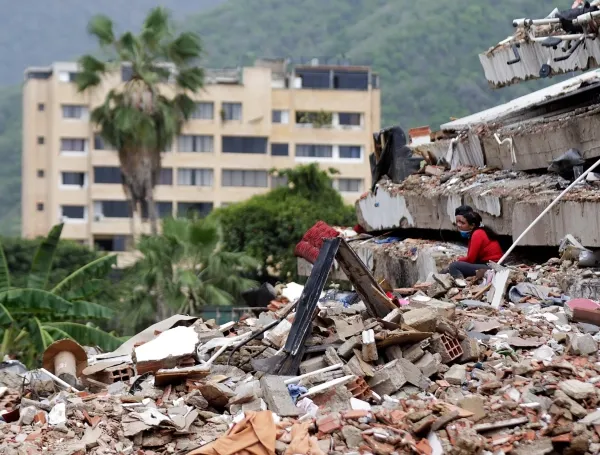
The Venezuelan humanitarian landscape remains fragile as the nation continues to grapple with the aftermath of a catastrophic dual-earthquake event that struck the region on June 24, 2026. Amidst the chaos and mounting death toll, the brief detention of a prominent local volunteer, Wilmer Antonio Cruz—widely known as ‘El Topo de La Guaira’—has drawn international attention to the precarious conditions faced by rescue workers in the country.
On Friday, July 3, the non-governmental organization (NGO) Provea confirmed that Cruz had been released under a restrictive judicial measure. The incident serves as a stark reminder of the tensions between community-led rescue efforts and state authorities in the wake of a disaster that has claimed thousands of lives.
1. Main Facts: The Detention and Release of ‘El Topo’
Wilmer Antonio Cruz, a volunteer who gained significant public recognition for his tireless efforts to recover victims from the rubble in La Guaira, disappeared on July 1. His sudden absence prompted an immediate outcry from the human rights committee of Vente Venezuela, the political movement led by opposition figure María Corina Machado.

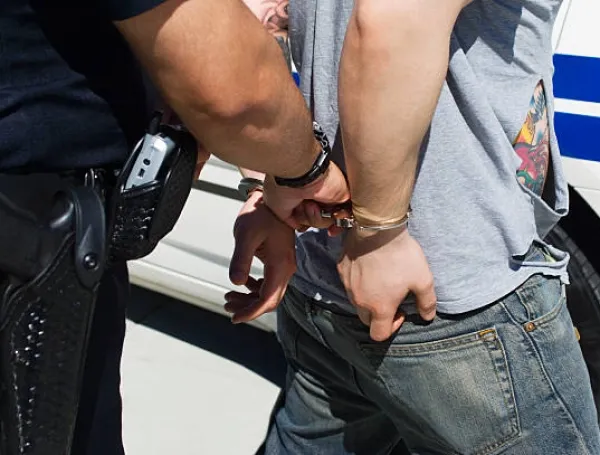
According to reports verified by Provea, Cruz was taken into custody following an alleged dispute over equipment necessary for search and rescue operations. Eyewitness accounts, shared via social media, suggested that individuals identified by the community as police officers apprehended the volunteer during the night of Wednesday, July 1.
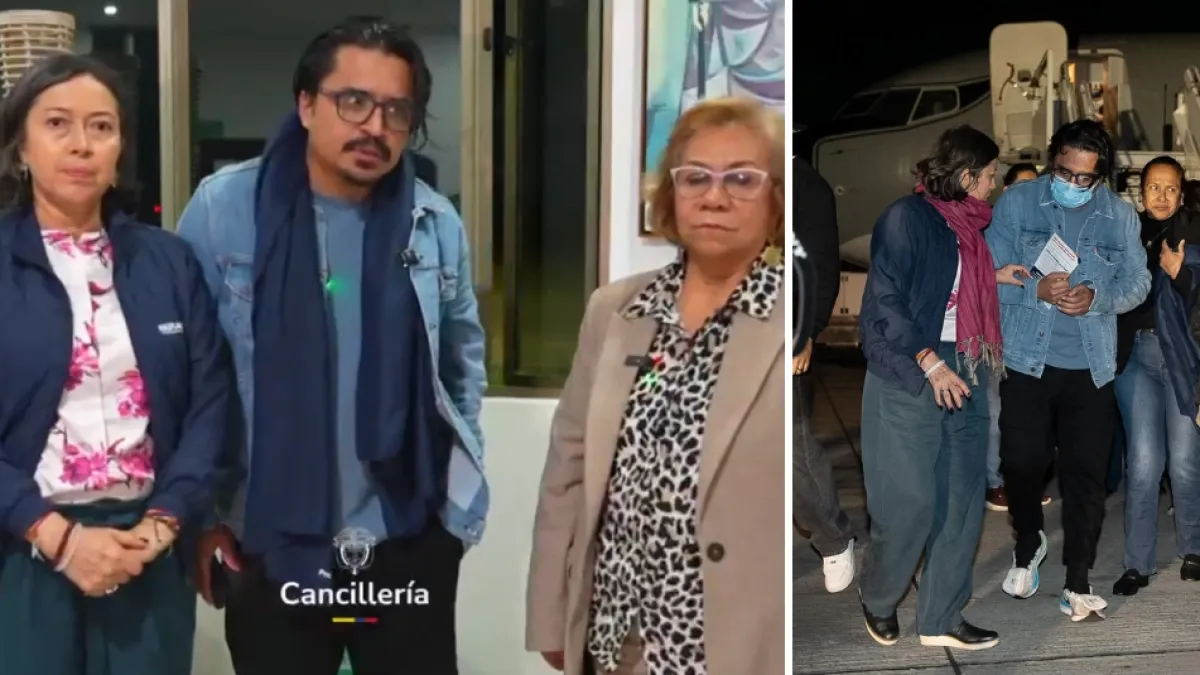
Following two days of uncertainty, Provea announced his release on Friday afternoon. Cruz was granted a "substitute precautionary measure," which mandates a regular regime of appearance before control courts. While his physical freedom has been restored, the judicial process against him remains open, casting a shadow over his future contributions to the ongoing recovery efforts.
2. Chronology of the Crisis and the Volunteer’s Role
The events surrounding Wilmer Cruz are deeply embedded in the broader timeline of the June 24 seismic disaster.
- June 24, 2026: A devastating double earthquake strikes Venezuela, with the state of La Guaira suffering the most severe destruction.
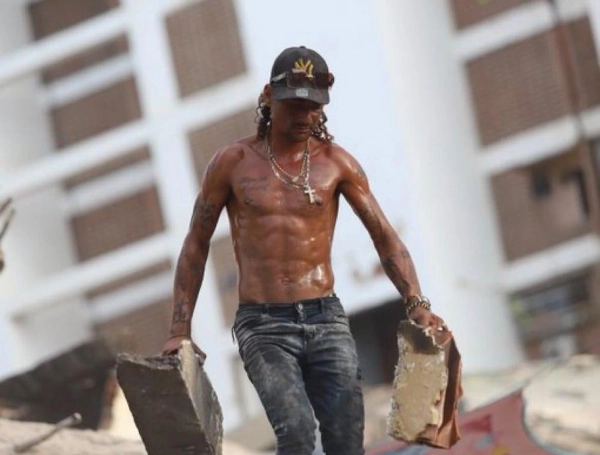
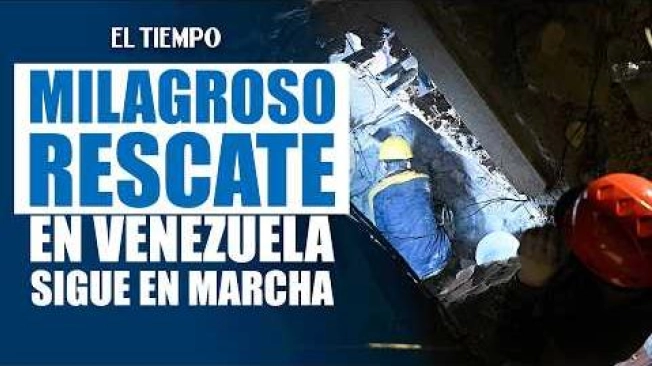
- June 25–30, 2026: Volunteer groups, including Cruz, mobilize to fill the void left by a perceived lack of state infrastructure. Cruz earns his moniker, ‘El Topo de La Guaira,’ for his specialized ability to navigate debris and rescue survivors. Local reports suggest he personally recovered over 60 individuals alive.
- July 1, 2026: Wilmer Cruz is last seen while operating in the OPP-26 Caribe sector of La Guaira. His disappearance is reported by family members and political activists.
- July 3, 2026: The Committee of Human Rights of Vente Venezuela formally demands information on his whereabouts, expressing grave concerns for his physical integrity.
- July 3, 2026 (Evening): Provea confirms the release of Cruz under a restrictive court order.
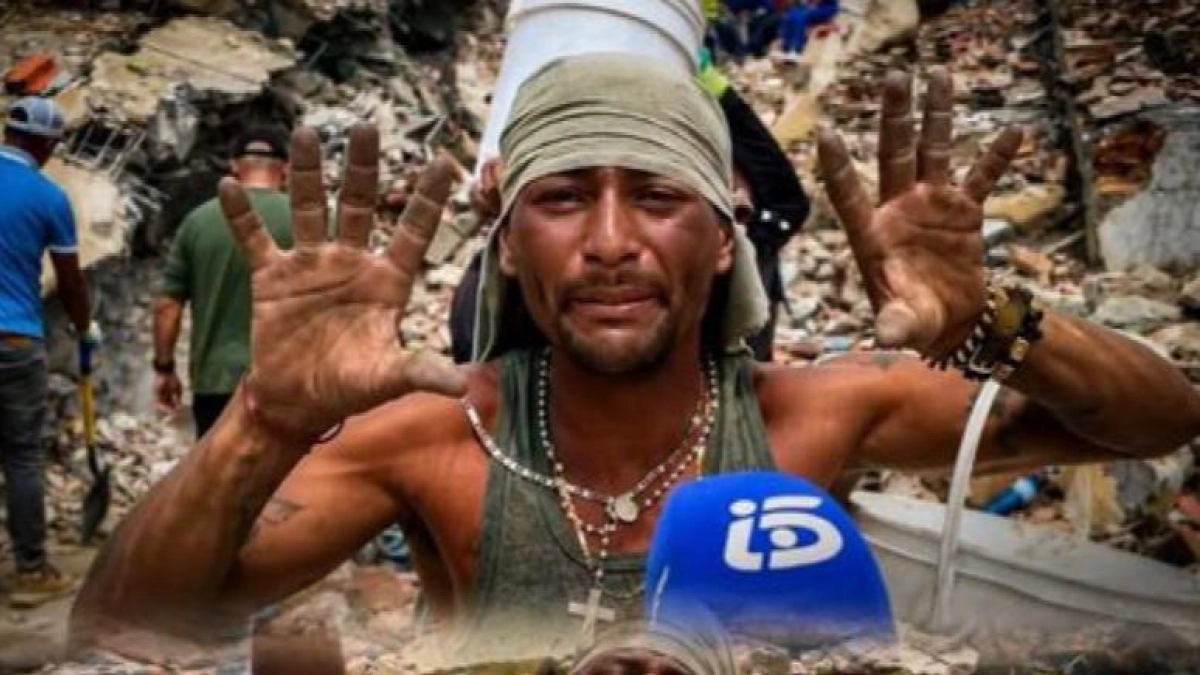
During his period of active service, Cruz became a vocal critic of the government’s disaster response. In a widely circulated interview, he displayed his hands, which were severely injured from clearing debris without adequate protective gear. "The resentment I feel," he stated, "is because we should be receiving help, and we have been left abandoned."
3. Supporting Data: The Scale of the Catastrophe
The detention of a high-profile volunteer highlights the friction between the state and the civilian population, occurring against a backdrop of historic tragedy. According to the latest figures provided by the President of the Venezuelan Parliament, Jorge Rodríguez, the situation remains dire:
- Death Toll: At least 2,645 confirmed fatalities.
- Injuries: 12,666 individuals have been treated for trauma and related injuries.
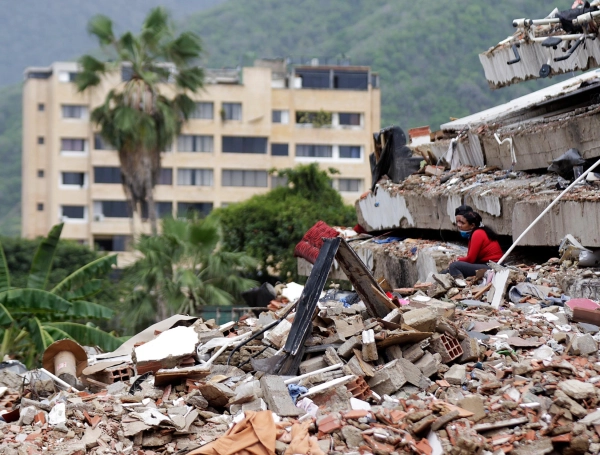
- Infrastructure Impact: 885 buildings sustained structural damage, with 189 completely leveled.
- Displacement: 15,050 individuals are confirmed to be homeless.
- Aid Reach: While official reports claim 86,117 families have received assistance, the presence of long queues for food and the continued reliance on civilian volunteers suggest that the state’s capacity remains overwhelmed.
The region of La Guaira has become heavily militarized, with security forces managing the distribution of aid and the ongoing, increasingly grim task of clearing rubble.
4. Official Responses and Institutional Friction
The response from the Venezuelan government has been marked by a focus on centralized management. Jorge Rodríguez, in his briefing on Telegram, emphasized the number of lives saved—citing 6,462 rescues—without addressing the specific allegations of neglect raised by volunteers like Cruz.
The government has largely remained silent regarding the specific legal charges brought against ‘El Topo.’ However, the incident has reignited the debate regarding the politicization of humanitarian aid. Opposition leaders have repeatedly accused the government of prioritizing image management and security control over the rapid deployment of resources.
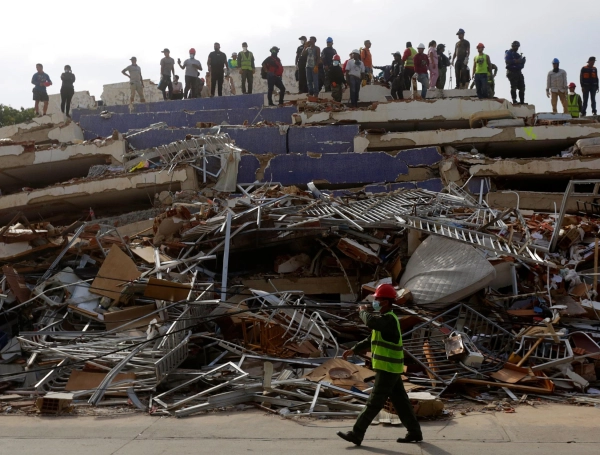
Conversely, the presence of security forces in areas like La Guaira is framed by the government as a necessary measure to maintain public order and prevent looting in the aftermath of the collapse. The arrest of a volunteer for an "altercation regarding machinery" illustrates the breakdown of coordination between state-sanctioned rescue teams and the autonomous volunteer networks that sprang up in the first hours of the disaster.
5. Societal and Political Implications
The case of Wilmer Antonio Cruz is more than a singular legal incident; it is a barometer for the state of civil society in Venezuela. The "regime of presentation" imposed upon him serves as a deterrent against further public criticism of the government’s performance.
A. The Volunteer-State Conflict
The vacuum created by the state’s slow initial response allowed local heroes to emerge. However, these figures, by virtue of their success and their critique of the government, have become perceived threats to the official narrative. By detaining someone like Cruz, the state exerts its authority over the narrative of the disaster, attempting to marginalize those who highlight its failures.
B. The Psychological Toll
Nine days after the seismic events, the hope of finding survivors is fading, replaced by the crushing reality of long-term reconstruction. The frustration felt by the citizens of La Guaira, as voiced by Cruz, is shared by thousands who have lost family members, homes, and their sense of security. The militarization of the recovery zone has done little to soothe these tensions, leading to a climate of fear among those who are trying to help.
C. International Visibility
The involvement of international observers and organizations like Provea ensures that the events in La Guaira do not go unnoticed. While the government maintains a tight grip on information, the digital age has allowed volunteers to document their struggles, creating a parallel history to the official state accounts.
D. The Path Forward
As the search for survivors transitions into a recovery and rebuilding phase, the role of volunteers will remain critical. Whether the government will choose to integrate these civilian networks into a unified recovery plan or continue to view them with suspicion remains the defining question of the post-earthquake landscape.
For ‘El Topo de La Guaira,’ the legal battle ahead is a precarious one. His release is a victory for human rights activists, but the conditions of his release serve as a stern warning: in the current environment, even those who save lives are not immune to the reach of a state prioritizing control above all else.
As of July 4, the recovery operations continue in La Guaira, with thousands of families still waiting for closure, for shelter, and for a return to normalcy that, for many, may never arrive in the same way again. The saga of the volunteer and the earthquake remains a poignant symbol of a nation struggling to hold itself together amidst the physical and political wreckage.