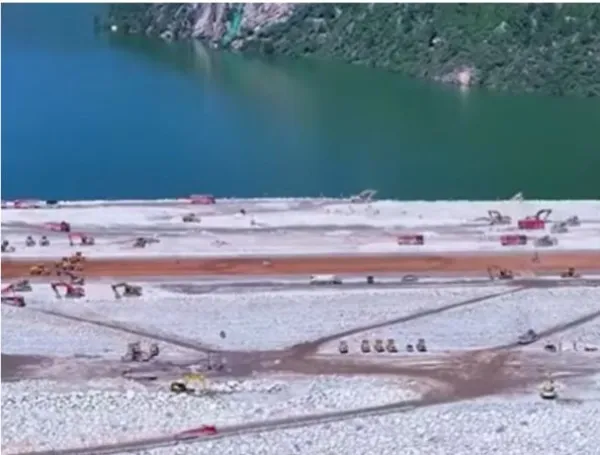
In the rugged, high-altitude terrain of the Sichuan province, a monumental feat of engineering is nearing its culmination. The Shuangjiangkou Dam, a colossal hydroelectric project spanning the Dadu River, is currently under construction, poised to rewrite the record books of global infrastructure. Standing at a staggering 315 meters, the project is not merely a utility structure; it is a testament to China’s relentless ambition to harness renewable energy through record-breaking civil engineering. With an estimated completion date set for the end of 2027, the project represents a $4.02 billion investment in the nation’s transition toward carbon neutrality.
The Magnitude of the Shuangjiangkou Project
The Shuangjiangkou Dam is categorized as a high-concrete-face rockfill dam. Its sheer scale is difficult to contextualize: at 315 meters, it will surpass the current height records for such structures, effectively functioning as a "vertical giant" in a region characterized by deep, treacherous mountain valleys.
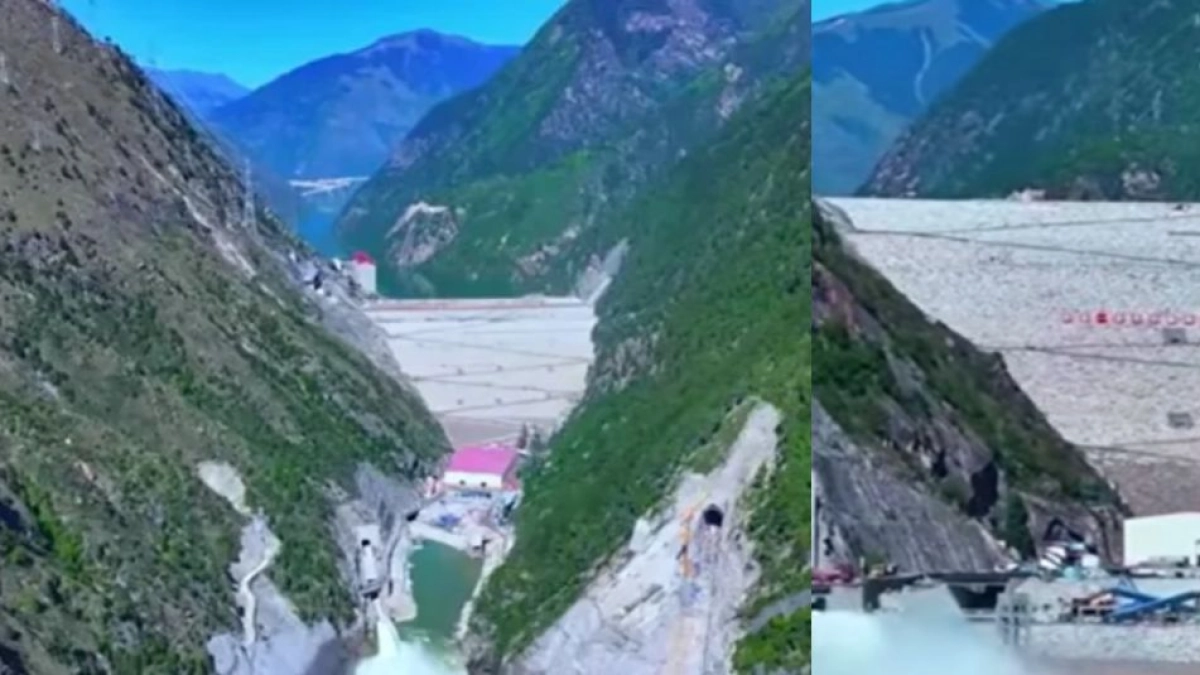
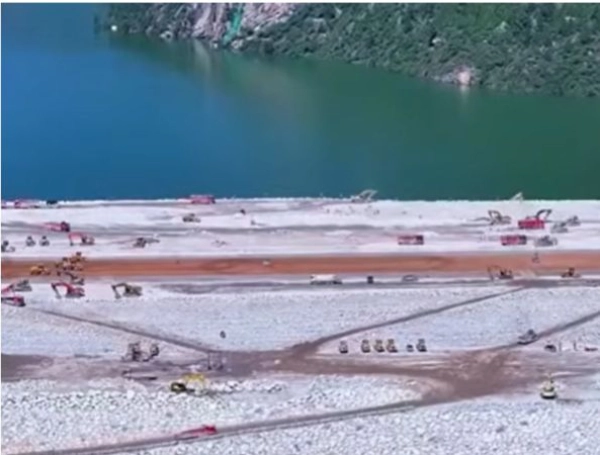
Located approximately 2,200 meters above sea level, the dam site is subject to the unforgiving climate of the Tibetan Plateau’s eastern fringes. The project is managed by China Energy, a state-owned powerhouse that has recently reported significant operational milestones. In a display of technical prowess, the company confirmed that construction crews recently achieved a record-breaking throughput, placing over one million cubic meters of construction material in a single month. This rapid pace of development is critical, as it allows the project to stay on schedule despite the logistical hurdles inherent in building at such extreme altitudes.
Chronology: From Concept to Global Record
The journey of the Shuangjiangkou Dam has been marked by a decade of planning and a rigorous, multi-year construction schedule.

- Initial Planning and Site Assessment: Following extensive geological surveys of the Dadu River basin, authorities greenlit the project as a cornerstone of China’s "West-to-East" power transmission strategy.
- The Early Construction Phase: Work began with the massive excavation of the riverbed and the creation of diversion tunnels to manage the Dadu’s flow during construction.
- The Heliostat Initiative (2021–2022): Faced with the reality that sub-zero temperatures (dropping as low as -20°C) would compromise the structural integrity of the dam’s core materials, engineers implemented an innovative solar-heating solution. In 2021, the first pilot tests for an array of solar heliostats were conducted. By February 2022, 20 mirrors were fully operational, with the system eventually expanding to 27 units, covering over 1,340 square meters of reflective surface.
- Current Status (2026): As of late 2026, the project has entered its final major construction phases. The record-setting volume of filling achieved this year signifies that the structure is entering its final vertical climb toward its 315-meter peak.
- Anticipated Completion (Late 2027): The final phase of testing, electrical grid integration, and reservoir filling is scheduled to conclude by the end of 2027, at which point the facility will officially become the tallest dam in the world.
Technical Innovation: Taming the Alpine Chill
One of the most fascinating aspects of the Shuangjiangkou Dam is how engineers successfully mitigated the threat posed by the climate. Building in a valley where temperatures routinely plummet below freezing creates a significant risk for the dam’s "core"—the heart of the structure. If the core materials freeze during construction, they become brittle and lose their ability to compact, which could lead to structural failure or water leakage once the reservoir is filled.
To solve this, the engineering team turned to solar-thermal technology. By installing a network of 27 large-scale heliostats, the project uses the sun’s energy to target specific sections of the construction site. These mirrors track the sun throughout the day, focusing concentrated light onto the work surface. Scientific data from the project reveals that this system increases surface temperatures by approximately six degrees Celsius. At a depth of five centimeters—crucial for the stability of the materials—the system provides a consistent temperature increase of between one and five degrees, effectively keeping the materials in a pliable, workable state throughout the harshest winter months.

Supporting Data and Economic Implications
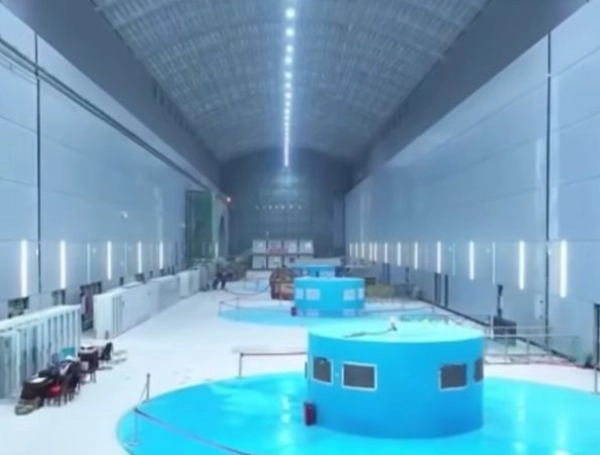
The $4.02 billion price tag associated with the Shuangjiangkou Dam is a reflection of its complexity. Beyond the physical structure, the project involves a massive investment in turbine technology, electrical substations, and the high-voltage transmission lines necessary to ferry the generated power across the vast distances between rural Sichuan and the energy-hungry industrial hubs of eastern China.
The hydroelectric capacity of the dam is designed to provide clean, consistent electricity, significantly reducing the region’s reliance on coal-fired power plants. In the broader context of China’s 2030 and 2060 climate goals, the Shuangjiangkou is a vital asset. It serves as both a base-load provider and a peak-shaving facility, capable of adjusting power output to match the fluctuations of the national grid.
Official Responses and Environmental Stewardship
As with any megaproject of this scale, the environmental footprint is a subject of intense scrutiny. The Dadu River is a vital ecosystem, and the construction of a 315-meter barrier inevitably alters the natural flow, sediment transport, and temperature of the water.
Chinese authorities, through the developers and relevant environmental ministries, have acknowledged the ecological risks. "The project could potentially generate negative effects on the local environment," officials stated in a recent progress report. In response, the government has mandated a series of compensatory measures. These include:

- Sediment Management Protocols: Implementing sophisticated sluicing systems to allow sediment to bypass the dam, preserving the nutrient flow downstream.
- Water Temperature Control: Engineering multi-level water intake structures to ensure that the water released from the reservoir matches the natural thermal profile of the downstream river, protecting fish species that are sensitive to temperature shifts.
- Habitat Restoration: Significant investments in biodiversity conservation in the surrounding Sichuan mountain ranges to offset the habitat loss caused by the reservoir’s flooding.
Despite these measures, international environmental organizations remain vigilant, noting that the long-term impact on the Dadu River’s unique aquatic biodiversity remains an open question that will require decades of monitoring.
Implications for Global Engineering
The Shuangjiangkou Dam is more than just a source of power; it is a case study in modern civil engineering. It proves that with enough investment and technical ingenuity, humanity can overcome even the most hostile environmental conditions. The use of heliostats to manipulate the climate of a construction site is a pioneering approach that is likely to be adopted in other high-altitude projects, from tunnel construction in the Himalayas to infrastructure projects in the Andes.
As the world looks toward 2027, the eyes of the international engineering community remain fixed on the Dadu River. If the project completes on time and within its budget, it will stand as a benchmark for the next generation of hydroelectric infrastructure. It represents a bold, if controversial, vision of the future—one where nature is not only managed but actively modified to suit the requirements of global development.
The Shuangjiangkou Dam serves as a reminder that the transition to green energy is rarely simple. It is a process of negotiation between the demands of economic growth and the imperative of environmental preservation, played out on a scale that is as breathtaking as it is challenging. As the final meters of the dam rise toward the sky, they carry with them the hopes of a nation seeking to power its future while grappling with the physical and ecological limits of the planet.