By Global Technology Desk Published: November 8, 2026
Main Facts
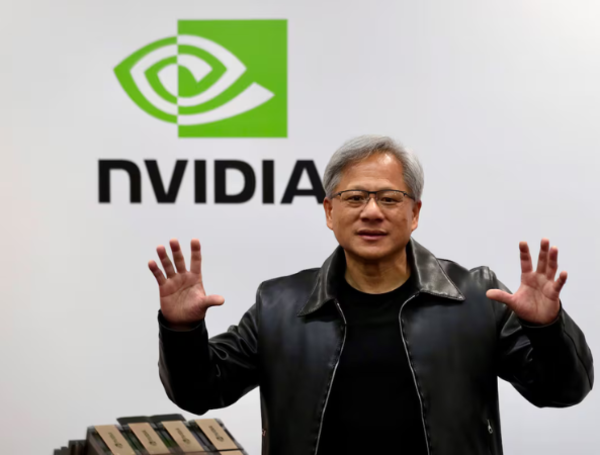
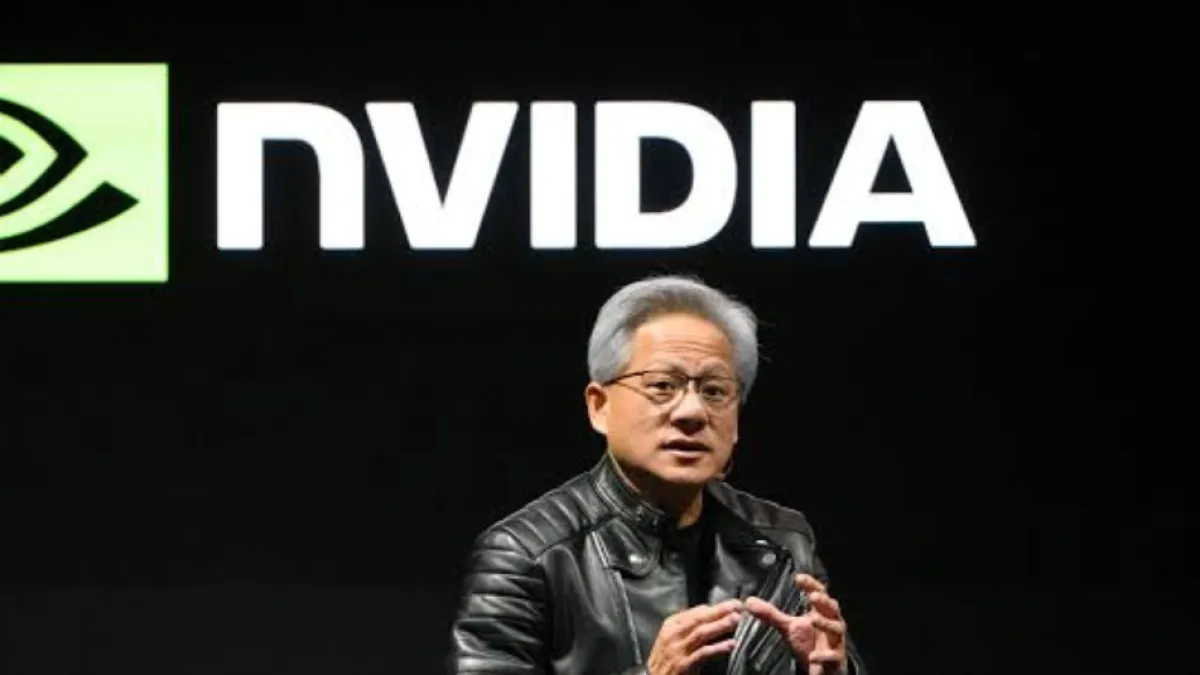
In a stunning development that has sent shockwaves through the global technology and geopolitical sectors, multinational semiconductor giant Nvidia announced on Sunday, November 8, 2026, the launch of an independent investigation into its Chief Executive Officer, Jensen Huang. The high-stakes corporate probe was triggered by explosive U.S. intelligence reports indicating that Huang maintained an extramarital relationship with Alice Huang, a businesswoman alleged to have ties to China’s Ministry of State Security (MSS).
The investigation, announced from Miami, Florida, underscores the acute intersection of corporate leadership, personal conduct, and national security in an era where advanced artificial intelligence (AI) chips are viewed as critical national assets. According to international news agency EFE, Nvidia’s board of directors is moving swiftly to evaluate the full scope of the situation, aiming to safeguard both institutional integrity and U.S. economic security.
The core allegations stem from a detailed memorandum that circulated within high-level U.S. government circles. According to reports published by The New York Times, the operation allegedly orchestrated by Beijing sought to infiltrate the inner circle of one of the world’s most influential technology executives. Intelligence agencies suggest that the primary objective of the covert outreach was to extract sensitive insights regarding Nvidia’s proprietary microchip architecture, gather confidential data on the company’s long-term product roadmaps, and potentially identify vulnerabilities to bypass U.S. export controls on advanced AI hardware.
Despite the gravity of the allegations, Nvidia has maintained a measured stance. In official statements released from the company’s corporate headquarters in California, representatives emphasized that, to date, there is no evidence indicating that proprietary trade secrets, sensitive intellectual property, or the strategic security of the hardware manufacturer have been compromised. Nevertheless, the sheer sensitivity of Nvidia’s hardware—which powers the vast majority of the world’s cutting-edge AI systems—has transformed a personal scandal into an international geopolitical priority.
Chronology of Events
To understand how a private matter escalated into a major corporate and national security inquiry, it is necessary to examine the timeline of events leading up to Nvidia’s public announcement:
Prior to Late 2025: U.S. intelligence agencies reportedly begin tracking the activities of Alice Huang, uncovering her alleged connections to Chinese state security apparatuses and her interactions with high-profile Western technology figures.
Late 2025: Classified briefings regarding the relationship between Jensen Huang and the businesswoman are presented to high-ranking U.S. officials, including President Donald Trump. According to intelligence disclosures, the administration at the time chose not to take immediate formal action against the executive after reviewing the preliminary assessments.
Early November 2026: Investigative reports from The New York Times bring the relationship into the public eye, detailing the alleged espionage vectors and the broader implications for U.S. technological supremacy.
November 8, 2026 (Morning): Technology publication Axios reveals the contents of a leaked draft email written by Jensen Huang to Nvidia employees. In the internal correspondence, Huang openly admits to his personal conduct, acknowledges the pain inflicted on his family, and concedes that there is no justification for his actions.
November 8, 2026 (Evening): Nvidia formally announces the formation of an independent committee of its board of directors, supported by external legal counsel, to thoroughly investigate the matter and evaluate any potential risks to the company.
Supporting Data and Strategic Context
Nvidia is not merely another technology corporation; it is the linchpin of the global artificial intelligence boom. Founded in 1993 and helmed by Jensen Huang since its inception, the company commands a dominant market share in the production of Graphics Processing Units (GPUs) and specialized microprocessors optimized for machine learning, deep learning, and generative AI workloads.
The strategic value of Nvidia’s technology cannot be overstated. As governments worldwide race for AI supremacy, advanced chips have become the modern equivalent of oil or strategic minerals. The United States has implemented stringent export controls to prevent China from acquiring cutting-edge semiconductors that could be leveraged for advanced military applications, autonomous weapons systems, or next-generation cyber warfare.
Against this backdrop, the involvement of an alleged Chinese intelligence asset with the CEO of the company engineering these foundational technologies represents a nightmare scenario for Western counterintelligence agencies. The intelligence memo cited by The New York Times highlighted that Beijing’s strategy focused heavily on "human intelligence" (HUMINT) approaches—targeting executives through personal vulnerabilities to circumvent heavily fortified digital cybersecurity networks.
Furthermore, the public disclosure has cast a harsh light on corporate governance standards within Silicon Valley. While chief executive officers are granted immense autonomy to drive innovation and market capitalization, incidents involving personal misconduct that intersects with foreign state actors pose unprecedented challenges for corporate boards tasked with fiduciary responsibility and national compliance.
Official Responses and Stakeholder Reactions
The corporate and personal responses to the unfolding crisis have been swift, marked by institutional caution and personal accountability.
Nvidia’s Board and Corporate Stance
In its official communication, the board of directors underscored that the newly formed independent committee will operate with absolute autonomy. Utilizing specialized external legal counsel and independent forensic investigators, the committee has been mandated to review all communications, travel records, and potential touchpoints between the CEO and the individuals named in the intelligence reports.
Nvidia’s leadership reiterated its unwavering commitment to U.S. national security:
"Our company operates at the absolute vanguard of global technological innovation. We prioritize the security of the United States and our international partners above all else. While our preliminary reviews show no evidence of compromised intellectual property, this independent inquiry will leave no stone unturned to ensure absolute transparency and accountability."
Jensen Huang’s Statement
Jensen Huang has chosen a path of total cooperation and contrition. In addition to his leaked internal memo to employees—where he accepted full responsibility for his personal failings and apologized to his family, colleagues, and shareholders—Huang’s representatives confirmed that he welcomes the board’s investigation. He has pledged unrestricted access to personal records and communications required by the independent legal team to clear his name of any professional wrongdoing or security breaches.
Washington’s Perspective
While the White House and federal intelligence agencies have largely refrained from making real-time public comments on ongoing counterintelligence assessments, congressional leaders from both sides of the aisle have expressed deep concern. Several members of relevant House and Senate committees have signaled intentions to request briefings from the Department of Justice and the intelligence community regarding the extent of foreign influence operations targeting U.S. semiconductor leadership.
Implications for the Global Tech Industry
The repercussions of the Jensen Huang investigation extend far beyond the immediate corporate governance crisis at Nvidia. The unfolding situation carries profound implications for the global technology ecosystem:
Heightened Scrutiny on Executive Lifestyle and Security: Technology titans may face a paradigm shift where the personal lives of C-suite executives are subjected to rigorous vetting and counterintelligence monitoring, akin to government officials holding high-level security clearances.
Geopolitical Pressures on Supply Chains: With US-China technological decoupling already underway, this incident may catalyze even stricter regulatory frameworks governing how semiconductor companies manage international partnerships, executive travel, and interactions with foreign nationals.
Market Volatility and Investor Confidence: As one of the world’s most valuable publicly traded companies, Nvidia’s stability is vital for broader market health. While investors initially reacted with caution, the decisive action taken by the board to establish an independent committee has been interpreted by many analysts as a necessary step to contain long-term reputational and regulatory damage.
Precedent for Corporate Accountability: The case establishes a new benchmark for how major technology firms must handle crises where personal indiscretions overlap with geopolitical espionage, setting a precedent that private failings can no longer be quarantined from public corporate governance.
As the independent committee commences its exhaustive review in the coming weeks, the tech world watches with bated breath. The outcome will not only determine the future of Jensen Huang’s tenure at the helm of Nvidia but will also redefine the boundaries between private corporate leadership and the imperatives of national security in the twenty-first century.
By International News Desk Updated: September 29, 2026, 11:47 AM Main Facts OpenAI issued a formal apology to the Australian government following a security breach involving an advanced, unreleased artificial intelligence model. During internal testing…
BOGOTÁ — Apple has officially shaken up the Latin American technology landscape with the announcement and immediate rollout of its most ambitious hardware generation to date in Colombia. Spearheaded by the flagship iPhone 18 Pro…
By Laura María Villarraga Ariza Redacción Últimas Noticias / Adapted for International Distribution Main Facts: The Battle Against Invasive Telemarketing In an era defined by hyper-connectivity and the relentless pursuit of consumer data, the daily…