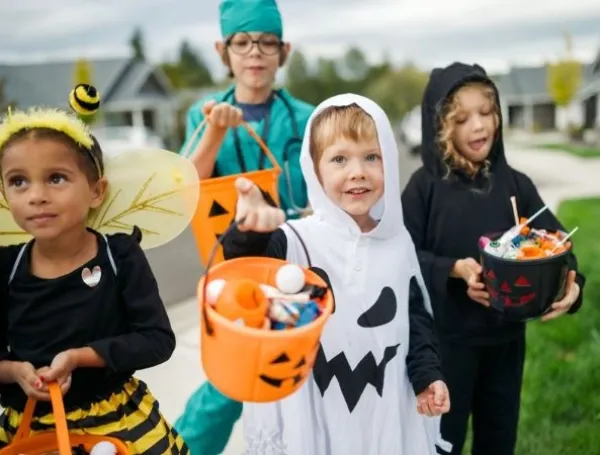
As the calendar turns to October 31st, the world undergoes a nocturnal transformation. From the suburban streets of North America to the vibrant urban centers of Europe and Latin America, the atmosphere grows thick with the iconography of the macabre: jack-o’-lanterns flickering with amber light, intricate costumes that blur the line between fantasy and reality, and the pervasive, sugary promise of "trick-or-treat."
While modern Halloween is often dismissed as a commercialized phenomenon driven by confectionery sales and cinema-inspired pop culture, its foundations are anchored in a profound historical lineage. To understand Halloween is to journey back thousands of years, navigating the intersection of ancient Celtic spirituality, the expansion of Christendom, and the migratory patterns that carried these customs across the Atlantic.
The Genesis: The Celtic Festival of Samhain
To grasp the true essence of Halloween, one must look beyond the plastic masks and candy corn to the ancient festival of Samhain (pronounced sow-in). Originating in the pre-Christian societies of Ireland, the United Kingdom, and northern France, Samhain served as a critical temporal marker. It was the "end of the harvest," a period that signaled the transition from the vitality of summer to the dormancy and scarcity of winter.
The Thinning of the Veil
For the Celts, the year was divided into two halves: the light and the dark. Samhain marked the beginning of the dark half. Crucially, the ancient belief system held that during this specific transition, the "veil" between the world of the living and the realm of the spirits became porous. It was a time when the dead were thought to return to visit their ancestral homes, and malevolent entities could cross into the mortal plane.

Rituals of Protection
The survival of the community during this volatile time depended on appeasing or warding off these supernatural entities. The Celts lit massive communal bonfires, which served as both a beacon for benevolent spirits and a deterrent against darker forces. It is from this tradition that the concept of the "disguise" emerges. By wearing animal hides or frightening masks, individuals sought to mimic or hide from the spirits that roamed the night, hoping to avoid being identified or harmed by malevolent ghosts.
Chronology: From Ancient Rite to Global Phenomenon
The evolution of Halloween is a story of cultural syncretism—the blending of diverse religious and folk traditions.
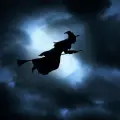
- Pre-Christian Era (c. 500 BCE – 400 CE): The era of the Celts and the solidification of Samhain as a pivotal spiritual and agricultural milestone.
- The Roman Influence (c. 43 CE – 400 CE): Following the Roman conquest of Celtic territories, Roman festivals such as Feralia (commemorating the dead) and Pomona (honoring the goddess of fruits and trees) were assimilated into the existing autumn rites, further cementing the tradition of offerings and symbolism.
- The Christianization (c. 600 CE – 900 CE): As the Catholic Church sought to consolidate its influence, Pope Gregory III designated November 1st as All Saints’ Day (All Hallows’ Day), honoring all martyrs and saints. The night prior, October 31st, became known as "All Hallows’ Eve," which eventually contracted to "Halloween."
- The Colonial Bridge (18th – 19th Century): Halloween was not a significant tradition in early colonial America due to the strict Protestant beliefs of the Puritans. However, the mass influx of Irish immigrants during the Great Famine of the 1840s brought the folklore, ghost stories, and "souling" (praying for the dead in exchange for cakes) to the New World.
- The 20th Century Commercialization: By the 1920s and 30s, Halloween had shifted from a night of neighborhood pranks and mischief to a family-oriented, community-based celebration. The introduction of "trick-or-treating" served as a clever social contract: children were given treats to prevent the "trick" of vandalism.
Supporting Data: The Modern Economic and Social Impact
The modern iteration of Halloween is a gargantuan economic engine. According to data provided by retail associations and market analysts, Halloween spending has reached record-breaking levels in the 2020s.
The Economics of Spookiness
In 2026, the retail sector reports that Halloween has solidified its status as the second-largest commercial holiday in terms of decoration and costume sales, trailing only the winter holiday season.
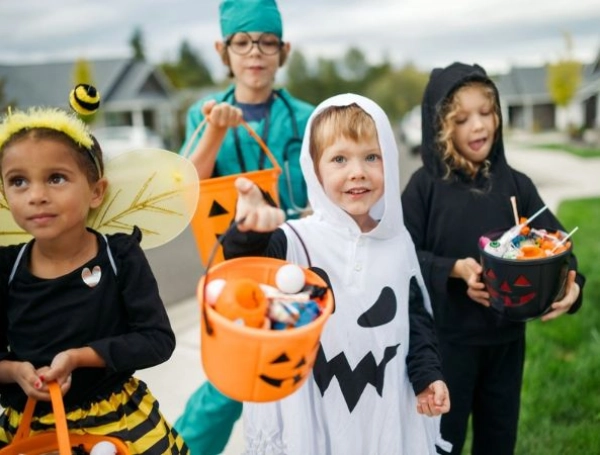
- Costume Expenditure: Billions of dollars are funneled into the costume industry, with trends increasingly influenced by digital media, streaming platform characters, and high-production-value horror franchises.
- The Confectionery Industry: Halloween remains the primary driver for chocolate and candy manufacturers. Data indicates that seasonal candy sales see an increase of over 25% during the month of October compared to the rest of the year.
- Tourism and "Dark" Experiences: The rise of immersive horror attractions, haunted houses, and paranormal tourism has created a secondary economy. Cities known for their historical "ghostly" reputations, such as Salem, Massachusetts, or certain districts in London, report a significant surge in hospitality revenue during the final week of October.
Official Perspectives and Cultural Implications
Anthropological View
Sociologists suggest that the enduring popularity of Halloween lies in its unique ability to allow society to confront mortality in a safe, performative space. By mocking death through costumes and decorations, humans effectively engage in a cathartic ritual that reduces the fear of the unknown. The "masking" element also serves as a social equalizer; for one night, hierarchies are suspended, and the mundane is replaced by the fantastical.
Safety and Regulatory Responses
Public safety remains a priority for municipalities worldwide. Law enforcement agencies typically increase patrols on October 31st to manage the spike in pedestrian traffic, particularly among children. In many urban centers, local governments have implemented "Safe Halloween" initiatives, encouraging the use of designated community centers, malls, and public squares to centralize the festivities, thereby ensuring a controlled and secure environment for participants.

Implications for the Future: A Changing Tradition
As we look toward the future, the nature of Halloween continues to shift. While the core themes of the "thinning veil" remain, the method of participation is increasingly digital. Augmented reality (AR) filters, virtual haunted houses, and global social media challenges have begun to supplement traditional door-to-door activities.
However, the heartbeat of the holiday remains remarkably consistent. Whether it is a child in an urban high-rise or a family in a rural village, the act of stepping outside into the darkness to confront the "monsters" of our imagination—and being rewarded with a treat—is a timeless human impulse.
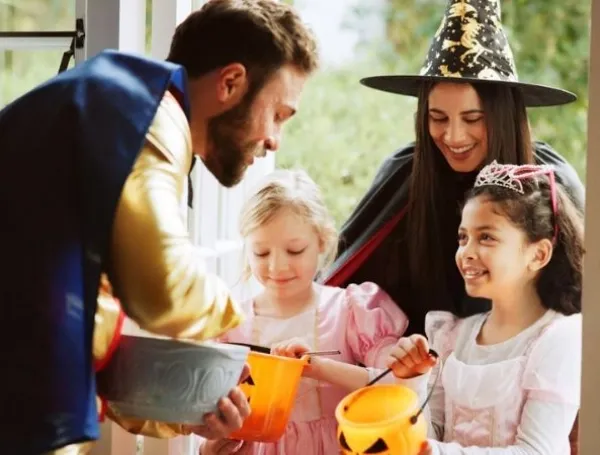
A Globalized Identity
Halloween has transcended its Western origins. In countries like Japan, South Korea, and various nations across Latin America, the holiday has been adopted not as a religious observance, but as a vibrant, aesthetic, and social event. This globalization highlights the universal human need for ritual, play, and community bonding.
Final Reflections
The evolution of the Noche de Brujas from a somber Celtic ritual to a neon-lit, global celebration is a testament to the resilience of folklore. Even as society becomes more secular and technologically advanced, we clearly still possess an innate desire to step outside of our daily routines, put on a mask, and dance with the shadows. Halloween is no longer just about the dead; it is a celebration of the living, a collective pause in the cycle of the year to acknowledge that while winter approaches, there is warmth, joy, and community to be found in the darkest of nights.
Reported by the Editorial Bureau, October 31, 2026.