By Edwin Caicedo | Environmental and Health Journalist
Published: September 7, 2026
Main Facts: The Physics and Chemistry Behind the Perfect Batter
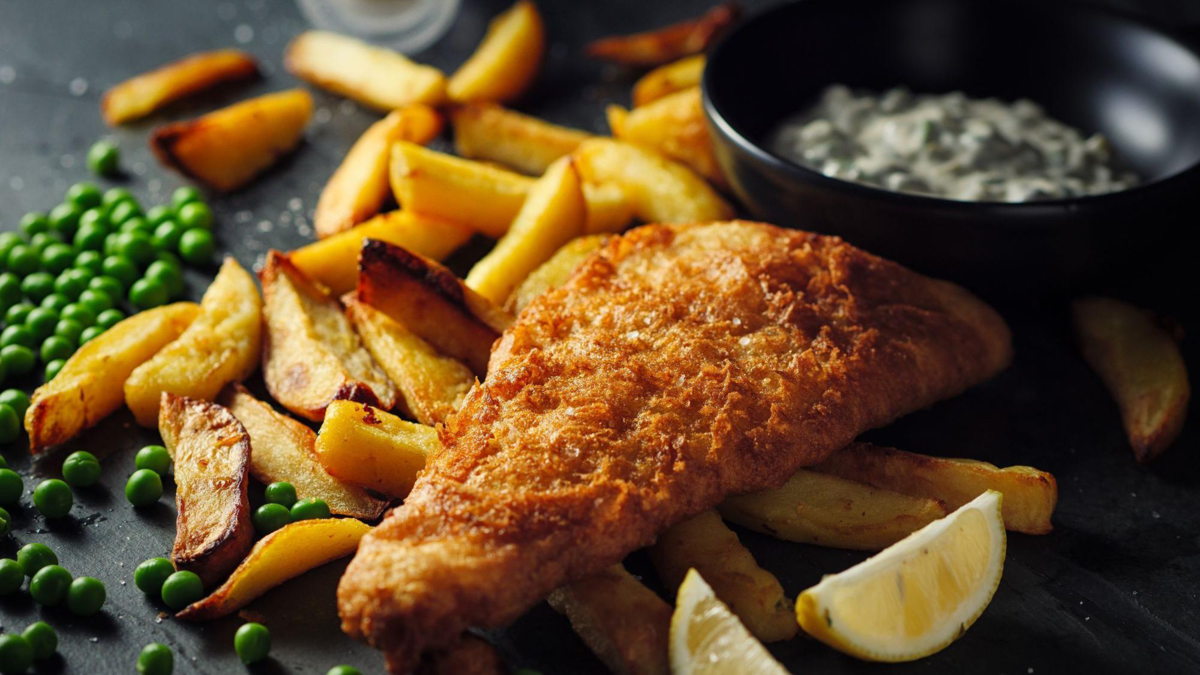
For home cooks and culinary professionals alike, the eternal quest for the ideal fried fish—one defined by a shatteringly crisp, lace-like golden crust rather than a heavy, grease-logged coating—often leads to an unexpected pantry staple: beer.
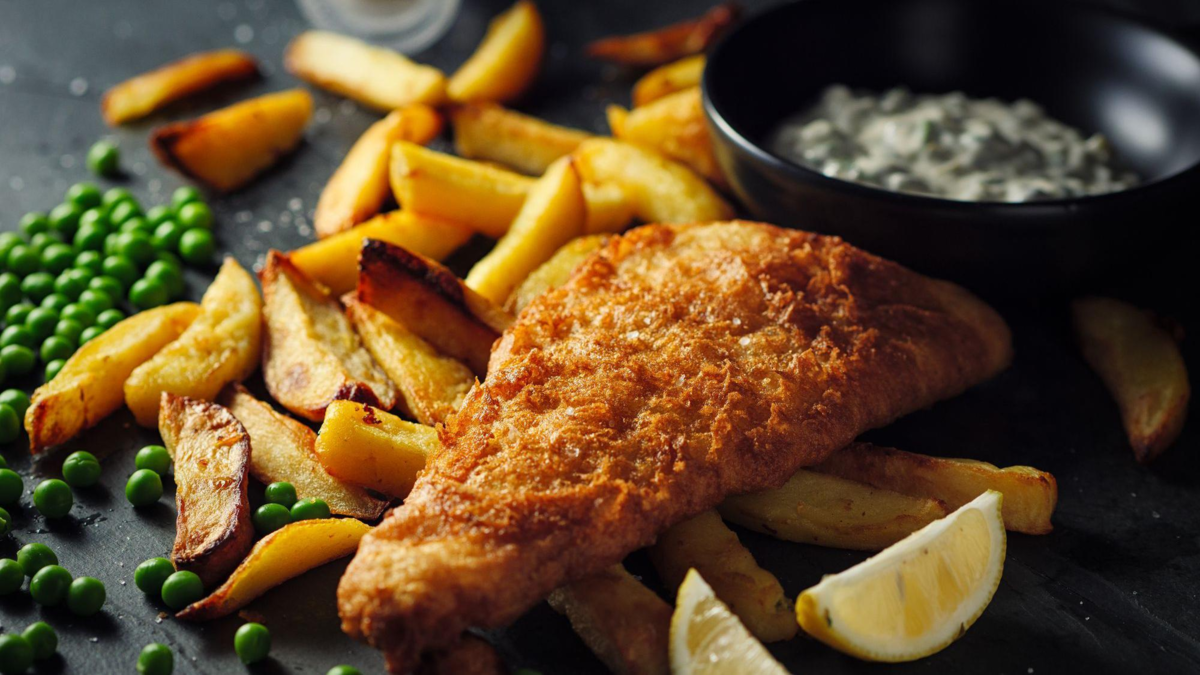
Far from being merely an old wives’ tale or a rustic kitchen myth passed down through generations of pub cooks, modern culinary science has officially validated the practice. Replacing a portion of the water and flour in a traditional batter with beer triggers measurable physical and chemical reactions that fundamentally transform the texture of fried foods.
According to analyses published by Scientific American and data compiled by elite testing laboratories, the magic lies in a dynamic trio delivered simultaneously by the beverage: carbon dioxide, foaming agents, and alcohol. When a beer-based batter hits hot oil, the solubility of the dissolved carbon dioxide drops drastically. The gas expands rapidly, propelling the batter outward and creating a light, airy, porous matrix that resembles delicate lace.

Furthermore, culinary research institutions like America’s Test Kitchen point out that the carbonation introduces a subtle acidity, which alters the pH of the batter. This slight shift limits gluten formation—a process that thrives in a neutral pH range of 5 to 6, whereas most carbonated beverages hover around a pH of 4. By inhibiting excessive gluten development, the beer ensures that the coating remains tender and crisp rather than turning tough or chewy.
Chronology: From Tavern Tradition to Laboratory Validation
The integration of beer into frying batters did not emerge overnight in a high-tech test kitchen; rather, its evolution spans centuries of trial, error, and eventual scientific curiosity.
- Pre-20th Century (The Empirical Era): Centuries ago, cooks in regions famous for brewing—particularly across parts of Western Europe and the British Isles—began experimenting with leftover or flat beer as a liquid base for batters. Without understanding the biochemistry, they observed that fish and vegetables fried remarkably better, retaining less oil and developing superior crispness.
- Late 20th Century (The Rise of Food Science): As culinary arts matured into a formal discipline intersecting with food science, institutions began examining traditional methods under microscopes. Food chemists identified the thermodynamic properties of carbonation and volatile alcohol evaporation.
- The 2000s–2010s (Empirical Testing by Test Kitchens): Organizations like America’s Test Kitchen and platforms like ChefSteps began conducting controlled, side-by-side experiments. By isolating variables—frying foods in batters made with regular beer, non-alcoholic beer, club soda, and plain tap water—researchers mapped out exactly what causes the "lace" effect.
- Present Day (The Unified Scientific Consensus): Today, the synergy between physics (bubble expansion), chemistry (pH levels and gluten inhibition), and thermodynamics (rapid alcohol evaporation) is fully understood. Chefs no longer rely purely on intuition; they utilize these principles consciously to optimize modern frying techniques, bridging the gap between traditional comfort food and food science.
Supporting Data: What the Experiments Reveal
To truly understand why beer elevates a simple batter, one must look closely at the empirical data gathered by culinary research laboratories.
The Carbonation Factor: It’s All About the Bubbles
One of the most revealing experiments conducted by America’s Test Kitchen involved frying multiple batches of fish using four distinct liquid bases: standard beer, non-alcoholic beer, carbonated water (club soda), and plain, non-carbonated tap water.
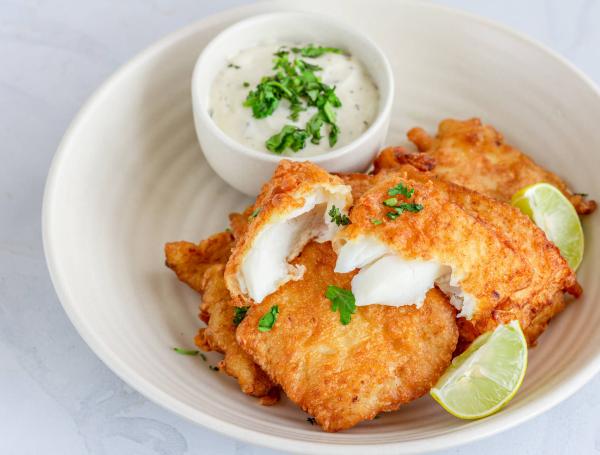
The results were definitive:
- The plain water batter yielded a dense, heavy, and oil-heavy coating.
- The club soda and non-alcoholic beer batters produced significantly lighter, crispier, and more porous crusts than plain water.
- The regular beer batter performed similarly to the carbonated water and non-alcoholic options in terms of texture, proving that carbonation—not the alcohol content—is the primary driver behind the airy, lace-like crust.
The Role of Alcohol: Speeding Up Evaporation
While carbonation creates the bubbles, alcohol plays a vital supporting role in moisture management. Culinary precision platforms like ChefSteps emphasize that alcohol has a much lower boiling point than water and evaporates far more rapidly when exposed to hot oil.
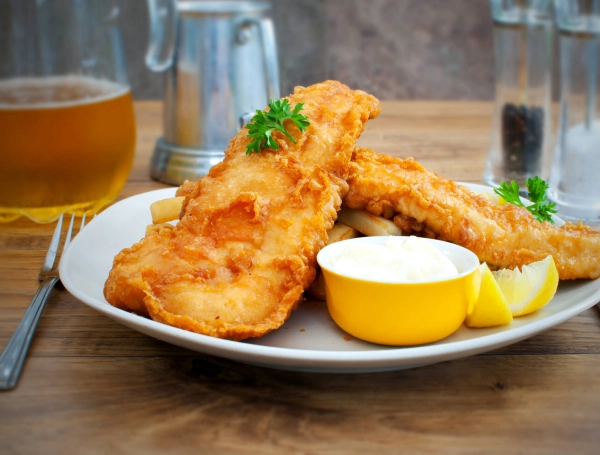
When a batter contains alcohol, that alcohol flashes off almost instantly upon contact with the fryer. This rapid phase change dries out the outer crust much faster, creating a rigid barrier that stops oil from penetrating the food interior. Consequently, the fish or vegetable inside cooks gently in its own steam, preventing overcooking and ensuring a juicy interior encased in a bone-dry, ultra-crisp shell.
Official Responses and Expert Insights
Culinary educators, food scientists, and professional chefs continually emphasize that while the beer trick is powerful, it must be executed correctly to yield optimal results.

"The introduction of dissolved gases creates microscopic pockets of expansion that fundamentally alter the density of the fried matrix," notes a senior food scientist associated with experimental gastronomy projects. "When you combine that with a lower pH that controls protein structure development, you get a textbook example of physics and chemistry working in tandem to improve flavor and mouthfeel."
Professional kitchens that specialize in classic comfort foods—such as traditional fish and chips shops—have long relied on temperature control alongside carbonation. Chefs recommend keeping the beer as cold as possible before mixing it into the dry ingredients. A wide temperature differential between an ice-cold batter and scorching hot frying oil triggers an even more violent, effective thermal reaction, maximizing the expansion of the carbon dioxide bubbles.

Furthermore, culinary instructors advise against over-mixing the batter once the beer is added. Over-working the batter activates gluten networks, counteracting the acidic benefits of the carbonated beverage and resulting in a dense, chewy coating rather than a light, shattering crunch.
Implications: Elevating Home Cooking and Culinary Science
The widespread demystification of the "beer batter trick" carries several notable implications for both home cooks and the broader food industry.

1. Demystifying Kitchen Lore
For generations, home cooks relied on intuition, secret family recipes, or trial and error. The scientific validation of beer-based batters bridges the gap between folklore and gastronomy. It empowers home cooks by explaining why certain techniques work, allowing them to troubleshoot variables like oil temperature, flour selection, and liquid ratios with confidence.
2. Versatility Beyond Fish
While traditionally associated with fish and chips, the principles of carbonation-driven batters apply universally. Chefs now utilize carbonated liquids—including beers, sparkling wines, and sodas—to coat everything from onion rings and tempura vegetables to chicken and fruit. Understanding the mechanics of bubble expansion and rapid alcohol evaporation gives culinary enthusiasts a versatile toolkit to experiment across different cuisines.

3. Health and Dietary Adjustments
Because a properly aerated, fast-drying batter absorbs significantly less oil during the frying process, dishes prepared with carbonated liquids can result in a less greasy, lighter final product. Additionally, the confirmation that non-alcoholic beers work just as well as standard brews means that individuals seeking to avoid alcohol for health, religious, or personal reasons can still achieve professional-grade results without compromising flavor or texture.
Ultimately, the humble can of beer remains a testament to the fact that great cooking is as much about applied physics and chemistry as it is about passion. By letting the bubbles do the heavy lifting, anyone can transform an ordinary weeknight dinner into a masterclass in culinary texture.